
Inside Hollywood’s Latest Spec Script Sensation: Carson Reeves Drops a Newsletter That Breaks All Scoring Protocols
LOS ANGELES — In the high-stakes, hyper-competitive ecosystem of Hollywood spec script evaluation, very little manages to genuinely shock the entrenched gatekeepers. Trends come and go, high-concept loglines saturate the market, and writers chase the ever-shifting goalposts of studio executives. Yet, when Carson Reeves—the discerning mind behind the influential script-review platform Scriptshadow—announces that he has awarded a screenplay a rating he has never given in the history of his platform, the industry takes notice.
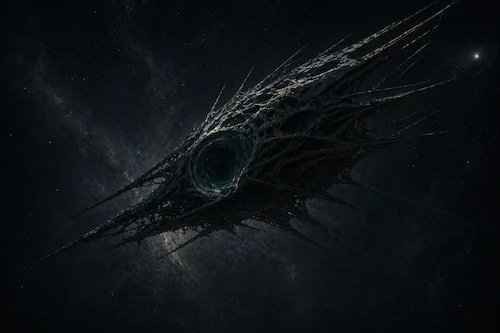
The focal point of this industry-wide chatter is Reeves’ latest monthly newsletter, which dropped today to a massive subscriber base. Anchored by a mysterious, AI-generated teaser image, the dispatch centers on a groundbreaking screenplay penned by Hollywood’s undisputed king of momentum: a writer-director currently orchestrating a meteoric rise by single-handedly willing multiple high-profile projects into existence.
Beyond this unprecedented critical anomaly, the newsletter dives deep into the evolving mechanics of screenwriting, artificial intelligence integration, long-form amateur script structures, masterclasses on utilizing flashbacks effectively, and speculative anticipation for the impending blockbuster release of Mandalorian and Grogu.
Main Facts: The Unprecedented Script and Hollywood’s Hottest Auteur
The primary catalyst for this month’s newsletter frenzy is a script from a filmmaker who has captured the collective imagination of major studios, production companies, and talent agencies alike. While Reeves has kept the specific title and the identity of the writer-director under wraps for the exclusive readership of his newsletter, the industry context points toward an elite tier of modern cinematic creators who balance auteur-driven sensibilities with undeniable commercial appeal.
According to Reeves’ brief, the script represents a radical departure for the creator—a bold ascension into an entirely new genre. For a writer known for mastering specific storytelling domains, pivoting into unchartered territory is a notoriously risky maneuver. Yet, whatever risks were taken on the page have apparently paid off in a fashion so profound that Reeves broke his own grading scale.
"To give you some insight into my reaction, I gave this script a rating I’VE NEVER GIVEN BEFORE," Reeves wrote, an admission that has sent shockwaves through online screenwriting forums and writer groups. On a platform that has dissected thousands of scripts ranging from absolute disasters to multi-million-dollar bidding-war winners, establishing a brand-new tier of praise is nothing short of seismic.
Chronology of the Release and Distribution Mechanics
The rollout of the newsletter followed Reeves’ established protocol, though the anticipation surrounding this month’s edition created a noticeable surge in digital traffic.
- Mid-April 2026: Teasers regarding the writer-director’s genre pivot begin circulating among insiders, leading to rampant speculation across industry message boards.
- April 30, 2026 (Afternoon): Reeves releases a promotional teaser on Scriptshadow, accompanied by an atmospheric AI-generated image designed to evoke the tone and aesthetic of the newly reviewed screenplay.
- April 30, 2026 (7:00 PM PST): Automated mailing software finishes dispatching the full newsletter to the comprehensive subscriber database.
- Post-7:00 PM PST: A secondary wave of manual requests floods Reeves’ inbox, driven by subscribers experiencing filter delays or discovering the announcement late.
For readers eager to catch up on the discourse, Reeves has kept an open-door policy for latecomers. Anyone eager to inspect the review can secure a copy by emailing [email protected] with the subject line “NEWSLETTER.”
Supporting Data: A Comprehensive Breakdown of the Newsletter’s Contents
While the headline-grabbing review of the mysterious auteur’s genre script dominates the conversation, the April/May newsletter is packed with a diverse array of analytical deep-dives, cultural commentary, and industry forecasts.
1. Eating Crow: A Rare Admission of Error
In a refreshing display of editorial vulnerability, Reeves opens up about a past prediction or critical take that has proven to be unequivocally wrong. While the exact subject of his miscalculation remains exclusive to the newsletter, the admission highlights the unpredictable nature of film criticism and script evaluation, where hindsight frequently alters initial perceptions.
2. The Artificial Intelligence Revolution in Screenwriting
Perhaps the most forward-looking segment of the dispatch tackles the existential and practical elephant in the room: Artificial Intelligence. Reeves offers fresh writing insights regarding how generative AI and machine learning tools are slated to radically alter the screenwriting landscape. Rather than adopting a purely reactionary stance of absolute resistance or uncritical embrace, the newsletter explores the structural and workflow shifts writers must anticipate as AI tools transition from novelty novelties to industry-standard utility.
3. The 180-Page Amateur Hero’s Journey Epic
The newsletter also revisits a buzzy, mammoth-sized amateur screenplay that crossed Reeves’ desk recently. Clocking in at a staggering 180 pages, the script represents a monumental swing at the classic "Hero’s Journey." In this latest update, Reeves provides expanded story details, analyzing how the writer attempted to sustain momentum across a page-count that would terrify most traditional Hollywood executives, and evaluating whether the epic scope justified the bloated length.
4. The Chalamet Factor
No contemporary Hollywood analysis is complete without accounting for the industry’s reigning box-office talisman, Timothée Chalamet. Reeves touches upon the cultural and financial gravity Chalamet continues to exert over modern greenlight processes, exploring how specific star attachments dictate the tone, budget, and structural ambitions of contemporary specs.
5. Mastering the Flashback
For emerging writers struggling with narrative mechanics, the newsletter features a dedicated tactical guide on how to actually write flashbacks that work. Flashbacks are routinely cited by script readers as one of the most abused and poorly executed devices in amateur screenwriting, often serving as lazy exposition dumps. Reeves breaks down the structural requirements necessary to make retrospective storytelling emotionally resonant and narratively vital rather than a momentum-killing speed bump.
6. The Road to Mandalorian and Grogu
With Disney’s theatrical juggernaut Mandalorian and Grogu slated for its major May release, Reeves delivers his final thoughts on the run-up to the premiere. The analysis weighs the risks and rewards of transitioning a premier streaming property back to the silver screen, pondering what the box-office performance will signal for the future of franchise expansion and intellectual property management.
Official Responses and Community Engagement
True to the participatory nature of the Scriptshadow community, the release has already generated an influx of comments, debates, and theories. Aspiring screenwriters, indie filmmakers, and industry professionals have taken to the comments section to dissect the vague clues provided in the public post.
Speculation regarding the identity of the "hottest writer-director" centers on a handful of generational talents who have successfully transitioned from indie darlings to studio powerhouses, though no official confirmation has leaked. Meanwhile, discussions surrounding the AI writing insights have sparked intense online debates regarding copyright, originality, and the future viability of human-authored screenplays in an increasingly automated marketplace.
Reves has encouraged all readers who have successfully navigated their inboxes—and checked their spam folders—to join the conversation directly on the site once they have digested the material.
Implications: What This Means for the Spec Script Market
The ripple effects of this newsletter extend far beyond a simple Monday-morning movie blog post. By elevating an unproduced spec script to a historic pedestal, Reeves is actively redirecting industry spotlight toward original, high-risk material at a time when Hollywood is heavily criticized for over-reliance on pre-existing intellectual property and algorithmic safety.
Key Takeaways for the Industry:
- The Return of the Spec Boom: When top-tier creators take massive genre risks and receive universal acclaim from tough critics, it signals a healthy appetite for daring, non-franchise storytelling.
- AI Adaptation is Inevitable: Reeves’ insights into the future of AI scriptwriting underscore that professional writers must adapt to technological integration or risk obsolescence.
- Mastering Fundamentals Still Matters: The deep-dive into flashbacks and long-form amateur journeys proves that regardless of AI advancements or star attachments, foundational narrative architecture remains the ultimate arbiter of a script’s success.
As the industry counts down the days to the summer box office season and major studios lock in their fall slates, the conversation sparked by Carson Reeves serves as a potent reminder: in Hollywood, everything can change the moment a truly great script lands on the right desk.
