
Bridging Worlds: Director Verena Fels on the Spooky, Heartfelt Animation of ‘Monster Mia’
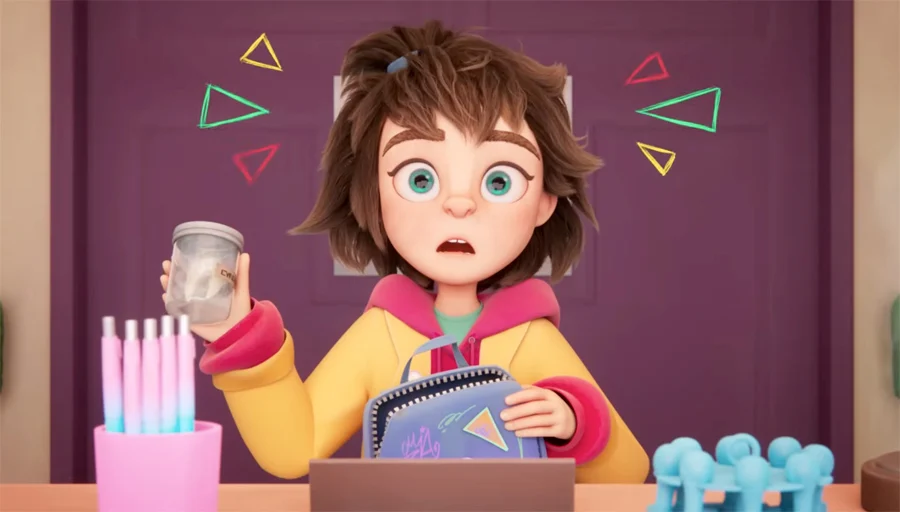
As the autumn leaves begin to fall and the atmosphere turns crisp, a new animated feature is poised to capture the imaginations of families worldwide. Monster Mia, the highly anticipated film directed by Verena Fels, makes its grand entrance into theaters nationwide this Thursday, October 8th. More than just a seasonal Halloween treat, Monster Mia serves as a poignant exploration of empathy, individuality, and the courage required to challenge societal norms. Based on the beloved Monstrous Maud book series, the film tells the story of a young girl navigating a divide between two worlds—one of humans and one of monsters—in a quest to prove that coexistence is not only possible but essential.
The Journey to the Big Screen: A Filmmaker’s Vision
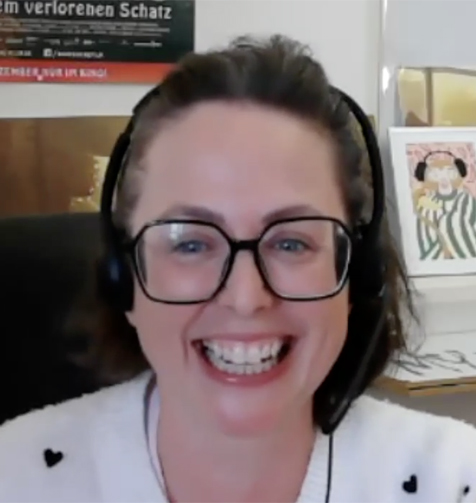
For Verena Fels, the journey of Monster Mia has been a monumental professional milestone. Having premiered at the prestigious Annecy International Animation Film Festival earlier this year, the film has already garnered critical praise for its artistic vision and emotional depth.
"It’s super amazing for me," Fels remarked during an interview with Animation Scoop. "I think it’s my first movie which goes to the U.S., so it’s super crazy how it hits in the cinemas, and a great honor. And it’s almost not believable that it’s done and finished and on screen."
Fels’ trajectory from a young student attending film festivals in France to a director unveiling her own feature film on the international stage mirrors the growth of her protagonist. Her passion for animation began in her youth, spanning her high school years, through film school, and into a professional career that balances technical precision with deep, narrative-driven artistry.
Narrative Foundations: From Page to Screen
The film is adapted from the Monstrous Maud book series, a literary foundation that provided Fels with a strong starting point for her cinematic interpretation. While Fels was already familiar with the source material, she approached the screenplay as a collaborative opportunity to inject her own creative sensibilities.
"I had the chance to work one round of script writing with the authors," Fels explained. "I brought a lot of my inspiration into the final draft."
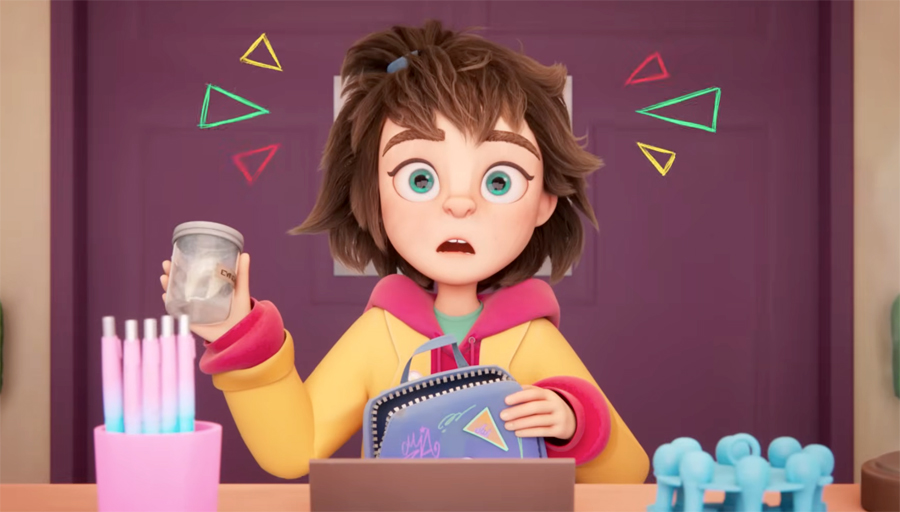
The result is a narrative centered on Mia, a character designed to be a potent role model. Unlike traditional protagonists who conform to the expectations of their peers or parents, Mia embodies an independent spirit. She is a girl who questions authority and refuses to accept inherited prejudices without firsthand experience. In a contemporary social climate where critical thinking is increasingly vital, Fels’ portrayal of Mia serves as an empowering message for audiences of all ages: that being "different" is not a flaw, but a unique power.
Character Dynamics and the Complexity of Sisterhood
Central to the emotional core of the film is the relationship between Mia and her twin sister, Marie. Fels intentionally crafted this dynamic to be grounded in the complexities of sibling reality.
"For me, it was important that the relationship between the sisters is kind of real," says Fels. "You don’t like each other every time. I think the hardest fights are between the sisters, but they love each other. And so this dynamic is super interesting to be really clear, really honest, but on the other hand, when it matters, you stick together."
This contrast between the twins, who exist as polar opposites, serves as a mirror for the larger conflict of the film: the divide between the human town of Primrose Valley and the monster-inhabited Rotwood Academy. By positioning the sisters in a state of friction that eventually finds harmony, Fels creates a microcosm for the film’s broader message of reconciliation.
Artistic Execution: Creating Contrasting Worlds
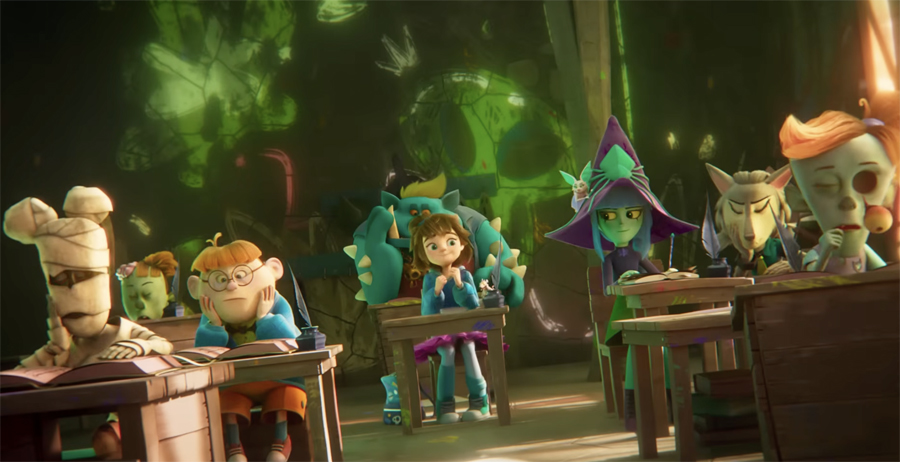
A significant portion of Monster Mia’s visual appeal lies in the stark contrast between the two primary settings. Primrose Valley is depicted as a "cotton candy world" defined by rigid order and pastel aesthetics, while Rotwood Academy leans into a gothic, edgy, and atmospheric sensibility.
Fels, who possesses an engineering background, utilized her mathematical mindset to construct these worlds. "I like shapes, and when you have these clear structures, you can put a lot of emotions into this stuff," she notes. Her love for symmetry, inspired in part by the cinematic language of Wes Anderson, allows the environment to communicate the story’s themes of conformity versus individuality.
The director also integrated her deep knowledge of film history into the visual design of Rotwood Academy. Drawing from German Expressionism and classic monster cinema—referencing icons like Dracula and Frankenstein—Fels successfully translated these dark, historical inspirations into a joyful, family-friendly aesthetic.
Musical Tributes and Cultural References
One of the most memorable sequences in the film, "The Midnight Miracle," serves as a stylistic nod to Michael Jackson’s iconic "Thriller." For Fels, who identifies as a "kid of the 80s," these cultural touchstones are essential to the fabric of the film.
"We wanted it to be close, but not that close that it’s a total rip-off," Fels clarified. This balance between homage and original creative output allows the film to resonate with adult viewers who grew up with these references, while simultaneously providing a high-energy, entertaining sequence for younger audiences.
Themes of Compassion and Future Implications
At its heart, Monster Mia is a story about the power of compassion. The film posits that our commonalities are greater than our differences, even when those differences seem insurmountable. Fels believes that this theme resonated deeply with her production team, many of whom felt a personal connection to the idea of being an outsider.
"Everyone of us is a little bit kind of this Mia thing and a monster thing," Fels noted. "Everyone can sometimes feel a little bit like, ‘Okay, I’m different than the people around me.’ So I wanted to bring that out."
The success of Monster Mia represents a growing trend in animated features that prioritize emotional intelligence and social commentary alongside high-quality visual storytelling. By validating the experiences of children who feel marginalized, the film offers more than just escapism—it offers a template for understanding.
Advice for Aspiring Creators
Reflecting on her journey, Fels offers clear guidance to the next generation of animators and storytellers. She emphasizes that technical skill is secondary to emotional authenticity.
"Be true to yourself. Be authentic with what you’re doing," Fels advises. "When you want to tell stories, you can only tell a story if it’s honest, if it matters to you, if you feel what you’re telling."
She challenges aspiring filmmakers to look inward before they look outward. If a creator cannot emotionally connect with the problems or conflicts of their characters, the audience will likely fail to connect as well. This philosophy has clearly served Fels well, as Monster Mia stands as a testament to what happens when a director is fully, emotionally invested in their work.
Conclusion: A Must-Watch This Halloween
As Monster Mia hits theaters this October 8th, it arrives as a timely reminder of the importance of bridge-building. With its rich visual landscapes, complex character dynamics, and an unwavering commitment to the message of inclusivity, the film is poised to be a standout title in this year’s animated slate.
Whether it is the gothic allure of Rotwood Academy or the relatable struggles of the protagonist, Monster Mia offers a cinematic experience that is both intellectually stimulating and emotionally resonant. As audiences head to the cinemas, they are invited to step into a world that, while filled with monsters, is ultimately about the very human task of finding one another in the dark.
