
Horror Cinema Roundup: From 4K Cult Classics to Groundbreaking Accessible Festivals
The landscape of horror cinema in the autumn of 2026 is a study in contrasts, ranging from the high-definition restoration of visceral 1980s practical effects to the forward-thinking advocacy of accessible film programming. As the industry settles into the "spooky season," audiences are being treated to a diverse slate of releases that honor the genre’s past while aggressively pushing for a more inclusive future. This report examines the upcoming 4K release of the cult classic The Deadly Spawn, the global expansion of the Access:Horror Film Festival, and the theatrical debut of the supernatural thriller One Eye Open.
I. The Resurrection of a Cult Classic: The Deadly Spawn in 4K
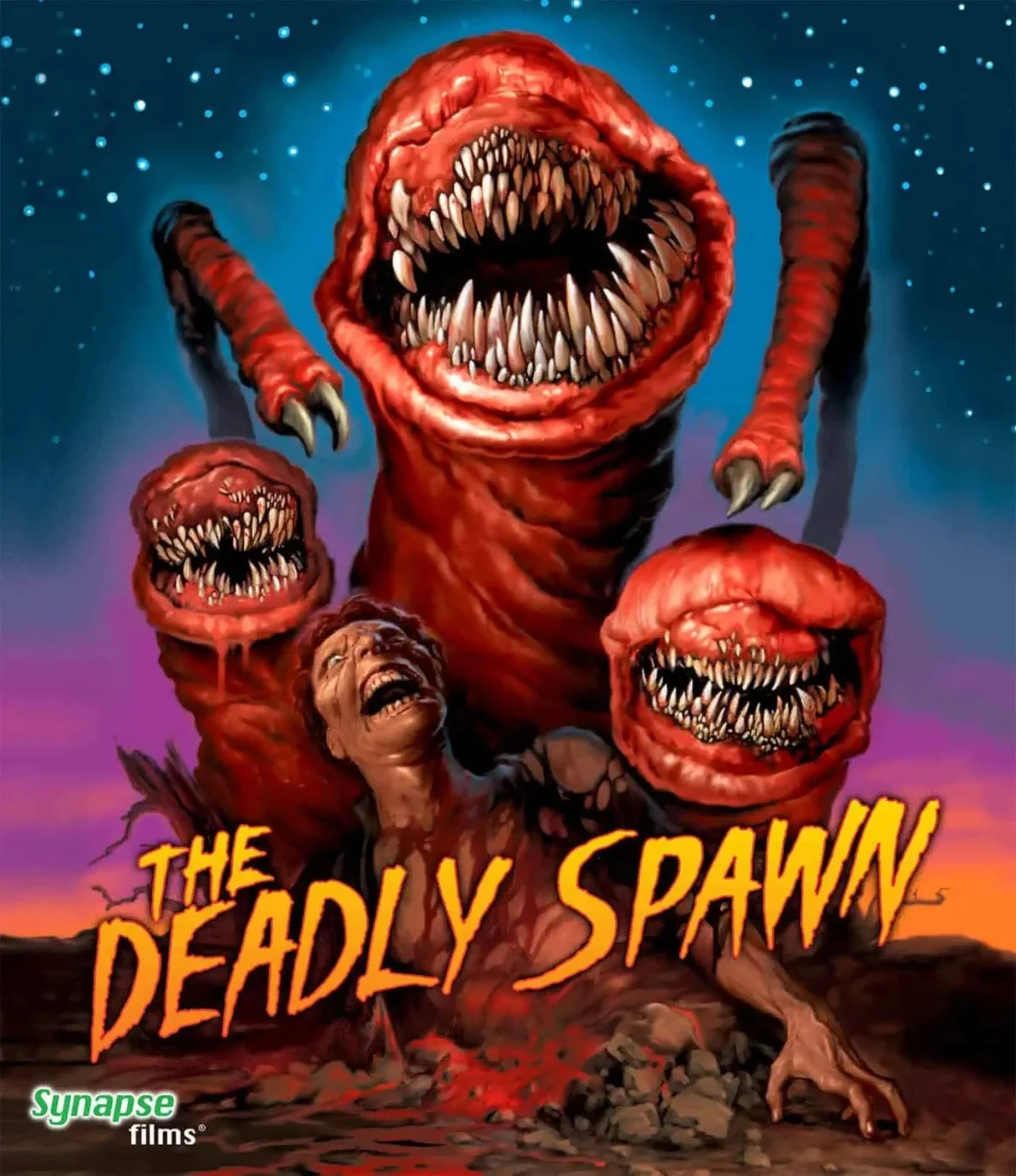
For fans of practical effects and independent genre filmmaking, November 10, 2026, marks a significant milestone. The cult classic The Deadly Spawn is set to receive a comprehensive 4K UHD release, complete with a region-free Blu-ray standard edition. This release is not merely a digital transfer but a total reconstruction of the film’s visual fidelity.
A Masterclass in Practical Horror
Originally released in the early 1980s, The Deadly Spawn earned its reputation as a staple of the "basement horror" subgenre. The narrative centers on a meteorite crash that introduces fanged, worm-like extraterrestrial creatures to Earth. These parasites quickly establish a foothold in the basement of an isolated suburban home, turning the local neighborhood into an unwitting "intergalactic monster buffet."
The film is most celebrated for its creature designs by John Dods, whose work on Spookies, Black Roses, and the Monsters television series remains iconic in the horror community. The 4K restoration, sourced directly from the original 16mm camera negative, promises to highlight the intricate detail of these practical creations, allowing viewers to see the visceral textures that defined the era’s low-budget aesthetic.
Supplementary Material and Restoration
Beyond the film itself, the upcoming release is packed with hours of supplementary material. Producers have compiled extensive archives from the personal collections of the original cast and crew, offering a deep dive into the production challenges of 1980s independent filmmaking. By upgrading the source material to 4K, the studio aims to provide the definitive home video experience, ensuring that this piece of horror history remains accessible to modern collectors with high-end home theater setups.
II. Access:Horror Film Festival: Redefining Inclusivity in Genre Cinema
While The Deadly Spawn looks back at the history of the genre, the Access:Horror Film Festival is actively shaping its future. Following a successful in-person kickoff at the Alamo Drafthouse Winchester on September 25, 2026, the festival has launched its global virtual program, which runs through November 1, 2026.
A Mission of Advocacy
Access:Horror was founded by filmmaker and activist Ariel Baska with a singular, vital goal: to center disability advocacy through the lens of genre cinema. The festival serves as a space to explore the intersection of identity and media representation, celebrating creators who have historically been sidelined.
As noted by Forbes, the festival has quickly become one of the most accessible in the nation. This year’s programming is characterized by a commitment to total accessibility; every official selection is presented with open captions and audio description, ensuring that the experience is inclusive for deaf, hard-of-hearing, and blind or low-vision audiences.
The 2026 Slate: Dark Themes, Real-World Stakes
The thematic scope of the 2026 program is ambitious. Caris O’Malley, the festival’s co-producer, emphasized that the lineup is "scarier than ever," focusing on films that explore medical racism, neurodivergence, disability, depression, and the systemic challenges faced by the LGBTQ+ community.
"For disabled people, this is already a horror movie," Baska explained during the festival’s launch. "The government is unleashing daily violence on the disability community through Medicaid cuts, institutionalization, and rollbacks to disability rights protections. Access:Horror is proud to share a lineup of validating, crucial, and cathartic terrors." By utilizing horror as a vessel for social critique, the festival positions the genre as an agent of change, encouraging audiences to confront uncomfortable truths about contemporary society.
III. One Eye Open: A Modern Supernatural Thriller
As October approaches, the theatrical market prepares for the release of One Eye Open, a supernatural home invasion thriller. Opening nationwide on October 16, 2026, the film is poised to capture the attention of audiences seeking a blend of psychological tension and spectral dread.
Plot and Production
The film follows a recent college graduate who takes a house-sitting gig at her ailing grandfather’s isolated mansion. What begins as a solitary job quickly descends into a high-stakes cat-and-mouse game when thieves break into the home. However, the intruders soon realize they are not alone; a supernatural entity, seemingly bound to the property, begins to protect the protagonist, turning the hunters into the hunted.
A High-Profile Cast
The film features a notable ensemble cast, bridging the gap between established television veterans and emerging talent:
- RJ Mitte: Best known for his role as Walt Jr. in Breaking Bad.
- Maximiliano Hernandez: Recognized for his work as Agent Jasper Stillwell in the Marvel Cinematic Universe (Avengers: Endgame).
- Chris Bylsma: Known for his performance as Pastor Garrett Moore in the series Godless.
- Kushi Beauchamp: Making her feature film debut in a leading role.
The film is scheduled for a theatrical run throughout the fall season, followed by an eventual transition to streaming platforms, providing a comprehensive rollout strategy typical of mid-budget horror releases in the current market.
IV. Chronology of Autumn 2026 Horror Events
To assist readers in tracking these releases and events, the following timeline outlines the major industry milestones for the remainder of the year:
- September 25, 2026: Access:Horror Film Festival opens in-person at Alamo Drafthouse Winchester.
- October 4, 2026: Global virtual launch of the Access:Horror Film Festival.
- October 16, 2026: Nationwide theatrical release of the supernatural thriller One Eye Open.
- November 1, 2026: Conclusion of the Access:Horror Film Festival virtual program.
- November 10, 2026: Official release date for The Deadly Spawn 4K UHD and Blu-ray standard editions.
V. Implications for the Horror Industry
The convergence of these three developments—restoration, advocacy, and theatrical innovation—reveals a healthy, evolving ecosystem within the horror genre.
The Value of Legacy
The 4K restoration of The Deadly Spawn signifies the ongoing importance of physical media. By meticulously restoring low-budget cult classics, distributors are preserving the tactile history of special effects. This process not only satisfies the nostalgia of long-time fans but also introduces a new generation to the "hands-on" artistry of pre-CGI horror.
The Power of Representation
The Access:Horror Film Festival demonstrates that genre cinema can be both a source of entertainment and a platform for rigorous social discourse. By prioritizing accessibility, the festival challenges the industry standard, proving that horror audiences are eager for stories that reflect diverse experiences. The success of the festival suggests that inclusivity is not just an ethical imperative but a commercial strength, as it taps into underserved demographics who have long looked to horror for validation.
The Resilience of the Theatrical Model
Finally, the release of One Eye Open confirms that there remains a robust appetite for theatrical horror during the autumn months. Despite the ubiquity of streaming, the "spooky season" continues to drive audiences to cinemas for the communal experience of fear.
In conclusion, the late-2026 horror landscape is one of vibrant activity. Whether through the preservation of classic basement-grown nightmares, the elevation of marginalized voices in film, or the delivery of high-tension supernatural thrills, the genre continues to prove its adaptability and its central role in modern cultural discourse. As these titles roll out, the message to the audience is clear: the most effective horror is that which forces us to look closer—whether at the creatures in our basements, the systemic flaws in our society, or the ghosts in our own homes.
