
The Horror Evolves: Mike Flanagan Brings Stephen King’s ‘Carrie’ into the Digital Age for Prime Video
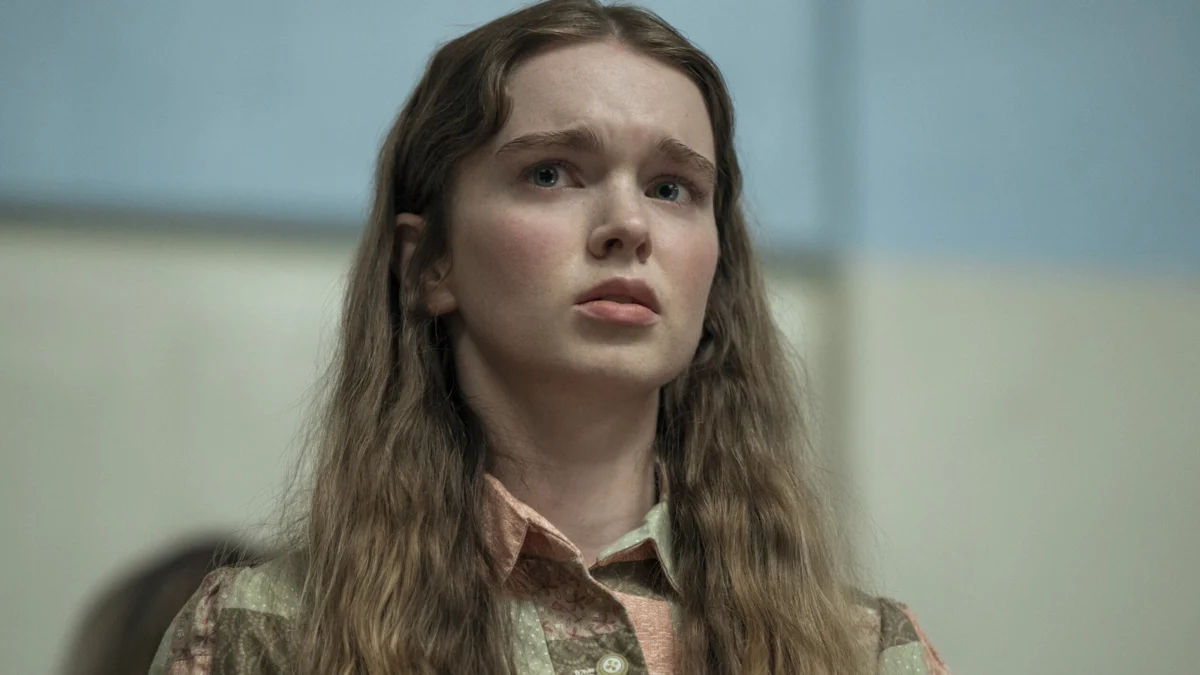
Main Facts: A New Vision for a Classic Horror Icon
Horror master Mike Flanagan is ready to unleash a fresh nightmare upon streaming audiences. On Wednesday, October 7, Prime Video will debut Flanagan’s highly anticipated eight-episode television adaptation of Stephen King’s seminal 1974 novel, Carrie. Dropping its entire season as a binge-watch event, this modern iteration shifts the narrative lens away from a simple supernatural revenge story, instead zeroing in on the harrowing realities of modern youth culture, institutional violence, and the omnipresent cruelty of social media.
Led by a talented cast featuring Summer H. Howell as the telekinetic title character and Samantha Sloyan as her deeply religious, psychologically complex mother Margaret—alongside supporting turns from Alison Thornton as Chris Hargensen and Siena Agudong as Sue Snell—Flanagan’s series represents the first time King’s foundational text has been adapted for television.
Despite a rich cinematic history—most notably Brian De Palma’s iconic 1976 feature starring Sissy Spacek, followed by a 1999 sequel, a 2002 television film, and a 2013 theatrical remake starring Chloë Grace Moretz—Flanagan saw fertile ground for a contemporary reimagining. By leaning heavily into modern anxieties, active shooter drills, and digital harassment, the writer-director has engineered a reinvention that has even earned the blessing of Stephen King himself.
Chronology of Adaptation: From Page to Screen and Beyond
To understand the magnitude of Flanagan’s new series, it is vital to trace the lineage of Carrie across media over the last half-century.
1974–1976: The Genesis and De Palma’s Masterpiece
Stephen King published Carrie as his debut novel in 1974, drawing inspiration from two outcasts he knew in high school. Just two years later, director Brian De Palma adapted the book into a cinematic phenomenon. Sissy Spacek earned an Academy Award nomination for her haunting portrayal of the bullied, telekinetic teenager, cementing the blood-soaked prom scene as one of the most indelible images in cinematic history.
1999–2013: Sequels, TV Movies, and Remakes
As the decades progressed, the cultural footprint of Carrie only expanded. In 1999, United Artists released The Rage: Carrie 2, a loose sequel focusing on another telekinetic teen dealing with high school trauma. A television movie adaptation followed in 2002, attempting to stay closer to King’s original text with Angela Bettis in the lead role. In 2013, director Kimberly Peirce helmed a theatrical remake starring Chloë Grace Moretz and Julianne Moore, updating the setting to the era of early smartphones and viral YouTube videos.
2026: The Flanagan Era on Prime Video
Now, in October 2026, the property enters the prestige television era. Mike Flanagan—known for his acclaimed horror television adaptations like The Haunting of Hill House, The Haunting of Bly Manor, and The Fall of the House of Usher—brings his signature emotional depth and structural deconstruction to Prime Video. Development on the series began quietly, leading to an aggressive production schedule that culminated in an October 2026 release date, promising a deep, multi-episode exploration of the universe King originally mapped out.
Supporting Data and Production Insights: Rebuilding Familiar Pieces
Transitioning a single-volume novel into an eight-episode television arc required significant structural changes. Flanagan, a self-confessed master of literary horror adaptation, approached the project with initial hesitation before finding a unique thematic angle.
"My first reaction was I think everybody’s, which is: Why do ‘Carrie’?" Flanagan explained in an exclusive interview with TVLine. However, personal perspective shifted his creative outlook. As his eldest son prepared to enter high school, Flanagan began reflecting on how drastically adolescent environments had mutated since his own youth in the 1990s.
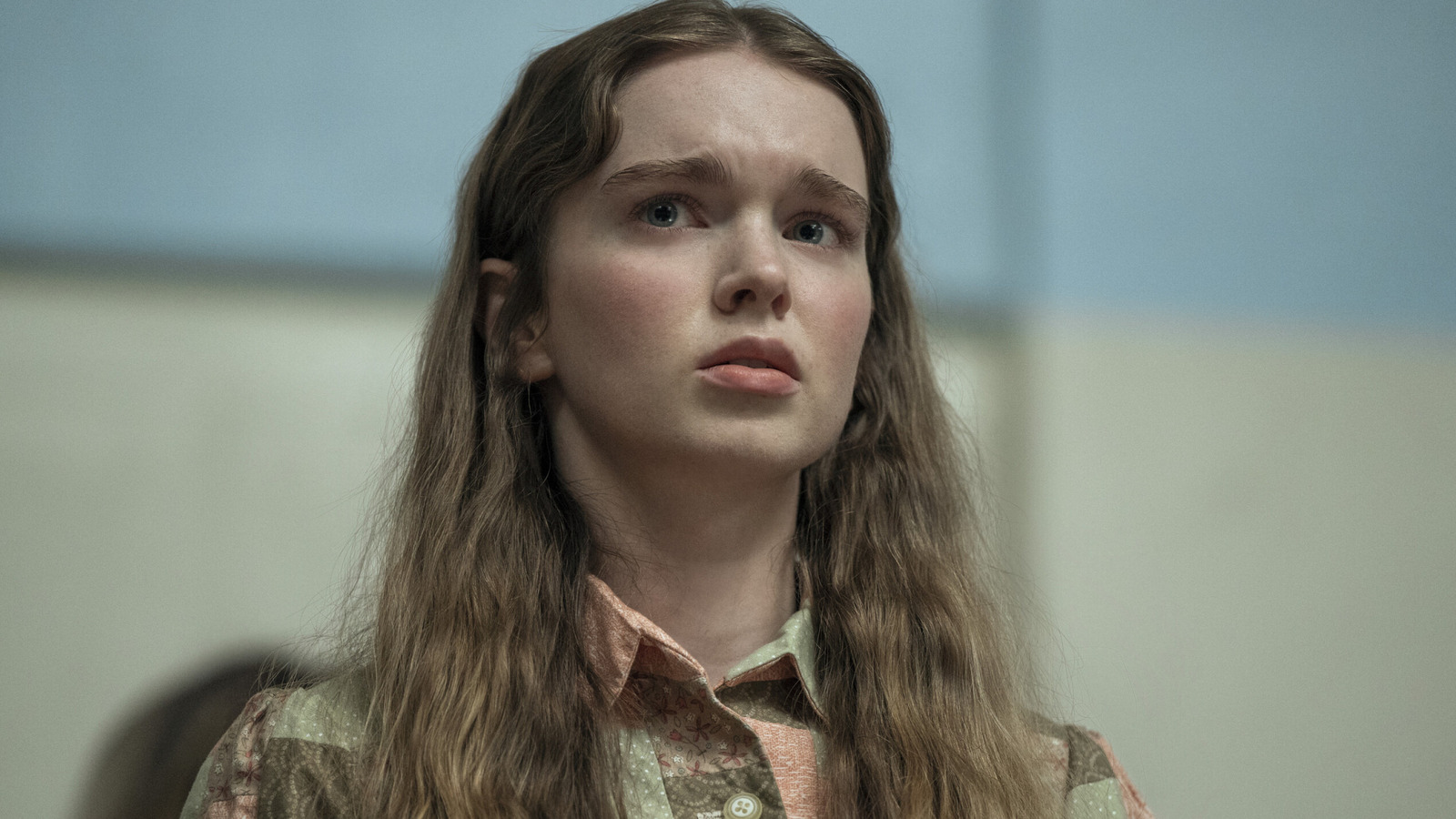
"As I started thinking more about high school violence and active shooter drills, and social media and how normalized cruelty is, it suddenly started to look like this was a chance to do the kind of adaptation I got to do with Hill House, Bly, and Usher—take something apart, and build something new out of familiar pieces—and that became really exciting."
Key Narrative Shifts in the 2026 Series
- Expanded Family Dynamics: Unlike previous adaptations where Carrie’s father is entirely absent, the Prime Video series introduces a dynamic where Carrie’s father is initially part of the picture, keeping Carrie and her mother hidden from the world for the early part of her life.
- Humanizing Margaret White: While religious fanaticism remains a core pillar, Samantha Sloyan’s portrayal of Margaret positions her not merely as a monstrous zealot, but as a victim of a profoundly peculiar and abusive family dynamic.
- Depth for Bullies and Allies: Alison Thornton steps into the shoes of classic antagonist Chris Hargensen, receiving significantly more psychological depth and humanity than her cinematic predecessors. Meanwhile, Siena Agudong plays Sue Snell, capturing the agonizing guilt of bystander apathy before transforming into Carrie’s defender.
- The Digital Panopticon: The inclusion of modern social media as an active antagonist amplifies the psychological torment Carrie faces, turning high school hallways into a 24-hour theater of humiliation.
Official Responses and Creative Validation
Bringing a sacred cow of horror literature to the screen always invites intense scrutiny from fans and purists alike. Fortunately, Flanagan secured the ultimate stamp of approval early in the development process.
According to the showrunner, the legendary author himself was immediately receptive to the radical conceptual changes proposed for the Prime Video iteration.
"Stephen King was really into the idea after he saw what we were looking at," Flanagan noted, expressing palpable relief and excitement. "And I’m really glad because it turned out to be one of my favorite projects."
This collaborative enthusiasm aligns with Flanagan’s established track record of handling legacy intellectual property with reverence while injecting auteur-driven psychological density. Studio executives at Prime Video have similarly championed the project, betting heavily on the cross-generational appeal of a high-end horror series dropping right at the start of the spooky season.
Implications: Why Carrie Matters More Than Ever in 2026
The decision to adapt Carrie for the modern era is far more than a routine exercise in nostalgic intellectual property mining; it is a vital cultural diagnostic tool. By projecting the timeless themes of alienation, religious trauma, and adolescent rage onto a contemporary canvas, Flanagan’s series addresses the dark underbelly of modern connectivity.
In 1974, Stephen King wrote about a girl pushed to the absolute brink by physical isolation and localized bullying. In 2026, isolation looks entirely different. Today’s teenagers live in a hyper-connected panopticon where digital shaming is instantaneous, permanent, and global. By framing Carrie White’s trauma through the lens of modern social media and institutionalized fear—such as active shooter drills—Flanagan transforms a supernatural cautionary tale into an uncomfortably close mirror of contemporary adolescence.
Furthermore, the series signals a major shift in how horror television is consumed. By dropping all eight episodes simultaneously on Prime Video, the platform invites viewers to binge an intense, serialized psychological drama rather than a superficial monster-of-the-week or a rushed two-hour movie.
As audiences tune in to watch Summer H. Howell step into the blood-drenched dress, they are not just revisiting a classic piece of pop culture history. They are confronting a mirror of modern societal failures—proving that fifty years after her creation, Carrie White’s terrifying cry for help remains as urgent and devastating as ever.
