
Beyond the Dystopian Horizon: Brad Bird’s Vision for a Beautiful Future in Ray Gunn
For decades, the cinematic landscape of science fiction has been dominated by the same grim, monochromatic palette. From the acid-rain-drenched streets of Blade Runner to the scorched, post-apocalyptic wastes of Mad Max and the crumbling, authoritarian steel of The Hunger Games, the genre has become synonymous with the end of things. We have been conditioned to believe that if humanity manages to survive into the future, it will do so in a state of decay, moral bankruptcy, and environmental collapse.
Brad Bird, the visionary director behind The Incredibles and The Iron Giant, is ready to break that cycle. With his long-gestating passion project, Ray Gunn, Bird is attempting to steer the sci-fi genre away from the "dystopian default" and into a realm that is as visually stunning as it is morally complex. By reviving the optimism of early 20th-century futurism and marrying it to the grit of hardboiled noir, Bird is crafting a future that we might actually want to inhabit—even if the people living there are just as flawed as ever.
The Aesthetic of Optimism: Looking at Tomorrow Through the Eyes of Yesterday
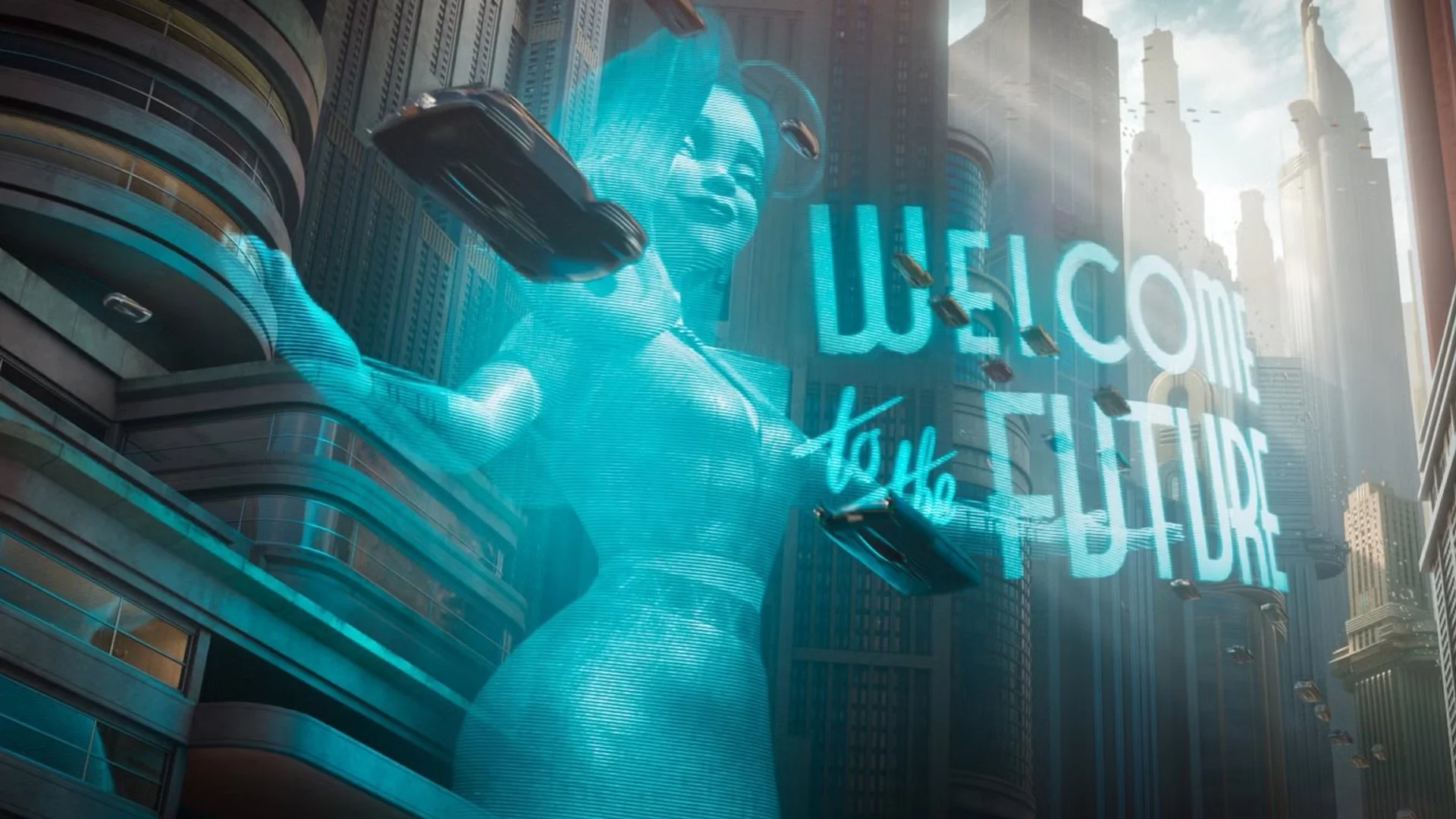
The visual identity of Ray Gunn is not a product of modern cynicism or contemporary architectural trends. Instead, it is a deliberate homage to the visionary thinkers of the 1920s, 30s, and 40s. During a recent screening in Los Angeles, Bird articulated his desire to capture a sense of "techno-optimism," an era when humanity genuinely believed that design could solve the problems of the world.
To build the city of "Metropia," Bird turned to the giants of industrial design and architecture: Hugh Ferriss, the master of dramatic, monumental skyscrapers; Norman Bel Geddes, the theatrical designer whose vision of the future was as vast as it was sleek; and Raymond Loewy, the father of industrial design who brought streamlined elegance to everything from locomotives to refrigerators.
"They were our influences," Bird noted during the post-screening Q&A. "There’s Hugh Ferriss, who did these enormous buildings that were several blocks long and really tall. There were industrial designers like Norman Bel Geddes and Raymond Loewy, who did magnificent designs that made you want to use those things and be in those places. We kind of filled it in from there. You’re looking at the future through the eyes of the past, and there’s a certain charm to that."
By drawing on these mid-century visions, Ray Gunn avoids the "broken-down-tech" aesthetic that permeates modern sci-fi. Instead, it offers a world of soaring spires, sleek transportation, and an architectural coherence that suggests a civilization that has mastered its environment. It is a future defined by ambition rather than survival.
A Subversive Utopia: The Human Element in a Perfect City
The most radical aspect of Bird’s vision is not the beauty of the city itself, but the deliberate contrast between that beauty and the nature of the people within it. In the traditional dystopian narrative, the environment reflects the corruption of the society. In Ray Gunn, the environment is nearly flawless, yet the inhabitants remain stubbornly, predictably human.
"I didn’t want to do a dystopia—we’ve seen that to death," Bird explained. "That seems to be the only way people visualize the future these days. And that’s fine. A lot of my favorite movies are dystopias. But I didn’t want to do that. I wanted to do a utopia and still show that people are corrupt and double-dealing, and all of the problems are there, just in nicer surroundings."
This "juxtaposition" serves as a poignant social commentary. It forces the audience to consider whether the misery of our current science fiction is a result of our environment or a fundamental flaw in the human condition. By placing noir archetypes—the jaded detective, the mysterious femme fatale, the shadow-dwelling informants—into a gleaming, utopian metropolis, Bird highlights the irony of human nature. We can engineer the perfect city, but we cannot engineer away our capacity for greed, deceit, and self-sabotage.
The Chronology of a Passion Project
The journey of Ray Gunn to the screen has been as complex as its world-building. Long before it became the talk of the industry, Ray Gunn existed as a concept in the mind of Brad Bird, reflecting his long-standing fascination with the intersection of retro-aesthetics and forward-looking storytelling.
- The Early Conceptualization: Bird began developing the project years ago, fueled by his love for the hardboiled noir genre and his desire to explore the aesthetic of 1930s futurism.
- Refining the Vision: Throughout the development process, the core team moved away from the common "cyberpunk" tropes, focusing instead on the "streamline moderne" movement that defined the mid-20th century.
- The Development of Metropia: The creation of the film’s central city became the project’s cornerstone, requiring extensive research into the historical archives of architects like Ferriss and designers like Loewy.
- The Los Angeles Screening: The recent exhibition of the film’s work-in-progress and the subsequent Q&A marked a pivotal moment for the film, signaling to the public that Bird’s vision was moving from concept to reality.
The Implications of a "Nice" Future
The implications of Ray Gunn for the science fiction genre are significant. For years, the industry has relied on the dystopian shorthand to convey tension and conflict. By stripping away the "rain-soaked hellscape," Bird is challenging filmmakers to find conflict in places where the lights are on and the streets are clean.
If Ray Gunn succeeds, it could usher in a new era of "Solarpunk" or "Utopian Noir," where the setting serves as a contrast to the story rather than a reflection of it. This shift in narrative framing suggests that future stories can be just as dark and suspenseful as those set in the ruins of civilization, provided the characters remain anchored in the messy reality of human motivation.
Furthermore, by referencing the futurism of the 1920s and 30s, Bird is inviting audiences to reconnect with a sense of wonder. The design language of the film—curved lines, polished metals, and expansive, optimistic scale—serves as a reminder that the future was once viewed as a place of infinite possibility.
Official Responses and Industry Reception
While the full film has yet to be released, the reaction to the footage shown in Los Angeles has been overwhelmingly positive. Industry insiders and fans alike have praised the visual departure from current trends. Critics have noted that Bird’s ability to "flip the formula" is exactly what the genre needs to stave off the stagnation of the dystopian trope.
"It’s refreshing," wrote one industry observer following the screening. "To see a detective story where the backdrop isn’t a pile of rubble creates a unique tension. You’re waiting for the cracks to show in a world that looks like it should be paradise, which makes the inevitable corruption feel all the more jarring."
Brad Bird remains characteristically humble about the project’s potential impact. For him, the goal is not to redefine the genre but to tell a story in a way that feels fresh to him personally. "I think it would be funny to juxtapose those two [the utopia and the human corruption] and kind of comment on it in a weird way," he stated.
Conclusion: A City Worth Visiting
As the production of Ray Gunn continues, it stands as a beacon for those who are tired of the constant, bleak warnings of science fiction. The film promises a world where humanity has solved its engineering problems but still struggles with its moral ones. It is a cautionary tale, perhaps, but one told with style, elegance, and a sense of wonder.
Brad Bird is inviting us to look at the future not as a place of finality, but as a place of continued, albeit complicated, existence. In the city of Metropia, the architecture may be from the past, the technology may be a dream, and the surroundings may be pristine—but the mystery, the intrigue, and the human heart remain the same.
When Ray Gunn eventually makes its way to the big screen, audiences should prepare for a cinematic experience that challenges their expectations of what the future looks like. Just be sure to watch your back—because even in a perfect city, there’s no telling who is watching, or what they might be planning.
