
Dark Slope Expands Virtual Production Dominance Through Strategic Acquisition of Pixomondo Assets
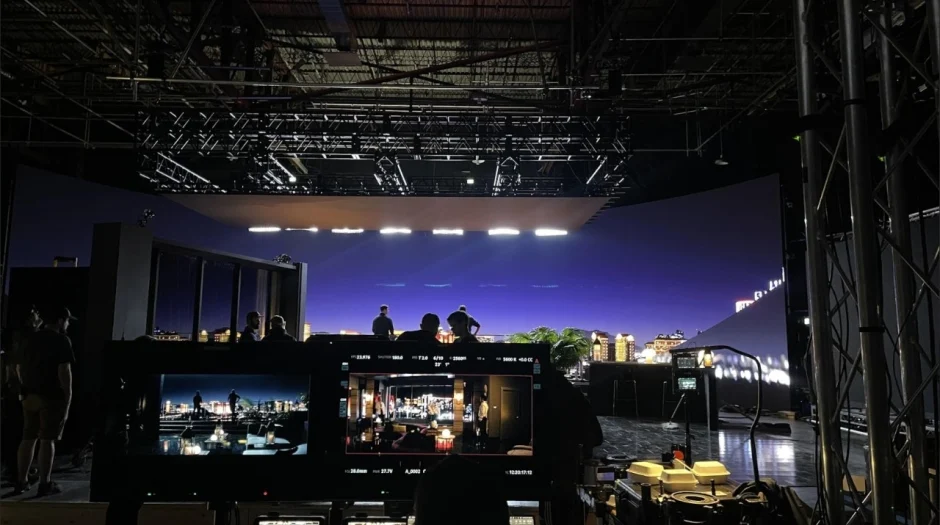
In a significant consolidation move within the Canadian film and television industry, Toronto-based animation and virtual production powerhouse Dark Slope has announced the acquisition of high-end virtual production assets formerly operated by Pixomondo. The deal, finalized last Tuesday, includes the sophisticated LED volume technology previously utilized for major franchise productions, including several Star Trek series.
This acquisition marks a pivotal turning point for Dark Slope, allowing the studio to scale its operations significantly just six months after Sony Pictures Entertainment initiated a wind-down of Pixomondo’s virtual production division. As production budgets tighten and the demand for cinematic efficiency grows, Dark Slope is positioning itself as the premier destination for filmmakers seeking to bridge the gap between high-end visual effects and practical, cost-effective production workflows.
Chronology: The Rise, The Pivot, and The Resurgence
To understand the weight of this acquisition, one must look at the turbulent recent history of Pixomondo and the steady, strategic climb of Dark Slope.
The Pixomondo Wind-Down
In March 2024, Sony Pictures Entertainment—which had acquired the Oscar- and Emmy-winning VFX and virtual production firm Pixomondo in 2022—announced a major strategic shift. Sony revealed that it would shutter Pixomondo’s virtual production wing once existing contracts were fulfilled, transitioning the company’s remaining VFX expertise into Sony Pictures Imageworks.
The move was a major blow to the industry, as it affected approximately 500 personnel and signaled a contraction in the specialized virtual production market. At the time of its 2020 peak, Pixomondo’s Toronto facility had been touted as the "largest in the world," a testament to the immense capital investment required to sustain top-tier LED volume infrastructure.
Dark Slope’s Strategic Acquisition
Dark Slope, meanwhile, has been quietly cementing its reputation in the industry. Known for its work on high-profile projects like Amazon’s The Boys and Gen V, as well as the HBO Max/Crave hit Heated Rivalry, the studio has demonstrated a unique ability to adapt to the technical rigors of modern streaming production.
By acquiring the hardware—specifically the LED stages that brought the corridors of the USS Discovery and the bridges of Strange New Worlds to life—Dark Slope has effectively inherited a "plug-and-play" capability that would take years to develop from scratch. The deal also includes select assets from Pixomondo’s Vancouver operation, setting the stage for Dark Slope’s imminent expansion into the British Columbia market.

Supporting Data: The Mechanics of Modern Virtual Production
At the heart of this deal lies the technology of the "LED Volume." This revolutionary production method involves surrounding actors with massive, high-resolution LED panels that display computer-generated environments in real time.
Why the Technology Matters
The primary advantage of this technology, often referred to as "In-Camera VFX," is the ability to capture final-pixel results on set. Instead of relying entirely on green screens and subsequent post-production compositing, filmmakers can see the background interact with the lighting on the actors’ faces and the physical environment in real time. This leads to:
- Reduced Post-Production Cycles: Shots are finalized during the principal photography stage.
- Enhanced Performance: Actors can react to the environment around them rather than a blank screen.
- Logistical Efficiency: Productions no longer need to travel to exotic locations for every scene, significantly reducing carbon footprints and travel-related overhead.
Dark Slope’s current 75,000-square-foot Toronto campus will now serve as the hub for this massive influx of hardware. The studio has stated that it can now deploy custom LED volumes of virtually any scale, either within its permanent stages or directly onto external filming locations.
Official Perspectives and Industry Implications
The leadership at both firms views this transition as a natural evolution of the industry’s infrastructure.
The Vision of Dark Slope
Dan Fill, President of Dark Slope, emphasized that this acquisition is a direct answer to the current economic pressures facing showrunners and producers. "Productions are under enormous pressure to deliver bigger, more cinematic worlds while being smarter about managing ever-evolving budgets and production schedules," Fill stated.
"Dark Slope has always been focused on solving that problem: Giving filmmakers an elevated look without an elevated price tag. This acquisition takes us a step further. We can now build a custom LED volume to virtually any scale and bring it to the production, rather than forcing the production to fit the stage."
The Legacy of Pixomondo
Christopher Cox, who leads virtual production globally at Pixomondo and heads its PXO Clara division, provided a ringing endorsement of the deal. "These are industry-leading virtual production assets built to support productions at the highest level, and Dark Slope has the team and expertise to maximize what they can do," Cox noted. "As Canada continues to attract ambitious film and television projects, Dark Slope is well positioned to put this technology to work for the next generation of productions shooting here."

Market Implications: What’s Next for Dark Slope?
The ripple effects of this deal are already being felt across the North American production landscape.
1. The Vancouver Expansion
Perhaps the most significant long-term consequence of the deal is Dark Slope’s announcement that it intends to open a new studio in Vancouver in the coming weeks. Vancouver remains one of the world’s busiest production hubs, and by establishing a physical presence there, Dark Slope is positioning itself to compete directly with global VFX conglomerates for major studio contracts.
2. Diversification of Clientele
While Dark Slope has built a name for itself in the high-end scripted television space, the studio is now looking toward new horizons. According to company reports, there is a marked increase in demand from unscripted productions—specifically game shows and competition formats—that are looking to leverage LED volumes to create immersive, futuristic studio environments. This move could see Dark Slope moving away from its reliance on traditional drama series and into the higher-volume, faster-turnaround world of unscripted entertainment.
3. The Shift to "Portable" Virtual Production
Historically, LED volumes were static, massive structures requiring a permanent, purpose-built facility. Dark Slope’s move to "bring the volume to the production" represents a shift toward a more modular, flexible model. By allowing productions to rent out specific configurations rather than entire soundstages, Dark Slope is democratizing the tech, making it accessible to mid-budget productions that previously found virtual production cost-prohibitive.
Conclusion: A New Chapter for Canadian VFX
The acquisition of Pixomondo’s virtual production assets by Dark Slope is more than a simple equipment hand-off. It is a strategic consolidation that reflects the maturing of the virtual production market. As the industry moves past the "hype phase" and into a period of sustainable, efficiency-focused growth, companies like Dark Slope are demonstrating that technical prowess is only half the battle. The other half is logistics, flexibility, and the ability to scale to meet the fluctuating demands of the global content machine.
For filmmakers, the outcome is positive: the technology used to craft the immersive worlds of Star Trek is now in the hands of a studio dedicated to modular, cost-effective, and highly mobile applications. As Dark Slope prepares to launch its Vancouver facility, the Canadian production sector is proving once again that it remains a global leader in the technical and creative evolution of the moving image.
