
Return of the Matrix: How the 1986 Animated ‘Transformers’ Stunned the Box Office Four Decades Later
Main Facts
Four decades after it first traumatized a generation of unsuspecting children in movie theaters, director Nelson Shin’s 1986 animated classic The Transformers: The Movie has made a triumphant return to the big screen. To commemorate its milestone 40th anniversary, Hasbro partnered with Fathom Events for a special limited theatrical engagement, tongue-in-cheekily dubbed "The Apology Tour."
Despite facing stiff contemporary competition—including Zach Cregger’s horror hit Resident Evil, which dominated the weekend box office with a $60 million debut—the retro animated feature pulled in an impressive $3.1 million. This performance secured the film a respectable seventh place on the domestic box office charts.
For a weekend special playing in select theaters, the numbers are nothing short of remarkable. To put it into perspective, The Transformers: The Movie grossed less than $6 million during its entire original theatrical run back in the summer of 1986. Four decades later, the film has proven that its nostalgic pulling power, coupled with a fiercely loyal core fandom, remains potent enough to turn a limited anniversary screening into a mainstream box office success.
Chronology of a Cult Classic: From 1986 Trauma to 2026 Triumph
To understand the cultural significance of this box office resurgence, one must look back at the chaotic trajectory of the Transformers cinematic universe over the last forty years.
1986: The Original Theatrical Release and Mass Trauma
When The Transformers: The Movie debuted on August 8, 1986, it was intended to serve as a bridge between the second and third seasons of the massively popular Saturday morning cartoon, effectively clearing the toy aisles of older merchandise to make room for a new line of futuristic action figures.
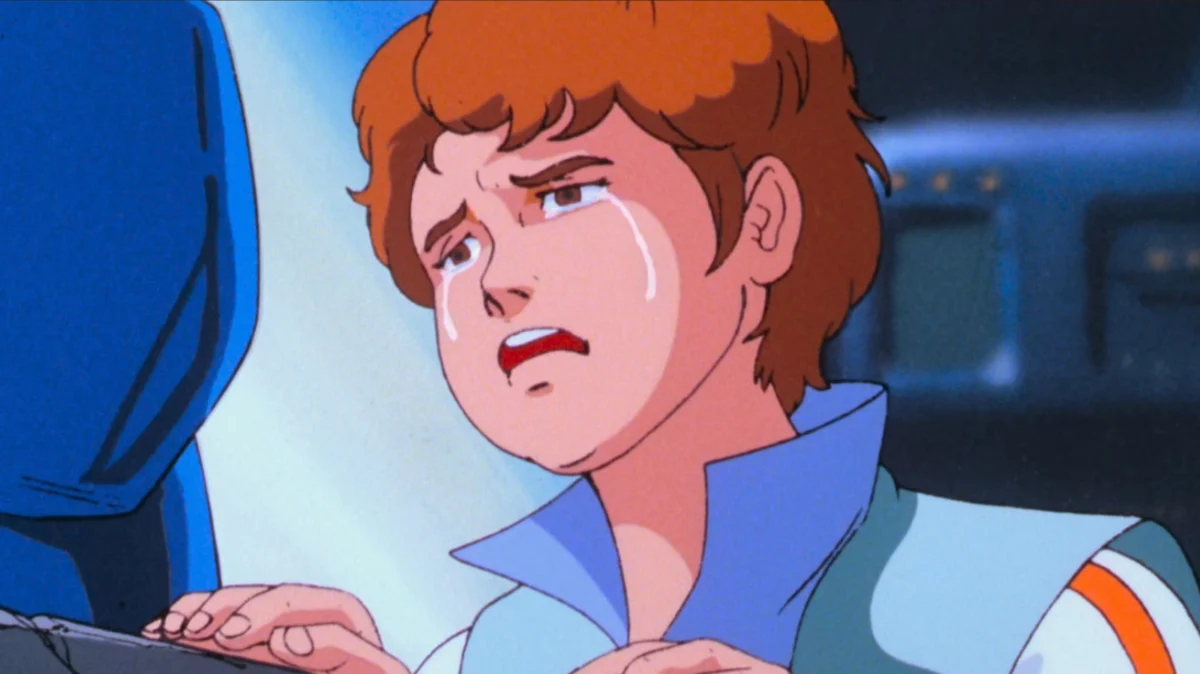
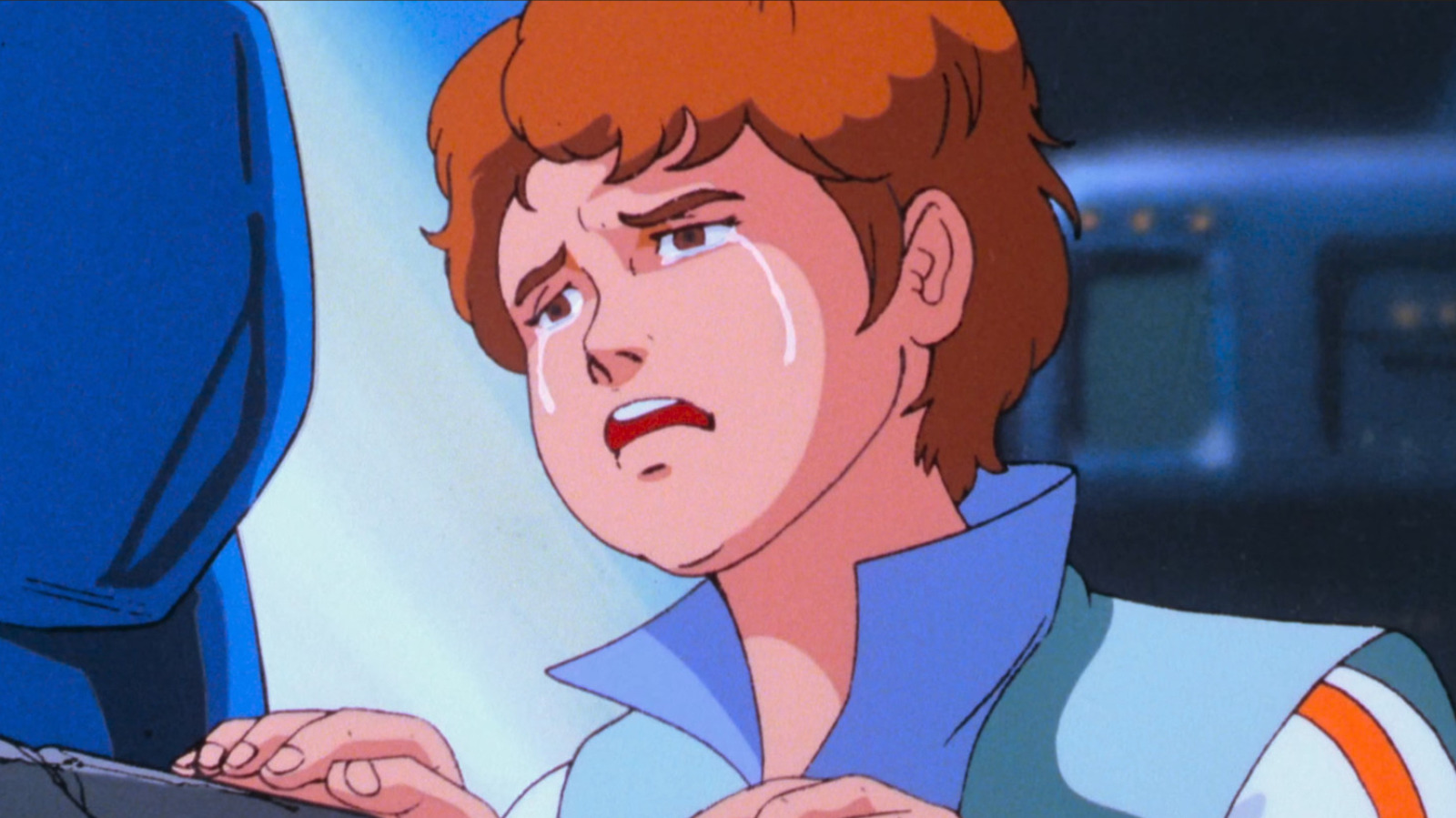
However, the studio and toy executives severely underestimated the emotional attachment young viewers had to the characters. The film opened with a devastating planetary assault by the planet-consuming monolith Unicron and the Decepticons, leading to the rapid, brutal demises of several fan-favorite Autobots. Most shocking of all was the cinematic execution of Optimus Prime, the noble leader of the Autobots.
Raised on television standards where heroes rarely stayed dead—let alone perished so graphically—children across the world wept in movie theaters. The tone of the film was dark, heavy metal-infused, and unapologetically violent. While it alienated mainstream critics at the time, it planted the seeds of a legendary cult following.
The Aftermath and Fan Backlash
The body count in The Transformers: The Movie caught not only the audience off guard, but even the voice cast. The unprecedented carnage created an immediate PR crisis for Hasbro. Due to massive public outcry and heartbroken children demanding the return of their leader, the franchise was forced to pivot. In the third season of the television show, Optimus Prime was eventually resurrected—a creative decision that, while appeasing young fans, underscored just how heavily the character’s cinematic death had impacted pop culture.
2007–2024: The Live-Action Era and Recent Struggles
Decades later, filmmaker Michael Bay reinvented the franchise as a CGI-heavy, live-action juggernaut for Paramount Pictures, turning Transformers into a multi-billion-dollar global brand. Yet, in recent years, the live-action franchise has encountered significant turbulence.
The 2023 installment Rise of the Beasts became the lowest-grossing live-action film in the series’ history. A year later, the critically acclaimed animated prequel Transformers One underperformed at the box office despite widespread praise from critics and audiences alike. With Paramount searching for a definitive creative direction for the property, the theatrical success of the 1986 classic arrives as a timely reminder of where the franchise’s true emotional heartbeat lies.
Supporting Data and Financial Breakdown
The financial and cultural metrics surrounding the 40th-anniversary re-release highlight a fascinating juxtaposition between modern viewing habits and vintage nostalgia:
- Box Office Rank: 7th place overall for the weekend.
- Weekend Gross: $3.1 million domestically.
- Original 1986 Gross: Approximately $5.8 million to $6 million total lifetime domestic gross during its initial run.
- Comparison Point: While eclipsed by modern blockbusters like Zach Cregger’s Resident Evil ($60 million debut), the per-screen average for The Transformers: The Movie demonstrated extraordinary turnout given its limited-engagement format across select Fathom Event partner theaters.
- Franchise Context: The $3.1 million weekend haul nearly matches half of the total box office earnings the film achieved across an entire summer run forty years prior, proving that inflation and historical appreciation have been exceedingly kind to Nelson Shin’s creation.
Official Responses and Industry Insights
Industry analysts and franchise historians have noted that Hasbro and Fathom Events executed a masterclass in eventized retro programming. By leaning directly into the generational trauma caused by Optimus Prime’s death—even playfully naming the celebratory screenings "The Apology Tour"—the marketing campaign successfully transformed a painful childhood memory into an irresistible badge of honor for millennial and Generation X fans.
Behind the scenes, the original production was notable for its stellar, albeit eclectic, ensemble voice cast. Featuring the talents of Peter Cullen (Optimus Prime), Frank Welker (Megatron, Soundwave), Leonard Nimoy (Galvatron), and Eric Idle (Wreck-Gar), the film also marked the final cinematic performance of the legendary Orson Welles, who voiced the terrifying planet-eater Unicron shortly before his passing.
While contemporary reviews in 1986 dismissed the film as a feature-length toy commercial, retrospective evaluation has been far kinder. Modern critics and fans alike celebrate the movie’s Vince DiCola synth-rock soundtrack, visionary hand-drawn animation, and uncompromised stakes—elements largely missing from sanitized modern corporate blockbusters.
Implications for the Future of the Franchise
The unexpected box office triumph of The Transformers: The Movie carries several vital implications for Hasbro, Paramount, and the entertainment industry at large:
1. Proof of an Enduring Core Fandom
The commercial success of "The Apology Tour" demonstrates that the foundational fanbase of the Transformers universe is not only active, but fiercely loyal. Even as live-action fatigue sets in among general audiences, older demographics are more than willing to return to physical cinemas for genuine nostalgia experiences backed by high-quality curation.
2. A Blueprint for Future Re-releases
As Hollywood continues to grapple with diminishing returns for mid-budget original films and increasingly predictable sequels, eventized theatrical screenings of classic 1980s and ’90s animation offer a lucrative alternative. Studios may look more closely at their vaults to give cult classics limited, high-profile theatrical windows.
3. Creative Direction for the Robots in Disguise
With the live-action film series searching for solid ground following Rise of the Beasts and the box-office underperformance of Transformers One, studio executives would be wise to study why the 1986 film still resonates. It proves that audiences respond to high stakes, emotional gravity, and distinct artistic risks—elements that modern franchise installments frequently dilute in favor of formulaic spectacle.
Whether or not Paramount and Hasbro can successfully steer the Transformers cinematic universe back to consistent blockbuster glory remains to be seen. However, one thing is certain: four decades later, the touch, the power, and the legacy of the 1986 animated classic are still more than meets the eye.
