
Review & Analysis: David Gordon Green’s Gritty Southern Drama ‘Joe’ Explores Masculinity and Morality
Main Facts
Director David Gordon Green’s bleak and brutal cinematic drama, Joe, presents a raw, unvarnished examination of modern Southern small-town masculinity, systemic poverty, and moral ambiguity. Adapted by screenwriter Gary Hawkins from the 1991 novel by the late Larry Brown, the film serves as another pivot for Green away from commercial comedies—such as Your Highness and The Sitter—and deeper into his indie roots, following his earlier well-received feature Prince Avalanche.

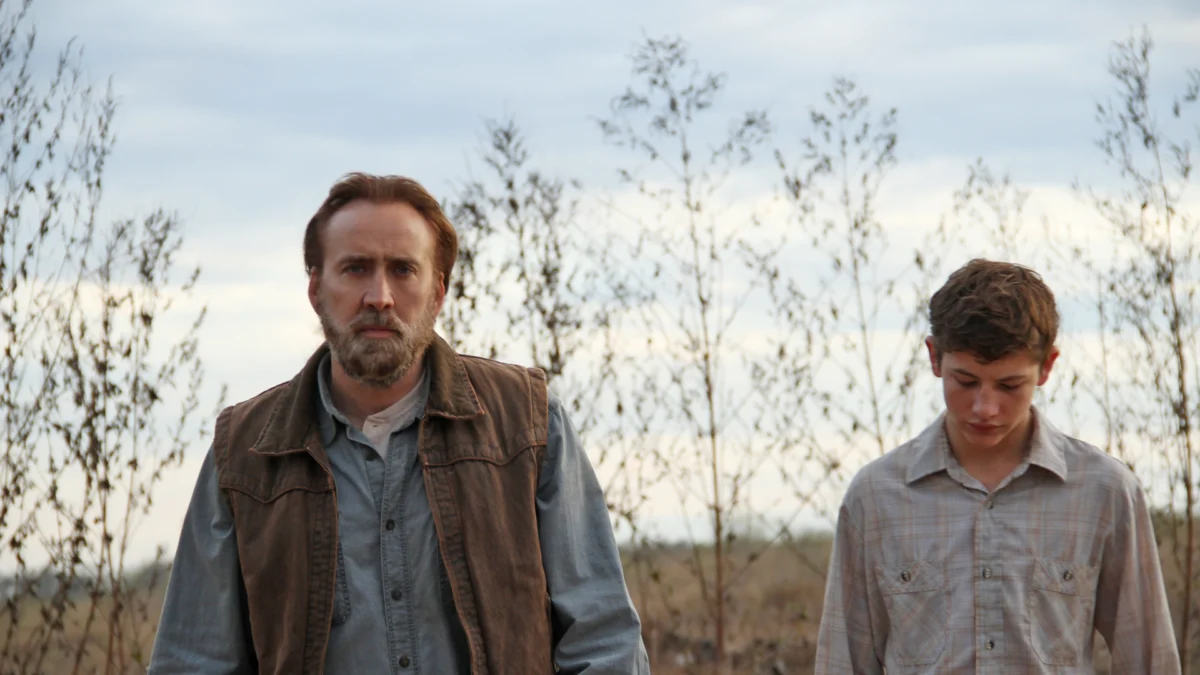
At the center of the narrative is Nicolas Cage, who delivers a tightly wound, compelling performance as Joe Ransom, an ex-con, labor crew boss, and complex pillar of a rough Texas community. Alongside Cage is young rising star Tye Sheridan, who plays Gary Jones, a diligent teenager seeking refuge from an abusive domestic life. The film also features standout performances from non-professional actors, most notably the late Gary Poulter, who delivers a chilling and unforgettable turn as Gary’s vicious, alcoholic father, Wade.

While Joe has drawn praise for its striking rural authenticity, striking cinematography by Tim Orr, and a powerhouse lead performance by Cage, it has also been critiqued for relying on familiar Southern-gothic tropes. The film juxtaposes moments of quiet, ethnographic observation of rural labor—such as tree-poisoning and venison preparation—with sudden, unsettling eruptions of graphic violence. Despite its pacing issues and occasional predictability, the film endeavors to achieve a mythic, almost biblical resonance through its primal setting and archetypal characters.

Chronology of Production and Release
The journey of Joe to the screen spans decades from its source material to its prominent film festival circuit premiere:

- 1991: Larry Brown publishes his critically acclaimed novel Joe, establishing a cult following for its visceral portrayal of working-class Southern grit and moral struggle.
- Pre-Production & Adaptation: Screenwriter Gary Hawkins adapts Brown’s novel, structuring a screenplay that captures the atmospheric essence of the book while updating its cinematic tension. David Gordon Green signs on to direct, signaling a deliberate return to the indie, character-driven dramas of his earlier career (such as Undertow and Snow Angels).
- Principal Photography: Filming takes place on location in Texas, utilizing local non-professional day laborers to fill out the supporting cast, lending the production an authentic documentary-style texture. Tragically, first-time actor Gary Poulter passes away in March of that year, missing the film’s completed release.
- Festival Circuit and Reception: Joe premieres to notable attention on the international film festival circuit, drawing polarized yet largely respectful reviews for its unflinching violence, atmospheric score by David Wingo and Jeff McIlwain, and Nicolas Cage’s career-reinvigorating performance.
Supporting Data and Production Details
To understand the texture and reception of Joe, one must examine the specific creative choices and casting decisions that shaped the project:

- Box Office and Market Positioning: Industry analysts note that while Nicolas Cage’s involvement represents the film’s most commercially viable asset, the movie’s slow-burn pacing, arthouse sensibility, and brutal violence make it a challenging sell for mainstream audiences ("average Joes").
- The Cast Dynamics:
- Nicolas Cage: Sports a grizzled beard, a slight paunch, and prominent tattoos, blending an unpredictable, volatile energy with an underlying moral decency.
- Tye Sheridan: Building on his impressive runs in The Tree of Life and Mud, Sheridan portrays a sensitive Southern youth, establishing a strong, heartwarming rapport with Cage during an upbeat bonding montage.
- Gary Poulter: A natural, non-professional actor whose raw, irredeemable hostility on screen leaves a haunting imprint, representing his only and final cinematic appearance.
- Visual and Auditory Design: Cinematographer Tim Orr utilizes floating, intimate camera movements that mimic an invisible observer. Meanwhile, the moody, metaphysical score by David Wingo and Jeff McIlwain sets an atmospheric tone from the opening frames, heavily leaning into themes of grace, menace, and biblical retribution.
Official Responses and Critical Reception
Critical reception for Joe has highlighted the tension between David Gordon Green’s artistic ambitions and the familiar narrative scaffolding of the Southern-gothic genre.

- Praise for Performances and Atmosphere: Reviewers have universally lauded Nicolas Cage’s grounded yet fierce performance, noting that it ranks among his best work in recent years. Critics have similarly praised the film’s commitment to regional authenticity. The inclusion of real day laborers and non-professional actors like the late Gary Poulter infused the project with a gritty realism that studio-manufactured films rarely achieve.
- Critiques of Narrative Momentum: Conversely, several trade reviews have pointed out that the drama suffers from a deliberate unevenness. Some critics argue that the storytelling suspends traditional narrative satisfaction too frequently in favor of color and atmosphere. Once the halfway point is reached, a wearying inevitability sets in, as viewers can easily chart the trajectory of the film’s inevitable violent climaxes and moral showdowns. Furthermore, critics have noted the film’s peripheral treatment of female characters—such as Joe’s part-time girlfriend, played by Adriene Mishler—who are largely sidelined in a testosterone-driven narrative.
Implications for the Director and Lead Actor
The release and critical evaluation of Joe carry significant implications for both David Gordon Green and Nicolas Cage:
- For David Gordon Green: The film solidifies Green’s ongoing oscillation between high-budget commercial comedies and low-budget, atmospheric indie dramas. By returning to the stylistic territory of Undertow and Prince Avalanche, Green signals to the industry that he remains deeply invested in regional American storytelling, character-driven studies, and tactile, naturalistic filmmaking. However, Joe also highlights the ongoing challenge Green faces: balancing his poetic, ethnographic digressions with tight, compelling narrative momentum that can sustain a feature-length runtime without relying on derivative tropes.
- For Nicolas Cage: Following a string of variable box-office projects, Joe serves as a vital showcase for Cage’s enduring range as a dramatic actor. By stripping away Hollywood artifice and embracing the weathered, dangerous, yet tender nature of Joe Ransom, Cage reminds audiences and casting directors of his capacity for nuanced, restrained intensity. The role demonstrates that when paired with visionary indie directors, Cage can elevate a familiar narrative framework into a deeply compelling character study.
