
Metal, Mud, and Memory: How ‘Wrecked a Bunch of Cars, Had a Good Time’ Captured the Soul of the Demolition Derby
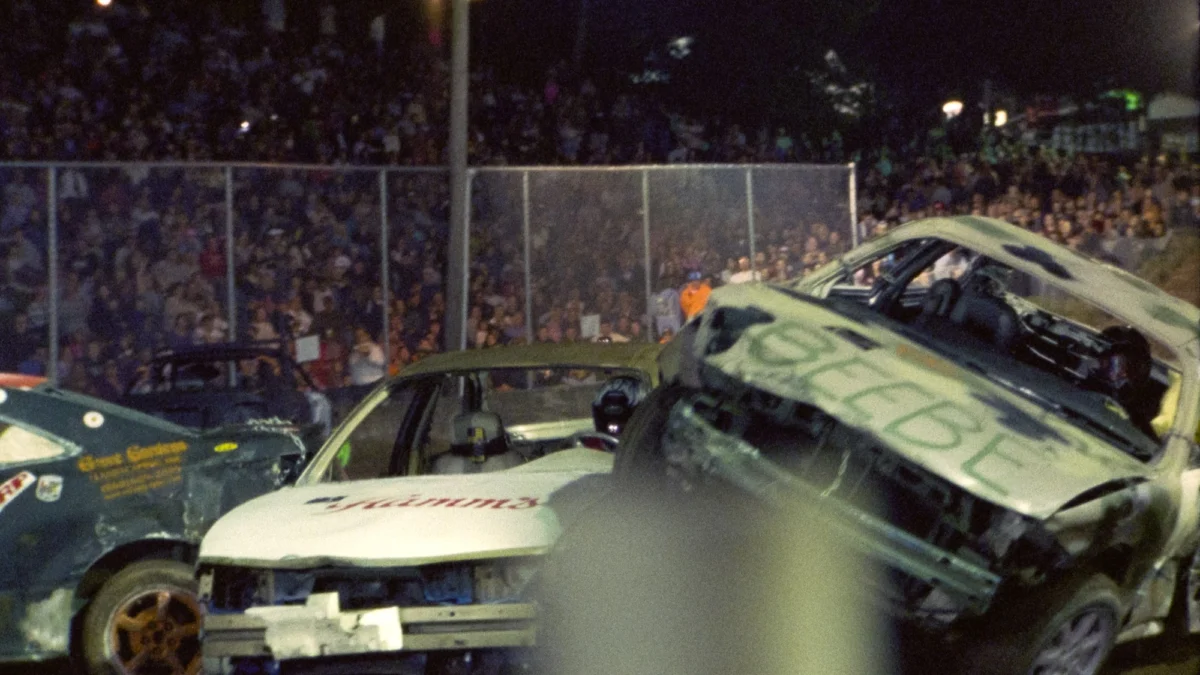
At its most primal level, a demolition derby is an exercise in controlled entropy. It is a spectacle of twisted steel, smoking engines, and the distinct, guttural roar of vehicles pushed far beyond their intended lifespans. Yet, to dismiss the demolition derby as merely a mindless display of destruction is to miss the beating heart of a subculture defined by community, mechanical ingenuity, and a profound, shared adrenaline.
In their acclaimed short documentary, Wrecked a Bunch of Cars, Had a Good Time, directors Matt Ferrin and James P. Gannon turn their lens toward the fairgrounds of Durham, Connecticut, to dismantle the stereotypes surrounding this sport. By blending a visceral, tactile visual aesthetic with intimate character studies, the film elevates a weekend hobby into a poignant exploration of the American spirit.
The Genesis of a Collision
The journey to Wrecked a Bunch of Cars, Had a Good Time began not in a boardroom, but in the bleachers of a county fair a decade ago. For Ferrin and Gannon, the initial exposure to the derby was an impulsive decision that yielded a lasting creative obsession.
"We went to our first derby on a whim a decade ago," the directors recall. "Watching the cars come out and smash into each other awakened something exciting in us; it was a mix of action, competition, and community."
This initial spark—a synthesis of high-octane spectacle and blue-collar camaraderie—simmered for years. While the duo established themselves as notable filmmakers with projects like Deerwoods Deathtrap and The Christmas Light Killer, the itch to document the derby subculture remained. What was once a casual fascination eventually evolved into a proof-of-concept project, which quickly spiraled into a full-fledged documentary short. They sought to answer a fundamental question: What drives a person to spend weeks painstakingly preparing a machine, only to intentionally destroy it in a matter of minutes?
Chronology: A Six-Hour Transformation
The production of the film was as spontaneous as the sport itself. Eschewing the heavily scripted, pre-planned nature of modern documentary filmmaking, Ferrin and Gannon approached the project with an "all-in" mentality.
"We showed up with a couple of 16mm cameras, a couple of Super 8 cameras, a bunch of new and expired film, and just went for it," the pair explained.
The filming process was a frantic, high-stakes sprint. The crew arrived at the fairgrounds without a rigid narrative roadmap, relying on the inherent unpredictability of the event to drive the story. "We didn’t know if we were going to have a movie when we started filming that evening," they admitted. Yet, in the span of just six hours, the chaos of the arena provided an embarrassment of riches. By the time the final car was towed from the mud, the directors had captured 90 minutes of raw, evocative footage.
The edit, handled by Jason Tippet, was tasked with synthesizing this deluge of imagery into a coherent narrative. Tippet’s work serves as the film’s rhythmic heartbeat, masterfully balancing the cacophonous, high-energy sequences of the derby with the quiet, reflective "talking head" interviews. This juxtaposition allows the audience to oscillate between the external spectacle of the crash and the internal motivations of the drivers.
Supporting Data: The Aesthetic of Decay
One of the most defining characteristics of Wrecked a Bunch of Cars, Had a Good Time is its visual texture. The decision to shoot on film—specifically using 16mm and Super 8 formats—was not a stylistic affectation, but a deliberate attempt to capture the "grittiness" of the derby.
The film benefits from the technical prowess of Director of Photography Adam Ginsberg, whose framing captures the sculptural beauty of mangled car parts. However, the film’s unique look is largely attributed to what the directors call "happy accidents."
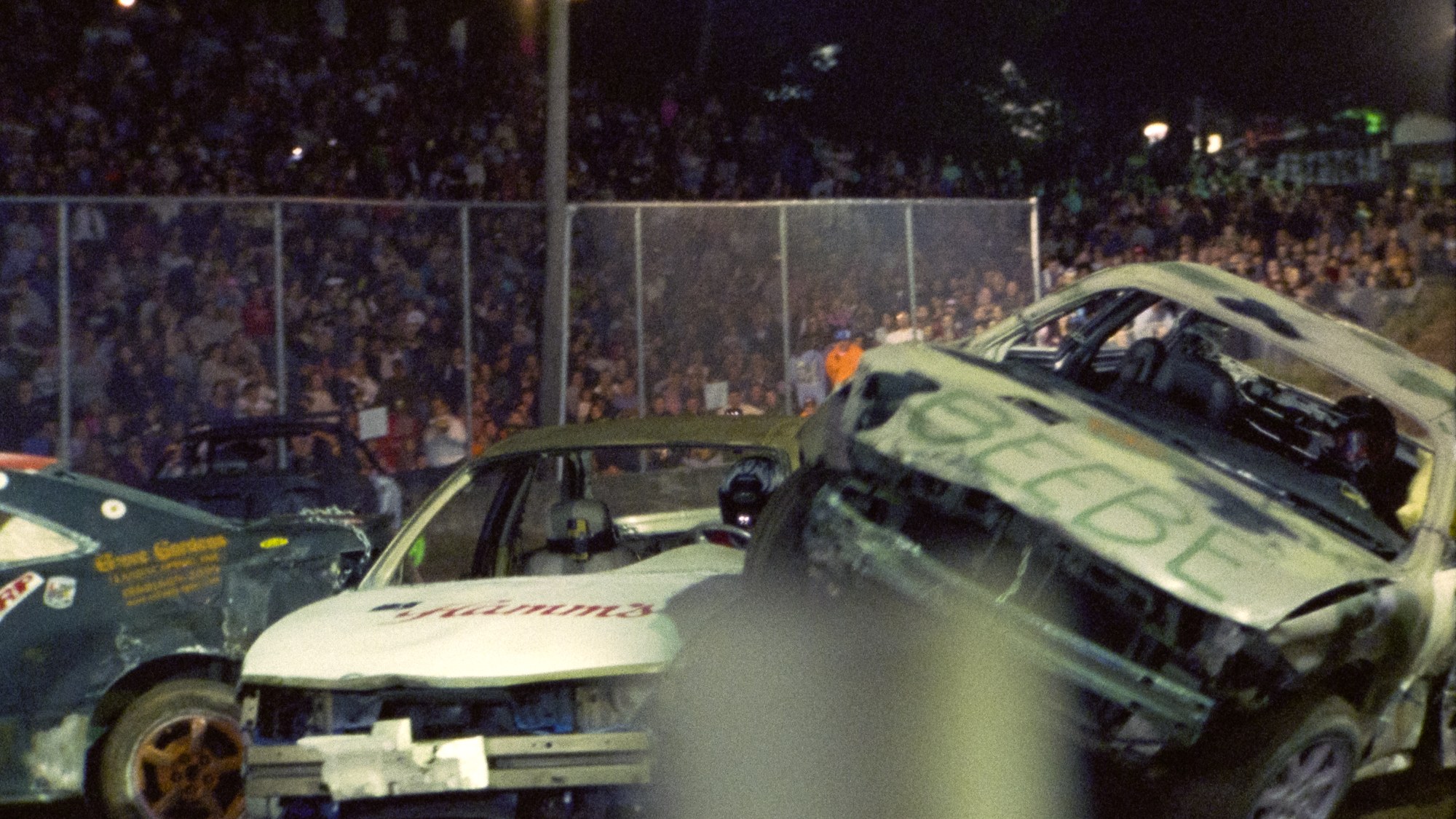
By utilizing rolls of expired film, the production invited chemical impurities and light leaks into the frame. These "defects" mirror the nature of the derby itself: just as the cars are compromised and transformed by the violence of the collision, the film stock itself is transformed by the passage of time and the unpredictability of its medium. The end credits, which feature footage from a roll that snapped inside the camera during filming, serve as a meta-commentary on the production. The film does not merely document the destruction of cars; it embraces the destruction of the medium to create something hauntingly beautiful.
Official Responses and Participant Dynamics
A documentary is only as compelling as its subjects, and in this regard, Ferrin and Gannon struck gold. Their decision to follow specific drivers proved to be a stroke of luck, as the chosen participants possessed a rare combination of self-awareness, charisma, and unvarnished passion for the sport.
The film avoids the common documentary pitfall of "othering" its subjects. Instead, it invites the audience into the pits, showing the meticulous mechanical labor required to reinforce a chassis or tune an engine. By allowing the drivers to speak for themselves, the film humanizes the "reckless" behavior seen in the arena. These are not just adrenaline junkies; they are mechanics, parents, and neighbors who find a unique, communal release in the face of absolute mechanical ruin.
Interestingly, the documentary captured a rare narrative arc: two of the primary subjects followed by the cameras went on to win their respective contests. This provided the film with a natural climax and a sense of resolution that few documentaries are lucky enough to secure during a single-day shoot.
The Festival Circuit and Cultural Implications
Since its world premiere at the 2024 Toronto International Film Festival (TIFF), Wrecked a Bunch of Cars, Had a Good Time has become a staple of the documentary festival circuit. Its selection at prestigious events such as Fantastic Fest, Aspen Shortsfest, and Palm Springs ShortFest signals a growing appreciation for films that lean into the tactile, sensory-heavy side of non-fiction filmmaking.
The success of this short film carries broader implications for the genre. It suggests that there is a significant appetite for "observational-plus" documentaries—films that start with the curiosity of a fly-on-the-wall but are elevated by a distinct visual style and a sharp editorial hand. By treating the demolition derby not as a carnival curiosity, but as a legitimate subject for cinematic art, Ferrin and Gannon have elevated the profile of the sport while creating a piece of work that resonates far beyond the dirt tracks of Connecticut.
Looking Ahead: The Future of the Duo
The momentum generated by this project has propelled both Ferrin and Gannon toward their next creative endeavors. The directing duo is currently in the pre-production phase of their next feature, Hardpan, a project that fans of their aesthetic will undoubtedly monitor with interest.
Simultaneously, James P. Gannon is preparing for the premiere of his new short, Jimmy’s Custom Coffin, at the upcoming edition of Fantastic Fest. As Gannon continues to explore themes of mortality, craftsmanship, and the idiosyncratic corners of human behavior, it is clear that his work—and his partnership with Ferrin—is moving toward an increasingly mature and stylistically distinct body of work.
Conclusion: Why the Derby Matters
Ultimately, Wrecked a Bunch of Cars, Had a Good Time succeeds because it understands that destruction is a form of creation. In the act of wrecking a car, these drivers are stripping away the mundane utility of the vehicle, leaving behind a raw, kinetic sculpture of metal and memory.
The film challenges us to look past the surface-level violence and see the community it fosters. It reminds us that there is a strange, profound beauty in the things we choose to break, and in the people who stand in the mud, cheering for the last car still capable of moving forward. As the directors themselves found, there is something inherently "exciting" in that pursuit—a sentiment that they have successfully transferred from the fairgrounds to the silver screen. Through the grain of 16mm film and the wreckage of the arena, the documentary serves as a testament to the idea that even in total collapse, there is a good time to be had.
