
Asphalt Sanctuary: How Northern Ireland’s ‘Differs’ Are Finding Hope in the Smoke
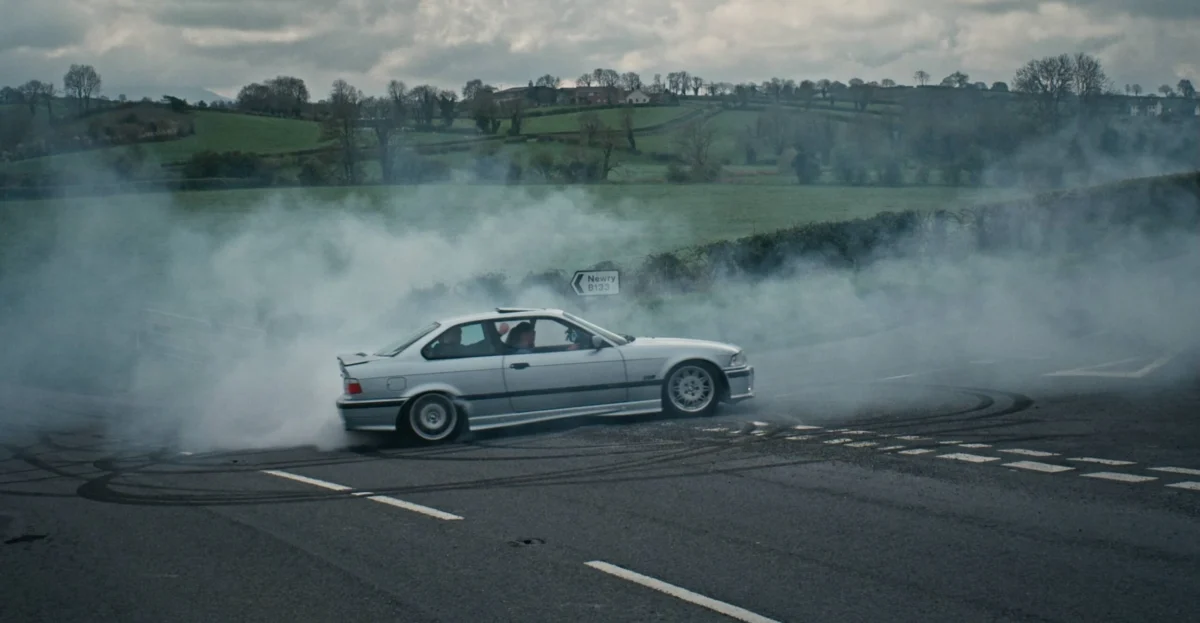
In the industrial outskirts of Northern Ireland, where the gray skies of Belfast often mirror the quiet, internal struggles of its youth, a subculture thrives in the glow of headlights and the haze of burning rubber. They call themselves “differs.” While the uninitiated might confuse their craft with the global phenomenon of drifting, “diffing” is a distinct, visceral motor pursuit—a local dialect of car culture defined by its own unique mechanics, risks, and, most importantly, its community bonds.
Director Ruairí Bradley’s latest documentary, We Beg To Differ, serves as an intimate, poetic lens into this underground world. The film is not merely a chronicle of automotive enthusiasm; it is a profound exploration of masculinity, mental health, and the desperate, necessary search for connection in a society often haunted by the specter of loss.
The Genesis of an Underground Pursuit
From Curiosity to Commitment
The journey to document this insular community began almost by accident. While producing a music video, Bradley found himself in conversation with a driver whose passion for the machine transcended mere hobbyism. It was a fleeting interaction that left a lasting impression; Bradley sensed that for this individual, the car was not just a vehicle—it was a lifeline.
Intrigued by the emotional gravity of the encounter, Bradley turned his attention to his hometown of Belfast to see if a similar scene existed. He soon discovered the UGD (Underground Differs), a collective that operated with a quiet, disciplined intensity. Upon visiting their private yard and witnessing a somber memorial wall—a testament to friends lost to both the road and the darker struggles of life—Bradley knew he had found his story. The rapport he built with the crew allowed him to transcend the role of an observer, positioning him as a chronicler of a community that rarely speaks to the outside world.
The Anatomy of a Subculture
Diffing vs. Drifting
To the casual observer, the two terms are synonymous, but the distinction is vital. Drifting is a regulated motorsport, a performance art often sanitized for global audiences. Diffing, by contrast, is raw, localized, and inherently rebellious. It is an act of reclaiming space in a landscape that offers little room for the disenfranchised.
The mechanics of diffing involve a delicate, aggressive dance with the rear differential, creating patterns on the asphalt that serve as a temporary signature of existence. It is a high-stakes, high-intensity activity that demands absolute presence of mind. In that moment of control, the “differs” find a reprieve from the mental health burdens that loom over their daily lives.
Cinematic Craft: The Aesthetics of the Asphalt
Visual Language and Technical Mastery
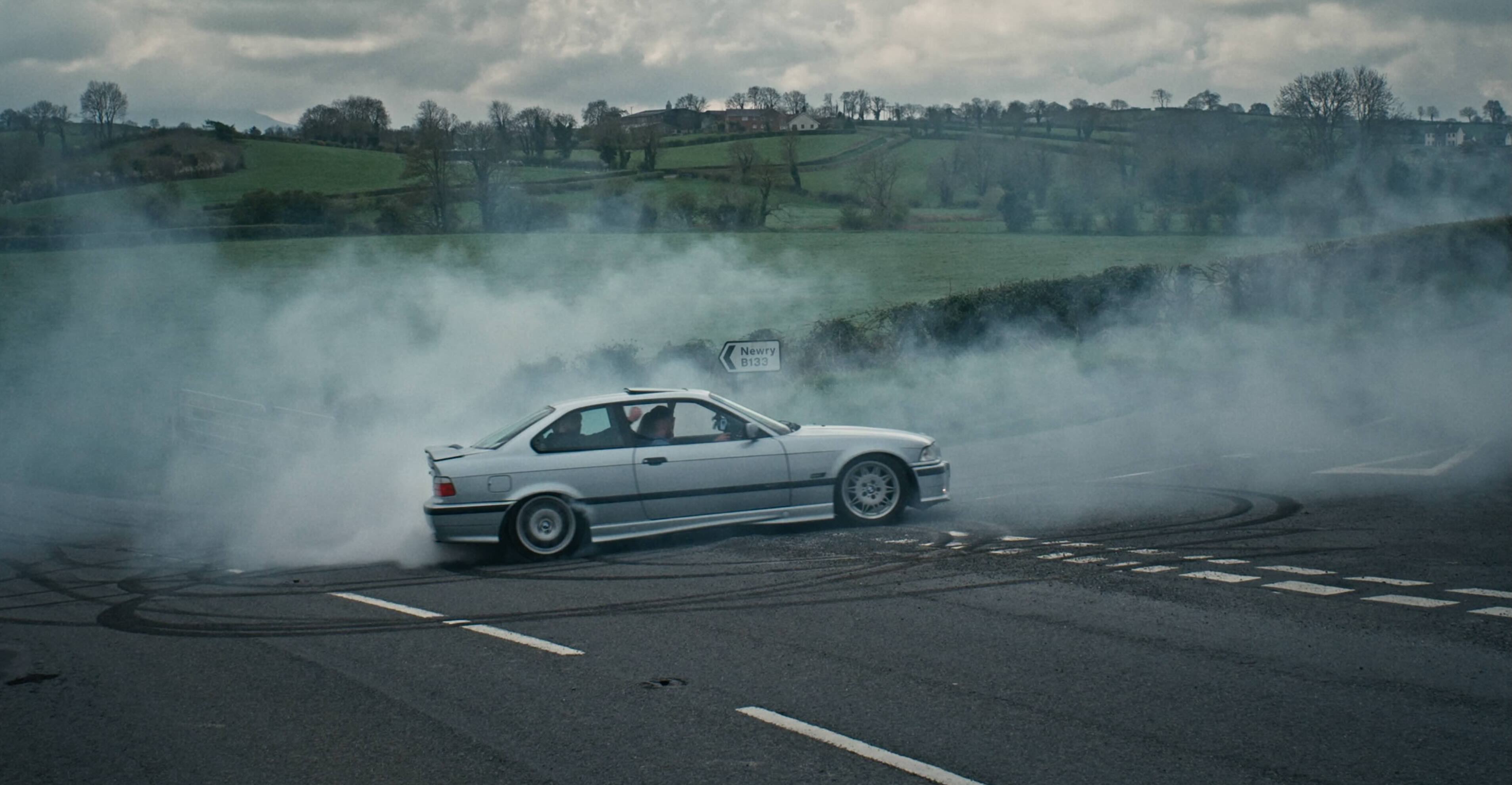
Collaborating with Director of Photography Daniel Sedgwick, Bradley crafted a visual language that elevates the grit of the yard into something approaching high art. The film utilizes a Sony FX9 paired with an SLR Magic 35mm lens, a combination that grants the footage a cinematic, dreamlike quality even amidst the harsh reality of tire smoke and oil stains.
The cinematography is marked by a sophisticated duality. The team employs static shots to allow the viewer to appreciate the choreography of the vehicles, emphasizing the geometry and rhythm of the cars in motion. This is juxtaposed with visceral, handheld shots from inside the cockpit, placing the audience in the driver’s seat. Here, the viewer experiences the frantic, tactile reality of the sport: the vibration of the chassis, the roar of the engine, and the singular focus of the driver. This stylistic choice underscores the film’s central thesis—that the car serves as a sanctuary where the chaos of the world outside is silenced by the roar of the engine.
The Weight of Reality: Mental Health and Social Stigma
A Heavy Thematic Frame
We Beg To Differ does not shy away from the darker realities of its subjects. The “mental health cloud” that hangs over the community is not a footnote; it is the very reason the community exists. The film’s opening sequence—a somber gathering of the UGD members around a memorial—immediately establishes the stakes. This is not a film about joyrides; it is a film about survival.
The documentary addresses the inherent dangers of the lifestyle with unflinching honesty. Beyond the mechanical risks of driving at high speeds, the community exists in a state of social and legal precarity. To be a “differ” is to be a social deviant; the activity is largely illegal outside of private, cordoned-off spaces. Bradley examines how this societal alienation creates a “fortress” mentality, where the yard becomes a sacred, private space for emotional expression that is otherwise unavailable to these young men in the wider community.
Chronology of Recognition
A Path to the Screen
The film’s trajectory since its release has been nothing short of remarkable, reflecting the universal resonance of its specific story.
- Festival Circuit: We Beg To Differ enjoyed an extensive run at premier festivals, including SXSW, Palm Springs, Hot Docs, Leeds, and Glasgow.
- Critical Acclaim: The documentary garnered international recognition, winning Best New Talent at PÖFF Shorts and earning a Special Mention at the prestigious Clermont-Ferrand International Short Film Festival.
- Domestic Honors: In Ireland, the film received critical adulation at the Cork, Dublin, Galway, and Kerry film festivals, culminating in a nomination at the IFTA Film & Drama Awards.
- Digital Release: Earlier this month, the film reached a global audience via a Vimeo Staff Pick, cementing its status as a seminal piece of contemporary Irish documentary filmmaking.
Implications: The Search for Community in Modernity
Why We Need the “Differs”
The success of We Beg To Differ invites us to reconsider the labels we place on “deviant” subcultures. In a world where institutional support for mental health is often fragmented or inaccessible, these underground communities fill a void. As Bradley notes, while the heavy themes are present, the film is equally defined by the “craic”—the shared joy, the laughter, and the resilience of a group that refuses to succumb to their circumstances.
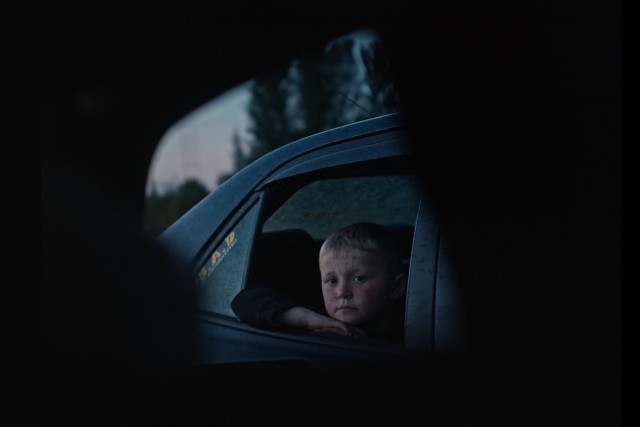
The film challenges the audience to see past the noise and the smoke. It asks us to recognize the humanity in those who find their peace on the edge of legality. By providing a platform for these voices, Bradley has done more than document a car scene; he has provided a roadmap for understanding how marginalized groups manufacture their own support systems in the absence of traditional social safety nets.
Conclusion: A Testament to Resilience
We Beg To Differ stands as a poignant reminder that passion is often a response to pain. By framing the act of diffing as a form of catharsis, Ruairí Bradley has created a work that is as much about the human heart as it is about the internal combustion engine.
The film does not suggest that drifting around a yard is a permanent solution to the systemic issues of mental health in Northern Ireland. Instead, it suggests that for the duration of a tank of gas, it is a way to breathe. It is a way to belong. And for the members of the UGD, in a world that often refuses to see them, being seen—even through a veil of tire smoke—is the most powerful act of all.
As the film continues to find new audiences online, its legacy remains clear: it is a stylish, cinematic, and profoundly empathetic look at the lengths to which people will go to feel in control of their own lives. In the quiet, asphalt-covered yards of Belfast, they aren’t just burning rubber; they are keeping the flame of their community alive.
