
Beyond the Power Battery: Unanswered Questions and the High-Stakes Future of HBO Max’s Lanterns Season 2
Main Facts
The first season of HBO Max’s critically acclaimed prestige drama Lanterns has officially concluded its run, leaving behind a trail of critical acclaim, massive streaming ratings, and a slate of unresolved narrative mysteries. While Warner Bros. Discovery and HBO Max have yet to issue an official season two renewal announcement, overwhelming industry buzz and viewer metrics strongly suggest a sophomore outing is all but guaranteed.
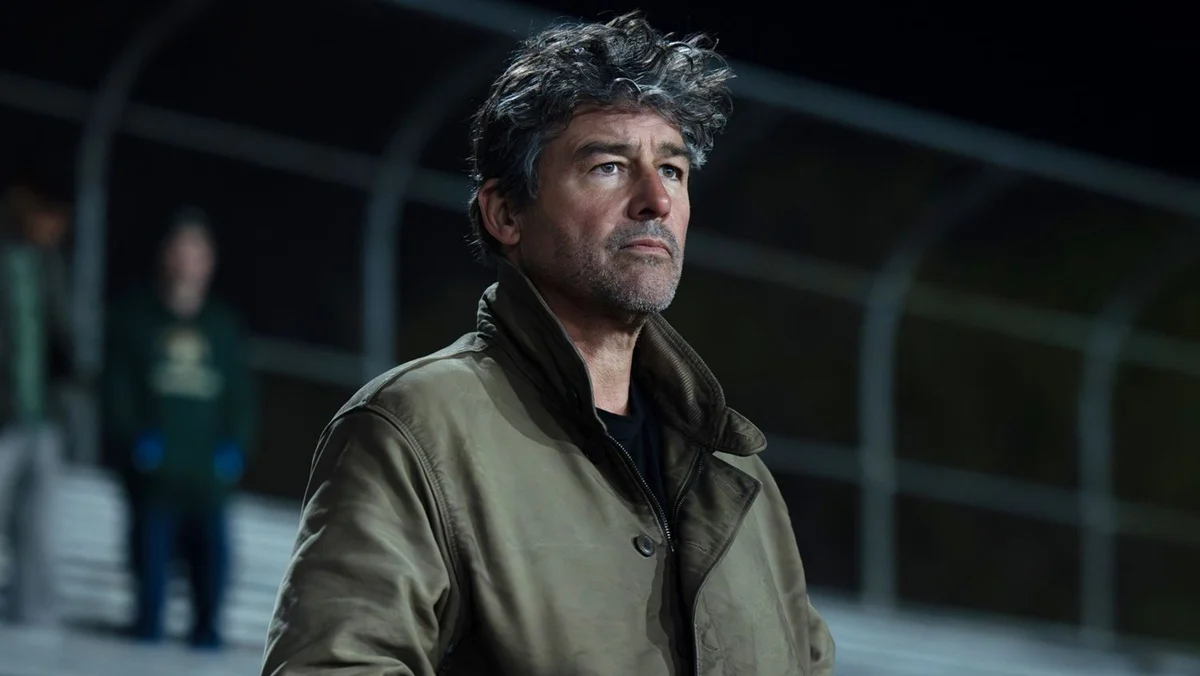
Spearheaded by an all-star cast featuring Aaron Pierre as John Stewart, Kyle Chandler as Hal Jordan, and Laura Linney as a Guardian of the Universe, the series has redefined the baseline for comic book adaptations by leaning heavily into grounded, noir-infused investigative storytelling. However, the season finale left several massive narrative threads dangling. From the enigmatic fate of Thaal Sinestro (Ulrich Thomsen) and the sinister potential of Noah Macon (Shea Pritchard) to the volatile consequences of John Stewart defying the Guardians of the Universe, season two carries the heavy burden of redefining the overarching DC Universe (DCU) blueprint laid out by DC Studios co-head James Gunn.
Chronology of the Season One Finale
To understand the stakes heading into a potential second season, it is vital to trace the explosive sequence of events that brought the inaugural chapter of Lanterns to a close:

- The Incarceration and Rescue: Following his descent into villainy and the murder of a Guardian, Thaal Sinestro was locked away by the Green Lantern Corps. However, in a twist orchestrated by the rogue Manhunter agent Noah Macon, Sinestro was violently broken out of maximum-security detention.
- The Foundry on Ryut: Sinestro retreated to the barren, desolate world of Ryut—historically infamous for a centuries-old genocide committed using a deadly fear toxin. There, John Stewart and the "Halogram" (a digital construct retaining elements of Hal Jordan’s consciousness) tracked the fugitive to an isolated foundry situated in the middle of a toxic ocean.
- The Forging of a New Battery: Cornered, Sinestro confessed to forging a brand-new power battery utilizing the unique elements, ambient air, and toxic waters of Ryut. He taunted the Halogram with the tantalizing promise that this new power source could genuinely resurrect Hal Jordan—though warning that using it would permanently overwrite and erase Hal’s remaining consciousness.
- The Stranding of Sinestro: Rather than executing the rogue Lantern, John Stewart marooned Sinestro on the isolated island within the toxic sea, depriving him of any immediate means of escape.
- The Ultimate Defiance: Returning to Earth, John handed the newly forged, yellow-cracked battery to Guy Gardner, delivering a defiant message to the immortal leaders on Oa: he refuses to take orders, declaring himself Earth’s independent Green Lantern.
Supporting Data and Production Context
The critical and commercial success of Lanterns has positioned it as one of the crown jewels of the streaming landscape.
- Critical Reception: Review aggregators have consistently lauded the series for its mature tone, subverting traditional superhero tropes in favor of a cerebral sci-fi procedural. It has been frequently cited as the project that successfully bridged the gap between niche comic book fandom and mainstream prestige television audiences.
- DCU Integration: James Gunn has repeatedly emphasized that the television and film slates of the new DCU will share narrative continuity. Events occurring in Lanterns are explicitly designed to have wide-ranging ramifications across upcoming cinematic and streaming projects.
- Talent Roster: The series boasts heavy-hitting cinematic talent, including Aaron Pierre’s commanding portrayal of John Stewart, the gravitas of Kyle Chandler’s Hal Jordan, and Laura Linney’s chilling, calculating performance as a Guardian of the Universe hiding dangerous historical secrets.
Official Responses and Creator Statements
While narrative specifics for a prospective second season remain tightly locked inside the DC Studios vault, key creative architects have dropped significant hints about the show’s trajectory.
James Gunn’s overarching mandate for the DCU has been absolute: television shows cannot merely serve as side-stories or filler; they must fundamentally alter the geopolitical and cosmic landscape of the universe. The revelation that human-born agents like Noah Macon are secretly functioning as sleeper units for ancient cosmic threats implies that Earth is ground zero for a much larger, multi-generational conflict.

Furthermore, the creative team behind Lanterns has acknowledged in post-finale interviews that the psychological toll on John Stewart—operating outside the rigid, bureaucratic legal framework of the Green Lantern Corps while wielding an unstable, fear-infused weapon—will form the emotional bedrock of any future episodes. The defiance displayed toward the Guardians is not a temporary plot device; it is a declaration of ideological war.
Implications: What Season 2 Must Address
As fans eagerly await an official renewal confirmation, the final moments of season one have raised profound questions that will dictate the shape of the DCU’s cosmic side for years to come.
1. What is Sinestro’s Next Move?
Leaving Thaal Sinestro stranded on a toxic island with no way out feels like a temporary inconvenience for a character of his magnitude. Sinestro is the foundational antagonist of the Green Lantern mythos. Now that he possesses a battery forged on Ryut using elements tied to primordial fear, the logical trajectory points toward the creation of the yellow power ring and the birth of the Sinestro Corps. Season two must explore how he escapes his exile and whether his creation triggers a multi-system ideological civil war within the corps.

2. The Truth Behind Hal Jordan’s Resurrection
Sinestro’s parting psychological warfare involved claiming he could bring Hal Jordan back "for real." While using a fear-forged battery to resurrect a fallen hero sounds dangerously close to the infamous Emerald Twilight arc that transformed Hal into the villain Parallax, the writers have left this door intentionally ajar. Audiences are desperately hoping to see more of Kyle Chandler in the role, but whether that return manifests as a physical resurrection, a digital anomaly, or a terrifying encounter with an undead Black Lantern remains one of the season’s most tantalizing mysteries.
3. Noah Macon and the Manhunter Threat
John Stewart made a critical error in judgment—or an act of profound mercy—by sparing Noah Macon. Believing that human upbringing can override ancient robotic programming is a noble stance, but Macon’s trajectory from college sports star to media icon, political climber, and potential future President paints a terrifying picture. If Macon ascends to the highest office in the United States while harboring dormant Manhunter directives, he instantly transforms into a terrifying "Big Bad" for the entire DCU, forcing the cosmic and terrestrial heroes into an unprecedented collision course.
4. The Wrath of the Guardians
Declaring oneself an independent, rogue contractor to an immortal race of cosmic police officers is a guaranteed death sentence in the DC universe. Guy Gardner’s delivery of John’s ultimatum to Oa is bound to provoke a severe institutional response. Laura Linney’s Guardian, Lianna, is already compromised by the dark historical secrets of the Manhunters, but the rest of the Oan council will not take insubordination lightly. Season two must introduce the wider galactic fallout of Earth’s Lanterns breaking rank, potentially paving the way for other iconic alien Green Lanterns to enter the fold.

5. The Corruption of the New Battery
The yellow fractures running through the battery Sinestro forged on Ryut are impossible to ignore for comic book aficionados. Ryut is the birthplace of Parallax, the parasitic embodiment of fear. While John Stewart has traditionally served as a beacon of unwavering willpower, infusing his power source with the ambient "fear water and air" of Ryut introduces a subversive thematic element. Is John slowly being poisoned by his own weapon? Will the series tackle a psychological or spiritual corruption arc for its primary protagonist?
6. The Alien Desert in a Human World
Despite being set within a cosmic franchise defined by thousands of bizarre alien species, lanterns and ring-slingers, Lanterns season one deliberately kept its scope intensely grounded on Earth, with Sinestro being the sole major non-human presence (aside from passing mentions of characters like Mogo and Ch’p). Now that mainstream audiences are fully hooked on the gripping mystery and character-driven drama, season two has the narrative clearance to expand its horizons. Fans are clamoring to see the series step beyond terrestrial borders and introduce practical-effect or CGI-rendered alien species, proving that a prestige detective drama can successfully coexist with the weird, wild wonders of the broader DC cosmos.
All of Lanterns season one is currently streaming on HBO Max.
