
Beyond the Page: MGM+ Unveils High-Stakes Trailer for ‘The Institute’ Season 2
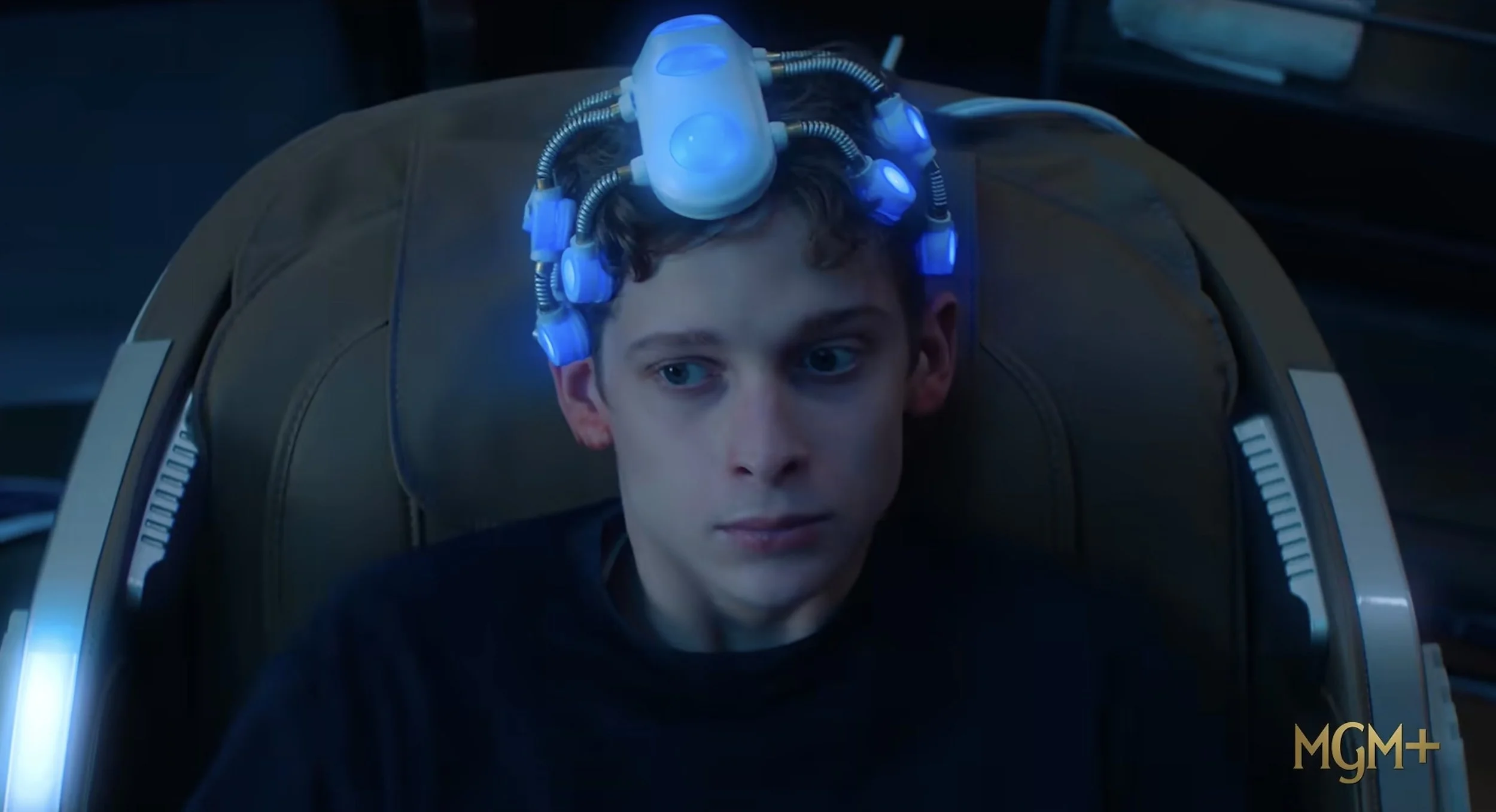
Escaping the cold, sterile walls of the Institute was merely the beginning of the nightmare for Luke Ellis and his companions. Now, as the dust settles from the explosive conclusion of the series’ inaugural season, the true battle begins. MGM+ has officially pulled back the curtain on the second season of its acclaimed Stephen King adaptation, The Institute, revealing a narrative trajectory that pivots from a desperate survival story into a high-octane conspiracy thriller. With the source material’s roadmap now fully navigated, the series is poised to enter uncharted territory—a move that promises to test the resilience of its young protagonists and the depravity of their tormentors.
Main Facts: A New Chapter in King’s Universe
The announcement of the second season brings with it a definitive shift in tone. While the first season remained largely tethered to the plot of Stephen King’s 2019 novel, the upcoming installment represents a bold departure. By exhausting the events of the book in the premiere season, showrunners have granted themselves the creative liberty to explore the "what happens next" of this harrowing world.
The central conflict remains the struggle against the titular organization—a clandestine, shadow-government operation that specializes in kidnapping children with latent psychic abilities, murdering their families, and weaponizing the youths for "the greater good." Having secured their freedom in a pyrrhic victory at the Dennison facility, Luke (played by Joe Freeman) and his allies—including Tim (Ben Barnes)—must now shift their focus from evasion to systemic destruction.
However, the trailer makes one thing abundantly clear: the Institute is not an entity that bows to defeat. With the backing of immense resources, global influence, and a moral compass that points firmly toward utilitarian atrocity, the organization is regrouping. The season is scheduled to premiere on November 8 on MGM+, marking a pivotal moment for the network’s flagship genre series.
Chronology: From Captivity to Counter-Insurgency
To understand the stakes of Season 2, one must revisit the trajectory of the survivors. The first season was characterized by claustrophobia and the crushing weight of institutional control. The children were subjects, test cases, and batteries for a machine they did not understand.
The Breakout
The Season 1 finale served as the catalyst for the current state of affairs. Following the chaotic collapse of the Dennison facility, the survivors were left to grapple with the trauma of their imprisonment and the sudden, terrifying realization that they were no longer being watched—at least not overtly.
The Shift in Strategy
In the early episodes of the upcoming season, the narrative moves away from the "escape room" aesthetic of the first season and into the realm of the espionage thriller. The survivors are no longer running; they are hunting. Luke and his friends, armed with their varying degrees of telekinetic and telepathic power, are attempting to infiltrate the very systems that sought to erase them.
The Rebuilding
Conversely, the trailer highlights the resurgence of the Institute. Under the direction of the steadfastly pragmatic Ms. Sigsby (Mary-Louise Parker), the organization is attempting to pivot from a localized facility to a more integrated, technological threat. The inclusion of new allies—specifically the tech-mogul billionaire Nolan Reeves—suggests that the Institute is moving into the digital age, seeking to amplify their psychic harvesting through modern surveillance and advanced data manipulation.
Supporting Data: The Cast and the Billionaire Threat
The success of The Institute has been largely attributed to its ensemble cast, which balances the vulnerability of the children with the cold, calculated menace of their captors.
The New Variable: Alfie Allen
Perhaps the most significant addition to the cast is Alfie Allen, best known for his transformative performance as Theon Greyjoy in HBO’s Game of Thrones. Allen portrays Nolan Reeves, a tech billionaire whose motivations remain shrouded in ambiguity. Within the trailer, Reeves is shown as a man who views the world through a lens of disruption and efficiency. If the Institute is a machine, Reeves is the engineer who intends to optimize it. His involvement adds a layer of corporate espionage to the series, suggesting that the children are not just battling an old-guard shadow agency, but a modern, privatized threat that knows how to monetize their suffering.
The Returning Ensemble
The returning cast provides a sense of continuity in a world that has been shattered. Mary-Louise Parker continues her turn as Ms. Sigsby, a character who is neither a mustache-twirling villain nor a sympathetic figure, but rather a believer in a terrible, necessary evil. Joining her are:
- Simone Miller as Kalisha
- Fionn Laird as Nicky
- Arlen So as George
- Robert Joy as Dr. Hendricks
- Hannah Galway as Wendy
Furthermore, the return of Jeff Fahey hints that the series intends to explore the deeper lore of the Institute’s origins. Fahey’s character, a lingering enigma from the first season, appears to be the bridge between the facility’s dark history and its uncertain future.
Official Responses: The Philosophy of the Fight
The official synopsis released by MGM+ frames the upcoming conflict as a collision of ideologies. "In the wake of their climactic escape from Dennison, Luke and his friends search for a way to end the Institute for good," the statement reads. It continues, "Meanwhile, the Director enlists a new ally, tech billionaire Nolan Reeves, to help him rebuild, and Sigsby’s life as a fugitive pushes her to seek a way back ‘in.’"
This language is telling. It highlights a duality in the narrative: the children are seeking to end an organization, while the organization is seeking to reclaim its relevance. Sigsby’s arc as a "fugitive" indicates that the power dynamic is fluid. For the first time, the oppressors are vulnerable, and the survivors possess the leverage of anonymity and the potential for a devastating public exposé.
Implications: A New Era for King Adaptations
The decision to move beyond the book is a high-stakes gamble for MGM+. Historically, Stephen King adaptations have struggled when they deviate from the source material, often losing the "King flavor"—that unique blend of domestic horror and supernatural dread. However, The Institute is currently in a unique position. By effectively using the book as a "prologue," the showrunners have successfully established the characters’ motivations and the world’s internal logic.
Expanding the Genre
The transition into a conspiracy thriller aligns with the modern viewing habits of audiences who favor high-concept, serialized storytelling. By pitting the children against the intersection of "Big Tech" and "Deep State" entities, the series becomes a reflection of contemporary anxieties regarding surveillance, government overreach, and the commodification of human life.
The Ethical Dilemma
At the heart of the show remains the question of the "Greater Good." The people running the Institute believe that their work prevents greater calamities—a classic King trope of sacrificing the few to save the many. As the series moves into Season 2, the audience is forced to ask: If the Institute truly is preventing an apocalypse, does the end justify the means? And if Luke and his friends succeed in destroying the Institute, are they inadvertently dooming the world?
Looking Ahead
The trailer indicates that the second season will not shy away from the brutality that defines the genre. The telekinetic displays from Luke are becoming more refined and more dangerous, suggesting that the "human weapon" is beginning to realize his full potential. Whether he chooses to use that power for liberation or vengeance will likely be the moral compass of the season.
With a November 8 premiere date, the anticipation among fans of the genre is palpable. The transition from a story of victims to a story of warriors is a classic narrative arc, but in the hands of the The Institute creative team, it carries the weight of a franchise that has successfully evolved beyond its origins. Will Luke and his friends succeed in burning the Institute to the ground, or will they discover that the roots of the organization go much deeper than a single facility? As the leaves turn and the nights grow longer, viewers will finally have their answers.
