
The Invisible Expiration Date: Why Your Surge Protector Needs a Retirement Plan
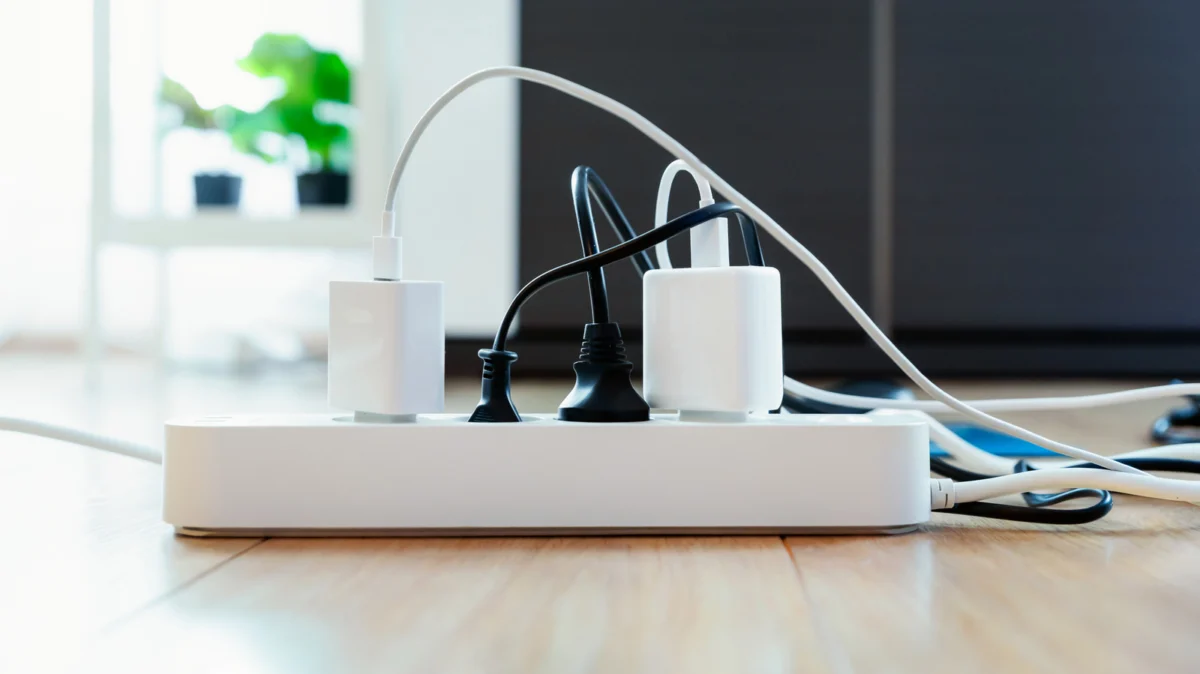
In the modern household, the surge protector is the unsung hero of our digital infrastructure. It sits quietly under desks, behind entertainment centers, and nestled against baseboards, silently guarding thousands of dollars of sensitive electronics—from high-end gaming PCs to critical home office workstations. Yet, there is a dangerous misconception prevalent among consumers: the belief that if a power strip still provides electricity, it is still providing protection.
The reality is far more precarious. Surge protectors are not immortal; they are sacrificial devices. Over time, and with every minor voltage fluctuation they intercept, their internal components degrade. Eventually, they become nothing more than glorified extension cords, leaving your expensive hardware entirely vulnerable to the next power anomaly. Understanding why, when, and how to replace these devices is a fundamental aspect of responsible technology management.
The Science of Sacrifice: Inside the Metal-Oxide Varistor (MOV)
To understand why a surge protector fails, one must first understand how it works. The vast majority of consumer-grade surge protectors utilize a component known as a Metal-Oxide Varistor (MOV).
An MOV acts as a safety valve for your electrical circuit. Under normal operating conditions, it remains inactive. However, when it detects a spike in voltage—a surge—it diverts the excess energy away from your devices and toward the ground wire. This process is inherently destructive to the MOV itself. Each time an MOV absorbs a surge, a small portion of its internal material is permanently damaged.
While manufacturers design these components to handle multiple surges, they have a finite "energy budget." Think of an MOV like a sponge: once it has absorbed its maximum capacity of liquid, it can no longer protect the surface beneath it. Because this degradation occurs at the microscopic level, the surge protector will not show outward signs of fatigue. It will not smell, it will not flicker, and it will not stop powering your devices. It simply stops protecting them.
While other technologies, such as TVS (Transient Voltage Suppression) diodes, silicon avalanche diodes (SADs), and gas discharge tubes (GDTs), exist, they are less common in general household retail units. Regardless of the technology used, the principle remains the same: protection is a limited resource that is consumed over time.
A Chronology of Decay: How Surge Protectors Age
The life cycle of a surge protector is not measured in years, but in "joules" of protection consumed. However, because most users cannot possibly track every minor power fluctuation in their home, time becomes the most reliable proxy for safety.
- The Initial Installation: Upon purchase, the device is at its peak. The MOV components are pristine, and the clamping voltage—the threshold at which the device begins to redirect power—is precisely calibrated.
- The Era of Minor Fluctuations: During the first year or two, the device handles daily "dirty power"—the minor, invisible spikes caused by the cycling of heavy appliances like refrigerators or HVAC systems. Each event consumes a fraction of the MOV’s life.
- The Silent Failure: Eventually, the cumulative damage exceeds the component’s threshold. At this stage, the surge protector enters a "zombie" state. It continues to conduct electricity to your connected devices, but it no longer has the capacity to shunt a major surge to ground.
- The Critical Event: A significant power surge occurs—perhaps from a grid instability or a nearby lightning strike. Because the MOV is already spent, the surge passes through the protector unimpeded, directly into your PC, television, or console.
- The Aftermath: You are left with fried motherboards, blown capacitors, and a "protected" device that failed its only purpose.
Supporting Data and Risk Factors
Environmental factors play a massive role in the longevity of these devices. If you reside in an area prone to frequent electrical storms, your surge protector is being subjected to significantly more stress than a unit in a region with a stable, underground power grid.
According to electrical safety industry experts, the average lifespan of a surge protector in a standard suburban environment is often estimated at three to five years. However, this is a dangerous generalization. A single, high-energy surge event can render a brand-new, premium surge protector completely useless in a millisecond.
Furthermore, user error often accelerates this timeline. A common mistake is overloading a surge protector with high-draw appliances. Devices like space heaters, hair dryers, or heavy-duty kitchen appliances draw massive amounts of current. When plugged into a standard surge protector strip, they can lead to thermal stress, causing the plastic housing to soften and the internal components to degrade far faster than they would under a normal load of computer equipment.
Decoding the Indicators: Check the Lights
If you are unsure whether your current surge protector is still functional, the most important step is to inspect the indicator lights. Most reputable manufacturers include a light labeled "Protected" or "Protection Present."
It is vital to consult your specific manual, as different brands utilize different light configurations:
- The "On" vs. "Protected" Distinction: A power strip may have an "On" light indicating that power is flowing, but that is not the same as a "Protected" light. If the "Protected" light is extinguished, the surge suppression mechanism has likely failed.
- The "Fail-Safe" Mechanism: High-quality units are designed to shut off power to the outlets entirely if the protection circuit fails. This is a deliberate "fail-safe" meant to signal that the device is no longer safe to use.
- Physical Damage: If you notice discoloration, a burning smell, or physical melting of the plastic casing, the unit must be discarded immediately, regardless of its age or indicator lights.
Industry Perspectives and Best Practices
When reaching out to electrical equipment manufacturers for guidance, the consensus is universal: do not treat surge protectors as a permanent fixture.
"The most common point of failure for consumers is the assumption that a surge protector is a ‘set-it-and-forget-it’ piece of equipment," notes one industry safety consultant. "We see many homes where the surge protector is older than the computer it is powering. That is a fundamental mismatch in safety priority."
Recommendations for the Responsible Consumer:
- Establish a Replacement Cycle: Even if your surge protector appears to be functioning perfectly, replace it every three to five years as a preventative measure.
- Document the Date: Use a permanent marker to write the date of purchase on the bottom of the unit. This simple act eliminates the guesswork during your next annual safety audit.
- Don’t Rely on "Lightning Shields": Manage your expectations. No consumer-grade surge protector can withstand a direct lightning strike. In the event of a severe storm, the only 100% effective method of protection is to physically unplug your electronics from the wall.
- Know Your Environment: If you live in an area with frequent thunderstorms or known power grid instability, consider replacing your surge protectors more frequently—perhaps every two years.
- Avoid "Daisy-Chaining": Never plug one surge protector into another. This creates a massive fire hazard and makes it nearly impossible to determine which unit is actually providing protection.
Implications for Your Hardware
The cost of replacing a surge protector—typically ranging from $20 to $60 for a high-quality unit—is negligible when compared to the cost of replacing a $2,000 gaming rig or a mission-critical workstation.
By treating surge protection as a consumable maintenance item rather than a permanent piece of infrastructure, you insulate yourself from the risk of sudden, catastrophic hardware failure. In an era where our digital lives are tied to our hardware, the humble surge protector is the first line of defense. Ensuring that this defense is active and functional is one of the most effective ways to preserve the longevity of your technology. Do not wait for a surge to find out that your protector has already retired; take control of your power management today.
