
Operation Duke: Danny McBride to Helm New Live-Action G.I. Joe Feature Starring Bradley Cooper
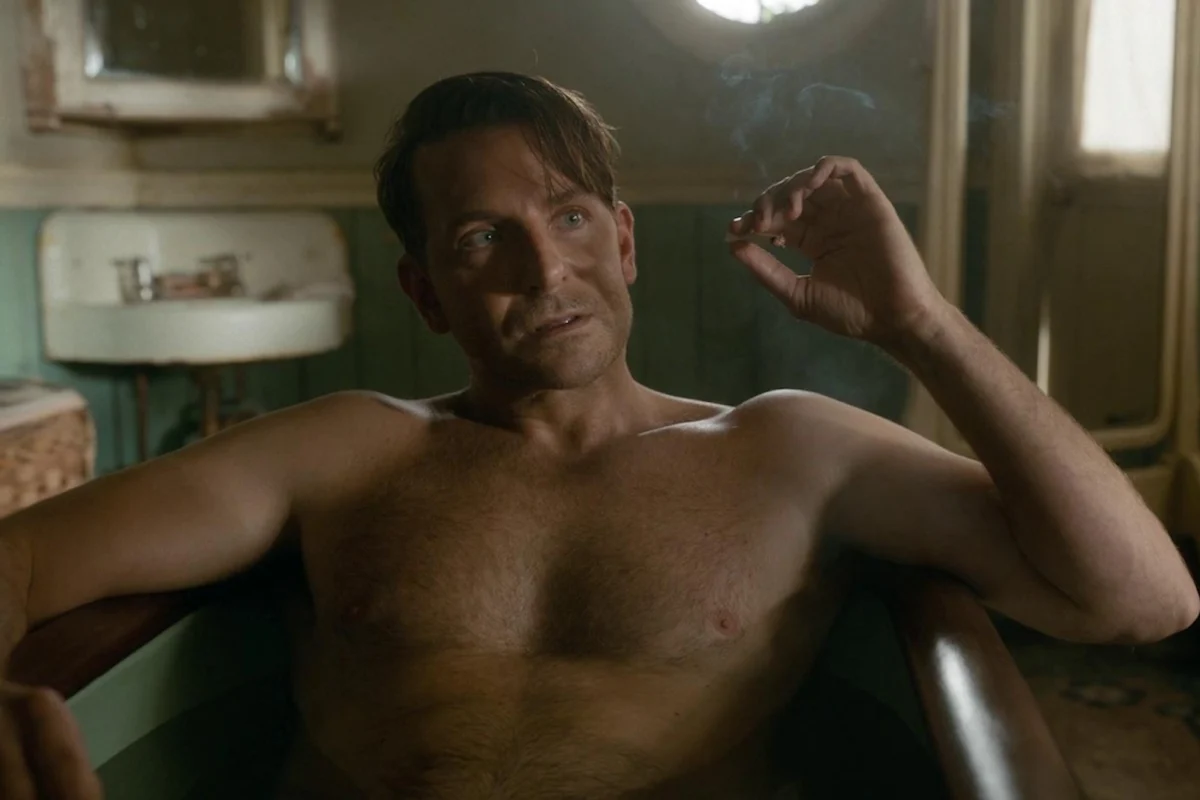
In a major shakeup for Hasbro’s cinematic portfolio, a new, standalone G.I. Joe live-action feature is officially in development, with comedy auteur and The Righteous Gemstones creator Danny McBride set to make his directorial debut on the project. Sources have confirmed that the film will center on the iconic character Duke—First Sergeant Conrad S. Hauser—with Academy Award-nominated actor Bradley Cooper attached to star in the lead role.
This development marks a significant departure from the studio’s previous attempts to integrate the G.I. Joe franchise into larger cinematic universes. According to reporting from Deadline, the long-gestating G.I. Joe and Transformers crossover project, which was initially announced in 2024, has been effectively shelved in favor of this focused, character-driven approach.
The Core Talent: A New Direction for a Legacy Franchise
The decision to bring Danny McBride into the fold as director and lead writer—working alongside longtime collaborators John Carcieri and Jeff Fradley—suggests that Hasbro and the producing partners are looking for a grittier, perhaps more character-focused tone than the bombastic, effects-heavy blockbusters of the early 2010s.
Bradley Cooper’s casting as Duke is being viewed by industry analysts as a strategic "anchor" for the project. Duke, long established as the steady, often maverick-leaning tactical leader of the G.I. Joe special mission force, requires an actor capable of balancing high-stakes action with a grounded, human interiority. Cooper, fresh off critically acclaimed roles in Nightmare Alley and his directorial work on Maestro, brings a level of prestige and box-office reliability that the G.I. Joe brand has lacked since its inception on the big screen.
The script, penned by the trio of McBride, Carcieri, and Fradley, is currently shrouded in secrecy. However, industry insiders suggest that the narrative will strip away the "extended universe" baggage, focusing instead on the essential military dynamics of the elite strike force and the inevitable, high-stakes threat posed by Cobra Command.
A Chronology of the G.I. Joe Cinematic Journey
The path to this new iteration has been far from linear. Since the 1980s, the "Real American Hero" brand has been a staple of pop culture, yet its transition to film has been notoriously difficult.
The Rise of the Animated Series
Before the live-action experiments, G.I. Joe defined Saturday morning television. From 1983 to 1986, the animated series provided a blueprint for the character dynamics that defined Duke, Snake Eyes, Scarlett, and their arch-nemesis, the Cobra Commander. The show’s success in comic books and toy stores cemented the characters in the public consciousness, creating an expectation for film adaptations that proved difficult to satisfy.
The Early Live-Action Era (2009–2013)
In 2009, Paramount Pictures released G.I. Joe: The Rise of Cobra. Directed by Stephen Sommers, the film attempted to modernize the lore with high-tech suits and a global scale. While it performed reasonably well at the box office, it faced significant critical backlash for its departure from the source material’s grounded military roots.
Four years later, the studio pivoted with G.I. Joe: Retaliation (2013). Bringing in Dwayne Johnson and Bruce Willis, the film served as both a soft reboot and a sequel. While it was a commercial success, it struggled to establish a cohesive identity for the franchise, leading to a long period of stagnation for the brand in live-action.
The Misstep of the Crossover Ambitions
In 2024, following the success of the Transformers films, Hasbro announced a grand plan to fuse the two toy juggernauts into a shared cinematic universe. The prospect of a crossover film generated immense initial hype. However, internal development hell and a shift in corporate strategy at the studio level ultimately led to the cancellation of the crossover, opening the door for this new, standalone McBride-led project.
Supporting Data: Why Duke Needs a New Spotlight
The character of Duke has historically been the "everyman" of the G.I. Joe team. As the field commander, his role is to bridge the gap between the high-ranking brass and the individual specialists. By casting Bradley Cooper, the studio is signaling a shift toward a "prestige action" model, similar to the trajectory of the Mission: Impossible or John Wick franchises.
Demographic Appeal and Market Readiness
Market research from the past decade indicates that nostalgia-based IP remains one of the most profitable sectors in film. However, audiences are increasingly weary of "universe-building" at the expense of story. By focusing on a single, well-defined character arc, McBride’s film is positioned to capitalize on the 35–50-year-old demographic that grew up with the toys and the 1980s cartoon, while simultaneously appealing to modern action fans who prioritize character development over spectacle.
The "McBride Effect"
Danny McBride’s career has been defined by his ability to write complex, often deeply flawed characters who operate within high-pressure environments. His work on The Righteous Gemstones demonstrates a mastery of pacing and character interplay that could provide the "G.I. Joe" franchise with a much-needed injection of personality. By allowing a creator with a distinct comedic and dramatic voice to helm a major studio project, Hasbro is taking a calculated risk that could redefine the brand.
Official Responses and Industry Outlook
While Hasbro and Paramount have kept official comments brief, the industry response has been overwhelmingly positive regarding the creative pivot.
"The decision to move away from the Transformers crossover and focus on a singular, character-led narrative is the smartest move the studio could have made," says film analyst Marcus Thorne. "Bradley Cooper is a massive get. When you pair an actor of his caliber with a writer-director like McBride who understands the importance of tone, you aren’t just making a ‘toy movie’—you’re making a film that can actually stand on its own merits."
The production is expected to move rapidly through the development phase. With the script already in hand and the lead role cast, the primary focus will now shift to assembling the rest of the cast—specifically the members of Cobra Command. The absence of Transformers in this project ensures that the film will remain grounded in a realistic military-thriller aesthetic, a move that is expected to save millions in post-production costs while potentially increasing the film’s critical appeal.
Implications for the Future of Hasbro IP
The success or failure of this project will have profound implications for the future of other properties in the Hasbro library. If McBride can successfully revitalize G.I. Joe as a standalone, critically respected action franchise, it will likely provide a template for how the studio handles its other legacy brands.
- Shift to Quality over Quantity: If successful, this model replaces the "cinematic universe" strategy with a "curated auteur" strategy.
- Increased Autonomy for Directors: Allowing voices like McBride to take control of major IP signals a move toward more director-driven studio films, a rarity in the era of corporate-mandated blockbusters.
- Longevity of the Brand: Successfully re-launching the G.I. Joe name could lead to a revitalization of the entire toy line, proving that these characters still possess the cultural currency to thrive in the 2020s.
As production gears up, fans are left to speculate on who will join Cooper on the front lines. Will the film lean into the camp of the 80s, or will it be a dark, tactical thriller? With Danny McBride in the director’s chair, one thing is certain: the new G.I. Joe is unlikely to be just another generic action flick. It is a bold, high-stakes gamble that could either cement the franchise as a modern staple or serve as a final lesson in the difficulty of adapting toy-based properties.
For now, the industry is watching. Operation Duke is officially underway.
