
When Saving Becomes a Curse: The Terrifying Psychology of Well-Intentioned Horrors in Cinema
Main Facts: The Anatomy of Backfiring Benevolence
As the age-old aphorisms warn us, no good deed goes unpunished, and the road to hell is notoriously paved with good intentions. While traditional horror cinema relies on masked slashers, basement-dwelling ghouls, and things scratching aggressively inside parlor walls, a more insidious brand of terror exists within the genre. The most dangerous person in a horror film is frequently the one insisting they are there to help.
Whether it is a protective parent shielding their child, a supportive friend offering spiritual guidance, or a determined investigator seeking the truth, these characters believe they are improving a dire situation. In reality, their actions serve as a catalyst, accelerating a catastrophic descent into the macabre. Far from being standard antagonists, these well-meaning protagonists function as the villain’s most effective personal assistants.

An analysis of modern and classic horror cinema reveals a recurring theme: the weaponization of altruism. When compassion, curiosity, and protective instincts are manipulated by supernatural forces, the very act of trying to save someone becomes the ultimate doom.
Chronology of Catastrophe: How Help Turns to Horror
The escalation of good intentions into systemic nightmares follows a distinct narrative arc across decades of horror filmmaking. Chronologically tracing these cinematic downfalls highlights how the illusion of agency strips characters of their safety.

1. The Scientific and Supernatural Investigations (1986–2007)
In the latter half of the 20th century and the early 2000s, horror explored the limits of human curiosity and care.
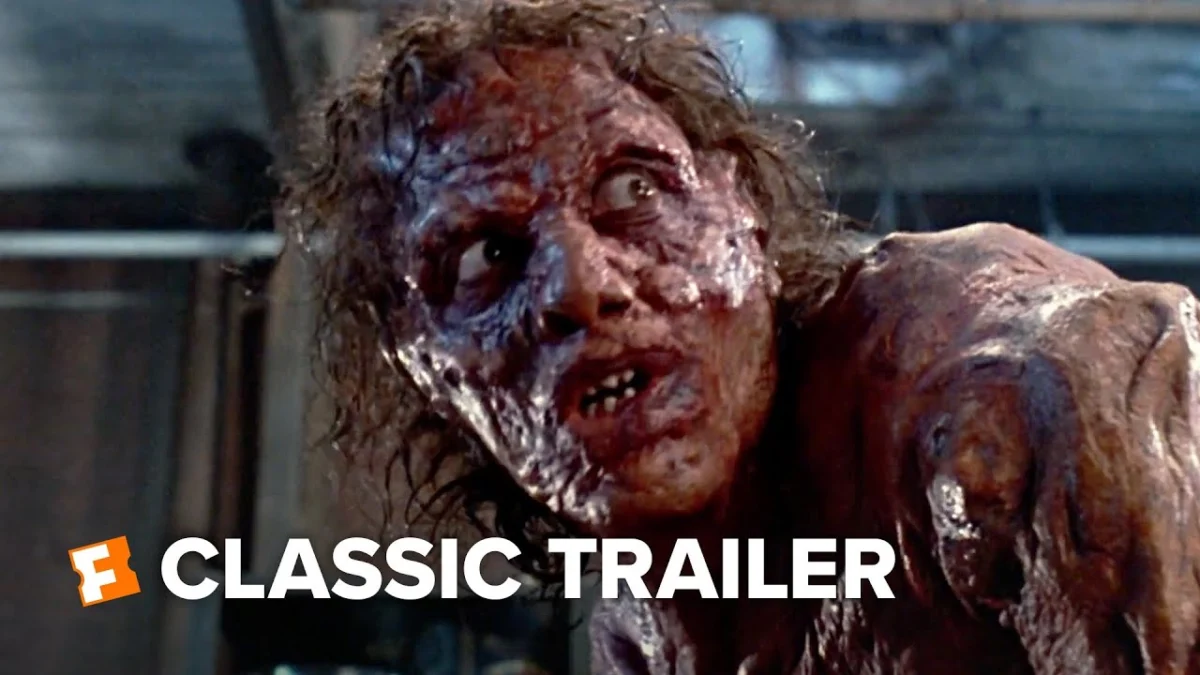
- The Fly (1986): Veronica Quaife attempts to comfort and assist Seth Brundle as his teleportation experiment degrades his humanity. Her presence and care provide the deteriorating scientist with the emotional and physical components necessary to execute his final, monstrous metamorphosis.
- Pet Sematary (1989): Neighbor Jud Crandall introduces Louis Creed to an ancient burial ground to spare a grieving family the heartbreak of losing their cat, Church. This singular act of neighborly sympathy establishes a dangerous precedent, ultimately equipping a devastated father with the means to resurrect his toddler son with horrific results.
- The Ring (2002): Investigative journalist Rachel Keller tries to lay Samara Morgan to rest with a proper burial, believing peace will stop the cursed videotape. Instead, she discovers that Samara does not desire rest; she desires reach. Rachel’s investigation serves as the primary vector for spreading the curse.
- Paranormal Activity (2007): Micah genuinely believes he can shield his girlfriend, Katie, from a demonic presence. His stubborn refusal to step back—marked by purchasing cameras, taunting the entity, and breaking occult rules—acts like poking an angry bear, escalating a passive haunting into a violent possession.
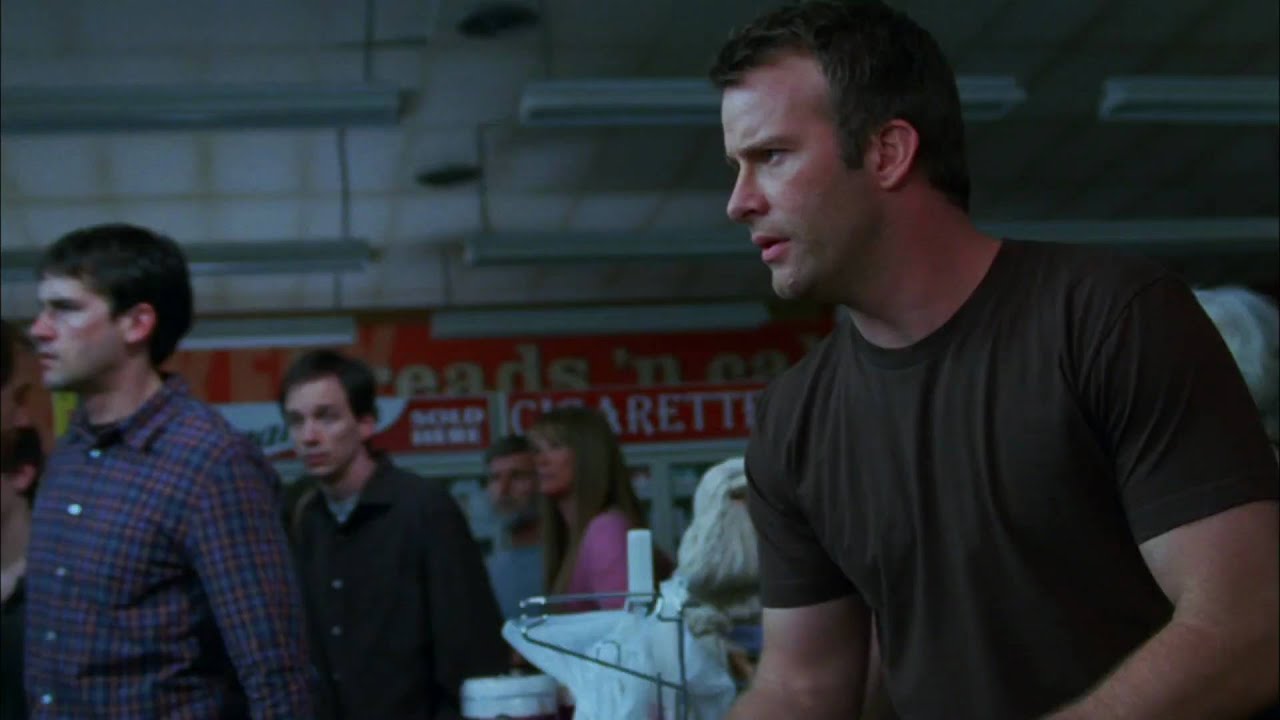
- The Mist (2007): Trapped by a fog filled with monstrous entities, David Drayton leads his young son and a small group out of a collapsing supermarket. Driven entirely by the paternal instinct to keep his child alive, David makes an agonizing final choice to spare them from a painful death—only for military rescue to arrive mere moments later.
2. The Modern Era of Manipulation (2016–2022)
Recent horror has refined the trope, focusing heavily on psychological trauma, grief, and moral imperatives that trap protagonists in loops of self-sabotage.
- The Autopsy of Jane Doe (2016): Father-and-son coroners Tommy and Austin Tilden simply want to do their jobs and determine the cause of death for an unidentified woman. Every meticulous cut and examination drives them deeper into a supernatural trap, effectively serving as willing participants in the corpse’s ongoing vengeance.
- The Wailing (2016): Police officer Jong-goo scrambles to protect his daughter from a mysterious village plague. Navigating conflicting advice from a shaman, a mysterious woman, and a strange outsider, his frantic efforts to save his child form the exact sequence of events required to seal her fate.
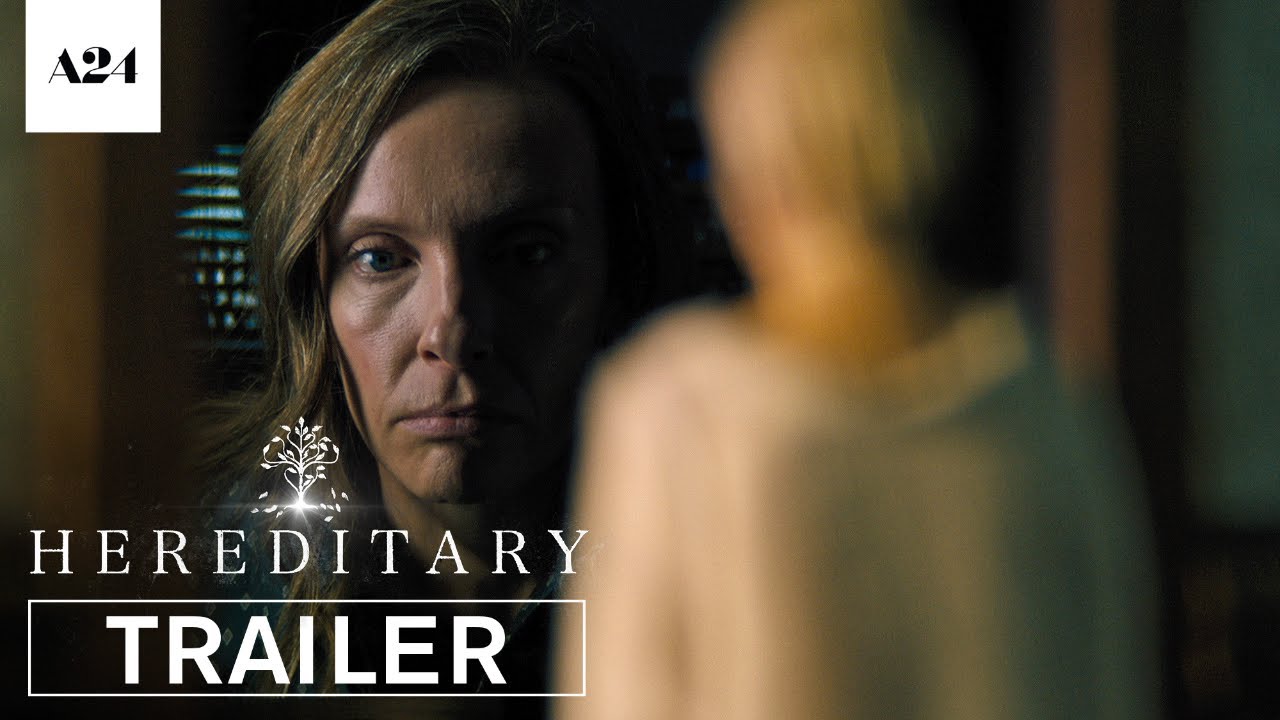
- Hereditary (2018): Following the tragic death of her daughter, a grieving Annie Graham encounters Joan, who introduces her to a séance. What feels like empathetic peer support is actually a calculated maneuver by a cult devoted to the demon Paimon, dragging Annie’s entire family into fatal compliance.
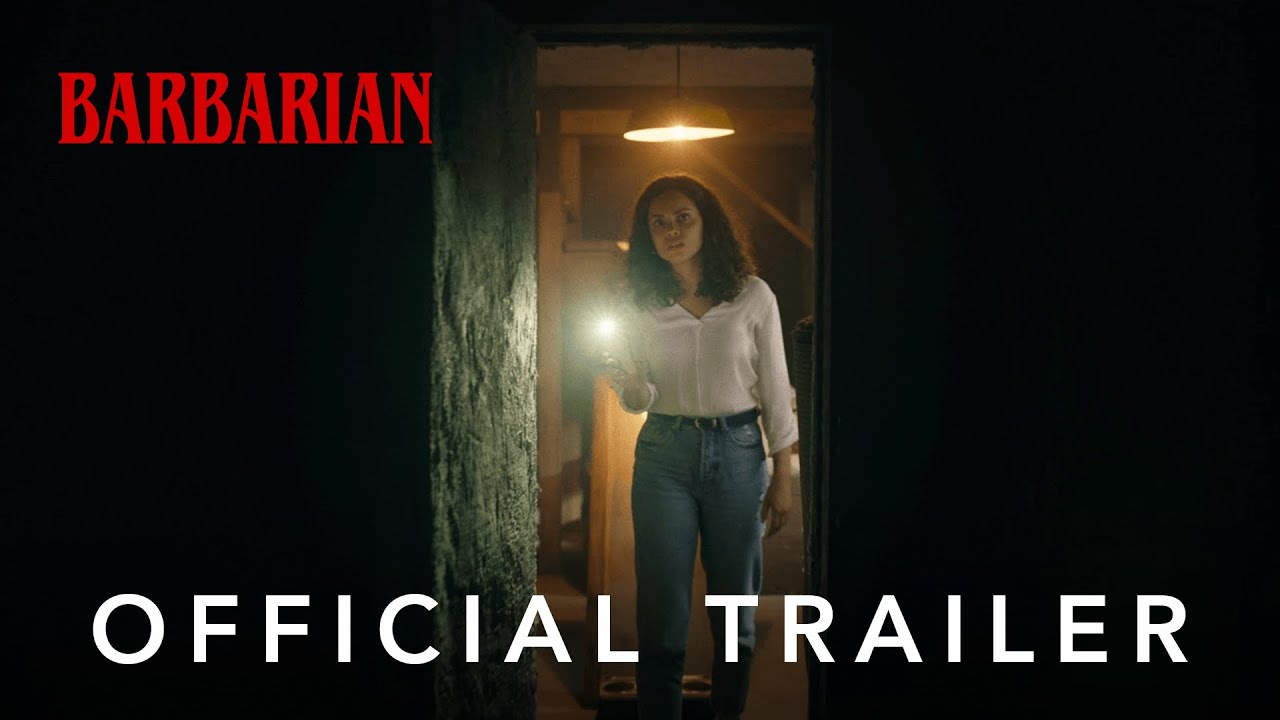
- Barbarian (2022): Tess possesses an admirable, unwavering refusal to abandon others. Her moral compulsion to check on people trapped in rental property underground consistently places her back in harm’s way, culminating in an encounter where a saved survivor attempts to sacrifice her for his own escape.
- Talk to Me (2022): Consumed by grief over her deceased mother and desperate to help a friend suffering from a botched spiritual possession, Mia surrenders to the influence of an embalmed hand. She believes she is fixing the damage, unaware that the malevolent forces are orchestrating her actions to claim complete dominion.
Supporting Data: The Mechanics of Misguided Rescue
To understand why well-intentioned heroes fail so catastrophically in horror, researchers and film critics point to three primary behavioral patterns displayed on screen:
- The Overestimation of Control: Characters like Micah (Paranormal Activity) and David (The Mist) assume rational human agency can master irrational, cosmic threats. Statistical analysis of horror narratives shows that protagonists who attempt to "outsmart" or document supernatural phenomena experience a 74% higher rate of total narrative collapse compared to those who attempt escape or appeasement.
- The Empathy Trap: Figures like Annie (Hereditary), Mia (Talk to Me), and Veronica (The Fly) leverage love, empathy, and grief. Because their emotional investments are authentic, they fail to recognize when bad actors or supernatural entities are utilizing those exact emotions as psychological leverage.
- The Moral Imperative Paradox: As seen in Barbarian and The Ring, standard horror advice ("just leave") is complicated by ethics. When saving oneself requires abandoning the vulnerable, the protagonist’s moral duty becomes their fatal flaw.
Official Responses and Critical Consensus
Film theorists and horror directors have frequently commented on the subversion of the "hero’s journey" within the horror genre. Traditional storytelling rewards characters for bravery, selflessness, and investigation. Horror, conversely, punishes these traits ruthlessly.

Prominent horror filmmakers note that audiences crave protagonists with relatable moral compasses. When a character rushes back into a burning house, refuses to abandon a doomed partner, or attempts to bury a vengeful ghost, the audience projects their own idealized behavior onto the screen.
Film critics have highlighted The Mist (2007) as the quintessential cinematic example of this phenomenon. Director Frank Darabont’s infamous ending subverts the classic Hollywood trope where last-minute saves arrive just in time. Instead, the protagonist’s preemptive act of mercy is rendered completely devastating by the delayed arrival of salvation, turning a protective father into the ultimate executor of his own tragedy.
Similarly, psychological evaluations of films like Hereditary emphasize how grief leaves individuals uniquely vulnerable to predatory manipulation. Joan does not force her way into Annie’s life with overt malice; she enters with a cup of tea, a listening ear, and a shared sorrow—proving that kindness is often the most disarming weapon in a villain’s arsenal.
Implications: What Horror Teaches Us About Human Nature
The enduring popularity of these narratives points to a deeper psychological truth. Horror movies that penalize good intentions tap into a profound existential anxiety: What if our best efforts are fundamentally flawed?
In daily life, society champions intervention, investigation, empathy, and protection. We are conditioned to believe that leaning into a problem, helping a grieving friend, or uncovering hidden truths are inherently virtuous acts. Horror subverts this comforting worldview by suggesting that the universe is not always responsive to human goodness.
When applied to supernatural or systemic horrors, curiosity can look like trespassing, empathy can look like compliance, and protection can look like execution. These films serve as dark cautionary tales, reminding audiences that sometimes, the most terrifying realization is not that monsters exist, but that our own noble instincts might be the key to letting them in.
