
Jonathan Bailey and Ella Purnell Lead a Star-Studded, Sensual Audio Reinvention of Bram Stoker’s Dracula
Main Facts
Audible has officially released a bold, immersive, full-cast audio adaptation of Bram Stoker’s timeless 1897 gothic horror masterpiece, Dracula. Spearheading this ambitious project is a powerhouse all-star English-language cast featuring Jonathan Bailey (Wicked, Bridgerton) in the titular role of the infamous vampire, alongside Ella Purnell (Fallout, Yellowjackets) as the steadfast Mina.
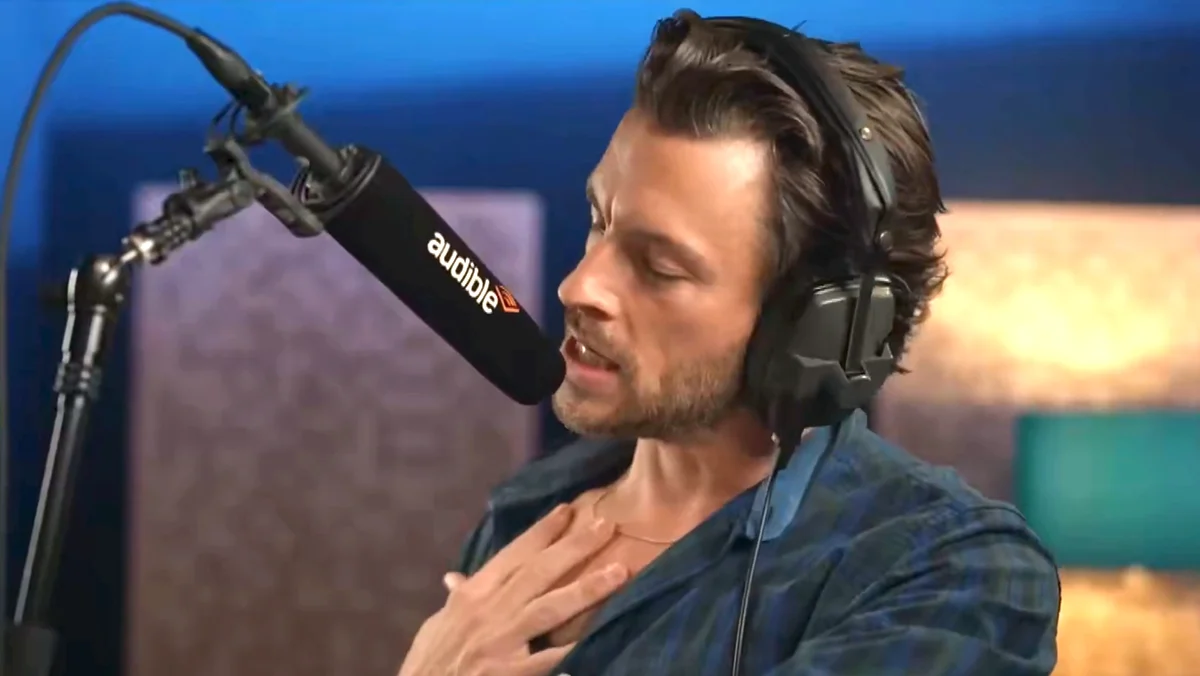
Far from a traditional, dry reading of the epistolary classic, this new production leans heavily into the inherent sensuality, psychological terror, and visceral tension embedded within Stoker’s original text. Promotional materials and behind-the-scenes featurettes have quickly gone viral, largely due to Bailey’s intensely physical, unabashedly steamy vocal performance. Described by critics and fans alike as practically "NSFW" (Not Safe For Work), Bailey’s portrayal features a cocktail of purrs, pants, and cackles that redefine the legendary creature of the night as the ultimate figure of seduction.
The production is further bolstered by a stellar ensemble cast featuring prominent contemporary actors. Aimee Lou Wood (The White Lotus) stars as the ill-fated Lucy Westenra, Louis Partridge (Enola Holmes) takes on the role of Jonathan Harker, David Jonsson (Industry) portrays Dr. John Seward, and Academy Award-nominee Lesley Manville (Phantom Thread) steps in as Mrs. Westenra. The ensemble is rounded out by Johnny Flynn (Ripley) as the unhinged Renfield, Francis Lovehall (A Thousand Blows) as Arthur Holmwood, and Academy Award-nominee Maggie Gyllenhaal (The Dark Knight, The Lost Daughter) in a gender-flipped, commanding turn as Professor Abraham Van Helsing.
Chronology of the Production and Release
The journey toward this provocative audio reimagining began with Audible’s strategic push to modernize classic literature through high-concept, cinematic audio experiences. By investing in top-tier talent from film, television, and theater, the platform aimed to bridge the gap between traditional audiobook listening and immersive audio drama.
- Casting and Development: Pre-production for the adaptation involved assembling a diverse, high-profile British cast known for their work in major contemporary franchises and prestige dramas. The creative team sought actors who could bring psychological depth and vocal agility to Stoker’s epistolary format, which relies heavily on journal entries, letters, and ship logs.
- Recording Sessions: The recording process utilized advanced spatial audio technology to create a 360-degree auditory environment, making listeners feel as though they are trapped inside the unfolding nightmare alongside the characters. During these sessions, actors like Bailey leaned into the physical nature of voice acting, resulting in the passionate, visceral delivery that has caught audiences by surprise.
- The Marketing Campaign and Sneak Peek: Audible released a behind-the-scenes featurette and promotional clips showcasing the actors in the studio. The footage immediately captured public attention, highlighting Bailey’s intensely physical approach to voicing the Count—complete with expressive body movements, heavy breathing, and theatrical vocalizations. Simultaneously, the promotional material hinted at dynamic character interpretations, including a distinct spark of chemistry between Purnell’s Mina and Wood’s Lucy.
- Official Global Release: The complete audio experience officially dropped on Audible, becoming immediately available for download worldwide. Alongside the digital release, media outlets and book enthusiasts began discussing the broader implications of revisiting classic horror through a modern, sensual, and star-studded lens.
Supporting Data and Cast Breakdown
To fully understand the scale of Audible’s new production, it is essential to examine the pedigree of the talent involved and the structural framework of the audio adaptation.
The Principal Cast and Their Roles
| Actor | Character | Notable Past Work |
|---|---|---|
| Jonathan Bailey | Count Dracula | Wicked, Bridgerton, Fellow Travelers |
| Ella Purnell | Mina Harker | Fallout, Yellowjackets, Arcane |
| Aimee Lou Wood | Lucy Westenra | The White Lotus, Sex Education |
| Louis Partridge | Jonathan Harker | Enola Holmes, Pistol |
| Maggie Gyllenhaal | Professor Van Helsing | The Dark Knight, The Lost Daughter |
| David Jonsson | Dr. John Seward | Industry, Alien: Romulus |
| Lesley Manville | Mrs. Westenra | The Phantom Thread, The Crown |
| Johnny Flynn | R.M. Renfield | Ripley, Emma. |
| Francis Lovehall | Arthur Holmwood | A Thousand Blows, Small Axe |
The Adaptation Style
Unlike standard unabridged audiobooks where a single narrator reads the text, this production utilizes a full-cast radio-drama style. Sound design plays a critical role, incorporating chilling ambient noises, atmospheric scoring, and binaural audio mixing. This approach mirrors the original novel’s structure—composed of diary excerpts, telegrams, and newspaper clippings—while amplifying the immediate emotional and physical states of the characters. Furthermore, the inclusion of actors like Maggie Gyllenhaal as Van Helsing signals a modern willingness to reinterpret traditional power dynamics and archetypes within classic horror literature.
Official Responses and Industry Reactions
The release of the promotional featurette and the subsequent launch of the audiobook have generated a wave of enthusiastic reactions across entertainment media, literary circles, and social platforms.
Audible’s promotional strategy capitalized heavily on the palpable chemistry and intense commitment of its lead actors. Reviewers and pop culture commentators have expressed astonishment at how quickly the adaptation dives into dark, alluring, and provocative territory. Critics have noted that while Bram Stoker’s 1897 novel has always contained underlying themes of repressed Victorian sexuality, desire, and bodily violation, few modern adaptations have leaned into these elements with such uninhibited vocal passion.
Jonathan Bailey’s performance, in particular, has become a focal point of public discussion. Industry analysts point out that Bailey’s recent career trajectory—marked by acclaim in both romantic dramas (Bridgerton) and blockbuster cinema (Wicked)—uniquely positions him to embody a character who is simultaneously terrifying and magnetic.
Meanwhile, commentary surrounding the dynamic between Ella Purnell’s Mina and Aimee Lou Wood’s Lucy has sparked conversations about the queer subtext historically present in vampire lore. Gothic literature scholars have long noted the parallels between vampire seduction and themes of forbidden intimacy, a tradition dating back to Sheridan Le Fanu’s Carmilla (1872). The subtle flirtation hinted at in the adaptation’s featurette has been welcomed by fans eager to see modern psychological nuances brought to the forefront of classic tales.
Implications for the Audiobook and Gothic Horror Markets
The success and viral nature of Audible’s Dracula carry several important implications for the future of audiobook production, classic literature adaptations, and the horror genre as a whole.
1. The Evolution of the Audio Drama
For decades, audiobooks were largely viewed as secondary companions to physical books, often recorded by a single narrator in a straightforward style. However, productions like this signal a permanent shift toward high-budget, cinematic audio experiences. By casting A-list film and television talent and investing in complex sound design, platforms like Audible are transforming audiobooks into premier entertainment events that can rival television and film releases in cultural impact.
2. Reimagining Classics for Modern Audiences
Classic literature often faces the challenge of feeling inaccessible to contemporary audiences due to archaic language or pacing. By infusing Stoker’s work with modern sensibilities—highlighting psychological depth, intense emotional stakes, and unapologetic sensuality—the production demonstrates how century-old texts can be revitalized without altering the foundational narrative. This approach attracts younger demographics who might otherwise bypass traditional literature.
3. The Enduring Appeal of the Vampire Archetype
The massive public response to Bailey’s portrayal proves that the cultural appetite for complex, seductive monsters remains insatiable. As vampires continue to cycle through various iterations in pop culture, this audio adaptation proves that the original archetype created by Bram Stoker—when executed with raw talent and psychological intensity—still holds the power to captivate, shock, and seduce audiences in the modern era.
For fans of gothic horror, stellar voice acting, and high-stakes drama, Audible’s Dracula is available now. Whether listeners choose to experience it digitally or pair it with a physical copy on their bookshelves, the production has firmly established itself as a defining cultural moment for the vampire mythos in the 21st century.
