
The Mega-Merger Era: Paramount Skydance’s $111 Billion WBD Acquisition Clears Final Hurdles to Reshape Hollywood
By Industry Analysis Desk
Published October 2, 2026
Main Facts
In what is destined to be remembered as one of the most consequential corporate consolidations in entertainment history, the $111 billion acquisition of Warner Bros. Discovery (WBD) by Paramount Skydance has officially cleared its final legal and regulatory hurdles. The mega-deal, spearheaded by media mogul David Ellison, is slated to officially close on October 6, 2026.
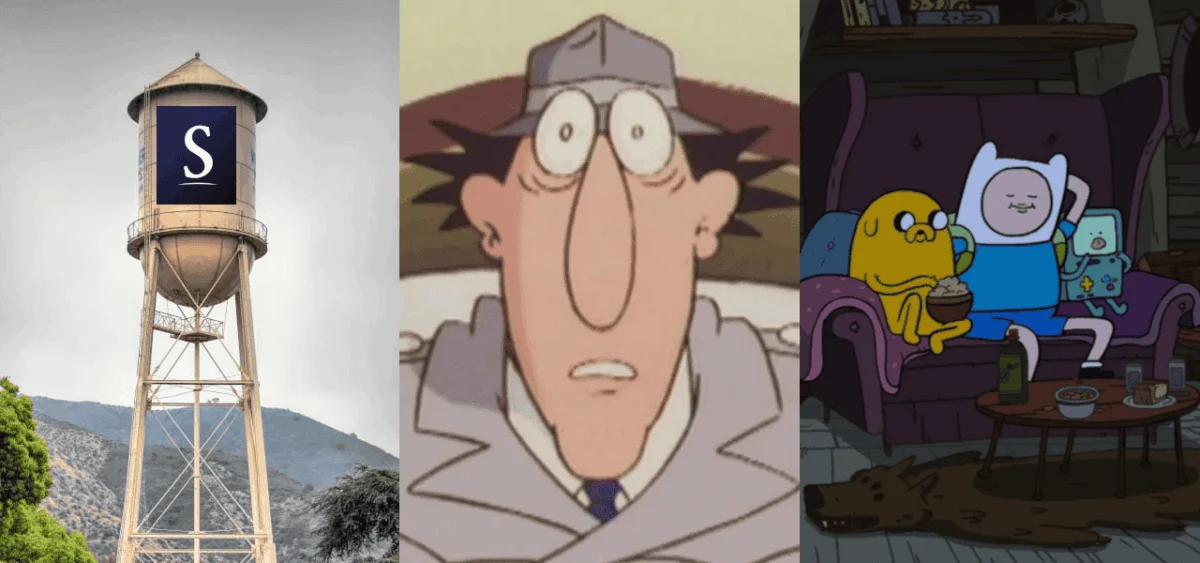
The merger permanently alters the landscape of global media by combining two of Hollywood’s historic legacy studios. While iconic consumer-facing banners like Paramount, Warner Bros., HBO, CBS, Nickelodeon, CNN, and DC Studios will survive as individual creative brands, the overarching corporate umbrella governing them will be known simply as Skydance. This branding choice signals a symbolic passing of the torch, naming the massive multi-billion-dollar enterprise after the boutique production company Ellison founded roughly two decades ago.
Beyond the seismic shift at the top of the corporate hierarchy, the past week in the animation and entertainment industries has brought a flurry of critical developments. These include mounting crises in regional children’s media markets, breakthroughs in labor unionization for visual effects (VFX) artists, shifts in streaming window strategies, and growing resistance to generative artificial intelligence across creative communities.
.png)
Chronology of Events and Industry Developments
The Road to the Skydance Takeover
- Mid-2025 to Early 2026: Speculation mounts regarding the financial instability and restructuring pressures facing Warner Bros. Discovery amidst shifting streaming paradigms and linear TV declines.
- Spring 2026: Paramount and Skydance advance negotiations for a transformative merger, quickly expanding into a hostile-yet-cooperative bid for the entirety of WBD’s assets.
- September 2026: Regulatory bodies worldwide scrutinize the antitrust implications of combining two major Hollywood studios. Concurrently, leadership maps out structural branding strategies.
- October 2, 2026: The final legal and regulatory constraints are cleared. David Ellison announces that the newly combined corporate entity will officially adopt the "Skydance" name, with the transaction set to close on October 6.
Parallel Industry Milestones (Week of October 2, 2026)
- Canadian Kids Media Crisis Report: A comprehensive industry study reveals that 85% of surveyed Canadian professionals view the domestic children’s entertainment sector as being in severe decline or outright crisis.
- In-House Animation Resurgence: Adventure Time: Side Quests supervising director Victor Courtright champions an in-house production model, arguing it can successfully rival traditional overseas outsourcing in both turnaround speed and cost-efficiency.
- Netflix’s Theatrical Pivot: Netflix confirms that the upcoming sequel to KPop Demon Hunters will secure a wide theatrical release, highlighting the streamer’s ongoing evolution toward traditional cinematic windows.
- Labor Breakthrough: Following a rigorous two-year organizing campaign, Apple Studios VFX workers ratify their inaugural International Alliance of Theatrical Stage Employees (IATSE) contract.
- Festivals and Competitions: Cartoon Brew launches its 2027 Oscar shorts series, spotlighting Bea Lema’s embroidered masterwork Corpus Christi. Meanwhile, LightBox Expo founders Bobby Chiu and Jim Demonakos outline strict anti-generative AI policies for their upcoming event, Hoppers director Daniel Chong kicks off the 24 Hours Animation Contest for Students, and Pixar/Disney veteran Christian Roman leads storyboarding workshops for Black N Animated.
Supporting Data and Market Metrics
The scale of the Paramount Skydance–WBD consolidation is staggering, bringing together vast libraries of intellectual property, linear networks, streaming platforms, and theatrical distribution pipelines under a single corporate entity.
- Valuation: The merger values the combined assets at approximately $111 billion, making it one of the largest corporate marriages ever attempted in the entertainment and media sector.
- Brand Portfolios Combined: The deal consolidates a vast ecosystem of cultural touchstones, merging Paramount Pictures, CBS, MTV, Nickelodeon, and Showtime with Warner Bros. Pictures, HBO, CNN, TNT, and DC Studios.
- Canadian Sector Distress: According to the latest regional data published this week, 85% of Canadian children’s media professionals describe their domestic market as either declining or facing an active existential crisis, driven by shifting public funding models and reduced global pre-sales.
- Labor Mobilization: The successful IATSE contract ratification by Apple Studios VFX workers represents the culmination of a grueling two-year organizing effort, setting a critical precedent for visual effects labor standards across major streaming studios.
Official Responses and Stakeholder Perspectives
The corporate restructuring and market shifts have elicited strong reactions from industry executives, labor leaders, and creative directors alike.
David Ellison’s decision to brand the parent company as Skydance has been interpreted by market analysts as a deliberate statement on the future of media leadership. By elevating the Skydance moniker—a company built on modern financing structures, tech-forward pipeline integration, and high-octane franchise filmmaking—Ellison is signaling a clean break from legacy Hollywood bureaucracy, even as he inherits century-old institutions like Warner Bros. and Paramount.
On the production front, creative strategies are actively shifting. Speaking on the viability of production models, Adventure Time: Side Quests supervising director Victor Courtright made a compelling case for domestic revitalization. Courtright noted that bringing animation production back in-house is no longer just an artistic preference, but a viable economic strategy capable of going toe-to-toe with traditional overseas outsourcing hubs on turnaround times and fiscal efficiency.
Labor representatives celebrated the Apple Studios VFX contract as a watershed moment. For years, visual effects artists have operated outside the traditional union structures that protect writers, directors, and actors. This newly secured IATSE agreement closes a multi-year chapter of grassroots organizing and establishes a baseline for fair compensation, working hours, and job security in the streaming era.
Meanwhile, independent event organizers and creators are drawing hard lines against emerging technologies. At LightBox Expo, founders Bobby Chiu and Jim Demonakos made headlines by doubling down on strict anti-generative AI policies, reinforcing the convention’s commitment to human-led artistry amidst a tech landscape increasingly dominated by automated solutions.

Implications for the Future of Entertainment
The closure of the $111 billion Paramount Skydance and Warner Bros. Discovery merger marks the definitive end of an era for Hollywood. For decades, the industry operated around a "Big Five" (and later "Big Six") studio system. With this latest consolidation, the ecosystem contracts further, leaving fewer major corporate buyers, employers, and commissioning editors in the marketplace.
1. Reduced Buyer Power and Creative Monoculture Concerns
For creators, writers, and independent animation studios, the loss of another distinct corporate buyer reduces leverage in pitch rooms. When two monoliths merge, greenlight processes often centralize, potentially leading to a more risk-averse slate of content focused heavily on established franchise IP rather than original storytelling.

2. Streaming and Theatrical Convergence
Netflix’s announcement of a broad theatrical window for the KPop Demon Hunters sequel underscores how rapidly the lines between streaming and traditional exhibition are blurring. As platforms seek alternative revenue streams and prestige event status for their animated and live-action properties, the theatrical window is evolving from a rigid exclusivity period into a flexible marketing and monetization tool.
3. The Push for Domestic and In-House Production Quality
As overseas outsourcing faces cost inflation and logistical friction, the industry is witnessing renewed interest in localized and in-house pipelines. Projects like Adventure Time: Side Quests point toward a hybrid future where studios leverage internal creative control to maintain tighter quality loops and faster delivery schedules.

4. Labor Realities and Technological Ethics
The successful unionization of Apple VFX workers, contrasted against the strict anti-generative AI stances taken by festivals like LightBox Expo, highlights a bifurcated industry. While corporate entities leverage multi-billion-dollar mergers and automated tools to maximize efficiency, the creative workforce is doubling down on labor protections, copyright integrity, and the preservation of human artistry.
As the October 6 closing date approaches, the entertainment world watches with bated breath to see how the newly minted "Skydance" corporate apparatus will manage its monumental portfolio—and whether the broader creative ecosystem can successfully navigate an increasingly consolidated horizon.
