Reclaiming the Craft: How Adventure Time: Side Quests Season 2 is Proving the Viability of Domestic In-House Animation
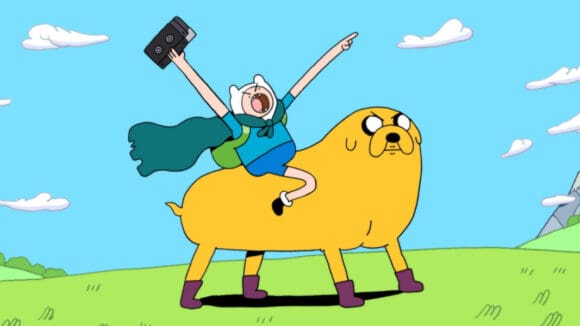
Following the warmly received debut of AdventureTime: SideQuests on Hulu and Disney+ earlier this summer, the creative team behind the hit series is utilizing its second season to champion a paradigm shift in modern American television animation. With the premiere of Season 2 on October 2, the production team has executed a bold experiment: bringing the heavy lifting of physical animation production back in-house.
By prioritizing domestic artistry for the season opener, “Death Fiction,” the crew is challenging long-held industry assumptions about budgetary constraints, tight television schedules, and the necessity of overseas outsourcing. The move has not only captured the raw, unfiltered vision of the show’s creators but has also opened doors for future conversations with major studios regarding how shows are built from the ground up.
Main Facts
Series & Platforms:Adventure Time: Side Quests streams on Hulu and Disney+, with Season 2 launching on October 2.
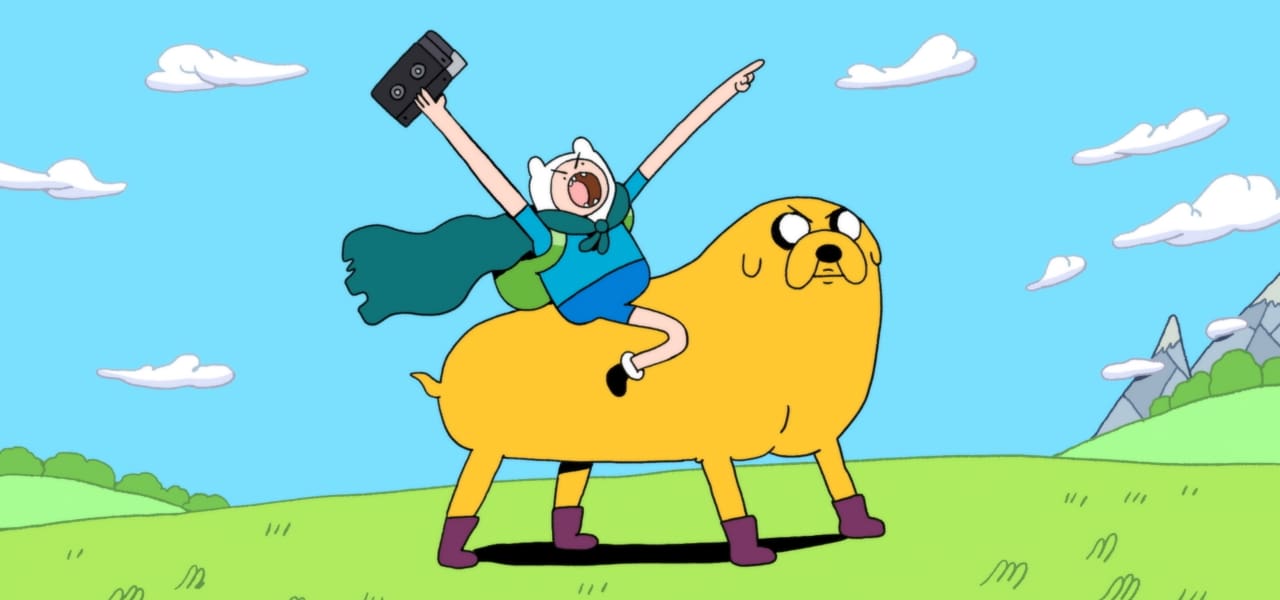
The Catalyst Episode: Season 2 premieres with “Death Fiction,” a dark, Lynchian comedy centered on Finn and Jake unearthing a disturbing VHS anthology tape.
The In-House Experiment: Unlike standard industry practices that heavily rely on overseas studios for final animation, the core production team for “Death Fiction” created the vast majority of the animation domestically.
Key Leadership: The episode was creatively spearheaded by supervising director Victor Courtright (ThunderCats Roar), showrunner Nate Cash (Over the Garden Wall), storyboard artists Keith Pakiz and Matt Yang, art director Nick Cross, and background painter Harper Sims.
Production Timeline: The in-house production of the episode was completed in 20 weeks—a remarkably swift turnaround that challenges the narrative that domestic animation is too slow for commercial television pipelines.
Studio Reception: Executives at Cartoon Network and Hulu have responded positively to the proof-of-concept, sparking serious discussions about scaling up domestic animation for future episode pickups.
Chronology of an In-House Production
The journey toward bringing physical animation back to the domestic workspace was not born out of a rigid master plan, but rather developed as an organic ambition among veteran creators who knew firsthand what was possible.
Phase 1: Conceptualization and the Birth of “Death Fiction”
Long before the specific logistics of domestic animation were finalized for Season 2, the writing and boarding process for the premiere episode was already underway. Storyboard artists Keith Pakiz and Matt Yang crafted a narrative rooted in childhood trauma and nostalgia—specifically, the universal experience of consuming adult media (like The Terminator) at too young an age. The episode’s title itself serves as a direct nod to Quentin Tarantino’s Pulp Fiction.
Pakiz conceptualized a rapid-fire sequence of bizarre, grotesque, and Lynchian imagery contained within a cursed VHS tape discovered by Finn and Jake. When Pakiz initially pitched these insert sequences to the creative team, the reaction was immediate and overwhelming.
Phase 2: Rolling Up Sleeves
As production advanced, Pakiz found himself juggling extensive storyboard duties alongside the animation of an entire half of an episode. Recognizing the sheer volume of work, supervising director Victor Courtright stepped in to assist with the surreal flashback inserts.
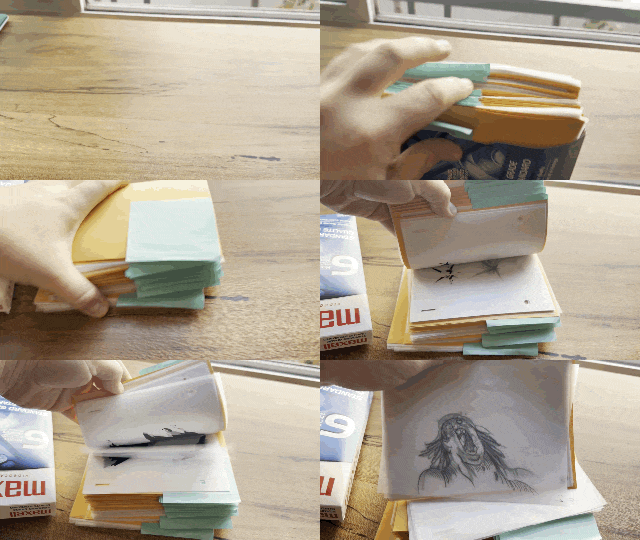
Utilizing a hybrid approach, Courtright took Pakiz’s visual boards, calculated the required frame counts, and physically transferred the work to paper utilizing traditional brush, pen, and pencil techniques. By taping a peg bar to a Cintiq screen for digital reference, Courtright painstakingly built the sequences before transferring the final frames to actual VHS tape—even physically shaking and striking the VCR to achieve authentic analog distortion.
With a lean, tightly knit crew, the division of labor relied heavily on the distinct talents of the core team:
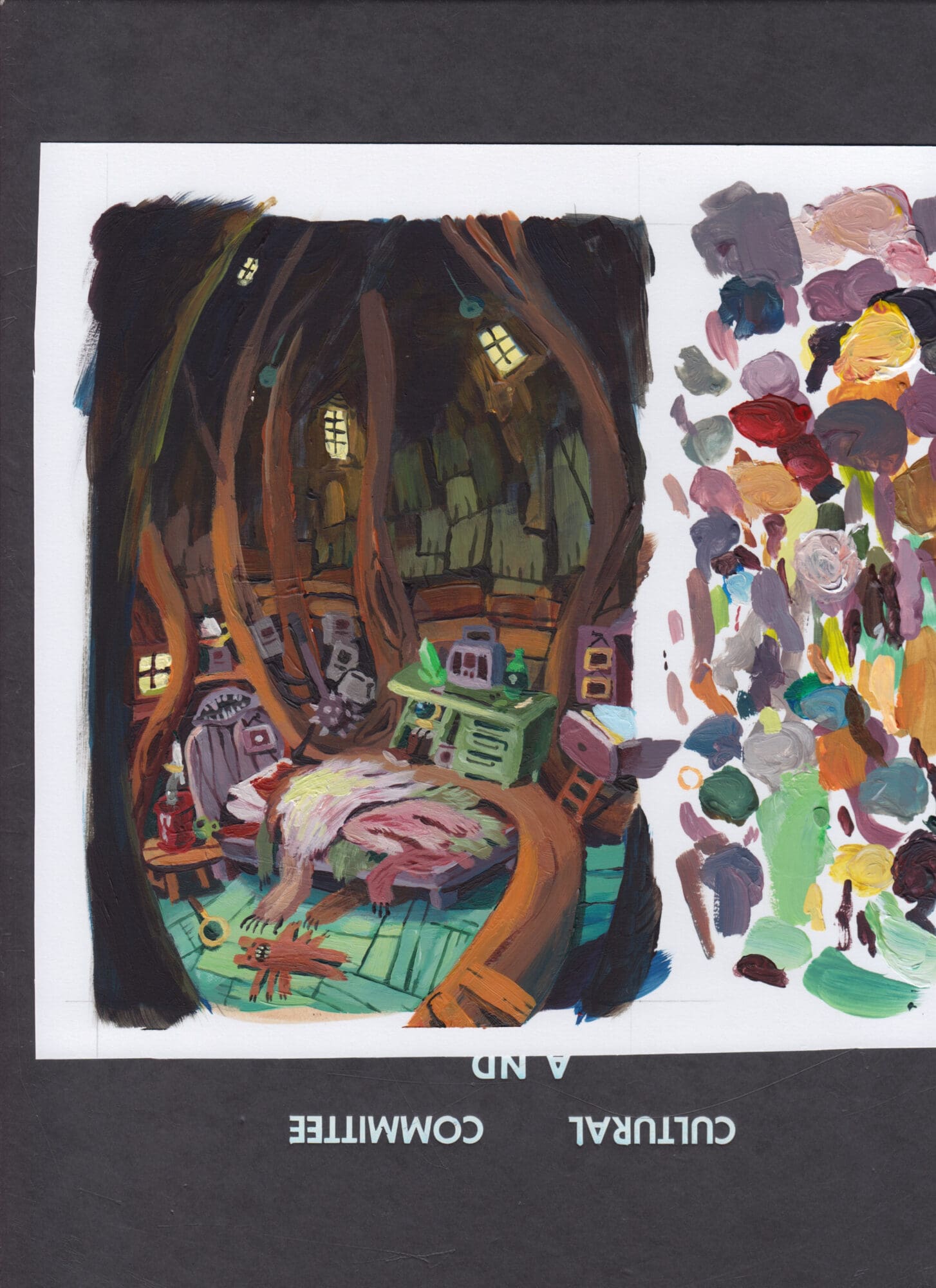
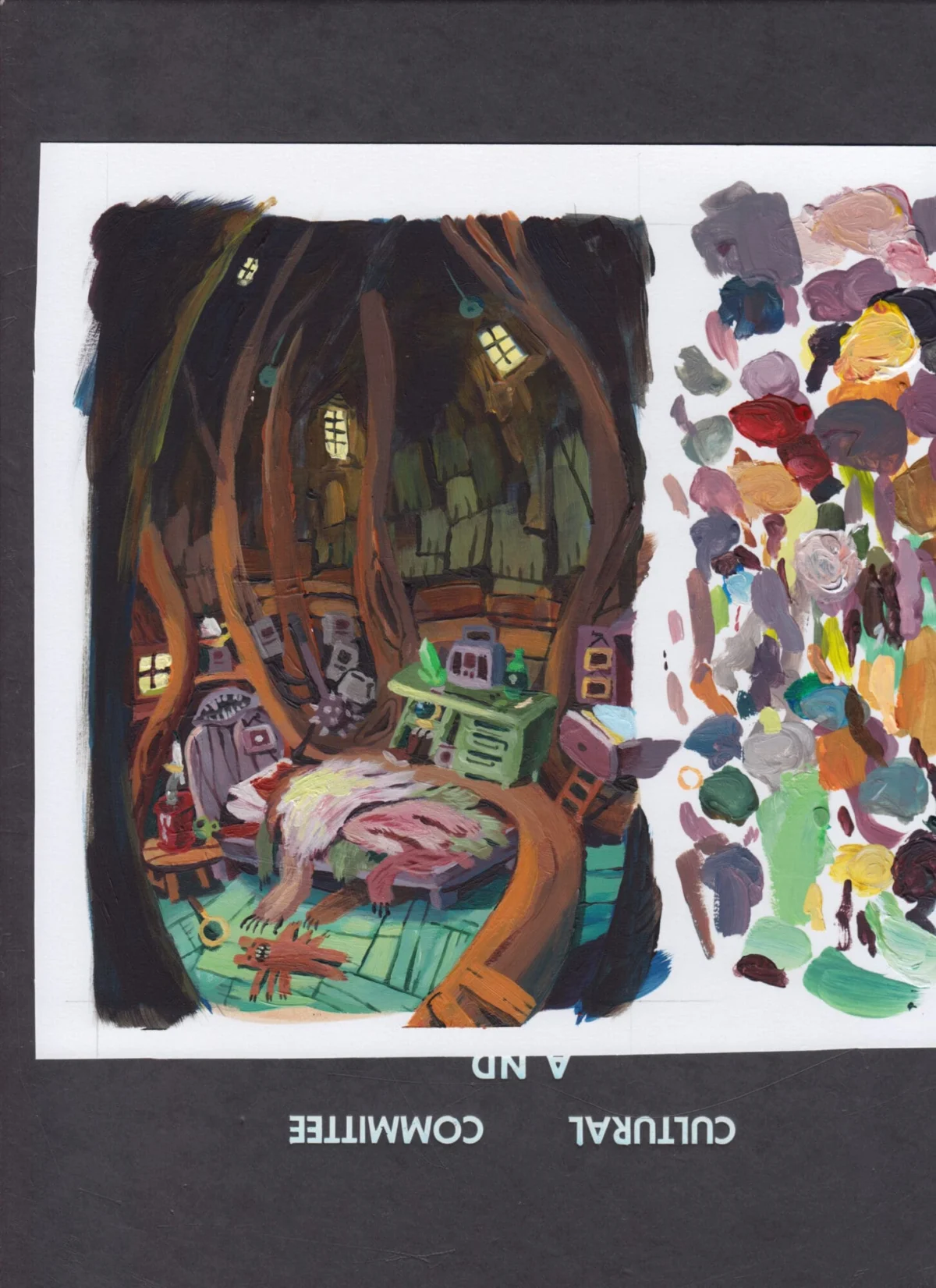
Nick Cross painted the evocative title card and guided the overall aesthetic.
Harper Sims produced a series of stark, beautiful black-and-white backgrounds and still assets.
Katie Aldworth directed the episode through its crucial board and animatic phases.
Nick Lamaro edited the animatic to maintain structural pacing.
Keith Pakiz and Matt Yang executed the vast majority of the core character animation.
Phase 4: Delivery and the Opening Titles Redo
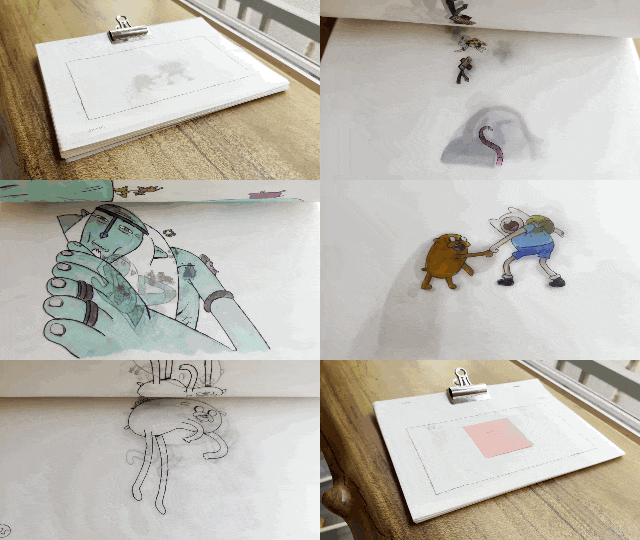
The entire enterprise was pushed across the finish line within a grueling yet manageable 20-week production window. The dedication to traditional craftsmanship extended even to the show’s main titles. Pakiz completely reanimated the sequence using pencil and ink on tracing paper, while Yang layered the characters on top. The resulting sequence combined background painting, stop-motion, and traditional cel animation into a tangible piece of art.
Supporting Data: The Economics and Timelines of Domestic Animation
For decades, the standard financial and operational model of U.S. television animation has leaned heavily on international outsourcing. Studios cite labor costs, infrastructure scale, and rigid delivery deadlines as the primary deterrents to keeping animation production stateside. However, the Side Quests team argues that these assumptions are frequently overstated.
The 20-Week Window: By proving that a small, experienced team of dedicated artists can complete a complex, visually distinct broadcast-ready episode in roughly five months, the production counters the myth that domestic teams cannot match commercial pacing.
Asset Integrity: In traditional overseas pipelines, expressive sketches often get flattened into standardized model sheets during the transition between the storyboard artist and the overseas clean-up crew. By keeping the pen in the hands of the original board artist, the team achieved a 100% retention of character intent, micro-expressions, and emotional resonance—such as the subtle bead of sweat forming on Finn and Jake’s faces during high-tension scenes.
Scaling Potential: Showrunner Nate Cash notes that with staggered scheduling—where artists complete boards for one episode while animation is underway on a preceding one—a modest expansion of in-house teams could sustainably handle a significant portion of a seasonal episode order.
Official Responses and Creative Insights
The success of the “Death Fiction” experiment has yielded candid insights from the show’s leadership regarding the hidden efficiencies of the animation industry and the emotional value of retaining artistic ownership.
Supervising Director Victor Courtright on Studio Misconceptions:
"The really exciting thing about this is I don’t think the studios know how long it actually takes for a single person to do animation. This is fast, but for someone who knows what they’re doing, it’s entirely doable. You’re able to say, ‘You don’t need to pay a low price to send it somewhere else.’ You can work with some amazing studios and get some really amazing work, but having the ability to maintain the ownership of [the animation] all the way through, and having the same person who boarded it draw the final frame, is magical."
Showrunner Nate Cash on Preserving Artistic Intention:
"When you ship something overseas, the biggest problem is when a drawing or expression is so perfect, and then it just gets put on model, which erases the personality of anything. [Here], it was amazing to get every single frame of their own sections and to have that intention behind it… Cutting back to Finn and Jake’s expressions and the sweat that’s forming, there’s no way that could be sent to another set of hands and come out in that way."
Cash on Future Prospects with Networks:
"If, and when, we get our pickup for more episodes, we definitely are going to do more than just one of those. I think at least five of them would be ideal. If we could do two boards, and then a roll back and start animating on the second one while the first one’s going through the approval process, I think that would be ideal. With a couple of teams doing it, I think that’s totally doable."
To which Courtright enthusiastically responded during discussions with network partners:
"I think they would probably also think that’s doable. But I’m like, ‘Let’s do 20!’"
Industry Implications
The implications of the Adventure Time: Side Quests Season 2 experiment stretch far beyond a single episode of television. As the animation industry navigates fluctuating corporate strategies, budget tightening, and a growing demand for unique visual identities, the reliance on homogenized, highly outsourced pipelines has faced increasing scrutiny from both creators and audiences.
By demonstrating that domestic, artist-driven production can successfully navigate the rigid boundaries of modern television budgets and timelines, the Side Quests team has provided a tangible blueprint for change. If major networks and streaming platforms like Cartoon Network and Hulu choose to embrace this model for future pickups, it could signal a renaissance for tactile, hand-crafted animation in the United States—proving that preserving the artist’s original touch is not just an idealistic artistic preference, but a practically achievable business model.

.png)