
The Enduring Shadow of The Overlook: Why Stephen King’s Complex Legacy Continues to Dominate Horror
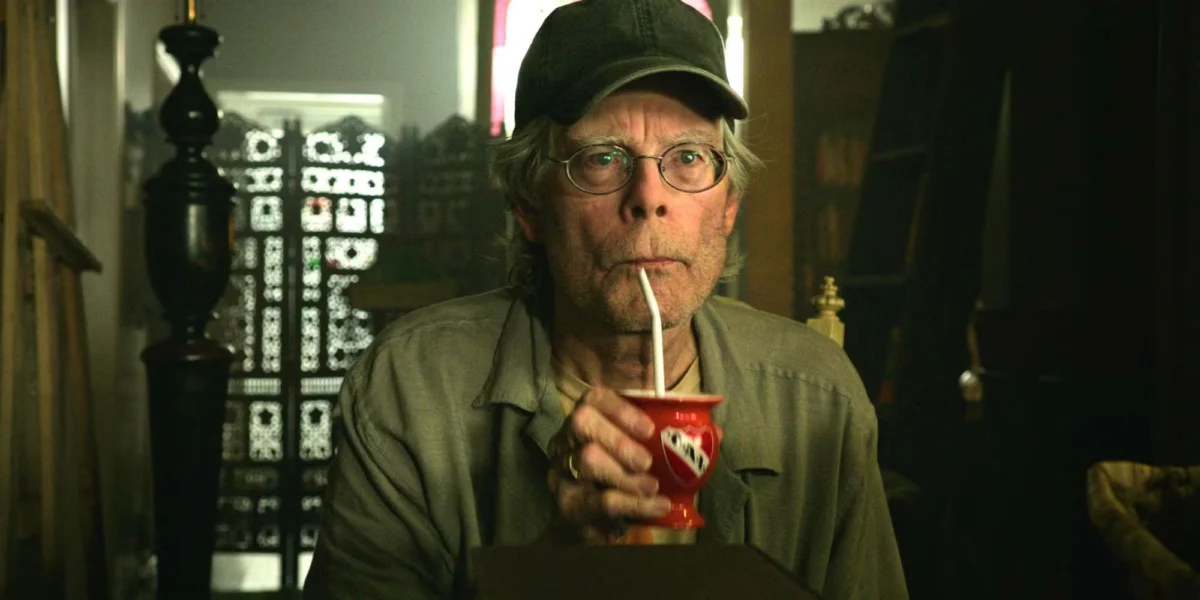
As the television landscape prepares for the highly anticipated premiere of the Carrie limited series on Prime Video this October 7, 2026, the cultural conversation surrounding Stephen King’s cinematic legacy has once again reached a fever pitch. Serving as an executive producer on the new project, King’s involvement marks yet another chapter in his long-standing, albeit turbulent, relationship with Hollywood.
The upcoming Carrie adaptation arrives as the latest entry in a string of recent high-profile projects—including The Long Walk and The Monkey—that underscore the author’s continued relevance in a genre he effectively redefined. Yet, even as audiences gear up for this new vision, a surprising phenomenon is occurring on streaming platforms: Stanley Kubrick’s 1980 adaptation of The Shining is enjoying a massive resurgence, climbing the charts on domestic platforms like Max. This intersection of the new and the classic highlights a decades-long creative tug-of-war between the master of horror and the directors tasked with bringing his nightmares to life.
The Chronology of Conflict: King vs. The Overlook
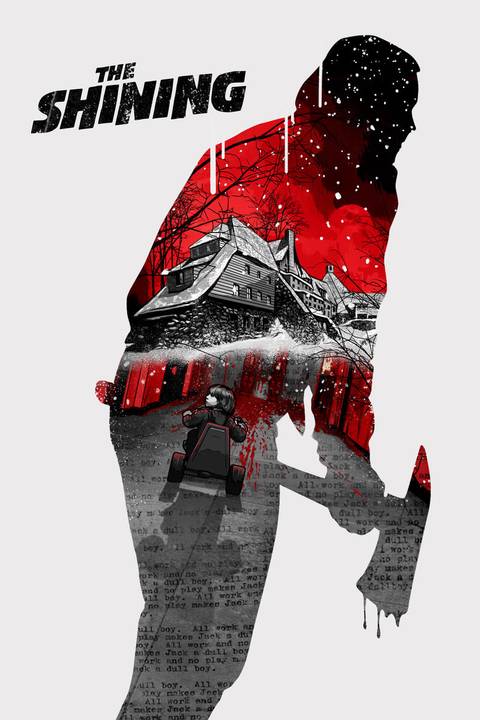
To understand the current discourse, one must look back to the foundational rift between the author and the director. In 1980, Stanley Kubrick released his vision of The Shining, starring Jack Nicholson and Shelley Duvall. While the film is now widely regarded as one of the greatest horror movies ever made, its initial reception was far more divisive, and no one was more vocal in their dissatisfaction than King himself.
King, who has been notoriously protective of his source material, famously criticized the film in his non-fiction work, Danse Macabre. He described the adaptation as "a maddening, perverse, and disappointing film," famously likening it to "a big, beautiful Cadillac with no motor inside." For King, Kubrick’s cold, intellectual approach stripped away the emotional core of the Torrance family’s tragedy.
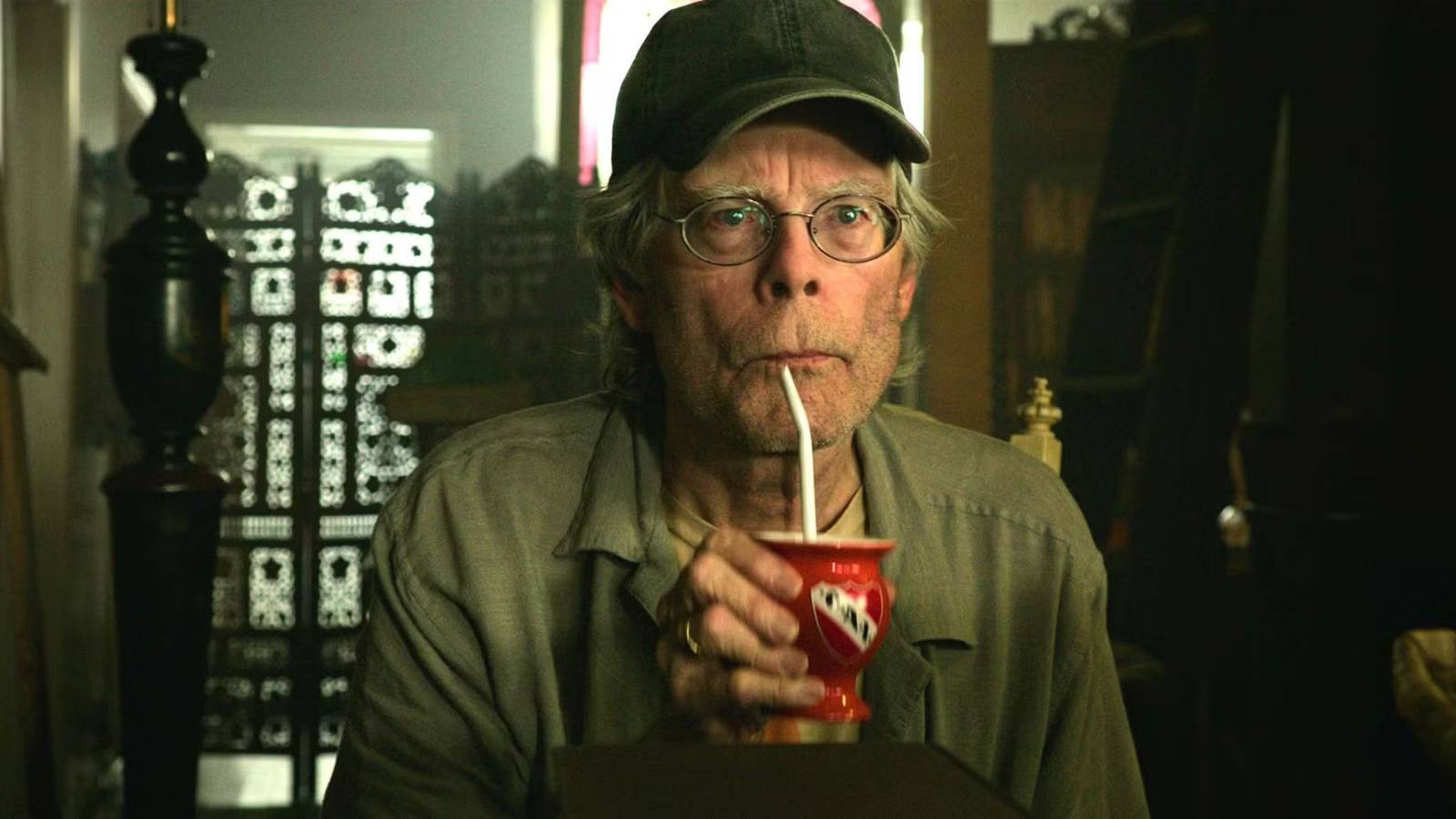
This disappointment eventually led King to take matters into his own hands. In 1997, he penned his own limited series adaptation of The Shining, aiming to restore the character arcs and thematic nuances he felt were sacrificed in the 1980 feature. This history of friction is not an isolated incident; it serves as a blueprint for how King views his literary offspring. Similar to the public discourse surrounding Lee Child’s shifting stance on Tom Cruise’s portrayal of Jack Reacher—where initial support eventually gave way to critique regarding the character’s physical stature—King’s relationship with his adaptations is defined by a constant search for narrative fidelity.
The Flanagan Factor: A Collaborative Renaissance
If the Kubrick era was defined by friction, the current decade is defined by the symbiotic partnership between Stephen King and filmmaker Mike Flanagan. Unlike the contentious dynamic of the past, Flanagan has emerged as the definitive interpreter of King’s prose for the modern era.
Flanagan’s work, which includes Gerald’s Game (2017), Doctor Sleep (2019), and the recent The Life of Chuck, has earned the rare stamp of approval from the author himself. The most significant of these was Doctor Sleep, a film that attempted the impossible: bridging the gap between King’s literary sequel and the visual legacy of Kubrick’s The Shining. While the film faced commercial headwinds at the box office, it remains a critical darling, praised for its ability to balance the reverence for Kubrick’s imagery with the psychological depth of King’s writing.
This collaboration has paved the way for the 2026 Carrie miniseries. By positioning himself as an executive producer, King is ensuring that the transition from page to screen maintains the soul of the 1974 novel, leveraging Flanagan’s proven track record of handling high-stakes IP with both reverence and innovation.

Supporting Data: The Streaming Paradox
The resurgence of The Shining on streaming charts, even as Carrie prepares to debut, reveals a fascinating paradox in modern consumption. According to data from FlixPatrol, The Shining remains a staple of domestic viewing habits, often charting alongside contemporary horror hits like Evil Dead Burn.
This data suggests that the "King Effect" is cyclical. Whenever a new adaptation is announced or released, it triggers a broader interest in the "King Cinematic Universe," driving audiences to revisit the classics. This cross-pollination of interest is a testament to the longevity of King’s brand. Even when he openly dislikes a film, that film becomes part of the tapestry of his career. The market demand for King-related content remains inelastic; whether it is a new series on Prime Video or a 46-year-old masterpiece on Max, the audience appetite for the macabre remains insatiable.
Official Responses and Creative Control
The shift in King’s role from passive observer to active executive producer represents a broader industry trend where authors are taking more agency over their intellectual property. In recent interviews, King has expressed a newfound sense of peace regarding adaptations. He acknowledges that film is a medium separate from literature, noting that while the "motor" of his books is different from the "motor" of a film, the two can coexist as distinct artistic statements.
The production team behind the 2026 Carrie series has emphasized that this iteration will lean into the epistolary nature of the original novel, utilizing the longer-form format of a miniseries to explore the psychological isolation of Carrie White in a way that two-hour films have previously struggled to capture. By involving King directly, the studio hopes to avoid the "maddening" distance that characterized the 1980 Shining production, creating a product that satisfies both the purist fanbase and the casual streaming audience.
Implications for the Future of Horror
The implications of this trajectory are significant. As streaming services fight for dominance, they are increasingly turning to established literary titans to anchor their libraries. King is, perhaps, the most valuable asset in this landscape.
However, the success of these projects hinges on a delicate balance. If the new Carrie series succeeds, it will solidify the "Flanagan-King" model as the industry standard for adaptations—one that values direct authorial collaboration over the "auteur" model that governed the 1970s and 80s. Conversely, if the series fails to capture the public’s imagination, it may signal that even the most iconic stories have a saturation point.
Moreover, the enduring popularity of The Shining proves that an adaptation does not need to be "faithful" to be influential. Kubrick’s version changed horror forever, regardless of King’s feelings toward it. The lesson for future filmmakers is that while an author’s blessing is a powerful marketing tool and a creative compass, the screen offers a space for reinterpretation that is inherently disruptive.
As we look toward the premiere of Carrie, we are not just watching a new show; we are witnessing the latest evolution of a relationship that has shaped the horror genre for half a century. Whether the new series manages to please the author or invites another round of "Cadillac-without-a-motor" critiques, the conversation will undoubtedly continue to drive the genre forward. In the end, Stephen King’s work continues to prove what he wrote in Danse Macabre: that horror is not just about what scares us, but about why we keep coming back to be scared, over and over again, in whatever form it may take.
As the October deadline approaches, one thing remains certain: the Overlook may be empty, but the shadow of Stephen King’s influence has never been larger.
