
The Anatomy of a Controversial Conclusion: Why Ridley Scott Refused to Faithfully Adapt Thomas Harris’s Hannibal Ending
Main Facts
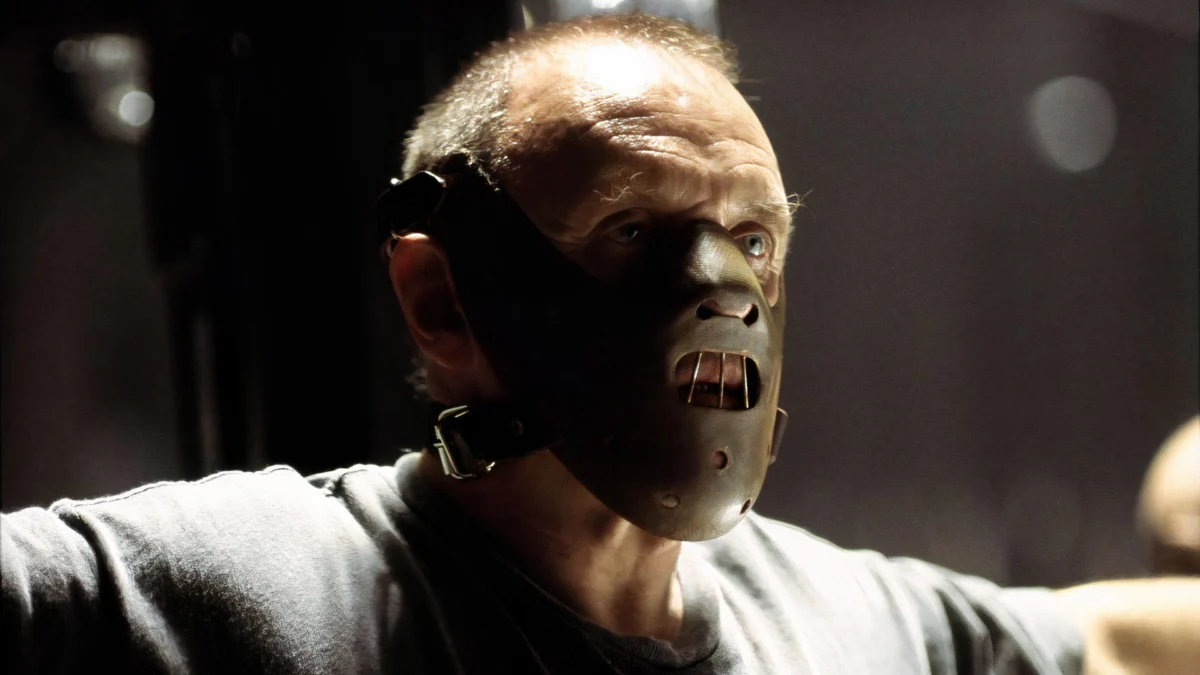
The cinematic legacy of the Hannibal Lecter franchise is a landscape defined by critical divergence, cultural touchstones, and notoriously difficult narrative transitions. While Jonathan Demme’s 1991 masterpiece The Silence of the Lambs achieved the historic and rare feat of sweeping the "Big Five" Academy Awards—Best Picture, Best Actor, Best Actress, Best Director, and Best Adapted Screenplay—its eventual sequel struggled immensely under the weight of its own source material.
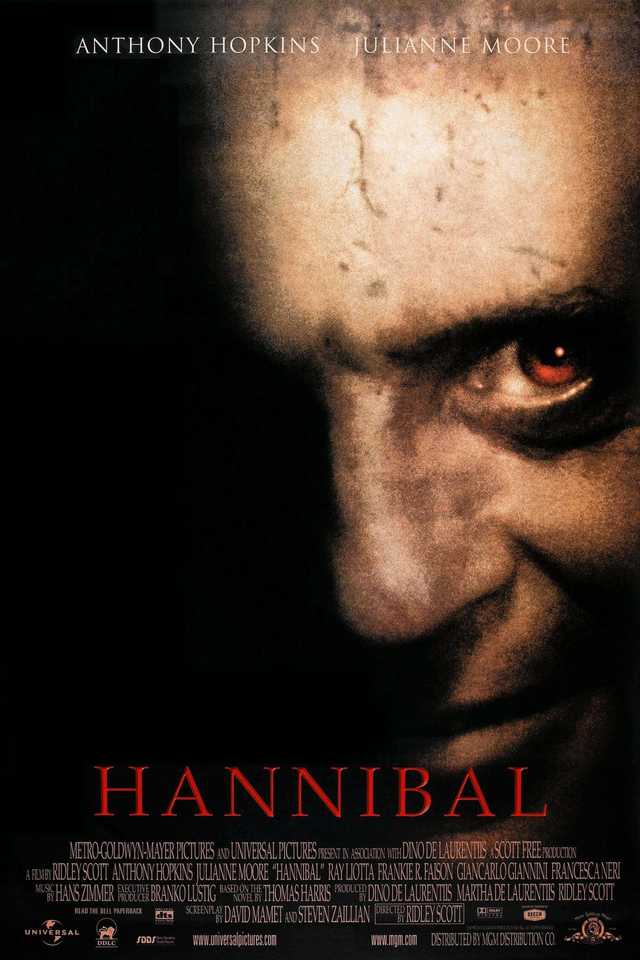
When director Ridley Scott took the helm of 2001’s Hannibal, he inherited a project already abandoned by both Demme and original star Jodie Foster. The root of their hesitation, and the primary point of contention surrounding Thomas Harris’s 1999 bestselling novel, was its deeply polarizing conclusion. In the book, FBI Special Agent Clarice Starling—broken down by institutional misogyny, targeted by corrupt superiors, and subjected to psychological manipulation—is systematically rehabilitated by Dr. Hannibal Lecter using a cocktail of heavy narcotics and deep-seated regression therapy. The book culminates in a bizarre, surreal alliance: Starling and Lecter become romantic lovers, fleeing the United States together to live out a life of cultured hedonism.
Recognizing that a direct, unvarnished adaptation of this climax would utterly shatter the psychological integrity of one of modern cinema’s most beloved heroines, Ridley Scott and his creative team instituted crucial narrative departures. Though the film retained much of the novel’s grand guignol excess—most notably the infamous, darkly satirical brain-eating sequence featuring Justice Department official Paul Krendler—it altered Starling’s fate. Julianne Moore stepped into the role of Clarice, and rather than submitting to Lecter’s dark romanticism, she ultimately attempts to arrest him, allowing the cannibalistic serial killer to escape rather than running off into the sunset by his side.
Chronology of the Franchise and the Novel’s Adaptation
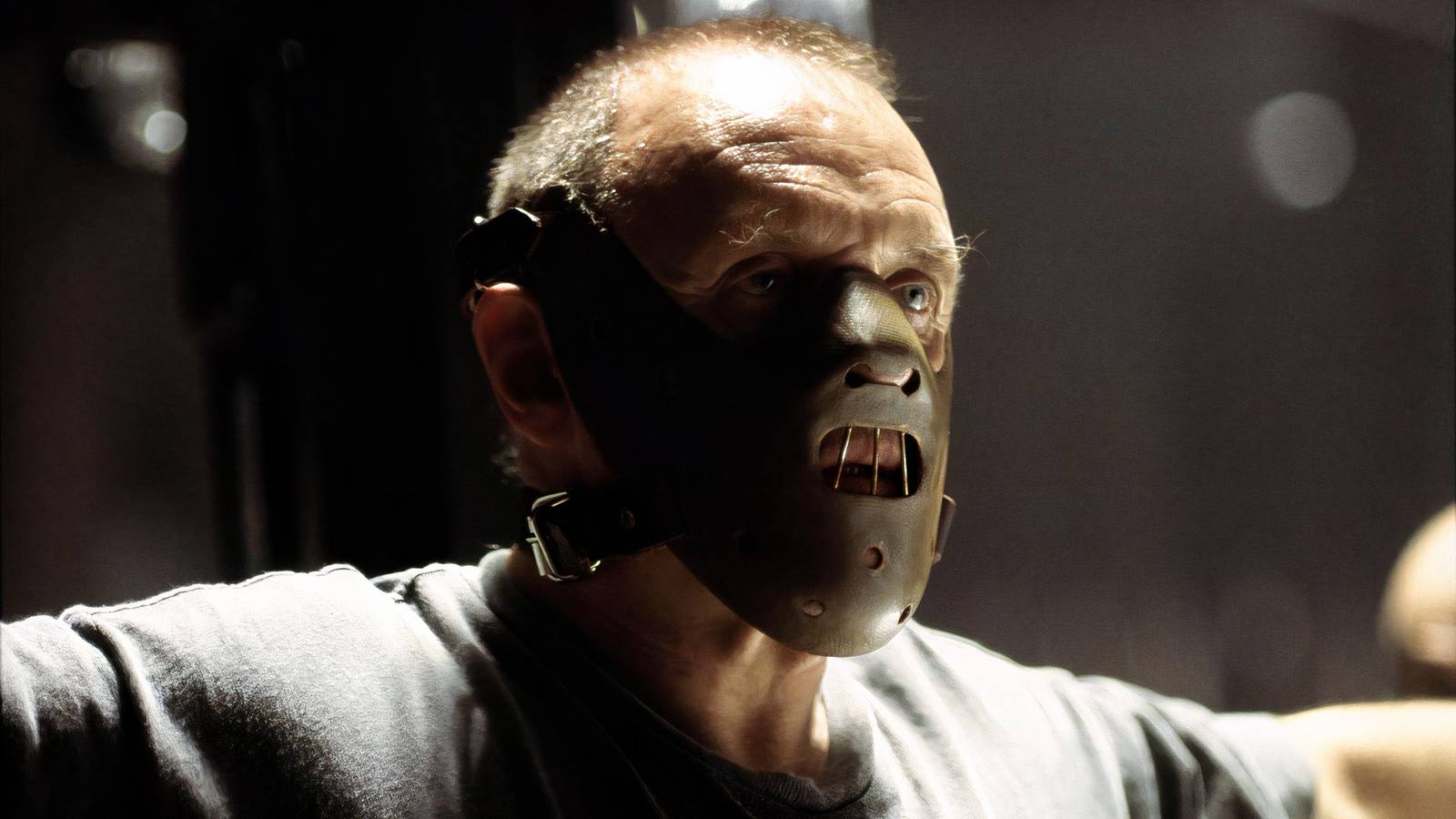
The troubled history of translating Thomas Harris’s universe to the screen unfolds across several distinct phases:
- February 1986: Michael Mann releases Manhunter, an artistic and atmospheric adaptation of Thomas Harris’s 1981 novel Red Dragon. Despite its subsequent critical reappraisal as a neo-noir classic, it performs poorly at the box office, grossing just over $8.6 million on a $15 million budget.
- February 1991: Jonathan Demme’s The Silence of the Lambs premieres. Propelled by iconic performances from Anthony Hopkins as Hannibal Lecter and Jodie Foster as Clarice Starling, it becomes a massive cultural and commercial phenomenon, grossing $272.7 million worldwide.
- March 1992: The Silence of the Lambs dominates the 64th Academy Awards, cementing its legacy in horror and thriller cinema history. Discussions for a sequel begin almost immediately.
- June 1999: Thomas Harris publishes the long-awaited novel Hannibal, which commands astronomical pre-order sales and dominates international bestseller lists. However, literary critics and readers express immediate shock and dismay over the novel’s gothic, transgressive twists and the romantic pairing of Lecter and Starling.
- 2000: Director Jonathan Demme officially passes on directing the film adaptation, citing creative discomfort with the novel’s dark, lurid material. Jodie Foster similarly declines to reprise her role as Clarice Starling, stating in subsequent interviews that the direction of the character did not align with her vision. Julianne Moore is cast as Starling, and Ridley Scott signs on to direct.
- February 2001: Hannibal is released in theaters. It proves to be a major financial success, opening to a record-breaking $58 million domestically, though it receives sharply mixed reviews from critics who find the narrative disjointed and the central relationship difficult to swallow.
- September 2002: Universal Pictures releases Red Dragon, a prequel directed by Brett Ratner that attempts to recapture the formula of The Silence of the Lambs, bringing back Anthony Hopkins alongside an ensemble cast featuring Edward Norton, Ralph Fiennes, and Philip Seymour Hoffman.
- February 2007: The franchise hits a creative nadir with the release of Hannibal Rising, a prequel detailing the young serial killer’s traumatic origins in World War II Lithuania, which is universally panned by critics and audiences alike.
- 2013–2015: Bryan Fuller revitalizes the intellectual property with NBC’s psychological thriller series Hannibal, starring Mads Mikkelsen and Hugh Dancy. The series dives deep into the purple prose of Harris’s writing, successfully reframing the emotional obsession between Lecter and FBI profiler Will Graham in a way the original films could not achieve with Starling.
Supporting Data and Production Insights
The production of 2001’s Hannibal was fraught with high-stakes negotiations, casting shifts, and commercial pressures. Universal Pictures poured significant capital into the project, securing a budget reported to be around $87 million—a massive sum for an R-rated psychological horror-thriller at the turn of the millennium.
The box office return justified the financial risk, with the film pulling in approximately $351.6 million worldwide. Yet, the critical reception reflected a deep cultural disconnect between the book’s readership and the general moviegoing audience.

| Metric / Detail | The Silence of the Lambs (1991) | Hannibal (2001) |
|---|---|---|
| Director | Jonathan Demme | Ridley Scott |
| Clarice Starling Actor | Jodie Foster | Julianne Moore |
| Worldwide Box Office | $272.7 Million | $351.6 Million |
| Academy Awards Won | 5 (Best Picture, Actor, Actress, Director, Adapted Screenplay) | 0 |
| Rotten Tomatoes Score | ~95% | ~39% |
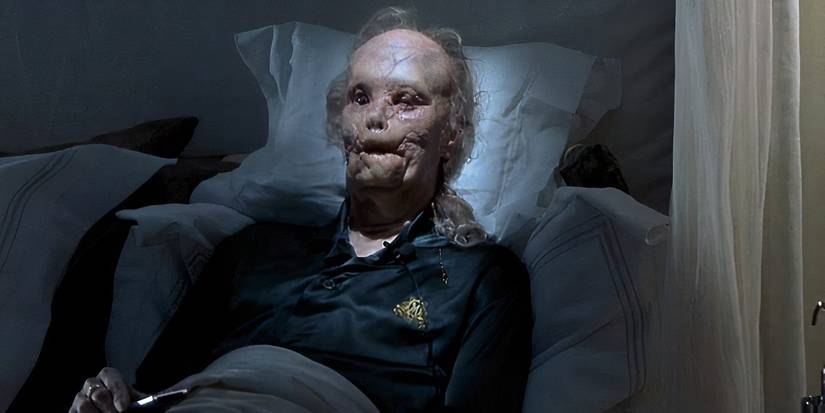
Behind the scenes, tensions extended beyond the director’s chair and the lead actress’s departure. Gary Oldman, cast as the hideously disfigured and vengeful billionaire Mason Verger, demanded top billing alongside Anthony Hopkins and Julianne Moore. When studio executives refused his request, Oldman made the unprecedented decision to go entirely uncredited for his transformative, career-defining performance, hiding his name from the marketing campaign and the film’s title sequence entirely.
Official Responses and Creative Perspectives
The decision to alter Thomas Harris’s literary climax was not made lightly. Ridley Scott, fresh off a massive career resurgence with epics like Gladiator (2000), recognized that the source material ventured into territory that could alienate the core demographic built by Jonathan Demme’s film.
In a 2001 interview with The Guardian, Scott addressed the inherent friction within the narrative. While he acknowledged that Thomas Harris had carefully laid the groundwork for Hannibal’s genuine fixation on Clarice, Scott admitted his own boundary as a storyteller:
"I couldn’t take that quantum leap emotionally on behalf of Starling."
Scott consulted closely with the studio and weighed the narrative options, ultimately deciding that asking audiences to accept Starling’s sudden ideological U-turn would destroy the audience’s investment in her character arc. By preserving the gothic atmosphere, the grotesque violence, and the philosophical sparring between the characters while altering the final resolution, Scott hoped to thread the needle between literary fidelity and cinematic viability.
Jodie Foster’s refusal to participate spoke volumes about how deeply protective audiences and artists were of Clarice Starling’s established identity. In a 2005 interview with GamesRadar, Foster opted to maintain diplomatic distance regarding the finished product, stating curtly:
"I saw Hannibal. I won’t comment."
This tight-lipped response carried immense weight, especially given her enthusiastic vocal support for Michael Mann’s Manhunter and her foundational contribution to the character’s cinematic immortality.
Implications for the Franchise and Legacy
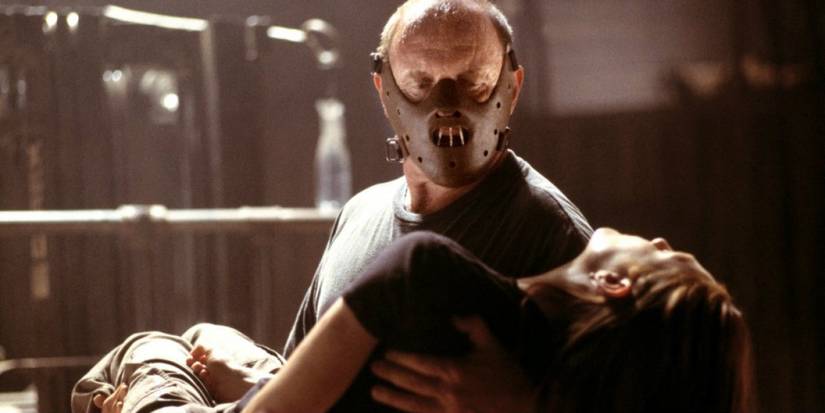
The controversy surrounding the ending of Hannibal—both in print and on screen—permanently altered the trajectory of the franchise. By refusing to follow Harris’s exact roadmap, Scott avoided an immediate backlash of total audience rejection, but the compromise left the film’s conclusion feeling structurally orphaned. The film’s final moments, featuring Starling attempting to handcuff herself to Lecter before he severs his own hand to escape, establish a sense of open-ended ambiguity that practically begged for a third chapter. Because Anthony Hopkins aged out of the role and Julianne Moore never intended to return for a multi-film contract, that cinematic reunion never materialized.
Instead, the intellectual property retreated into safer, more conventional territory with Red Dragon, before pivoting entirely into television a decade later. Showrunner Bryan Fuller’s NBC series Hannibal demonstrated that the "quantum leap" Scott feared could actually be achieved—provided the narrative context was radically reframed. By substituting Clarice Starling with Will Graham, Fuller leaned fully into the homoerotic, philosophical, and psychological codependency of Harris’s prose, embracing a dark, operatic conclusion in the series’ third-season finale that felt organic to that specific relationship.
Ultimately, Ridley Scott’s structural intervention on Hannibal saved Clarice Starling from character assassination. While the film remains a flawed, baroque, and uneven entry in the canon, its refusal to succumb to the most radical impulses of Thomas Harris’s novel preserved the integrity of an American cinematic icon, ensuring that Starling’s legacy remained defined by her unyielding pursuit of justice rather than a dark romance with a monster.
