
Beyond the Labyrinth: An In-Depth First Look at Hellraiser: Revival
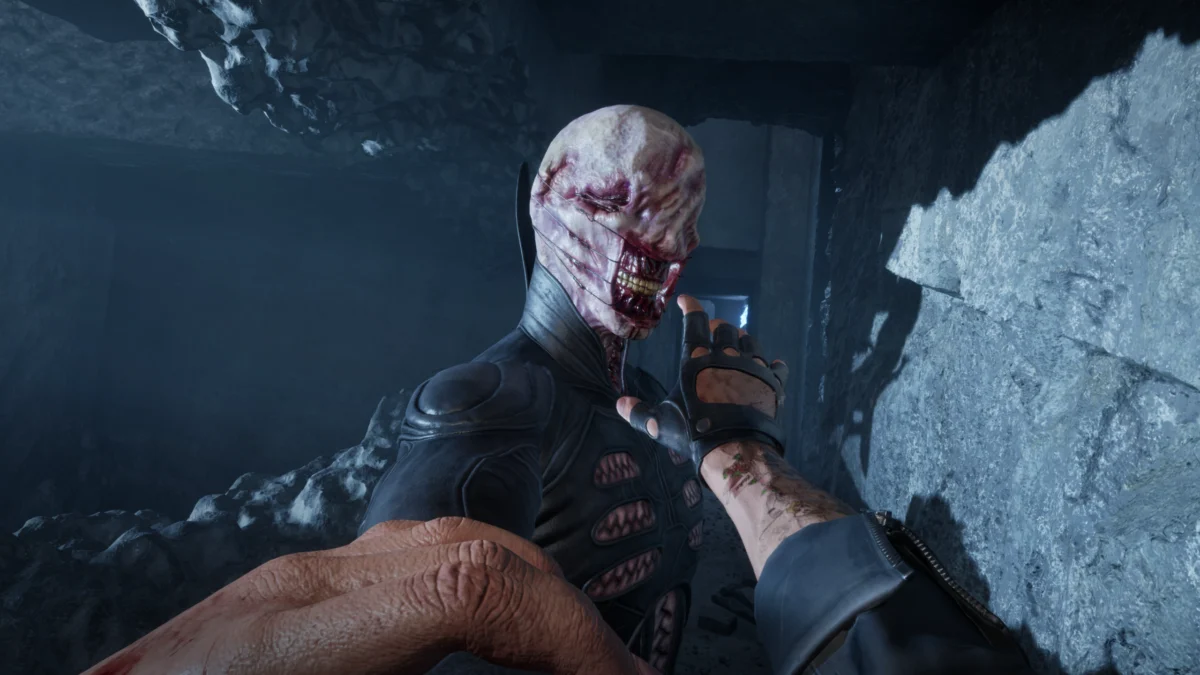
For nearly four decades, Clive Barker’s Hellraiser has stood as a monolith in the landscape of transgressive horror. It is a franchise defined by the delicate, skin-crawling intersection of agony and ecstasy, a world where the search for ultimate experience leads inevitably to the hooks and chains of the Cenobites. Despite a checkered cinematic history—marked by undeniable masterpieces and direct-to-video misfires—the allure of the Labyrinth remains potent.
For the dedicated fan, the announcement of Hellraiser: Revival, developed by Saber Interactive, was met with a mixture of reflexive skepticism and guarded hope. However, having spent significant time within the game’s early builds, it is becoming clear that Saber Interactive has not merely licensed the IP; they have meticulously exhumed the dark, baroque soul of Barker’s original vision.
The Genesis of Agony: Main Facts and Premise
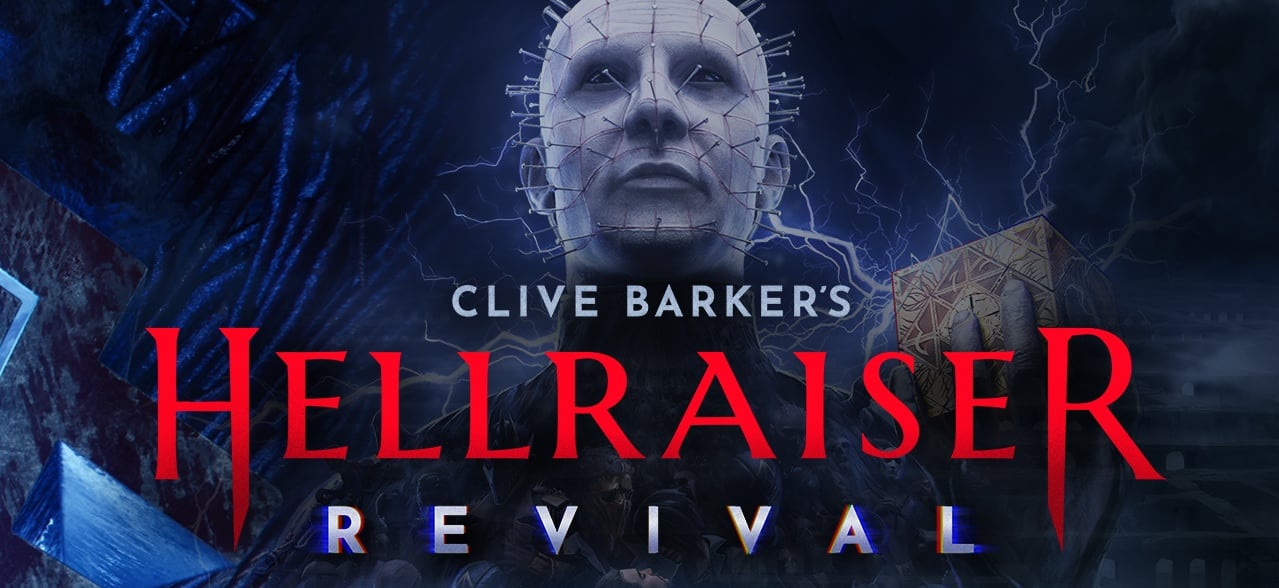
Hellraiser: Revival positions itself as a narrative-driven survival horror experience that bridges the gap between classic Hellraiser iconography and the modern, brutalist aesthetic seen in the 2010s Boom! comic runs.
The game follows the harrowing journey of Aidan Lynch, a drifter whose life is upended by a hedonistic dalliance with his girlfriend, Sunny. Their relationship—steeped in the kind of impulsive, dangerous desire that Barker’s characters often inhabit—leads them to the discovery of the "Genesis Configuration." As any student of the series knows, the box is never merely a puzzle; it is an invitation.
Upon solving the configuration, the couple is thrust into a nightmare. Sunny is violently claimed by the Cenobites and dragged into the Labyrinth, the extradimensional realm of the Order of the Gash. Aidan, meanwhile, finds himself the target of "The Scarlet Church," a fanatical cult that worships the Cenobites as architects of a new flesh-based theology. The player’s objective is clear: navigate the wretched, gore-soaked underworld, evade the cult’s clutches, and ultimately broker a desperate bargain with Pinhead himself to secure Sunny’s return.
A Descent into Darkness: Chronology of the Experience
The game’s pacing is a masterclass in tension, mirroring the slow-burn dread of the 1987 original before accelerating into the visceral, high-stakes chaos of later iterations.
The Opening Act: Helplessness and Horror
The game begins in a state of absolute vulnerability. Aidan is discovered bound, stripped, and at the mercy of the Scarlet Church. The opening hour emphasizes stealth and environmental puzzle-solving. Players must navigate the underground hideouts of the cultists—a sensory overload of rusty metal, ritualistic gore, and the constant, unnerving ambient noise of suffering.
The Mid-Game Transition: From Prey to Predator
As the narrative progresses, the gameplay loop shifts from pure survival horror to a hybrid of action and supernatural exploration. The player is granted access to the powers of the Genesis Configuration. This mechanical evolution is vital; it prevents the game from stagnating. The introduction of telekinetic and pyronetic abilities—allowing players to hurl environmental objects or manifest hellfire—shifts the dynamic. You are no longer just a victim; you are an intruder in a realm that is slowly beginning to recognize your threat.
The Labyrinth Cycles: The Return of the Chatterer
The "chase sequences" represent the game’s most intense, high-octane moments. The sound design is the star here; the rhythmic, insectoid "clack-clack-clack" of the Chatterer Cenobite provides a recurring auditory motif that signals imminent doom. These segments require precise button combinations and split-second decision-making, forcing the player to confront the sheer, unrelenting speed of the Cenobites.
Supporting Data: Mechanics and Difficulty
Saber Interactive has been transparent about their desire to create a game that respects the player’s intelligence while remaining accessible to those who are not "hardcore" gamers.

- Difficulty Scaling: The game features four distinct difficulty settings. While the default "Normal" setting offers a balanced experience, the AI behavior of both the cultists and the Unworthy (the discarded, zombified remnants of the Labyrinth) adapts to the player’s playstyle.
- Immersive Lore: Rather than dumping exposition through long-winded cutscenes, Hellraiser: Revival utilizes "environmental storytelling." Found recordings, journals, and the disturbing "canvases" left by the cultists—human bodies manipulated into grotesque tableaux—provide a deep-dive into the cult’s belief system.
- Playtime Estimates: Current builds indicate a 8-12 hour campaign, which, in the current landscape of bloated open-world games, feels like a deliberate choice. By keeping the runtime tight, Saber ensures that the pacing remains frantic and the stakes stay high.
Official Perspectives: The Developer’s Intent
In recent statements, the development team at Saber Interactive emphasized that their primary goal was to capture the "sensual transgression" of the source material. They recognized that previous adaptations often leaned too heavily into action, losing the psychological weight of Barker’s themes.
"We didn’t want to make a shooter," one lead developer noted in a private press briefing. "We wanted to make a descent. The Cenobites aren’t just monsters; they are explorers of the further regions of experience. The gameplay had to reflect that—it had to be about the cost of curiosity."
The collaboration with the franchise’s long-term lore keepers has ensured that the "rules" of the Labyrinth remain consistent with the established mythos. The decision to include the Scarlet Church as a bridge between the human world and the Labyrinth serves as a narrative device to keep the player grounded, even as they traverse surreal, non-Euclidean environments.
Implications: A New Era for Horror Gaming?
The success of Hellraiser: Revival could have significant implications for the horror genre in gaming. For years, the market has been saturated with "hide-and-seek" horror games where the player is perpetually powerless. Revival dares to ask if a player can be both vulnerable and formidable. By blending the helplessness of the early chapters with the empowering, supernatural abilities of the later game, Saber Interactive may have found a blueprint for future adaptations of "impossible" horror franchises.
Furthermore, the game serves as a litmus test for the Hellraiser brand. If Revival succeeds, it proves that the franchise is not merely a relic of 80s practical effects, but a versatile IP capable of translating its dark, complex themes into modern, interactive formats.
Final Impressions
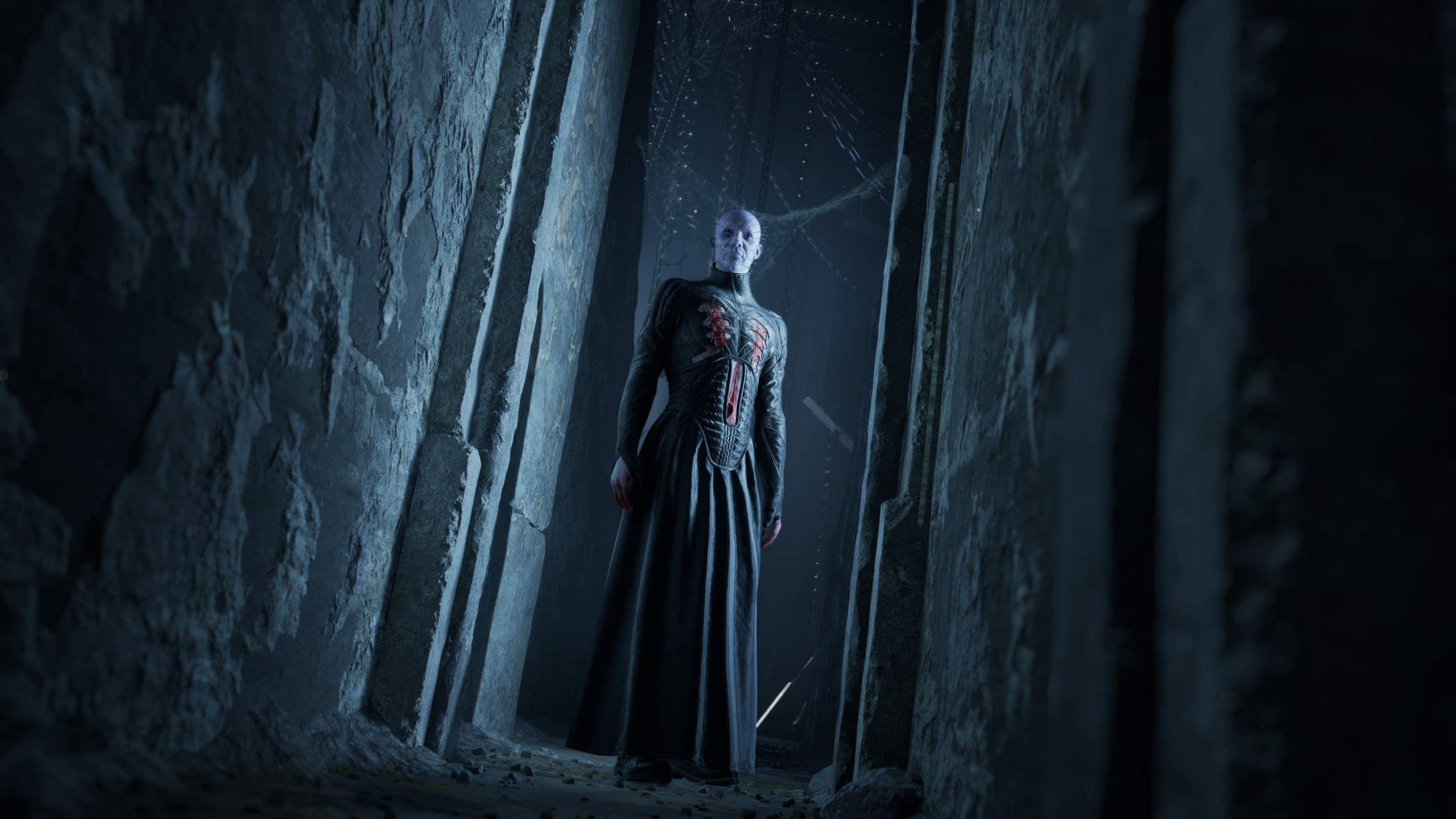
While the journey is far from over—with the final act of the game yet to be fully scrutinized—the progress made thus far is nothing short of impressive. The visual fidelity is startling, the sound design is genuinely oppressive, and the core mechanics honor the source material while providing a fresh, mechanical identity.
For those who have waited for a return to the Labyrinth that doesn’t feel like a cynical cash-grab, Hellraiser: Revival feels like an earnest, bloody love letter. It is a game that understands the fundamental truth of the series: that we are all, in some way, looking for a way to open the box. When the full release arrives, the Order of the Gash will be waiting—and for the first time in years, the prospect of that encounter feels like a genuine, terrifying delight.
