
The Burden of Telekinesis: Why Casting Prime Video’s ‘Carrie’ Pushed Mike Flanagan to His Limits
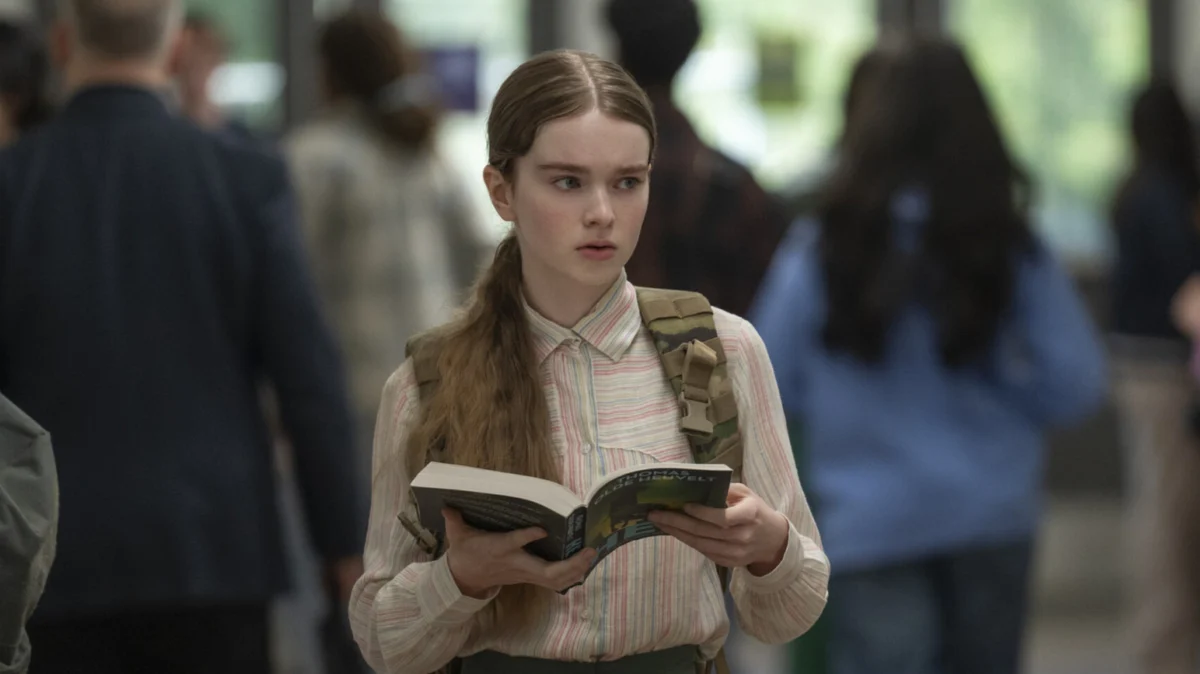
The legacy of Stephen King’s Carrie is a monolithic presence in the horror genre. Since the publication of the 1974 novel, the story of a bullied, telekinetic teenager pushed to the brink of a violent, apocalyptic snap has become a foundational text of American horror. While several actresses—from Piper Laurie’s protégé Sissy Spacek to Chloë Grace Moretz—have inhabited the role, the shadow of the 1976 Brian De Palma adaptation remains long.
Stepping into the role of Carrie White is no longer just a performance; it is an act of historical navigation. When acclaimed auteur Mike Flanagan, known for his masterful work on The Haunting of Hill House and Midnight Mass, announced his intention to adapt the story as a Prime Video series, the industry held its collective breath. The challenge was clear: how do you reinvent a character who has been defined by a singular, iconic performance for nearly five decades?
As it turns out, the answer lay in a casting process that proved to be the most exhaustive, grueling, and transformative experience of Flanagan’s storied career.
The Weight of Expectation: The Legacy of Sissy Spacek
To understand the difficulty of Flanagan’s task, one must first appreciate the bar set by Sissy Spacek. In De Palma’s 1976 film, Spacek transformed the character into a vessel of ethereal, haunted sorrow. Her Carrie was not just a victim; she was an alien entity in her own social ecosystem—painfully shy, socially stunted, and deeply fragile. The effectiveness of the film’s climax, in which Carrie unleashes her wrath on her tormentors at the prom, relied entirely on the audience’s empathy for the girl beneath the blood.
For any modern director, replicating that "haunted quality" is a trap. If an actor leans too far into the tragedy, the character becomes a caricature of victimhood. If they lean too far into the power, the character loses the vulnerability required to make the audience care. Flanagan’s vision for his Prime Video adaptation, however, required a departure from the established mold. His version of the story demanded a different kind of Carrie—one who possessed not just raw, hidden power, but an innate, uncorrupted humanity.
A Global Search: Parsing 1,400 Candidates
The production process for the new series was marked by a relentless pursuit of perfection. In an exclusive interview, Flanagan revealed the staggering scale of the search. His team reviewed over 1,400 auditions, a number that reflects the high stakes of the production and the director’s uncompromising standards.
The casting process was not merely a search for a talented young actor; it was a search for a specific, almost paradoxical set of traits. Flanagan and his casting directors were looking for an actress who could portray someone "unspoiled by our world," yet possessing a deep, intuitive emotional intelligence.
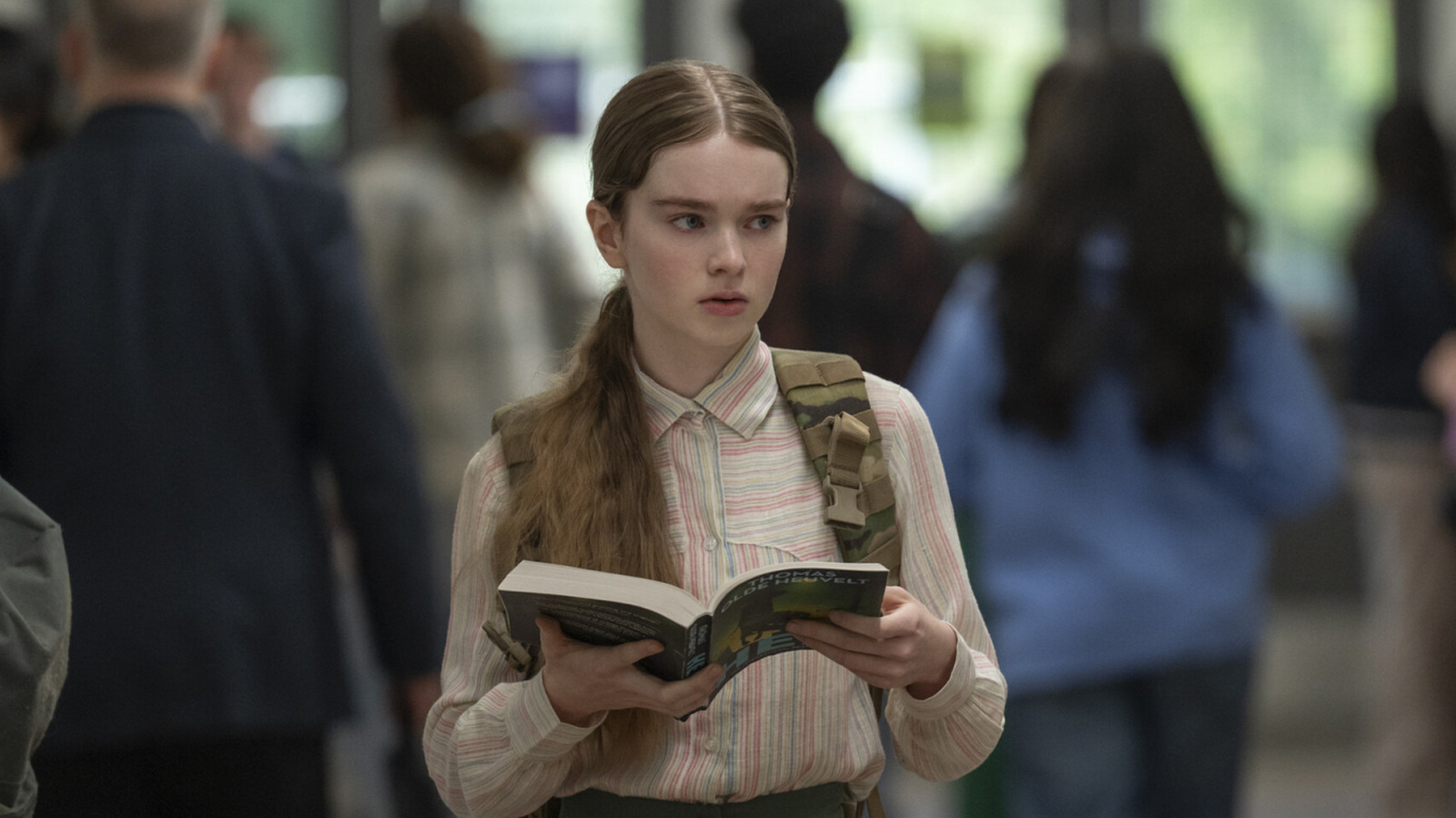
"What we were looking for was a Carrie we’d never experienced before," Flanagan explained. "We were looking for someone who was curious, earnest, and kind, but we also didn’t want her to appear naive. Her naivety had to come from a lack of context—from the fact that she was kept in the dark by her environment—rather than a lack of intelligence."
This nuance was the pivot point for the entire series. Flanagan needed an actress who could convey that Carrie was not "lesser" than her peers, but rather a person whose potential had been systematically suppressed. Finding an actor who could project a "hidden reserve of power" while maintaining an aura of gentle, intuitive kindness was, in the director’s words, the "most difficult casting experience" of his career.
Summer H. Howell: Finding the Soul of the Series
The search finally concluded with the selection of Summer H. Howell. In the finished series, Howell’s performance serves as the emotional anchor, providing a stark contrast to previous iterations of the character. Unlike the wallflower archetype of the 70s, Howell’s Carrie possesses a palpable curiosity about the outside world. She is a character who, given the right circumstances, might have thrived. This makes her inevitable descent into tragedy not just a horror trope, but a profound human loss.
Flanagan’s assessment of Howell’s impact is unequivocal: "She embodied that in a way that made us simultaneously amazed by the layers of her, but also determined to protect her from the world. Her performance defined the show."
Chronology of the Development
The development of the series has been a multi-year effort, marked by careful consideration of King’s source material.
- Early 2023: Initial development of the series begins under Flanagan’s production banner, focusing on a character-first approach that prioritizes the psychological toll of Carrie’s upbringing.
- Mid-2023: The casting call goes out, beginning an international search that eventually spans over 1,400 candidates. Flanagan personally reviews hundreds of tapes.
- Late 2023: The shortlist is narrowed down. Chemistry tests focus on the dynamic between Carrie and the other key figures in her life, including her mother, Margaret White.
- Early 2024: Summer H. Howell is officially cast. The focus shifts to character development and refining the tone of the series to ensure the supernatural elements do not overshadow the intimate family drama.
- Late 2024 – Early 2025: Production concludes. Post-production focuses on the visual representation of Carrie’s telekinesis, ensuring it remains an extension of her emotional state rather than a standard CGI spectacle.
The Philosophy of "Unspoiled" Power
The core of Flanagan’s adaptation is a reimagining of Carrie’s telekinesis. In many previous versions, the power is an external force that takes over. In the Prime Video series, the power is inextricably linked to the character’s internal emotional evolution.
By selecting an actor who projected "unspoiled" kindness, Flanagan changed the stakes. In the earlier versions, the audience often watches Carrie with a sense of pity. In this iteration, the audience watches with a sense of tragedy—the tragedy of a girl whose latent, beautiful potential is weaponized by the environment around her. This distinction is subtle but monumental, and it is entirely reliant on the performance Howell brings to the screen.
Industry Implications: The New Standard for Horror Leads
The exhaustive nature of this casting search highlights a shifting trend in the horror genre. As horror moves further into the "elevated" or "prestige" category, the reliance on jump scares and creature design is being supplanted by a reliance on complex, nuanced lead performances.
Flanagan’s success in finding Howell demonstrates that the modern audience is no longer satisfied with archetypal horror protagonists. They demand depth, internal logic, and a degree of empathy that was rarely asked of horror stars in the 80s and 90s. The industry is taking note; the time and resources invested in casting the lead of a horror project are now viewed as a critical component of the film’s financial and critical success, rather than a secondary concern.
Conclusion: A Performance That Defines a Legacy
Mike Flanagan’s Carrie is a testament to the idea that a story is only as strong as its lead performer. By refusing to settle for the first, the tenth, or even the hundredth actress, Flanagan ensured that his version of the story would stand on its own, independent of the massive shadow cast by Sissy Spacek.
Summer H. Howell’s performance is not merely a reimagining; it is an evolution. By imbuing the character with an earnest, hidden power and an intellectual curiosity that previous versions lacked, she has provided a new lens through which to view one of Stephen King’s most enduring creations.
The "most difficult casting experience" of Flanagan’s career has yielded what may well be his most significant contribution to the genre to date. The series is currently streaming on Prime Video, and for those who think they know the story of Carrie, it offers a haunting, deeply human, and ultimately devastating experience that reminds us exactly why this story continues to resonate after fifty years.
