
Roll Out Once More: How the 1986 Animated ‘Transformers’ Movie Conquered the Box Office Four Decades Later
Main Facts
Four decades after it first traumatized a generation of unsuspecting children in movie theaters, The Transformers: The Movie has proven that nostalgia is a powerful—and lucrative—force. In a remarkable box office feat, the 1986 animated classic returned to the silver screen for a limited engagement and pulled in a striking $3.1 million over the weekend.
Organized by Hasbro and Fathom Events as part of a year-long 40th-anniversary celebration, the re-release landed comfortably in seventh place at the domestic box office. While contemporary blockbusters like Zach Cregger’s Resident Evil dominated the charts with a $60 million debut, the theatrical return of director Nelson Shin’s landmark feature functioned brilliantly as high-yielding counterprogramming.
To put the $3.1 million weekend into perspective, the cinematic adaptation of Hasbro’s iconic toy line grossed less than $6 million during its entire original theatrical run in the summer of 1986. Driven affectionately by organizers as "The Apology Tour," the special screening event offered longtime fans a chance to experience the sci-fi adventure on the big screen—while jokingly inviting them to relive the deeply scarring childhood memories of Optimus Prime’s brutal demise.
Chronology: From Toy-Chest Staple to Big-Screen Tragedy
The 1984 Genesis and the Road to the Movie
Before The Transformers: The Movie hit theaters, Hasbro’s robotic heroes were already dominating playroom floors and afternoon television sets. Following the massive success of the toy line—imported and adapted from Japanese Takara molds—Marvel Productions and Sunbow Entertainment launched the The Transformers animated series in 1984.
The cartoon served as a brilliant half-hour commercial designed to sell plastic action figures. However, by 1986, Hasbro and Marvel were preparing to introduce an entirely new wave of toys for the upcoming year. To clear room on store shelves and pivot the toy line toward new characters, the creative team made a ruthless corporate decision: wipe out the old guard.
The Summer of 1986: A Generation Scarred
Released on August 8, 1986, The Transformers: The Movie shocked audiences by completely breaking the unwritten rules of children’s entertainment. Rather than offering a safe, predictable Saturday-morning cartoon adventure, the film initiated a merciless culling of beloved characters.
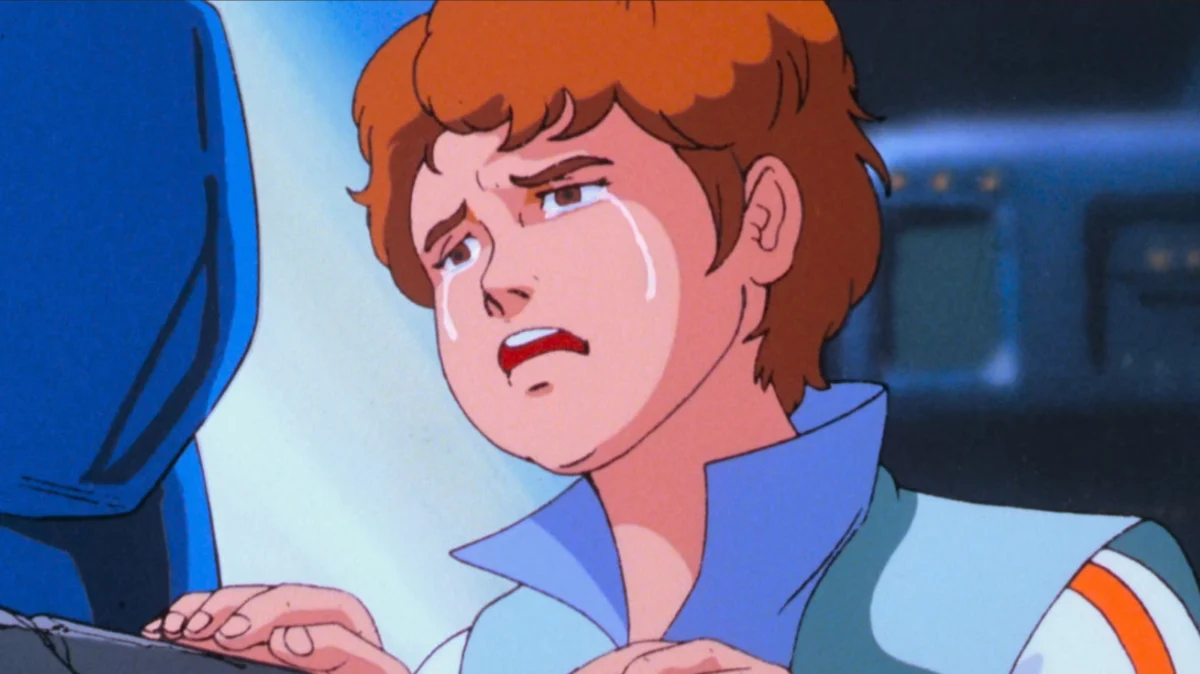
The trauma peaked in the movie’s opening act, when the heroic Autobot leader, Optimus Prime, engaged in a ferocious, brutal showdown with his arch-nemesis, Megatron. Fatally wounded, Optimus famously lost his vibrant colors, faded to a haunting gray, and passed away in front of a weeping young Daniel Witwicky.
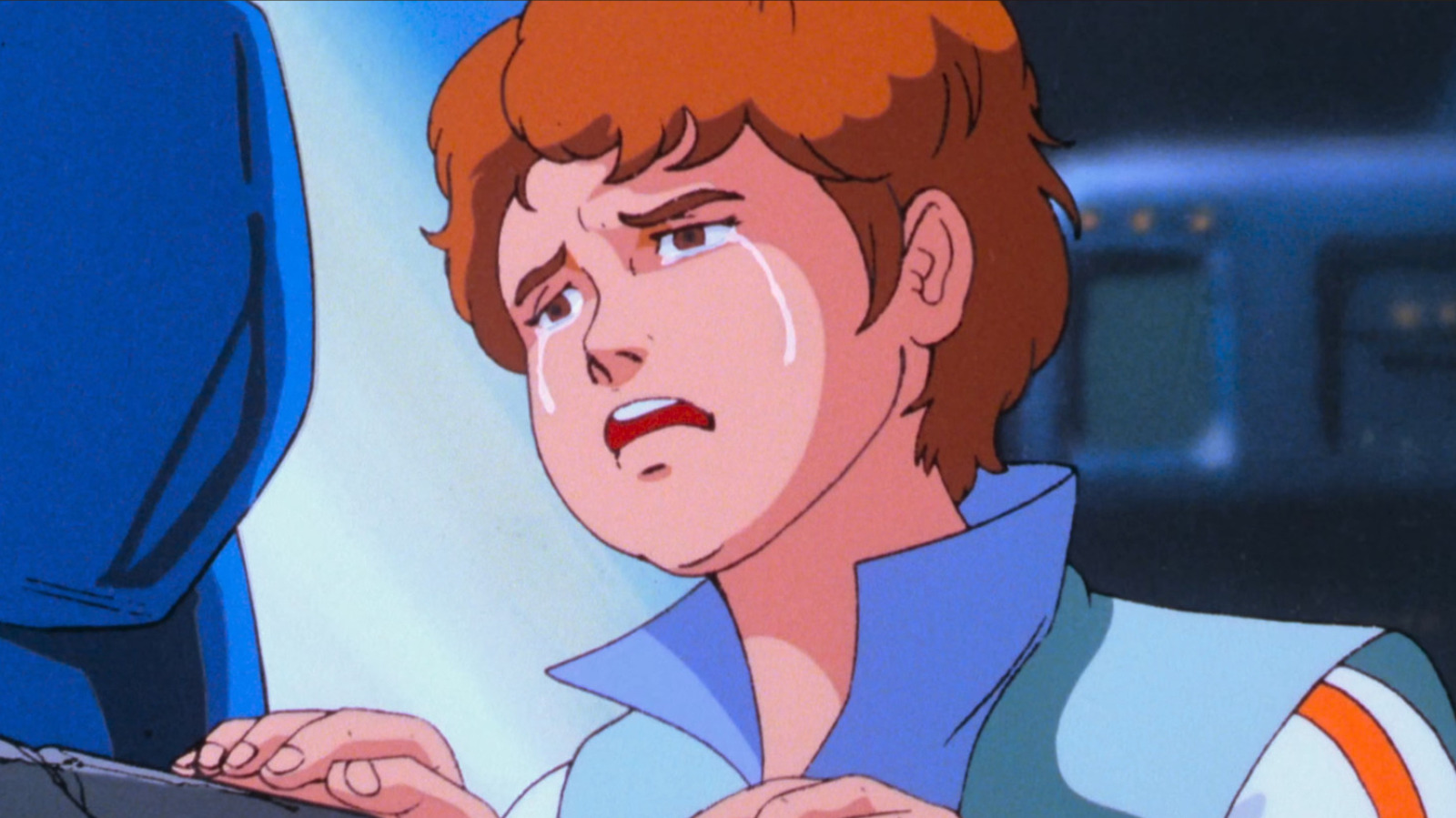
Children across the globe, accustomed to safe cartoon loops where characters always returned unscathed by the next episode, sat stunned in theater seats. Optimus Prime wasn’t just beaten; he was murdered. And he wasn’t the only casualty: Wheeljack, Brawn, Prowl, and Ironhide met similarly swift and unceremonious ends, leaving the cast and crew as shell-shocked as the audience.
The Fan Backlash and Resurrection
The immense trauma inflicted upon young viewers did not go unnoticed. The death of Optimus Prime triggered unprecedented levels of fan mail and parental outrage.
Faced with plummeting morale and an unhappy consumer base, Hasbro and the show’s writers were eventually forced to reverse course. By the third season of the television series, Optimus Prime was resurrected, ensuring peace in the fandom. Yet, the damage—and the legacy—was already permanent. The Transformers: The Movie transitioned from a commercial misfire into a cult classic, celebrated for its daring storytelling, heavy-metal soundtrack, and uncompromising stakes.
Supporting Data and Financial Analysis
The box office performance of The Transformers: The Movie in its 40th-anniversary re-release is more than just a nostalgic anomaly; it offers fascinating financial context regarding the health of the broader franchise.
- The 1986 Run: During its initial theatrical release in August 1986, the film grossed an estimated $5.8 million domestically against a budget estimated between $5 million and $6 million, rendering it a box office disappointment at the time.
- The 2026 Re-Release: Bolstered by Fathom Events’ targeted distribution model, a single weekend gross of $3.1 million places the film at number seven on the domestic charts, proving that modern ticket-pricing structures and dedicated fan turnouts can turn a vintage property into weekend heavy-hitters.
- Live-Action Contrast: While Michael Bay’s live-action Transformers franchise turned into a multi-billion-dollar juggernaut starting in 2007, recent entries have experienced diminishing returns. The 2023 live-action feature Rise of the Beasts became the lowest-grossing film in the franchise’s history, while the critically acclaimed 2024 animated feature Transformers One underperformed significantly at the global box office.
This data highlights a fascinating dichotomy: while general audiences have shown fatigue toward the modern live-action and theatrical extensions of the brand, the hardcore, nostalgia-driven core demographic remains fiercely loyal and willing to spend money on theatrical experiences that honor the property’s roots.
Official Responses and Industry Reactions
Executives and creatives involved with the franchise have long acknowledged the unique cultural footprint left by the 1986 animated film.
In retrospective interviews, writers and storyboard artists have admitted they gravely underestimated the psychological impact of killing off Optimus Prime. Story consultant Flint Dille noted that the studio viewed the characters primarily as products to be rotated out, failing to realize the deep emotional attachments children had formed with the Autobot leader.
Hasbro and Fathom Events embraced this historic miscalculation head-on for the 40th-anniversary marketing campaign. By leaning into the collective trauma with tongue-in-cheek promotional material like "The Apology Tour," organizers successfully transformed a historical misstep into a badge of honor for Gen X and millennial fans alike.
Meanwhile, industry analysts have pointed to the success of Fathom Events screenings as a viable lifeline for aging intellectual properties. By bypassing traditional wide-release financial risks and catering directly to passionate fan communities via limited engagements, studios can monetize their archival libraries with minimal overhead while driving physical media sales, such as the popular 4K and Blu-ray editions of the film.
Implications for the Future of the Franchise
The unexpected box office triumph of The Transformers: The Movie arrives at a critical crossroads for Paramount Pictures and Hasbro. With the live-action film series currently lacking a clear narrative direction following the underperformance of recent installments, the future of the Robots in Disguise on the big screen remains uncertain.
However, this weekend’s ticket sales send a resounding message to studio executives: the core fandom is not only alive and well, but deeply passionate. The enduring appeal of the 1986 classic proves that Transformers thrives best when it embraces high stakes, dramatic weight, and sincere storytelling—elements that occasionally get lost in the bombastic spectacle of modern blockbuster explosions.
If Paramount and Hasbro hope to revitalize the franchise for future generations, they might do well to look backward rather than forward. By studying why a hand-drawn, rock-and-roll-fueled sci-fi film from 1986 still packs theaters four decades later, Hollywood just might find the blueprint needed to help the Autobots roll out to box office glory once again.
