
Unmasking the Nightmare: A Comprehensive Breakdown of Universal’s Horror Hit Other Mommy
Warning: This article contains major spoilers for the theatrical film Other Mommy**
As October sweeps across the globe, bringing with it the crisp air and cultural obsession with all things macabre, the cinematic landscape shifts decisively toward horror. Studios routinely roll out their heavy-hitting genre pictures to capture the lucrative Halloween box office. Universal Pictures—a studio with a legendary lineage tracing back to the silver-age monster mashes of Bela Lugosi’s Dracula and Boris Karloff’s Frankenstein’s Monster—is no stranger to this tradition. Continuing its storied legacy of cinematic frights, Universal’s latest release, Other Mommy, has dominated discussions since its theatrical premiere on October 9, 2026.
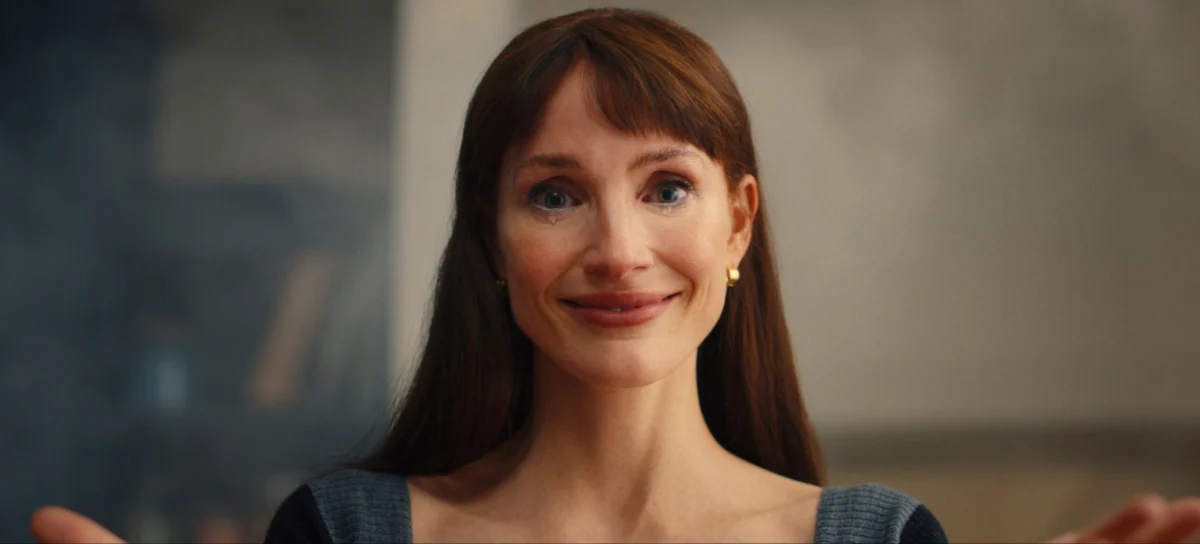
Produced by horror heavyweight James Wan (director of the foundational Conjuring films) and directed by Rob Savage from a screenplay by Josh Malerman and Nathan Elston, Other Mommy wastes no time sinking its claws into audiences. Starring Academy Award-winner Jessica Chastain in a dual role as both the primary protagonist and the story’s main antagonist, the 93-minute runtime is a breathless exercise in psychological terror and familial dread.
Main Facts: The Premise and Creative Forces
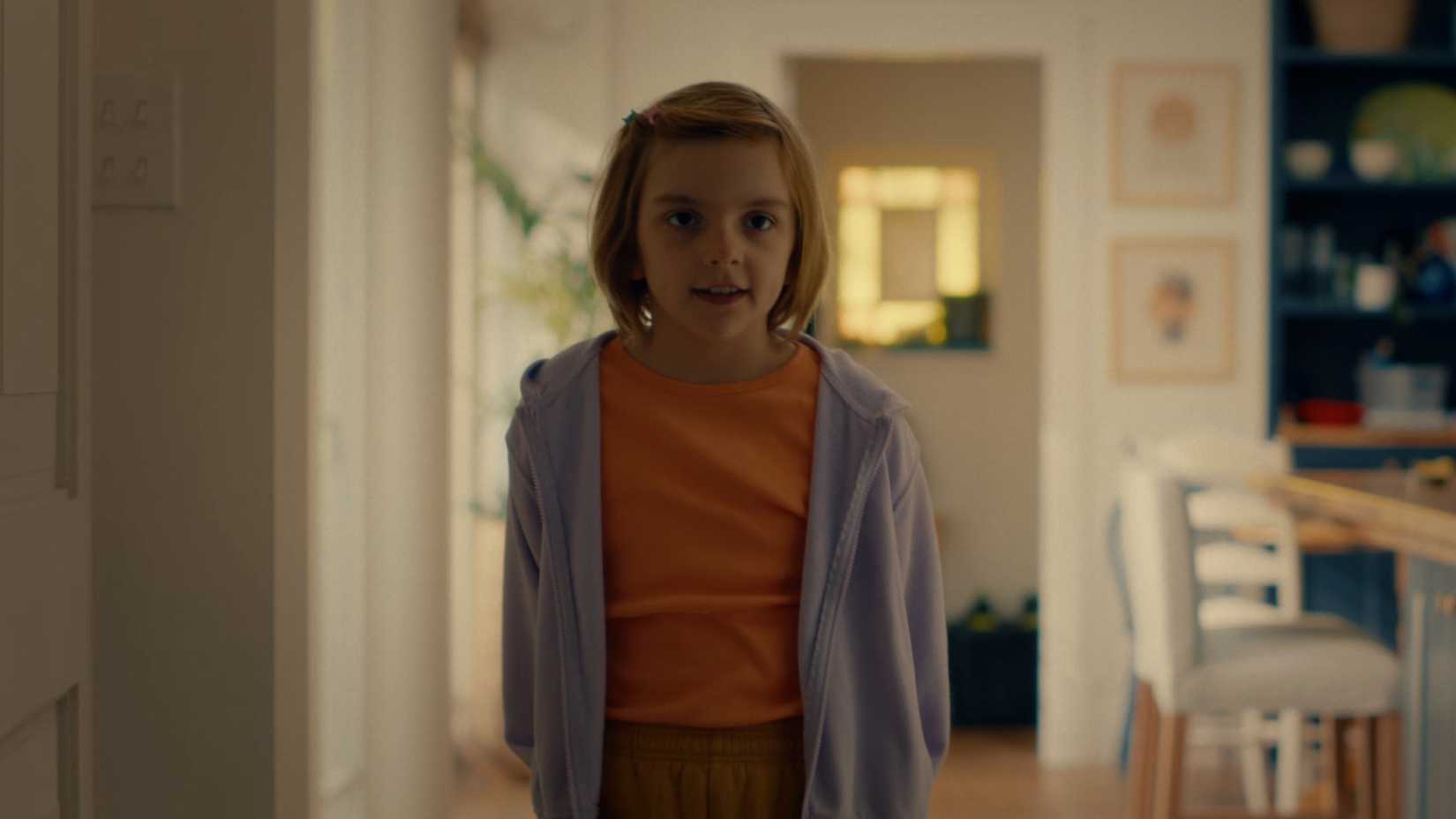
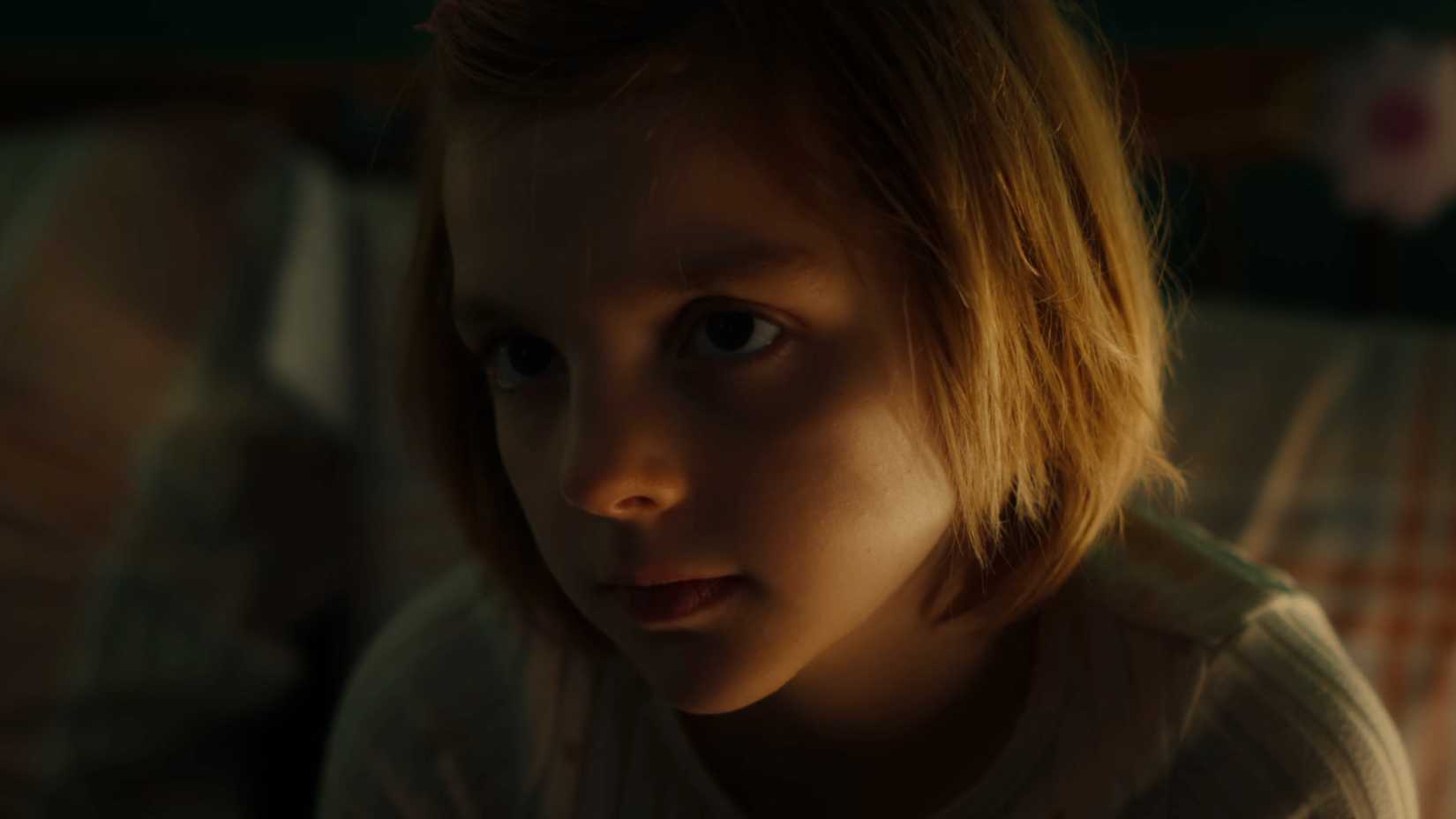
Other Mommy centers on a tight-knit family unit thrown into immediate chaos. The film introduces eight-year-old Bela, played with eerie precision by her young co-star, as she becomes the target of a centuries-old, formless entity that desperately covets the one thing it lacks: life.
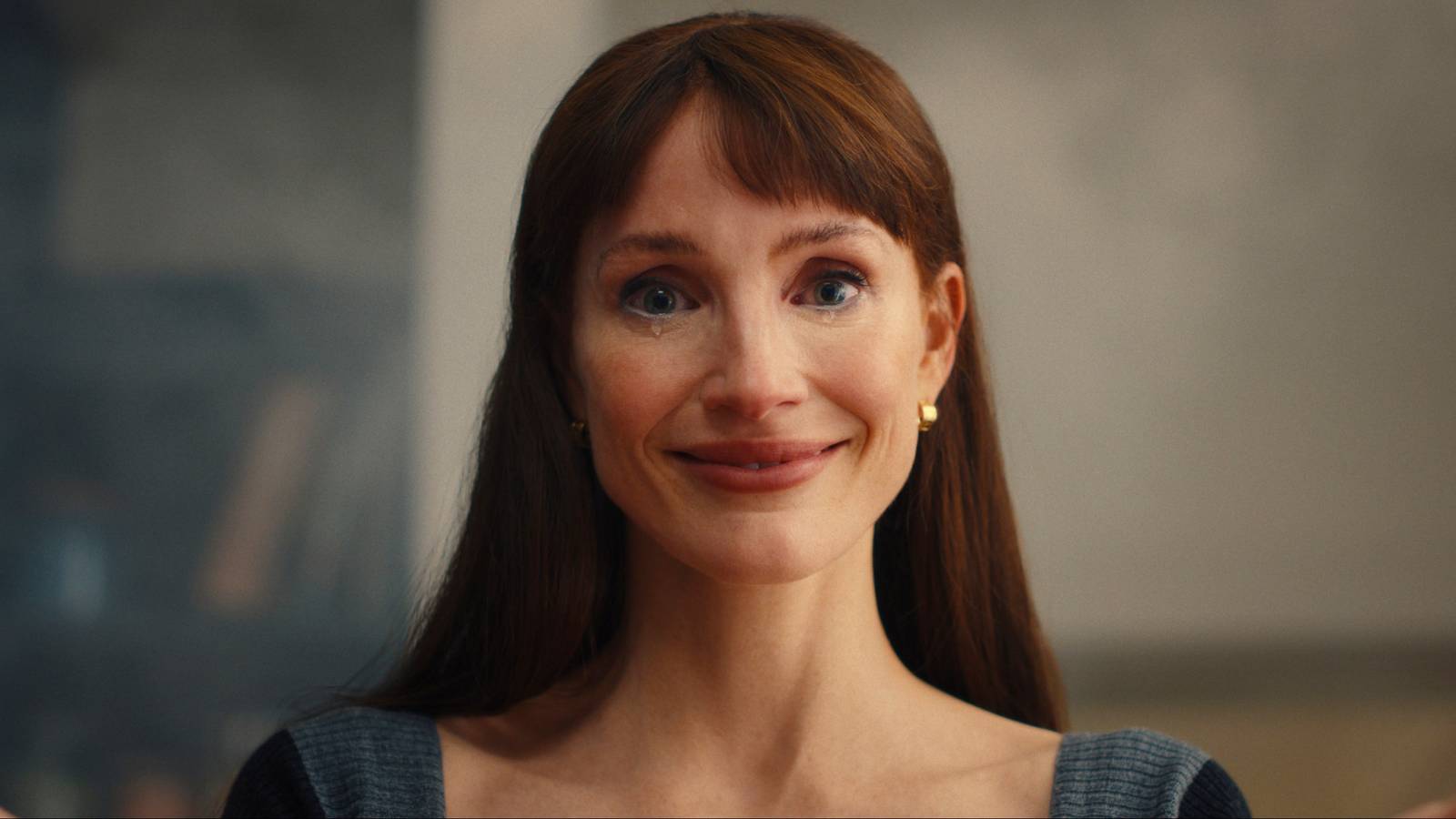
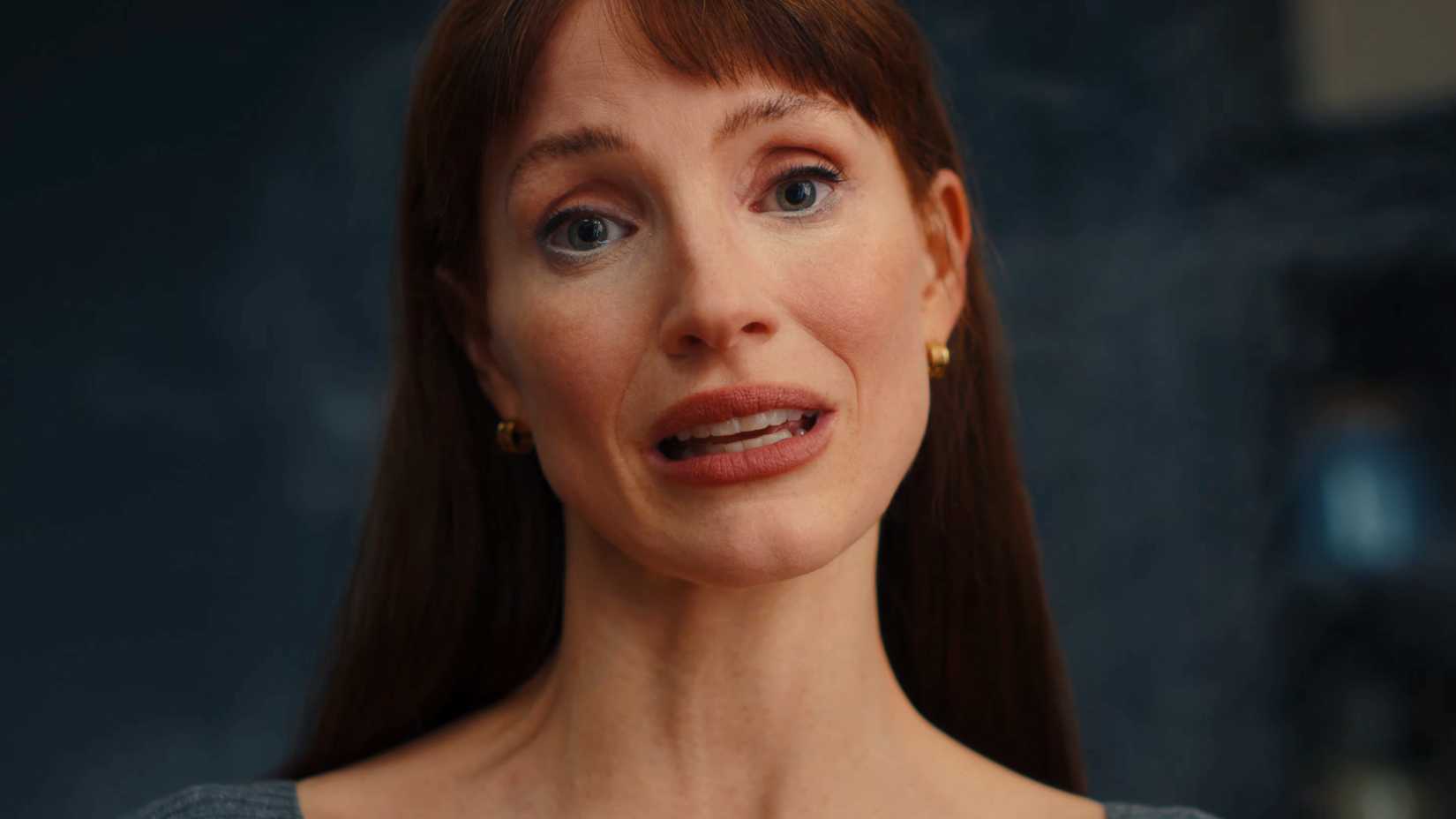
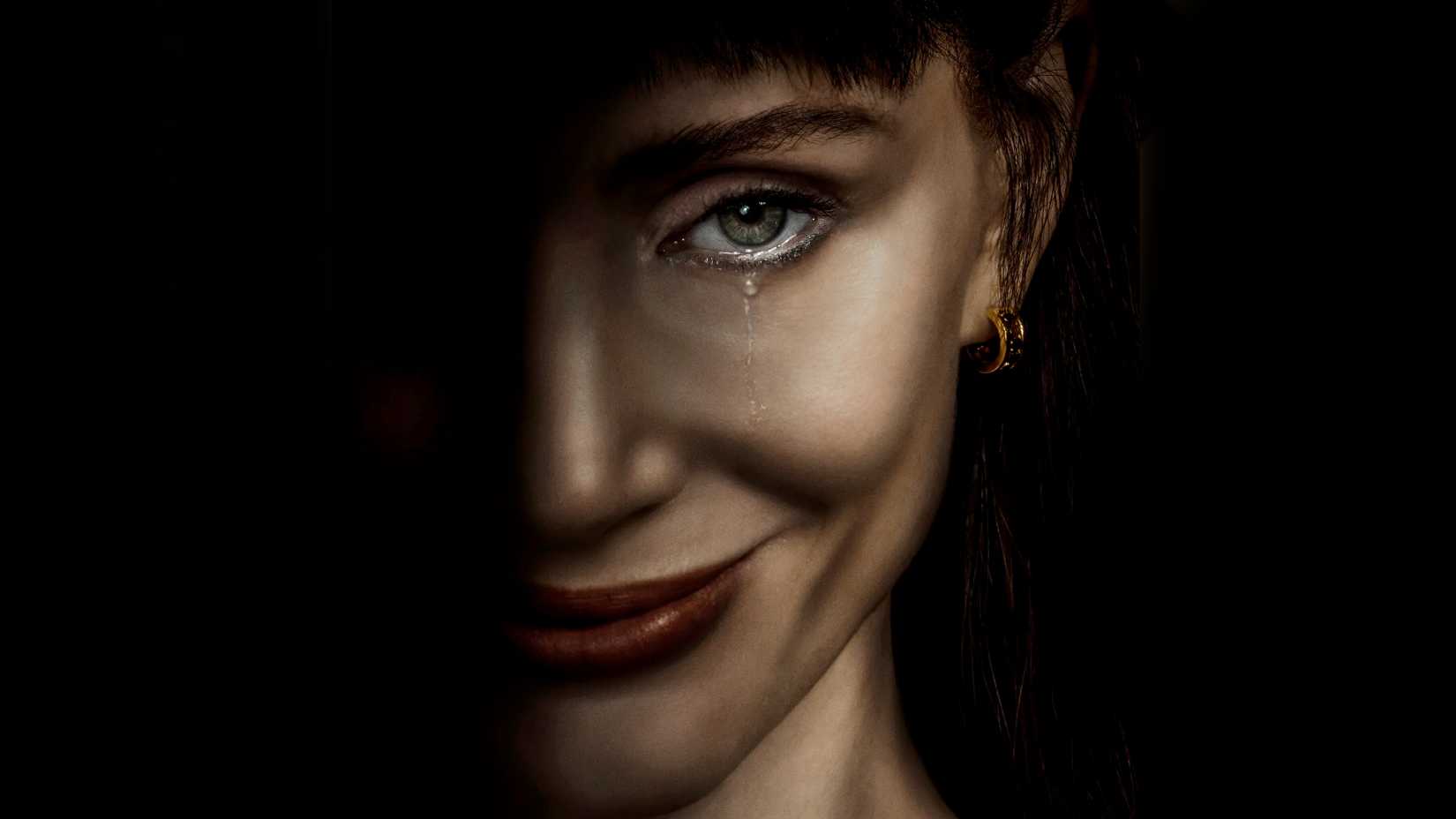
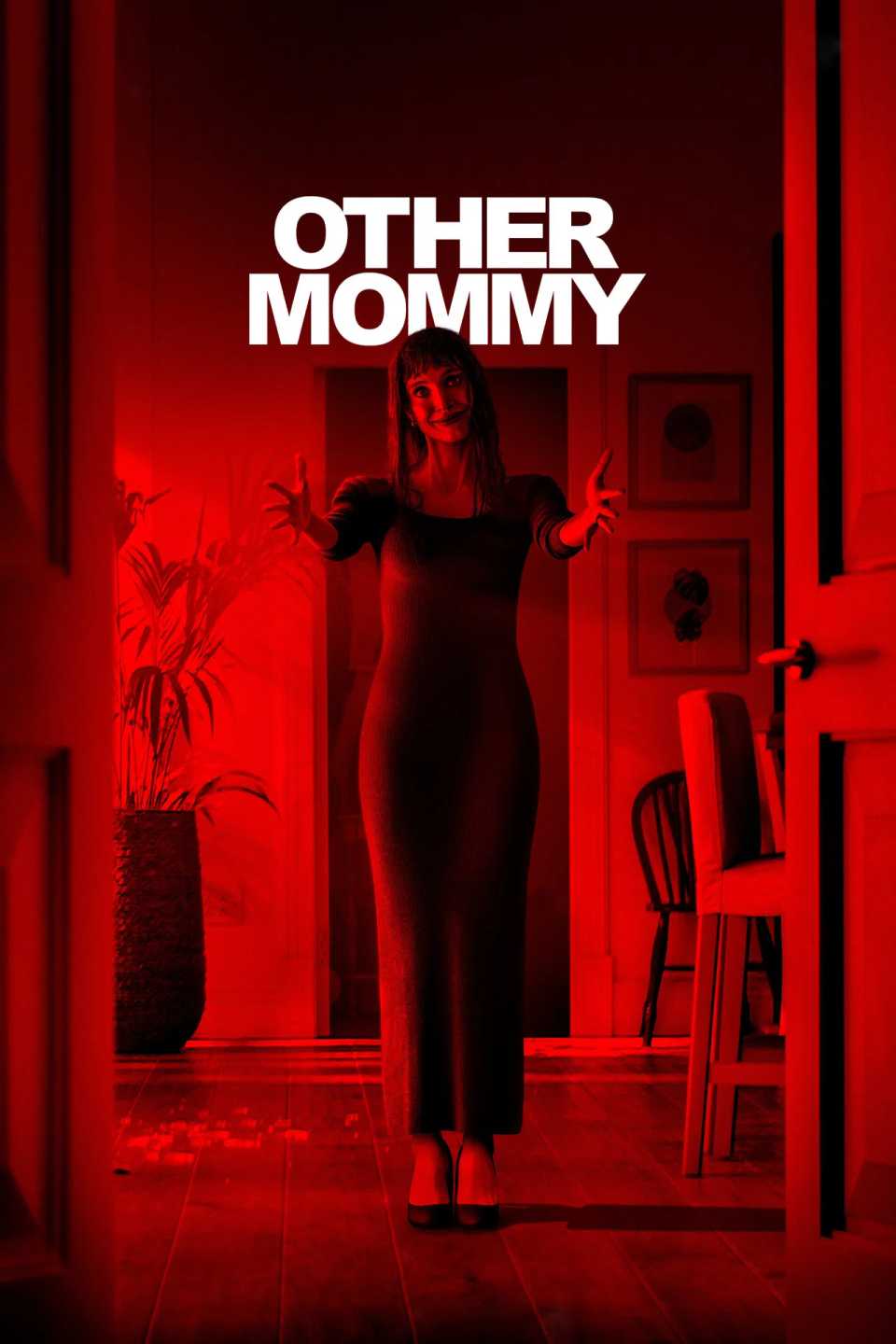
Rather than utilizing the slow-burn pacing traditional to supernatural horror, Other Mommy plunges viewers headfirst into the terror. From the opening sequence, the family realizes something is fundamentally and horribly wrong within their household. The entity, which adopts the moniker "Other Mommy," manipulates the young girl by assuming the exact physical likeness of her mother, Ursula (Jessica Chastain). By masquerading as a trusted friend and confidante, the demon uses grooming tactics to convince Bela to surrender her body and open her heart to it, promising protection against the mounting emotional tension inside the home.
The production boasts an impressive creative pedigree:

- Release Date: October 9, 2026
- Runtime: 93 Minutes
- Director: Rob Savage
- Writers: Josh Malerman, Nathan Elston
- Producer: James Wan
- Principal Cast: Jessica Chastain (Ursula / Other Mommy), Arian Moayed (Uncle Frank), and introducing the young actress playing Bela.
Chronology: Unraveling the Narrative Structure
The progression of Other Mommy breaks away from standard supernatural formulas. Instead of relying on a gradual escalation of paranormal phenomena, the narrative structure unfolds through layers of domestic friction that run parallel to the supernatural assault.
Act I: Immediate Intrusion and Domestic Discord
The film opens with an ominous quote establishing that humanity’s most coveted trait—simply being alive—is what lures demons out of the dark. Instantly, the audience is thrust into Bela’s reality. There is no quiet preamble; the young girl is already interacting with an entity that looks, sounds, and smells like her mother.
Simultaneously, audience tension is immediately directed toward the fraying relationship between Bela’s parents, Jeff and Ursula. Right from their introductory scenes, a palpable coldness exists between the couple. Bela herself senses this, questioning where her mother disappears to all day and why she is frequently left alone with her father. In a chilling early moment, Bela remarks that her mother "smells like someone else"—an observation that Jeff accepts with an unsettling lack of surprise.
Act II: The Exposure of Secrets
As the supernatural pressure mounts, the domestic secrets begin to unravel. The source of the peculiar scent and Jeff’s apathy is revealed to be Uncle Frank, a long-time family friend played by MCU alum Arian Moayed (Wonder Man, Spider-Man: No Way Home).
When Bela confronts her father with the knowledge that her mother was in love with Uncle Frank, Jeff offers a sobering explanation: adults sometimes fall in love where they shouldn’t. This admission highlights Jeff’s desperate attempts to shield Bela from the harsh realities of a fractured marriage, even as Uncle Frank meets a sudden and tragic end later in the film.
However, the death of Uncle Frank does not relieve the pressure; rather, it uncovers an even deeper, carefully guarded secret. With the demon closing in and threatening to consume Bela entirely, Jeff and Ursula are forced to confess a staggering truth. Ursula reveals that when she first met Jeff, she was married to another man. Shortly after beginning her secret affair with Jeff, she fell pregnant—meaning Jeff is not Bela’s biological father. Her real father is Ursula’s unnamed, estranged ex-husband, a detail left deliberately unresolved, adding an extra layer of alienation to the young girl’s identity.
Act III: The Confrontation and Climax
With the domestic facade completely shattered, the demon seizes upon Bela’s internal turmoil, amplifying her sadness, anger, and feelings of abandonment. Other Mommy convinces Bela that opening her heart to the entity will insulate her from the pain of her collapsing family.
In a departure from conventional demonic horror—which typically resolves through religious faith, sacred artifacts, or complex Latin prayers (The Conjuring franchise being a prime example)—Other Mommy pivots inward. Bela does not defeat the entity through institutional religion. Instead, her salvation comes from radical acceptance. By confronting her grief, recognizing the flaws in her parents without loving them any less, and channeling a fierce determination to reclaim her agency, Bela successfully casts the entity out of her mind and home.
Supporting Data and Production Context
Universal Pictures positions Other Mommy as a cornerstone of its autumn horror slate, capitalizing on the commercial viability of high-concept, star-driven genre fare. The film’s tight 93-minute runtime is a calculated choice by director Rob Savage, known for his breathless pacing in prior horror hits like Host.
The collaboration between James Wan’s production banner and Universal bridges two distinct eras of horror filmmaking. Wan, who revolutionized modern supernatural horror with The Conjuring universe, brings his signature mastery of spatial tension, practical-to-digital creature design, and suffocating atmosphere. Meanwhile, screenwriters Josh Malerman (author of Bird Box) and Nathan Elston inject psychological weight into the narrative, shifting the thematic focus from external damnation to internal family trauma.
Jessica Chastain’s casting serves as the anchor of the project. By playing both the nurturing, flawed mother and the predatory, skin-walking demon, Chastain delivers a masterclass in duality. Her physical posture, vocal cadence, and shifting expressions provide the uncanny valley effect necessary to sell the premise that a mother could simultaneously be a child’s safest harbor and greatest existential threat.
Official Responses and Industry Reception
Since its October 9 premiere, Other Mommy has sparked intense debate among horror critics and moviegoers alike. Industry analysts have praised Universal’s marketing strategy, which heavily leaned into Chastain’s dual-performance mystery prior to release.
Director Rob Savage noted in recent press junkets that the core inspiration for the film was examining the psychological vulnerability of children caught in the crossfire of adult deception. "Monsters don’t just live in the closet because they’re evil; in horror, monsters often arrive because they smell the cracks in a family’s foundation," Savage explained during a promotional interview with industry press.
Producer James Wan echoed these sentiments, highlighting the intentional subversion of traditional exorcism tropes: "We’ve seen the priest with the cross a thousand times. What feels scarier is a little girl who has to save herself not by crying out to God, but by looking her broken family dead in the eye and deciding that her life is worth fighting for, despite the messiness of it all."
Implications for the Horror Genre
Other Mommy arrives at a fascinating cultural inflection point for studio horror. In recent years, "elevated horror" has frequently prioritized grief, trauma, and domestic dysfunction as thematic metaphors, sometimes at the expense of traditional monster thrills. Other Mommy successfully bridges this gap.
By treating the family’s marital infidelity and hidden lineage not merely as window dressing, but as the literal fuel that feeds the supernatural antagonist, the film establishes a compelling narrative ecosystem. The demon does not attack randomly; it is a parasitic manifestation of domestic dishonesty.
Furthermore, the film’s refusal to rely on a conventional religious climax challenges modern horror tropes. By centering the resolution on a child’s psychological resilience and emotional clarity rather than clerical intervention, Other Mommy sets a fresh precedent for how supernatural threats can be conceptualized and vanquished in contemporary cinema.
As Other Mommy continues its theatrical run through the Halloween season, it cements itself as a noteworthy entry in Universal’s modern horror catalog—proving that while cinematic monsters may change over the decades, the most terrifying reflections are still found right at home.
