
Unmasking the Grievances: A Deep Dive into the Kidnappers and Themes of Ben Affleck’s Netflix Thriller Animals
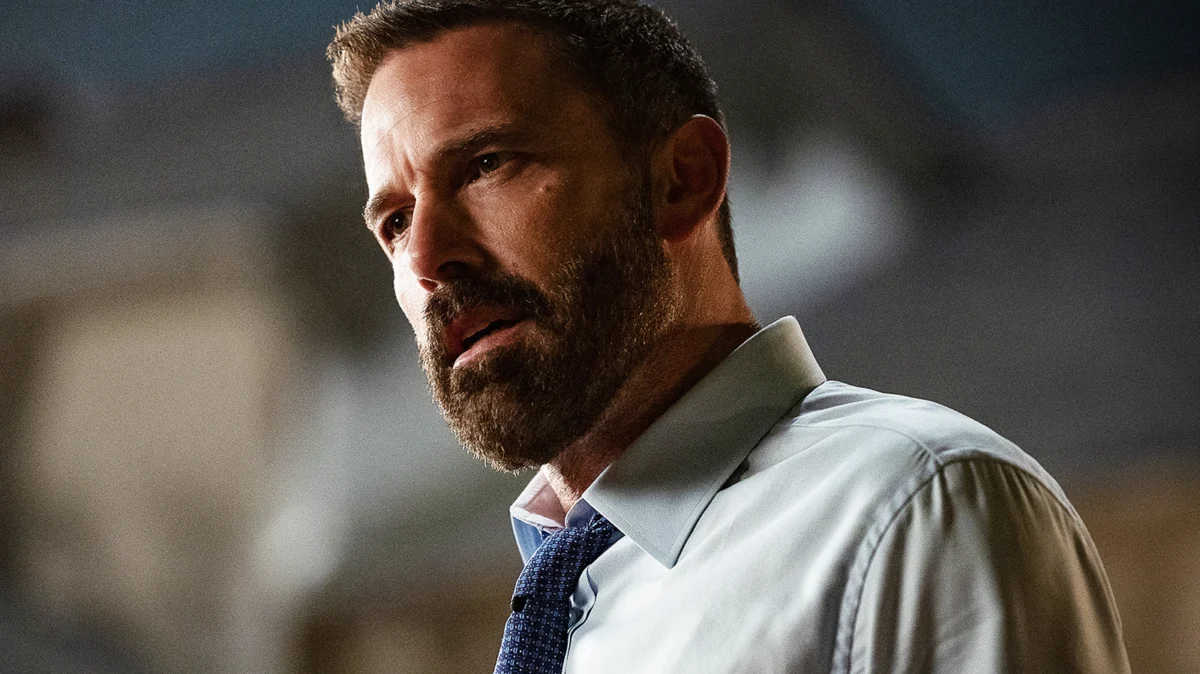
Ben Affleck is no stranger to the crime-thriller genre. Back in 2010, the filmmaker and actor delivered The Town, a gritty Boston-set masterpiece widely regarded as one of the best crime dramas of the 21st century. Over a decade later, Affleck returned to the director’s chair—and in front of the camera—for the Netflix original movie Animals. While the film leans heavily into familiar atmospheric and narrative territory, it subverts expectations by shifting its primary focus away from a traditional police procedural or cat-and-mouse hunt. Instead, Animals uses a botched kidnapping as a narrative vehicle to examine the fragile, performative nature of modern identity, public facades, and buried secrets.
For many viewers, the film’s climactic moments left lingering questions, particularly regarding the identity and motivations of the individuals orchestrating the central crime. Beneath the surface of Affleck’s Los Angeles-set thriller lies a carefully constructed backstory of corporate fallout, economic devastation, and a deeply personal vendetta.
Main Facts: What is Animals About and Who Pulls the Strings?
At its core, Animals follows Mark Kimball (Ben Affleck), a prominent corporate lawyer and ambitious Los Angeles mayoral candidate whose carefully curated public image is shattered when his son is seemingly abducted. However, the film quickly introduces a chaotic twist: the bumbling kidnappers have botched the job, mistakenly snatching Hector (Jacob Estrada), the young son of Kimball’s handyman, rather than the politician’s child.
By the time the dust settles, Hector is safely returned to his parents, and the chaotic finale leaves a trail of bodies in a Los Angeles River drainage system. But unless audiences paid meticulous attention to the subtle, blink-and-you’ll-miss-it exposition buried in the film’s opening acts, the masterminds behind the abduction remain obscure.
The culprits are not hardened cartel bosses, professional mercenaries, or political assassins. Rather, the kidnappers are a desperate, aggrieved collective of small business owners led by James Bureaux. Driven to ruin by Kimball’s past legal victories, these men execute a poorly planned scheme born entirely out of financial devastation and a burning desire for retribution.
Chronology: Piecing Together the Kidnappers’ Motives
While Animals does not spoon-feed its audience a comprehensive breakdown of the villains’ backstory, a careful reconstruction of the narrative reveals how James Bureaux and his co-conspirators came to target Mark Kimball.
Phase One: The Environmental Action Act
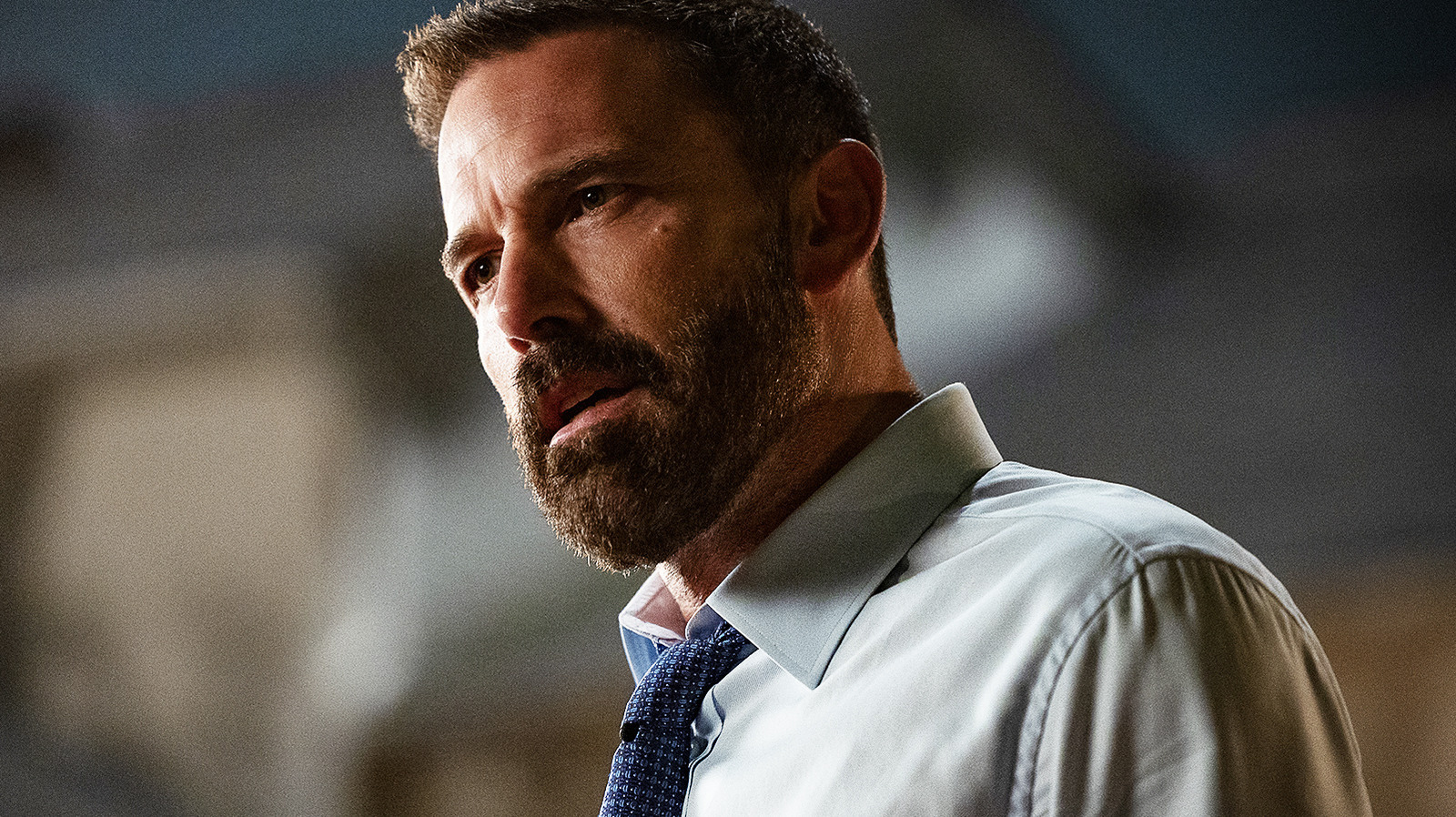
Before launching his full-scale campaign for the mayor of Los Angeles, Kimball made a name for himself as a ruthless, highly successful corporate attorney running his own powerhouse firm. In the film’s opening scenes, a campaign promotional video highlights Kimball Law’s crowning achievement: spearheading the Environmental Action Act. Framed as a noble crusade to secure clean drinking water for the residents of Los Angeles, the legislation was heralded as a major victory for public health.
Phase Two: Economic Collapse in the San Fernando Valley
However, every legislative triumph has casualties. While Kimball capitalized on the Environmental Action Act for political clout, the regulations devastated small businesses operating within the targeted zones of the San Fernando Valley. Stifled by sudden, crippling compliance costs, businesses shuttered one by one, leaving a trail of bankruptcies in their wake.
Phase Three: The Descent of James Bureaux
Immediately following the campaign introduction, the film treats viewers to ominous, fleeting shots of a desolate, shuttered small business. The space is drowning in past-due utility bills, final eviction notices, and—crucially—a petition for the dissolution of a marriage.
This tragic individual is James Bureaux. The collateral damage of Kimball’s litigation didn’t just cost Bureaux his livelihood; it fractured his family, leading to his wife filing for divorce and leaving his life in total ruins.
Phase Four: The Vendetta Realized
Subsequent scenes feature brief snippets of local news articles detailing the plight of business owners who suffered the exact same fate as Bureaux, locked out of their shops with nowhere to turn. Driven to the absolute brink, Bureaux bands together with fellow ruined proprietors—portrayed in the credits simply as "kidnappers" and played by Craig Bexley Jr., Zack Duhame, and Brett Sheerin—to plot their revenge. The kidnapping of a politician’s child is not motivated by a high-stakes ransom, but rather serves as a desperate, symbolic strike against the man who dismantled their lives while smiling for campaign cameras.
Supporting Data: Cast, Crew, and Character Profiles
The climactic confrontation of Animals unfolds in the concrete expanse of the Los Angeles River drainage system. Mark Kimball arrives with a bag of cash to appease the kidnappers, only for chaos to erupt. Two of the kidnappers are quickly dispatched by Rand (Chris Gann), a security operative. However, Rand is subsequently killed by the lead kidnapper, James Bureaux, who then attempts to execute Kimball and young Hector. The ordeal finally ends when Hector’s father, Ramon (Luis Gerardo Méndez), steps in and shoots Bureaux dead.
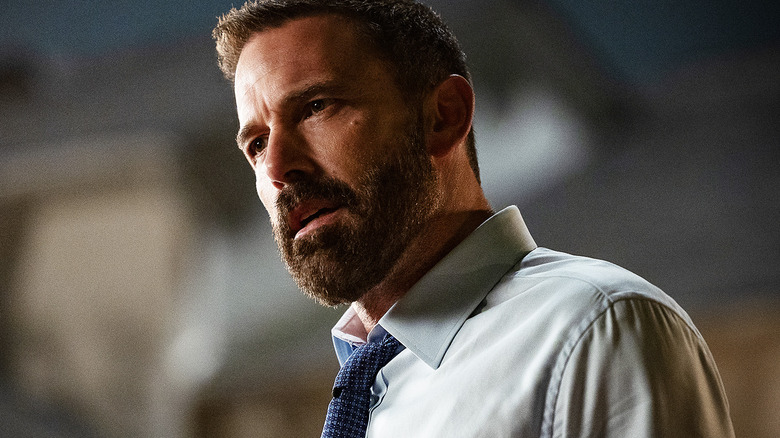
Who is Mark Gerald?
The man behind the complex, tragic primary antagonist is seasoned character actor Mark Gerald. Viewers tuning into Animals may recognize Gerald from a litography of high-profile film and television credits.
- Taylor Sheridan Universes: Gerald is widely known for his frequent collaborations with writer-director Taylor Sheridan. He famously portrayed Grant Horton in Yellowstone—one of the key conspirators tied to the orchestrations surrounding John Dutton’s controversial exit. He also plays Cody J ("Goose") in Sheridan’s action-thriller series Lioness.
- Blockbusters and Comic Book Adaptations: Gerald’s expansive resume includes playing Corporal Lyle Wainfleet in James Cameron’s visual effects juggernauts Avatar: The Way of Water and its subsequent sequels. Comic book fans will also recognize him from Netflix’s Daredevil series as the conflicted armorer Melvin Potter, as well as roles in The Shield and the Marvel Cinematic Universe (White Power Dave in Iron Man 3).
In Animals, Gerald brings a quiet, desperate gravity to James Bureaux. Because his co-conspirators are never explicitly named and receive minimal screen time, Gerald carries the emotional weight of the villainous faction entirely through his brooding, unraveled demeanor.
Official Responses and Creative Intent: The Performance of Identity
Director and star Ben Affleck has been remarkably candid about the philosophical underpinnings of Animals. In interviews surrounding the film’s release—including an in-depth conversation with Entertainment Weekly—Affleck emphasized that the kidnapping plot is largely a narrative backdrop designed to explore a much broader sociological theme: performative identity.
"We live in a world that increasingly asks us to live a presented life," Affleck explained to Entertainment Weekly, noting that Animals explores "what happens when the mask comes off, when we can no longer afford to perform our identities."
This thematic framework explains why the film deliberately avoids turning into a traditional procedural where detectives meticulously profile the kidnappers. Affleck is far less interested in the mechanics of a ransom drop than he is in how Mark Kimball and his wife, Abigail Kimball (Kerry Washington), fracture under extreme psychological pressure. Forced out of their pristine, socially engineered public lives, the Kimballs must confront uncomfortable, hidden truths about who they truly are when stripped of their status and protection.
Implications: A Bleak Mirror to Political Ambition
By weaving the kidnappers’ backstory into the fabric of corporate and political collateral damage, Animals achieves a deeper level of social commentary than a standard genre thriller typically attempts.
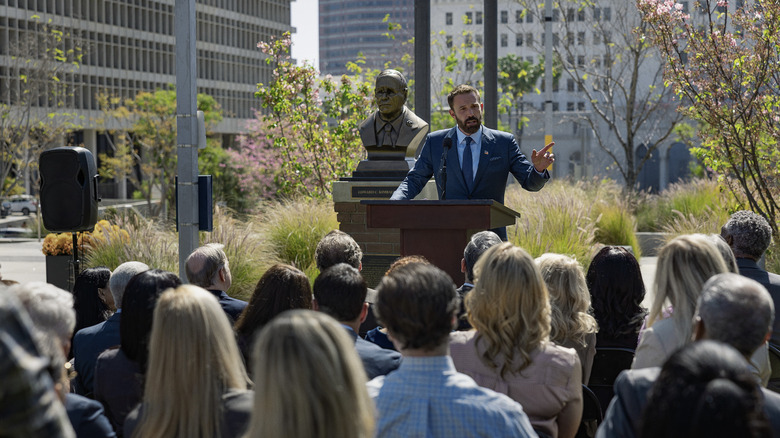
James Bureaux functions as a dark narrative mirror to Mark Kimball. While Kimball successfully transitioned his corporate legal career into a lucrative, celebrated political run for the mayor of Los Angeles, Bureaux represents the unseen casualties of that very same ascent. He is what Kimball’s life easily could have resembled had the scales of capitalism tipped against him instead of for him.
The film’s quiet tragedy lies in the anonymity of Bureaux’s crew. Their names are never celebrated; they receive no press coverage, and in the credits, they are reduced to nameless archetypes. They are regular citizens who were legally crushed by a system designed to protect the powerful, pushed so far past the breaking point that they resorted to desperate, criminal measures to make their voices heard.
Ultimately, Animals uses its kidnapping framework not just to deliver pulse-pounding cinematic tension, but to pose a chilling question to its audience: When the performance of a successful life shatters, what kind of monster are you left hiding underneath?
