
The Shadow of the Master: Dissecting the "Secret" DNA of Ben Affleck’s Animals
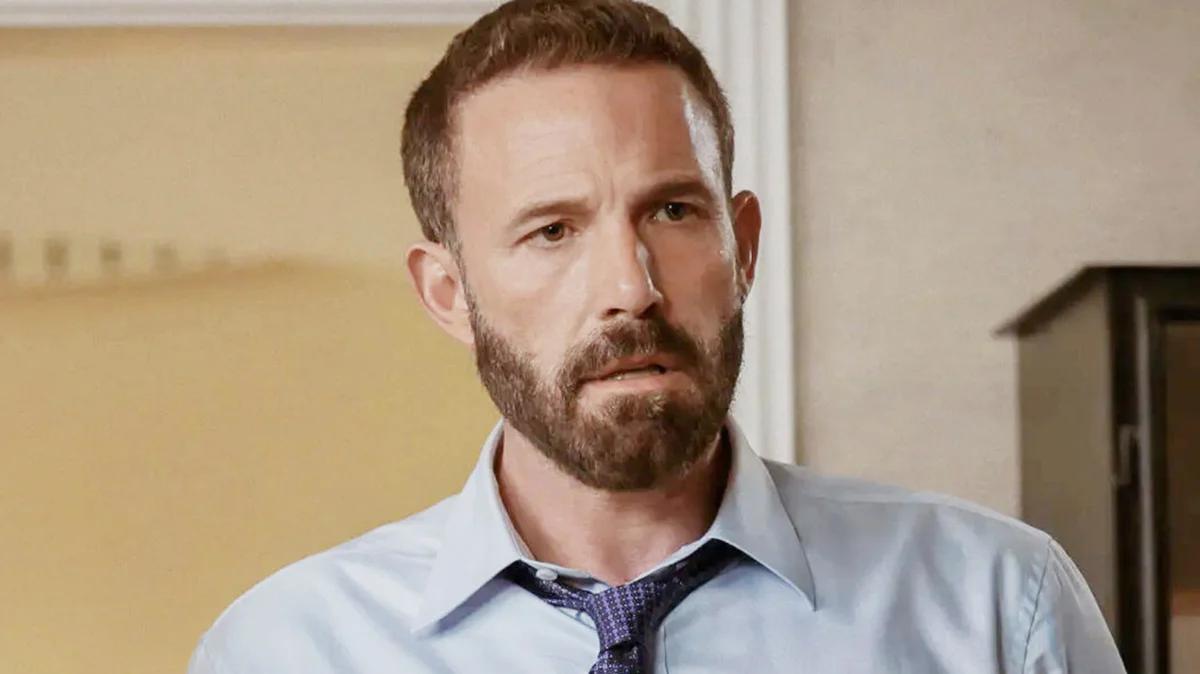
In the landscape of modern streaming, where high-concept thrillers often prioritize pacing over pedigree, Ben Affleck’s latest Netflix project, Animals, has emerged as a lightning rod for cinephiles. While marketed as a taut political crime drama, the film has sparked intense debate among critics and audiences alike for its striking structural and thematic parallels to Akira Kurosawa’s 1963 masterpiece, High and Low. Despite Affleck’s claims of ignorance regarding the classic, the fingerprints of the Japanese titan are undeniably smeared across the production. As Animals invites scrutiny, it reveals a fascinating study in how foundational storytelling tropes are repurposed—and sometimes diluted—for the contemporary American political stage.
The Core Premise: A Moral Dilemma Reimagined
At the center of Animals lies a classic, high-stakes moral conundrum: A wealthy, powerful individual is thrust into a nightmare scenario when a loved one is abducted. The ransom demanded is exorbitant, effectively threatening to bankrupt the protagonist and dismantle their life’s work. The twist, however, is that the victim is not the wealthy man’s child, but rather the son of his employee. The hero is forced to choose between personal financial ruin and the life of a subordinate’s kin.
This setup is the exact narrative engine that powers Kurosawa’s High and Low (which was itself an adaptation of Ed McBain’s 1959 novel King’s Ransom). In Animals, Ben Affleck stars as Mark Kimball, an ambitious Los Angeles lawyer on the cusp of a mayoral victory. The kidnapping occurs on the eve of the election, turning a personal tragedy into a public relations minefield. The film positions itself as a biting commentary on class, power, and the ethical decay inherent in political ambition. Yet, where Kurosawa used the premise to explore the philosophical depths of empathy and social stratification, Animals opts for a more frantic, modern thriller aesthetic, trading Kurosawa’s measured pacing for the rapid-fire editing synonymous with the Netflix era.
A Chronology of Influence and Intent
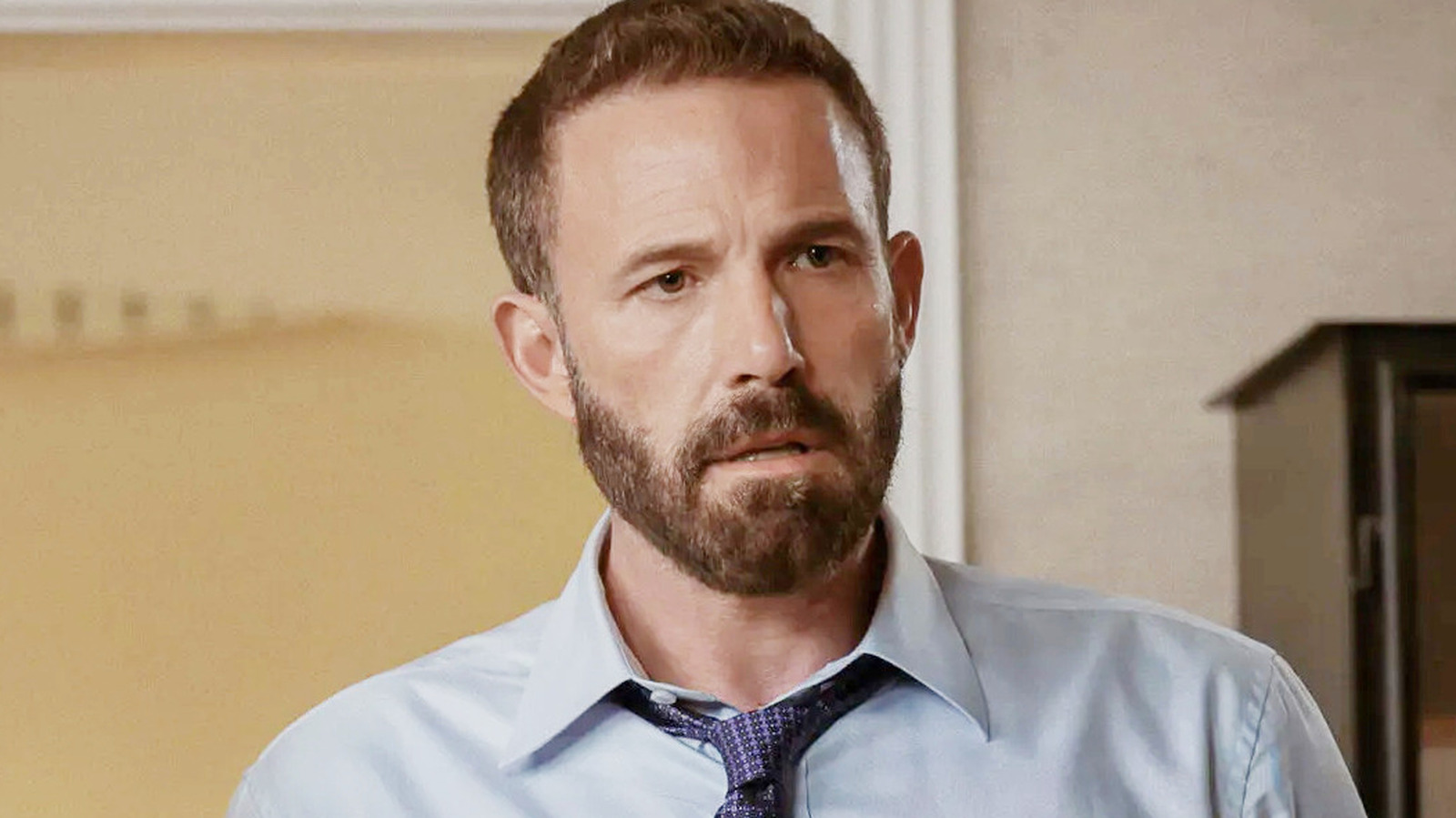
The journey of Animals to the screen has been as fraught as its plot. Ben Affleck, who co-wrote the script alongside Connor O. McIntyre and Billy Ray, has been candid about his creative process, even as he navigates the uncomfortable comparisons to Kurosawa’s work.
The Production Timeline
- Script Development: Affleck, McIntyre, and Ray crafted the story of Mark Kimball, emphasizing the intersection of environmental law and political maneuvering.
- The "Highest 2 Lowest" Shadow: Interestingly, the industry was already buzzing with the release of Spike Lee and Denzel Washington’s project, Highest 2 Lowest, which also drew heavily from the High and Low well. Reports indicate that Affleck deliberately delayed production on Animals to avoid direct comparisons to the Lee/Washington film, demonstrating an acute awareness of the competitive landscape.
- The Denial: Despite the structural similarities, Affleck has stated in interviews with Entertainment Weekly that he had never viewed High and Low prior to the development of his film. Whether this is a case of "parallel evolution" in storytelling or a subconscious synthesis of classic cinema tropes remains a point of contention among critics.
Supporting Data: Stylistic Departures and Similarities
To understand the divide between Kurosawa’s vision and Affleck’s execution, one must look at the technical choices made behind the camera.
The Master of Blocking vs. The Modern Thriller
Kurosawa’s High and Low is a masterclass in spatial awareness. Much of the film’s first act takes place within the confines of a single hilltop mansion. Kurosawa utilized the room like a theater stage, where the physical distance between characters served as a visual shorthand for their social and emotional distance.
In contrast, Animals relies on a more kinetic visual language. Affleck frequently utilizes tight close-ups and whip pans, prioritizing the immediate anxiety of the protagonist over the broader architectural storytelling that defined the 1963 original. While this creates a sense of frantic urgency, it arguably strips the film of the "room to breathe" that made Kurosawa’s work so claustrophobic and impactful.
The Role of the "Fixer"
A notable divergence in Animals is the introduction of Dayle Burton, portrayed by Gillian Anderson. Serving as a high-priced, enigmatic fixer for Kimball’s campaign manager, Sam (Steven Yeun), Burton acts as a modern, cynical archetype—a "Winston Wolfe" for the political elite. Her presence reinforces the film’s core thesis: in the arena of high-stakes politics, no goal is achieved without the accumulation of moral debt.
Official Responses and Creative Justification
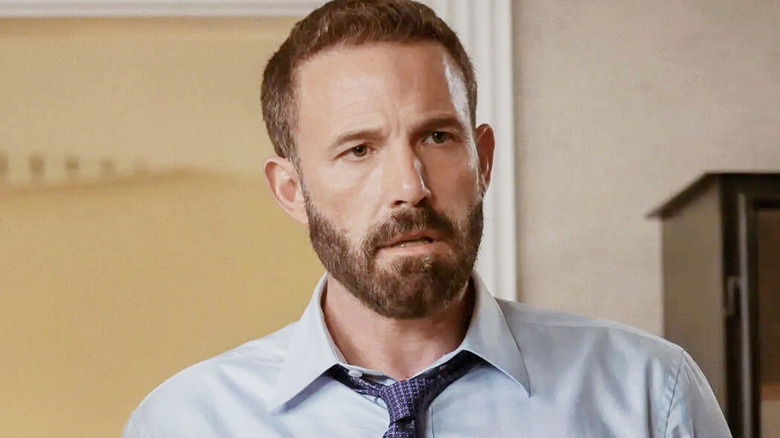
The reception of Animals has been lukewarm, with many reviewers pointing to the film’s inability to reconcile its political cynicism with its crime-thriller pacing. The production team has maintained that the film is a standalone exploration of political ambition.
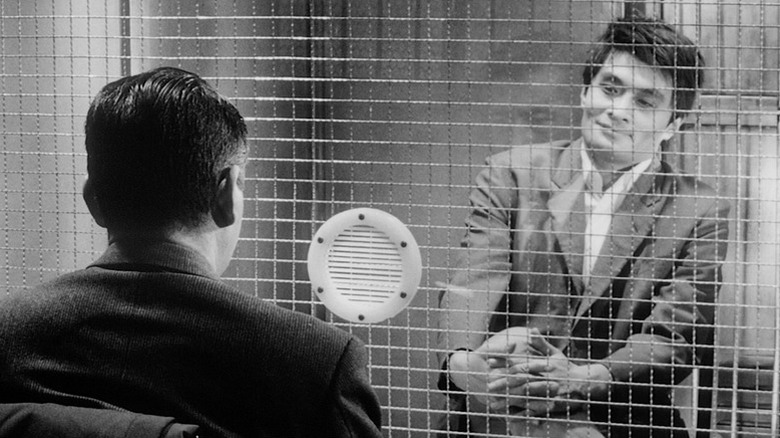
In public statements, Affleck has emphasized his interest in the disillusionment of the American political process. By casting his protagonist as an independent candidate, the filmmakers sought to bypass the traditional party machinery, highlighting the isolation of power. However, the film’s refusal to allow for a direct confrontation between the kidnapper and the hero—a departure from the classic prison-visitation scene in High and Low—has left many viewers feeling that the film lacks a necessary emotional payoff.
Implications: The Ethics of the "Borrowing"
The most significant implication of the Animals debate is the question of creative ownership in the age of global content. Is it possible to tell a story about a kidnapping and a moral choice without invoking High and Low?
The Political Allegory
Animals attempts to use the kidnapping as a metaphor for the transactional nature of modern life. The kidnapper, revealed to be a victim of Kimball’s environmental litigation, represents the "collateral damage" of progress. By placing the child of an undocumented immigrant at the center of the conflict, the film attempts to inject a layer of modern social commentary that Kurosawa could not have anticipated.
The Cynical Conclusion
The film’s ending is perhaps its most polarizing element. Rather than finding redemption or closure, Kimball emerges as a hollow, successful politician, having spun the trauma of the kidnapping into a narrative of heroism. He uses the victims—Ramon and his family—as political props, securing his path to a potential presidency.
While this aligns with Affleck’s stated goal of highlighting political disillusionment, critics argue the film fails to make this ending feel earned. Because the film spent its runtime focusing on the mechanics of the thriller rather than the soul of the character, the final, cynical beat lands with a thud rather than a sting.
Conclusion: A Mirror Held Up to Power
Animals stands as a testament to the enduring, universal nature of the King’s Ransom premise. Whether or not it was intended as a "secret remake," it occupies the same narrative territory as one of the greatest crime dramas in history.
For the viewer, Animals serves as a polished, if flawed, look at the mechanisms of power. It succeeds in capturing the anxiety of the modern political climate, but it struggles to match the philosophical rigor of its cinematic predecessors. While it may not reach the heights of a Kurosawa masterpiece, it provides a sobering, if uncomfortable, reflection on how today’s leaders might weaponize tragedy to serve their own ends. As it sits on Netflix, available to millions, Animals invites us to ask: in the pursuit of the "high" ground, how much of our humanity are we willing to bury?
