
The Bose Lifestyle Ultra Soundbar: A Paradigm Shift in Compact Home Theater
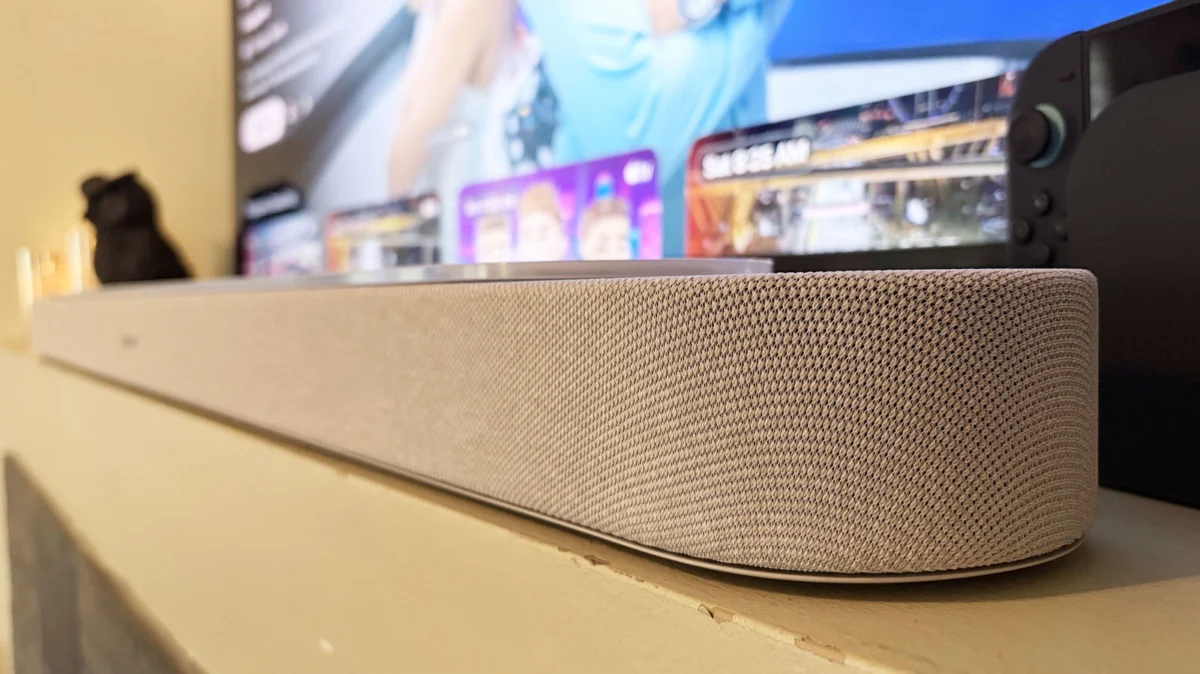
In the evolving landscape of home entertainment, the "all-in-one" soundbar has long been a compromise. Historically, consumers seeking cinema-grade sound were forced to contend with bulky external subwoofers and a mess of cables to achieve the low-frequency impact necessary for modern blockbusters. Bose, a brand synonymous with acoustic innovation, has set out to shatter this paradigm with its latest flagship offering: the Lifestyle Ultra Soundbar.
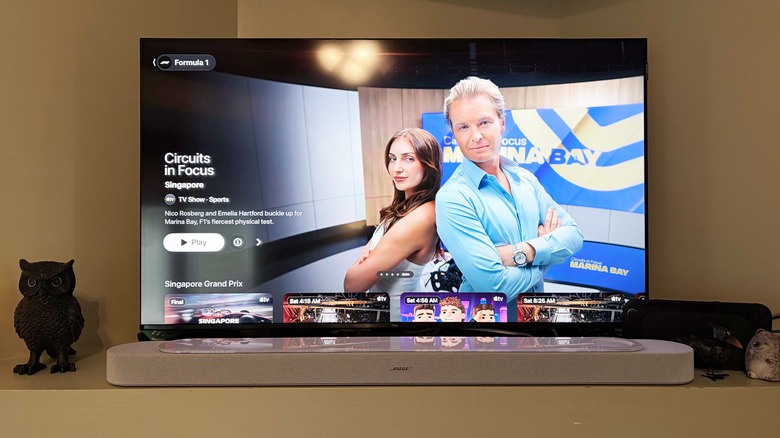
Boasting a sophisticated array of proprietary technologies, the Lifestyle Ultra aims to deliver a "loudest, deepest, and most immersive" experience without the traditional requirement of a separate subwoofer. With a retail price of $1,099, the device enters a fiercely competitive market dominated by heavyweights like Sonos and Samsung. After rigorous testing, it is clear that the Lifestyle Ultra is not merely a speaker; it is a masterclass in acoustic engineering that challenges the necessity of the "subwoofer-included" bundle.
Main Facts: Engineering the Sound of Silence (and Thunder)
At the heart of the Lifestyle Ultra Soundbar lies an intricate acoustic architecture comprising nine high-performance drivers. Bose has meticulously arranged these to handle specific frequency ranges and spatial requirements:
- Six Full-Range Drivers: These form the backbone of the system. Two are dedicated up-firing units that utilize ceiling reflections to simulate overhead height channels, while four are front-facing to anchor the soundstage.
- Center-Mounted Tweeter: Designed specifically to preserve vocal clarity, ensuring that dialogue remains crisp even during chaotic action sequences.
- PhaseGuide Drivers: These specialized units work to spread sound horizontally, creating a wide, room-filling soundstage that belies the bar’s physical dimensions.
The standout feature, however, is the integration of CleanBass technology and QuietPort acoustics. These internal mechanisms allow the bar to reproduce low-frequency tones that would typically require a dedicated woofer. The result is a sound profile that is punchy, tight, and remarkably deep, effectively negating the "thin" sound quality that often plagues standalone soundbars.
Chronology: The Development and Deployment of a Flagship
The journey to the Lifestyle Ultra began with a clear mandate from Bose: to redefine the flagship living room experience. The company recognized that modern consumers are increasingly sensitive to the aesthetic footprint of their technology.
- Phase One: Conceptualization: Bose engineers focused on the limitations of small-form-factor bass reproduction. By iterating on their proprietary porting designs (QuietPort), they were able to minimize turbulence and distortion, allowing for higher volume levels without the rattling commonly found in lesser systems.
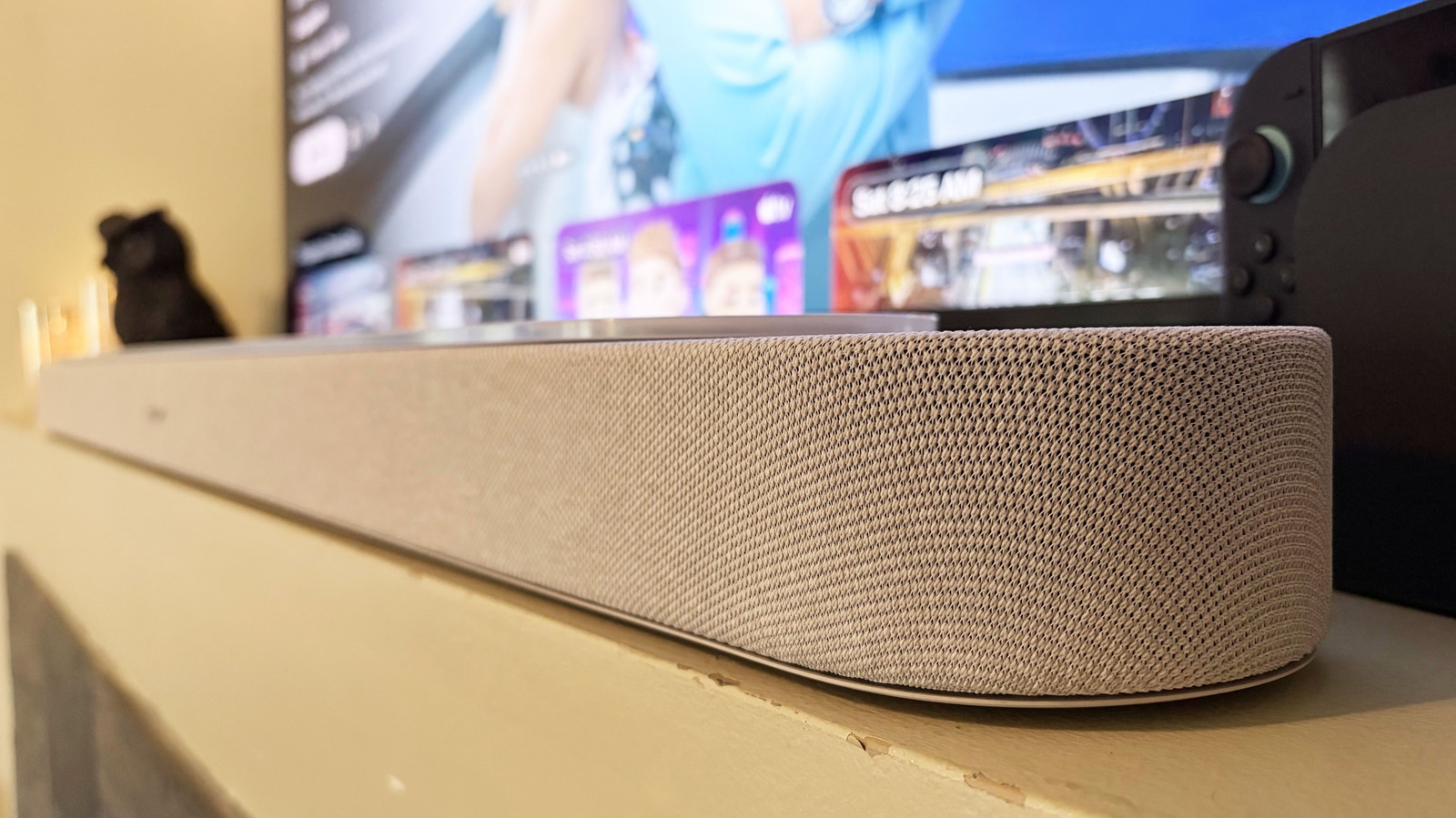
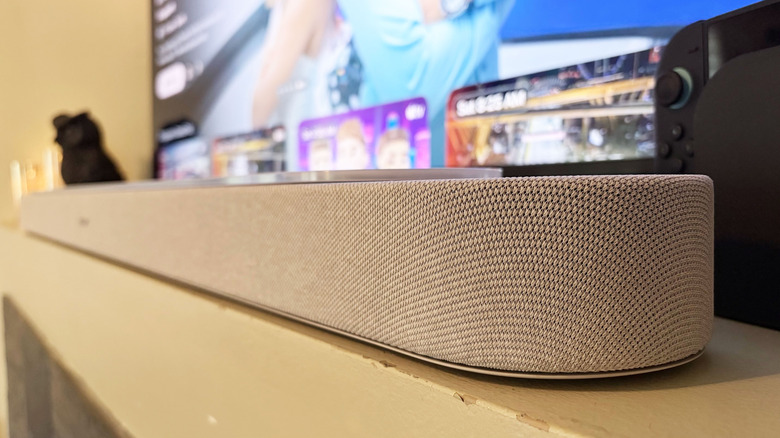
- Phase Two: Material Integration: The transition from traditional plastic housings to a refined, textured knit-fabric grille and a premium glass top panel was a deliberate move to transition the soundbar from a piece of tech to a piece of furniture.
- Phase Three: Software Optimization: The introduction of the CustomTune calibration suite marked a turning point. Recognizing that every living room has unique acoustic properties—hardwood floors, plush carpets, or open-concept layouts—Bose integrated a smartphone-based microphone analysis tool to tailor the output of the nine drivers to the user’s specific environment.
- Phase Four: Market Entry: The product launched with a strategic focus on flexibility. Bose allowed the soundbar to be purchased as a standalone unit while maintaining modular compatibility with their existing subwoofers and satellite speakers, providing a "buy-now, expand-later" path for the consumer.
Supporting Data: Performance Metrics and User Experience
In practical application, the Lifestyle Ultra is a revelation. During extended testing with content ranging from the adrenaline-fueled racing sequences in Drive to Survive to the intricate sound design of Masters of the Air, the unit performed with consistent authority.
The Bass Performance
The most surprising aspect is undoubtedly the bass. In small-to-medium-sized rooms, the unit produces a low-end presence that is startling for its size. For music lovers, the depth of tracks like Sylvan Esso’s "Flood Season" highlights the bar’s ability to maintain tonal integrity. Unlike many competitors that rely on digital signal processing (DSP) to "fake" bass, the Lifestyle Ultra manages to deliver a tactile, physical impact that remains distortion-free at high volumes.
Calibration and Connectivity
The CustomTune process, while requiring a few minutes of patience, is essential. Once calibrated, the soundbar’s ability to project audio around the room creates a sense of scale that effectively fills a space. Connectivity is equally robust, offering:
- AirPlay 2 and Google Cast: Seamless integration for high-quality music streaming.
- Spotify Connect: Direct control for the most popular streaming platform.
- HDMI eARC: The singular, high-bandwidth connection required to handle uncompressed Dolby Atmos and high-bitrate audio formats.
Note: For gamers, it is important to note that the unit lacks HDMI 2.0/2.1 passthrough, meaning consoles must be plugged directly into the TV.
Official Responses and Strategic Positioning
Bose’s marketing strategy for the Lifestyle Ultra is nuanced. While the company provides options for a "Surround Sound Set" (including rear speakers) and a "Home Theater Set" (including the subwoofer), their refusal to force a subwoofer bundle upon the consumer is telling.
Company representatives have emphasized that the Lifestyle Ultra is intended to be a "complete" solution. This aligns with a broader shift in consumer behavior where simplicity and "decluttering" are prioritized over raw power. By pricing the soundbar at $1,099, Bose is positioning the device as a premium, "set it and forget it" piece of home theater equipment that sits comfortably in the same echelon as the Sonos Arc Ultra and the Samsung QS90H.
Implications: The Future of Home Audio
The release of the Lifestyle Ultra has significant implications for the home audio market. It signals that the era of the "necessary" external subwoofer for standard residential living is coming to a close. As acoustic technology continues to advance, the industry is moving toward high-density driver arrays that can mimic the physical movement of larger cones.
The Competitive Landscape
When compared to the Sonos Arc Ultra, the Bose system offers a different flavor of immersion. While the Sonos utilizes "Sound Motion" technology and boasts 14 drivers, the Bose experience feels more "tuned" to the user’s specific room via the CustomTune feature. The Samsung QS90H, meanwhile, offers the advantage of "Convertible Fit" technology, catering to users who want a wall-mounted vs. shelf-mounted solution, but often requires a proprietary Samsung television to unlock its full feature set (Q-Symphony).
The Verdict: A Strategic Investment
For the average consumer, the Lifestyle Ultra is an 8.6/10 performer. It is a premium product that demands a premium price, but it rewards the user with a streamlined aesthetic and a powerful, coherent soundstage.
If there is a criticism, it lies in the minor lack of directional precision when compared to a full-blown discrete surround system. However, for those who prioritize clean lines, ease of use, and high-fidelity performance without the "clutter-factor," the Lifestyle Ultra is arguably the best-performing standalone soundbar on the market today.
Final Recommendation: If you are debating the additional $899 for the subwoofer, hold off. The internal hardware of the Lifestyle Ultra is more than capable of carrying the load. Instead, consider investing in a pair of rear satellite speakers; the added immersion provided by rear-channel audio is a more noticeable upgrade for home theater enthusiasts than the marginal gains in low-end frequency provided by an additional sub.
As of current market trends, Bose’s decision to offer a $200 discount through October 11 makes this the ideal time to enter the ecosystem. Whether you are a cinephile or an audiophile, the Lifestyle Ultra proves that you don’t need a house full of speakers to get a room full of sound.
