
The Man Who Would Be Stallone: How Anthony Ippolito Willed His Way Into Hollywood History
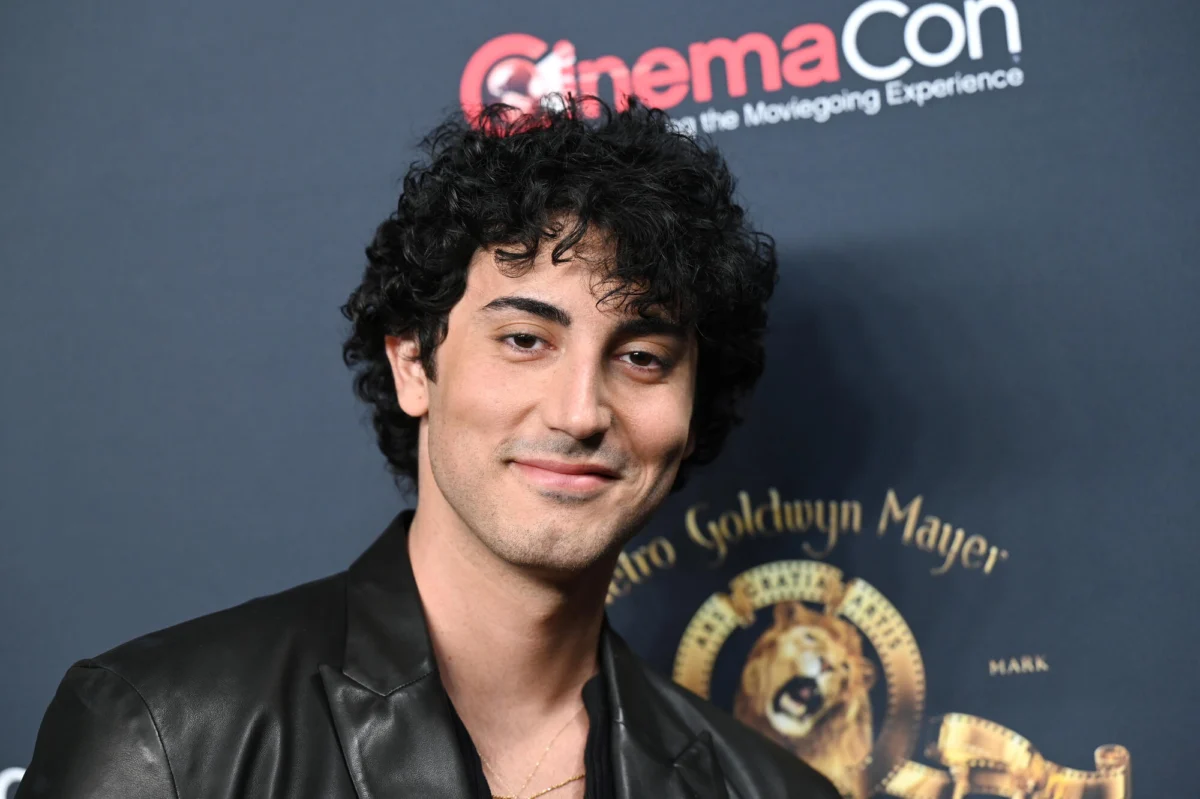
When the first trailer for I Play Rocky dropped, the initial reaction from audiences was not just intrigue—it was a visceral, collective gasp. On screen, Anthony Ippolito didn’t just mimic the iconic, gravel-throated drawl of a young Sylvester Stallone; he channeled the raw, desperate hunger of a man whom Hollywood had collectively dismissed. For Ippolito, the role was not merely an acting challenge; it was a mirror reflecting his own professional resolve.
Directed by Peter Farrelly and written by Peter Gamble, the Amazon MGM Studios film—which recently earned first runner-up honors for the People’s Choice Award at the Toronto International Film Festival—chronicles the legend of how a struggling, unknown Stallone willed his screenplay for Rocky into existence. As Ippolito explains on the latest episode of the Variety Awards Circuit podcast, the process of landing this role was as much an act of grit as it was of craft.
A Calculated Gamble: The Basement Origin Story
The casting process for I Play Rocky was, by all accounts, a competitive gauntlet. When Ippolito caught wind that Farrelly was developing the project, the industry buzz suggested that major A-list stars were circling the role. Rather than waiting for a formal invitation that might never come, Ippolito took matters into his own hands.
“I was like, ‘I gotta try something,’” Ippolito recalls. With no script and no official audition call, he transformed his grandmother’s basement—a space he describes as being “stuck in the 70s”—into a makeshift film set. He hung a heavy bag from a wooden beam, donned vintage boxing gloves that matched the period’s aesthetic, and filmed an audition tape that focused not on dialogue, but on the rhythm of a fighter.
“I always thought one of the most interesting parts of Rocky was his movement, his body rhythm,” Ippolito notes. By demonstrating a physical commitment that went beyond simple imitation, he managed to get his foot in the door. Eventually, he secured the script and continued to throw audition scenes at the production team until the role was his.
From Child Prodigy to Leading Man: A Career Trajectory
Ippolito’s path to playing a screen legend began in the most unlikely of places: the baseball diamond. At age three, he was a left-handed center fielder and pitcher whose natural ability caught the attention of local news outlets. That initial exposure led to appearances on Ripley’s Believe It or Not! and a series of high-profile commercials.
His resume has since matured into a sophisticated portfolio of work. From playing a young version of Adam Sandler’s character in Pixels to his turn as Al Pacino in the Paramount+ limited series The Offer, Ippolito has spent his career studying the nuances of the greats. His time on the hidden-camera series What Would You Do? further sharpened his ability to hold his own in unpredictable, real-world environments—a skill that proved vital when stepping into the shoes of one of cinema’s most recognizable icons.
The Anatomy of an Obsession: Research and Physicality
The preparation for I Play Rocky bordered on the ascetic. Ippolito’s commitment to the role involved a two-year transformation, taking him from 150 pounds to a stocky 180. Training at the historic Gleason’s Gym in Brooklyn, he adopted a lifestyle change that included, yes, the infamous consumption of raw eggs—though he admits he only did it once to see if it was physically possible.
His research was exhaustive. He sourced a rare early Stallone film titled Rebel from a Japanese website, waiting months for its arrival, and dissected every available scrap of footage to understand how the young Stallone moved and spoke. Most importantly, Ippolito studied the original, handwritten first draft of Rocky, scrawled in a red Mead notebook.
“You can see his handwriting. You can see he’s blazing through this, crossing stuff out. It’s very raw,” Ippolito says. This tactile connection to the script provided the emotional backbone for his performance, grounding the film in the reality of a writer struggling to be heard.

Directorial Synergy: Working with Peter Farrelly
For a project of this magnitude, the collaboration between actor and director is paramount. Working with Peter Farrelly, the Oscar-winning mind behind Green Book, provided Ippolito with a unique sense of creative freedom.
“He’s such a veteran that a lot of the time I’m just trusting him,” Ippolito explains. Farrelly’s ability to pivot—often identifying moments during blocking that weren’t in the script—allowed Ippolito to experiment. This collaborative environment ensured that the film remained a human-centric character study rather than a sterile biopic.
Implications for the Industry: The Humanist Imperative
Perhaps the most significant takeaway from Ippolito’s portrayal is his perspective on the current state of Hollywood. Amid the rise of AI-generated performances and the "glossy" nature of $200 million blockbusters, Ippolito argues that actors must double down on their role as "humanists."
“We really need more stories about people doing things themselves, thinking for themselves, and taking agency over their lives,” he asserts. He champions a return to the style of John Cassavetes—raw, mid-budget films that favor character depth over spectacle. By focusing on a young man who fought for his vision in the 1970s, I Play Rocky serves as a pointed critique of the modern obsession with perfection and digital artifice.
Official Reception: The Approval of the Legend
The ultimate test for any biopic actor is the approval of the subject. Stallone, who remains an active and sharp-eyed force in the industry, has seen the film and provided his blessing.
“He told me he really loved the film, and he’s really excited for more people to see it,” Ippolito shares. For the young actor, this validation was the culmination of a high-pressure experience. Knowing that a peer—a fellow actor who understands the technical and emotional labor of the craft—responded positively to his interpretation provided the closure he needed after years of living in the shadow of the role.
Looking Ahead: The Future of a Rising Star
As the awards season conversation begins to swirl around I Play Rocky, Ippolito finds himself in a position reminiscent of the man he portrayed 50 years ago. While he has played several Italian-American icons, he is eager to branch out into projects that offer different challenges.
“I feel like I’ve been spoiled,” he says. “But I think it would be nice to eventually play somebody who doesn’t have so many pieces of footage of them in the public eye.”
When asked what his dream project looks like, Ippolito’s answer remains consistent with his philosophy: "Something that feels not necessarily small, but intimate and character-driven."
As Hollywood continues to grapple with the role of technology and the value of authentic storytelling, Anthony Ippolito stands as a reminder of the industry’s roots. The next great cinematic breakthrough may not come from a massive CGI budget or an algorithmically generated trend; it may very well be found, as it was for Stallone, in a single, handwritten notebook, waiting to be discovered in a basement.
10 Questions with Anthony Ippolito: A Quick Glimpse
- Childhood nickname? "Ant."
- Favorite Yankee of all time? Roger Maris.
- Something you loved as a kid that you can’t believe you were into? Modifying Nerf guns with WD-40.
- Go-to karaoke song? Anything by Frank Sinatra.
- Alternate title for I Play Rocky? Stallone.
- Secret talent? Painting and drawing.
- Favorite ice cream? Van Leeuwen’s black cherry chip.
- One item you couldn’t live without? A pen.
- TV show you wish you’d been in? Wings of Desire.
- Favorite piece of advice? "Be impeccable with your word."
