
A New Horizon for the Gate: Jac Schaeffer to Spearhead Amazon’s Stargate Revival
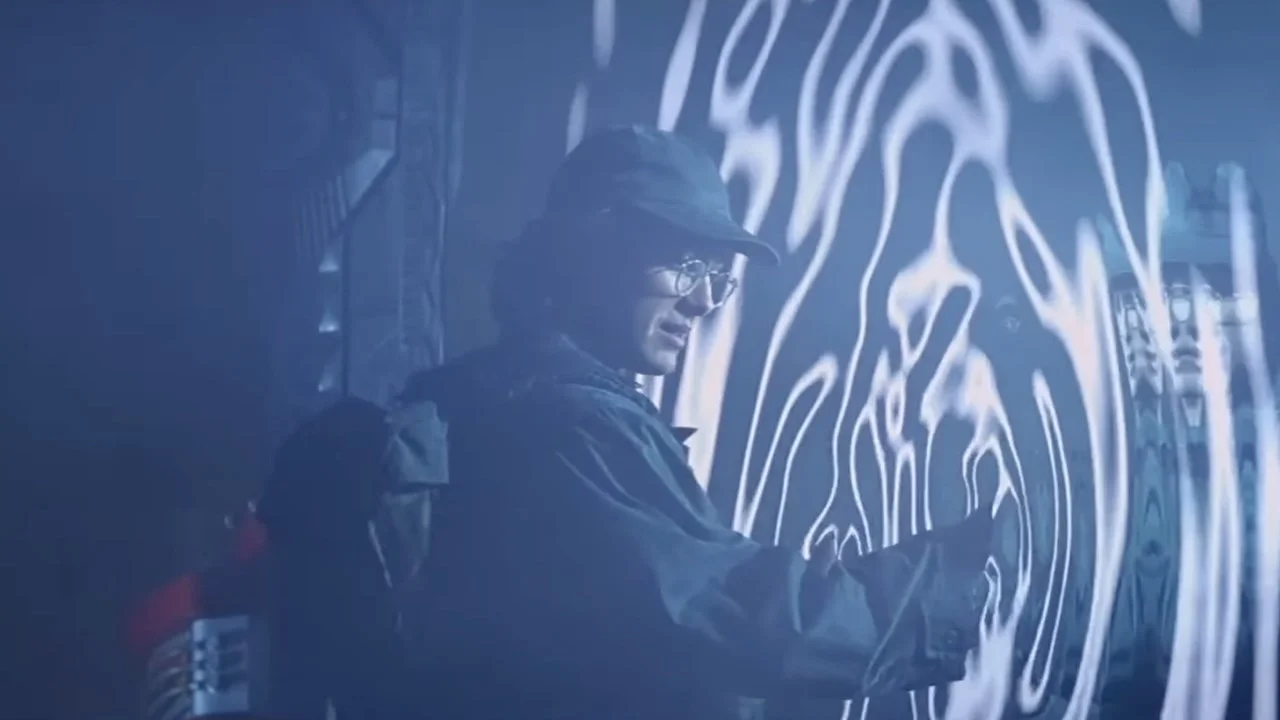
The Stargate franchise, a cornerstone of science fiction television that defined an era of serialized genre storytelling, is officially stepping back into the light. Following a period of uncertainty and creative pivots at Amazon MGM, the studio has announced a major strategic shift in its approach to reviving the beloved intellectual property. Jac Schaeffer, the visionary creator behind Marvel Studios’ WandaVision and Agatha All Along, has been tapped to helm the new Stargate series, marking a significant commitment by Amazon to modernize the franchise for a contemporary global audience.
The Core Development: A High-Stakes Pivot
The news, first reported by Variety, confirms that Schaeffer will serve as an executive producer on the project under her overall deal with Amazon MGM. She joins forces with Joby Harold and Tory Tunnell of Safehouse Pictures, the production team previously behind the Star Wars limited series Obi-Wan Kenobi.
This announcement comes on the heels of a quiet but consequential internal restructuring. In November 2025, Amazon MGM had greenlit a revival project spearheaded by Martin Gero, a veteran of the franchise known for his work on Stargate Atlantis. However, by June 2026, the project was unceremoniously scrapped. Insiders suggest the cancellation stemmed from a fundamental disconnect: studio executives reportedly felt Gero’s vision was too deeply tethered to the dense, multi-decade mythology of the original series, potentially alienating viewers who lack the "gate-traveling" homework required to jump into such a complex universe.
By bringing in Schaeffer, Amazon is signaling a clear intent: the studio wants a Stargate that functions as a gateway, not a closed loop. The goal is to capture the adventurous, high-concept DNA of the original 1994 film and its subsequent spin-offs while injecting the character-driven, genre-bending sensibilities that made WandaVision a cultural phenomenon.
A Chronology of the Gate: From Big Screen to Streaming
To understand the gravity of this reboot, one must look at the immense shadow cast by the franchise’s history.
- 1994: Director Roland Emmerich and producer Dean Devlin introduce the world to the Stargate—an ancient, ring-shaped device capable of interstellar travel. The original film, starring Kurt Russell and James Spader, became a sleeper hit, establishing the military-meets-archaeology premise.
- 1997: The franchise finds its true home on television with Stargate SG-1. The series expanded the lore exponentially, introducing the Goa’uld, the Asgard, and the Ancient civilization. It would run for ten seasons, becoming one of the longest-running sci-fi series in history.
- 2004–2011: Stargate Atlantis and Stargate Universe follow, attempting to iterate on the formula with varying degrees of success and tonal shifts.
- 2011–2025: The franchise enters a long dormancy period, characterized by sporadic web series and aborted revival attempts, as ownership of the IP shifted through various corporate acquisitions, eventually landing in the massive portfolio of Amazon following the MGM merger.
- 2025–2026: The Martin Gero era begins and ends within a matter of months, highlighting the difficulty of balancing "legacy preservation" with "modern accessibility."
- Late 2026: Jac Schaeffer is appointed to lead the franchise into its next chapter, marking the official start of a new, highly anticipated development cycle.
Why Jac Schaeffer is the Architect of Choice
The appointment of Schaeffer is an inspired, if unconventional, choice. Critics and industry analysts have pointed to her work on WandaVision as the primary indicator of why she is suited for this specific challenge. WandaVision was a masterclass in genre subversion; it took an established, high-stakes superhero property and recontextualized it through the lens of classic television sitcom tropes, creating something deeply emotional and narratively distinct.
Stargate suffers from a common ailment in modern Hollywood: "Lore Fatigue." A franchise with thirty years of history can often feel impenetrable to a newcomer. Schaeffer’s track record suggests she possesses the ability to strip a property down to its emotional core—the concept of human exploration, the loneliness of the unknown, and the power of team dynamics—without needing to rely on the audience’s knowledge of the Tau’ri or the Ori.
With the formation of a new writers’ room imminent, the project is moving from the "conceptual" phase to the "active development" phase. While plot details remain under strict lock and key, expectations are that the series will utilize the core pillars of the franchise—military sci-fi, ancient alien mystery, and the "portal-to-the-week" exploration model—but with the elevated production values and character-first writing that defines the modern streaming era.
Implications for Amazon MGM’s Strategy
For Amazon, Stargate is a crown jewel of the MGM library. In an era where streamers are fighting tooth and nail for recognizable IP to anchor their subscriptions, Stargate remains one of the few high-profile franchises that has yet to be fully exploited for a global, multi-generational audience.
The internal rejection of Gero’s draft serves as a cautionary tale for the industry. Studios are increasingly wary of "fan-service-only" productions. The mandate for the new Stargate appears to be a "re-imagining" rather than a "continuation." This creates a fascinating tension: how does a show satisfy the die-hard fans who have spent decades analyzing the Stargate canon, while simultaneously creating an entry point for a Gen-Z audience that has never seen a Goa’uld?
The inclusion of Joby Harold and Tory Tunnell as partners in this venture also suggests a scale that mirrors the epic nature of the Star Wars universe. By combining the intimate, character-focused writing of Schaeffer with the blockbuster-adjacent experience of the Safehouse Pictures team, Amazon is clearly aiming to build a flagship series that can stand alongside The Lord of the Rings: The Rings of Power and The Boys in their prestige lineup.
The Road Ahead: Balancing Legacy and Innovation
The challenges facing this new Stargate iteration are not merely creative; they are cultural. The original series flourished in an era of 22-episode seasons, allowing for "bottle episodes" and deep character exploration that is rarely afforded to today’s 8-to-10-episode streaming cycles.
However, the "playground" of Stargate is vast. The concept of ancient alien technology scattered across the galaxy provides a narrative framework that is essentially infinite. Whether the show focuses on a new team of explorers, a political drama involving the Stargate Program’s place in global security, or a more cosmic, Universe-style survival tale, the potential for success is high—provided the creative team can avoid the "mythology trap."
As we look toward the potential release window, fans are left to speculate on the tone of the series. Will it retain the lighthearted, camaraderie-driven spirit of SG-1? Or will it lean into the gritty, desperate survivalism of more modern sci-fi? Given Schaeffer’s penchant for bringing "personality" to genre projects, it is likely the series will find a middle ground: a show that takes its science fiction seriously, but never forgets the human heart at the center of the mission.
Conclusion: Will the Gate Open Wide?
The announcement of Jac Schaeffer as the creative lead for Stargate is arguably the most exciting development for the franchise in over a decade. It signals that Amazon MGM is serious about treating the series as a priority, willing to make the hard choices required to keep the brand alive and relevant.
For the legions of fans who have waited years to hear the iconic sound of the Stargate engaging, this is a moment of cautious optimism. The history of the franchise is littered with failed attempts and "what-ifs," but in the hands of a creator who has proven she can turn niche concepts into massive, emotional, and critical hits, there is a genuine reason to believe that the next time the iris opens, it will lead us somewhere truly extraordinary.
As the writers’ room begins its work, the industry will be watching closely. If Schaeffer can strike the balance between the nostalgia of the past and the demands of the future, she might just succeed in doing what many thought was impossible: making the Stargate feel like a brand-new adventure all over again.
