
Riding into the New Millennium: A Critical Retrospective of the 10 Best Western Movies of the 2000s
Main Facts: The Resilience of the American Frontier
While the 1990s saw the Western genre reduced to a flickering ember after decades of undisputed dominance in Hollywood’s golden age, the 2000s proved that the frontier narrative was far from extinct. Despite a drastic reduction in sheer box-office output, the aughts breathed new life into the traditional tropes of the American West. Filmmakers traded in the black-and-white morality of classical cinema for complex psychological studies, revisionist mythologies, and brutal, unvarnished realism.
Rather than fading into irrelevance, the Western became a malleable vessel for modern anxieties. Directors utilized the historical sandbox to explore systemic corruption, toxic masculinity, shifting geopolitical landscapes, and the creeping dread of industrialization. Far from being a relic of a bygone era, the 2000s produced some of the most critically acclaimed and enduring contributions to the genre in cinematic history, proving that stories about the creation and moral foundation of America retain an eternal, gripping resonance.
Chronology and Evolution: The 2000s Western Landscape
The evolution of the 21st-century Western did not happen overnight; it was a gradual reclamation of the genre’s soul. The decade began with a quiet commitment to traditional storytelling before exploding into radical reinventions that challenged the very definition of what a Western could be.
2003–2005: The Traditionalist Revival and Radical Departures
- 2003 – Open Range: Directed by and starring Kevin Costner, this film acted as a faithful, unironic homage to the classical Western. It reminded audiences of the raw power inherent in stories about decent people pushed to violence.
- 2005 – The Proposition: John Hillcoat and musician Nick Cave relocated the Western to the sun-scorched, fly-ridden Australian outback. This bleak masterpiece traded American tropes for a terrifying exploration of colonial guilt and survival.
- 2005 – Brokeback Mountain: Ang Lee shattered cinematic glass ceilings by taking the most traditionally hyper-masculine genre and framing a tender, devastating love story between two men against the breathtaking backdrop of the American West.
2007: The Watershed Year
The year 2007 stands as an absolute watershed moment for the genre, releasing a staggering trifecta of masterpieces that permanently altered the landscape of cinematic storytelling:
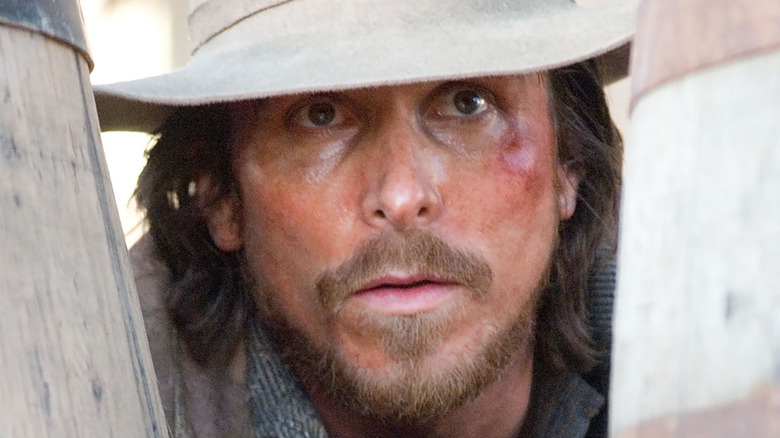
- 3:10 to Yuma: James Mangold successfully merged high-octane action with a deeply psychological character study, earning critical praise and a dedicated modern following.
- The Assassination of Jesse James by the Coward Robert Ford: Andrew Dominik delivered an arthouse meditation on fame, myth-making, and betrayal, anchored by Roger Deakins’s transcendent cinematography.
- There Will Be Blood: Paul Thomas Anderson used the early-20th-century oil boom as a Trojan horse to deliver a blistering indictment of American capitalism, seamlessly weaving Western DNA into a sprawling epic.
- No Country for Old Men: The Coen brothers captured the haunting dread of a changing world, ultimately taking home the Academy Award for Best Picture.
Supporting Data: Ranking the 10 Best Western Movies of the 2000s
10. Appaloosa (2008)
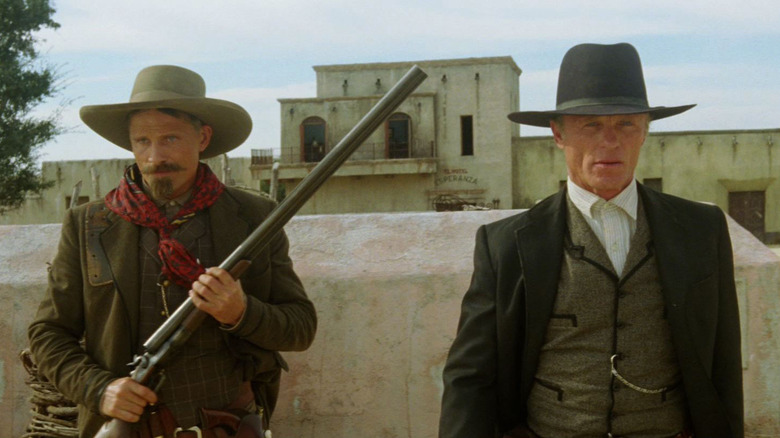
Ed Harris directed, co-wrote, and starred in this lean, unhurried throwback. Set in 1880s New Mexico Territory, the film follows longtime lawmen Virgil Cole (Harris) and Everett Hitch (Viggo Mortensen) as they restore order to a town terrorized by a tyrannical rancher (Jeremy Irons). While Renee Zellweger’s arrival complicates the men’s dynamic, the film’s true beating heart is the steadfast, understated bond between its leads. Though a modest box-office performer, Appaloosa remains a criminally underrated gem that honors the classical code.
9. The Good, the Bad, the Weird (2008)
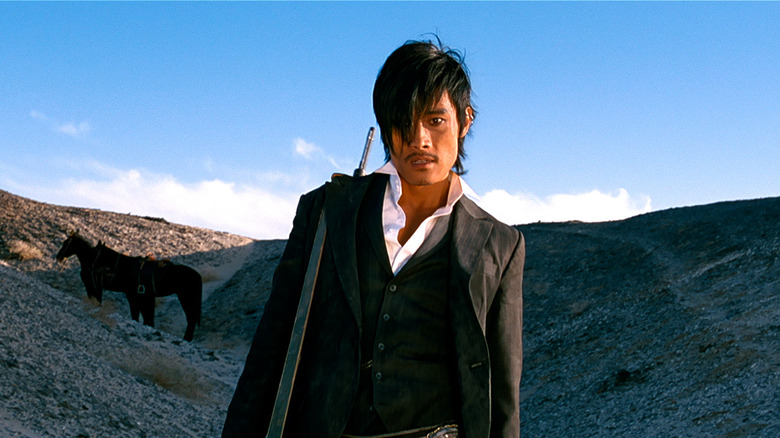
Kim Jee-woon’s maximalist South Korean epic transplants the classic Sergio Leone formula to 1930s Manchuria. Featuring a high-octane three-way chase over a mysterious treasure map involving a sadistic gangster, a stoic bounty hunter, and a bumbling thief, the film is a masterclass in scale and choreography. Backed by one of the largest budgets in South Korean history at the time, it proved that the visual language of the Western is entirely portable across global landscapes.
8. The Proposition (2005)
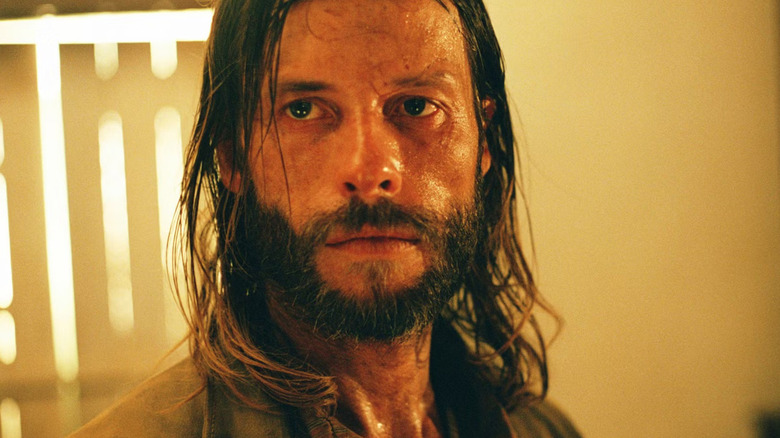
John Hillcoat’s outback Western is as unforgiving as it is poetic. Guy Pearce stars as an outlaw given an impossible ultimatum by a British lawman (Ray Winstone): track down and murder his own psychopathic older brother (Danny Huston) within nine days, or watch his younger brother hang. With a haunting score by Nick Cave and Warren Ellis, the film is defined by sudden bursts of visceral violence and an inescapable atmosphere of moral dread.
7. Open Range (2003)
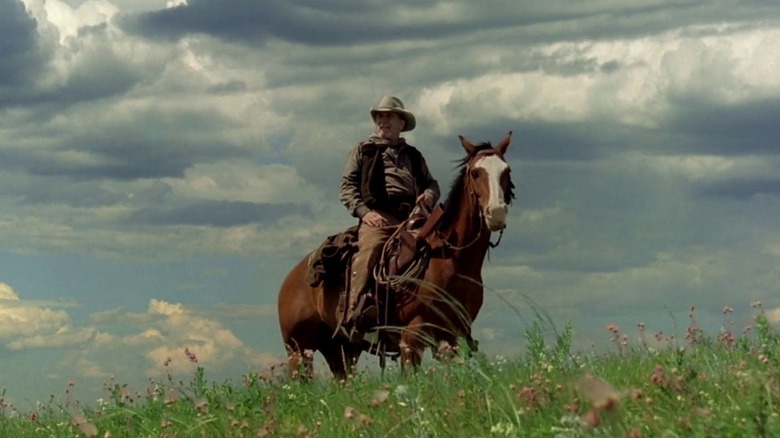
Kevin Costner’s traditionalist entry stars Robert Duvall as "Boss Spearman," a veteran free-grazer whose cattle-drive crew clashes with a ruthless land baron (Michael Gambon). Eschewing irony, Open Range leans into the dignity of the classical Western. Its climactic shootout is celebrated as one of the most chaotic, deafening, and realistic gun battles in cinema history, emphasizing the messy, irreversible weight of lethal violence.
6. Brokeback Mountain (2005)
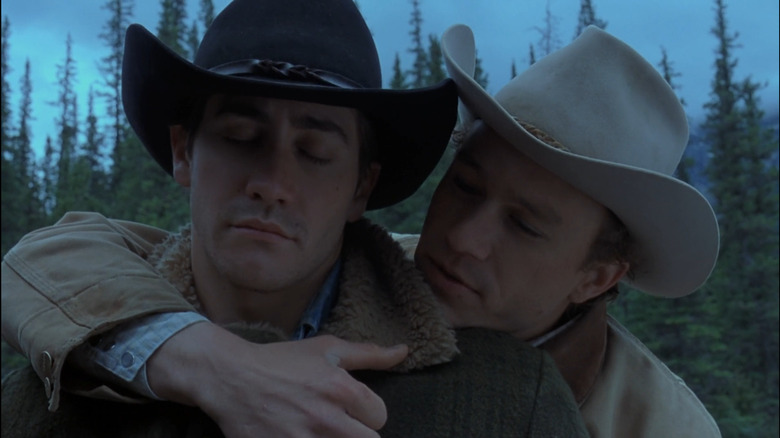
Ang Lee’s adaptation of Annie Proulx’s short story changed the cultural conversation surrounding the American frontier. Chronicling the decades-long, clandestine romance between Wyoming ranch hands Ennis Del Mar (Heath Ledger) and Jack Twist (Jake Gyllenhaal), the film is a monumental achievement in romantic cinema. Despite a notorious Academy Award upset where it lost Best Picture to Crash, time has cemented its status as a heartbreaking masterwork.
5. 3:10 to Yuma (2007)
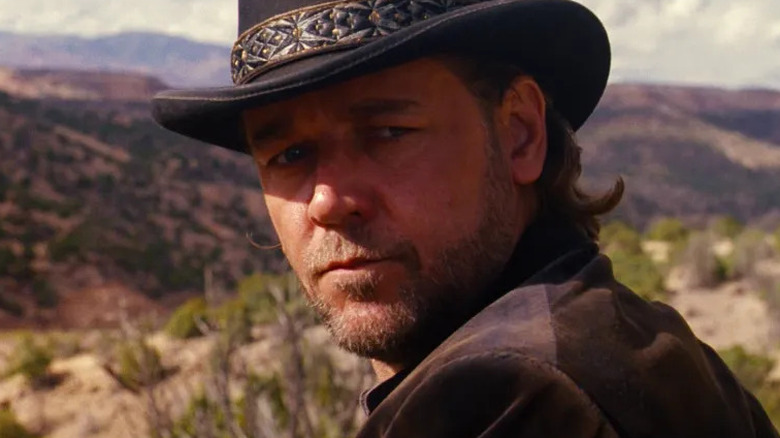
James Mangold’s adaptation of the Elmore Leonard short story pits Christian Bale’s struggling, debt-ridden rancher against Russell Crowe’s charismatic, captured outlaw. As Bale escorts Crowe to a fateful train, the film evolves into a tense psychological chess match. Bolstered by stellar supporting turns from Ben Foster and a literate script, it stands as a crowd-pleasing action film that doubles as a piercing exploration of personal integrity.
4. The Three Burials of Melquiades Estrada (2005)
Tommy Lee Jones’s directorial debut tells the gripping story of a Texas ranch foreman who forces a rookie Border Patrol agent (Barry Pepper) to accompany the corpse of his murdered friend on a grueling journey back to Mexico for a proper burial. Written by Guillermo Arriaga, the film combines dry, deadpan humor with blistering social commentary on border politics, cementing Jones’s talent behind the camera.
3. The Assassination of Jesse James by the Coward Robert Ford (2007)
Andrew Dominik’s somber masterpiece deconstructs the creation of American folklore. Brad Pitt portrays an aging, weary Jesse James, while Casey Affleck delivers a career-defining performance as Robert Ford, a starstruck youth whose idol worship curdles into murderous resentment. Though ignored by general audiences upon its initial release, Roger Deakins’s stunning cinematography and the film’s painterly pacing have rightfully elevated it to modern classic status.
2. There Will Be Blood (2007)
Loosely adapted from Upton Sinclair’s Oil!, Paul Thomas Anderson’s epic uses the foundational myth of the self-made American pioneer to deliver a scathing critique of ruthless capitalism. Daniel Day-Lewis won his second Best Actor Oscar for his immortal portrayal of oilman Daniel Plainview, whose spiraling, venomous rivalry with a charismatic young preacher (Paul Dano) serves as a dark tragedy about the price of unchecked greed and manifest destiny.
1. No Country for Old Men (2007)
The Coen brothers’ adaptation of Cormac McCarthy’s novel reigns supreme as the definitive Western of the 2000s. Set in a desolate 1980 West Texas landscape where old codes of honor have dissolved, the film tracks a catastrophic chain reaction sparked by a hunter (Josh Brolin) who stumbles upon drug money. Hunted by the terrifying, philosophical hitman Anton Chigurh (Javier Bardem) and trailed by a weary Sheriff Ed Tom Bell (Tommy Lee Jones), the film strips away traditional musical scores and sentimentality to present a stark, haunting meditation on the inevitability of change.
Official Responses and Industry Reception
At the turn of the millennium, major Hollywood studios were largely hesitant to invest heavily in Westerns, viewing them as financially risky relics. Films like The Assassination of Jesse James and Open Range faced uphill battles regarding marketing and box-office returns. However, the critical establishment responded with overwhelming enthusiasm.
Masterpieces such as No Country for Old Men, There Will Be Blood, and Brokeback Mountain dominated the awards circuit, collectively securing multiple Academy Awards and cementing a cultural shift. The critical embrace of these films forced Hollywood executives to recognize that audiences craved sophisticated, subversive, and morally ambiguous takes on historical American myths. Studio leadership eventually realized that while the traditional Saturday-matinee B-Western was dead, the prestige Western was a viable and critically cherished commodity.
Implications: The Legacy of the Aughts Western
The renaissance of the Western in the 2000s left a permanent blueprint for modern prestige cinema. By dragging the genre out of pristine studio backlots and into the mud of moral ambiguity, psychological realism, and socio-political commentary, filmmakers ensured its survival for the 21st century.
The thematic threads established during this decade—such as the questioning of American foundational myths, the critique of unchecked expansionism, and the deconstruction of traditional masculinity—paved the way for subsequent hits on both the silver screen and television. Shows like Yellowstone and modern cinematic explorations of the frontier owe a direct debt of gratitude to the 2000s directors who proved that the dusty trails of the American West still lead straight to the heart of the human condition.
