
The Twilight of an Era: Why Netflix’s Live-Action Ravenloft Threatens to Dethrone The Legend of Vox Machina
By Angel Shaw
Published October 10, 2026
Main Facts
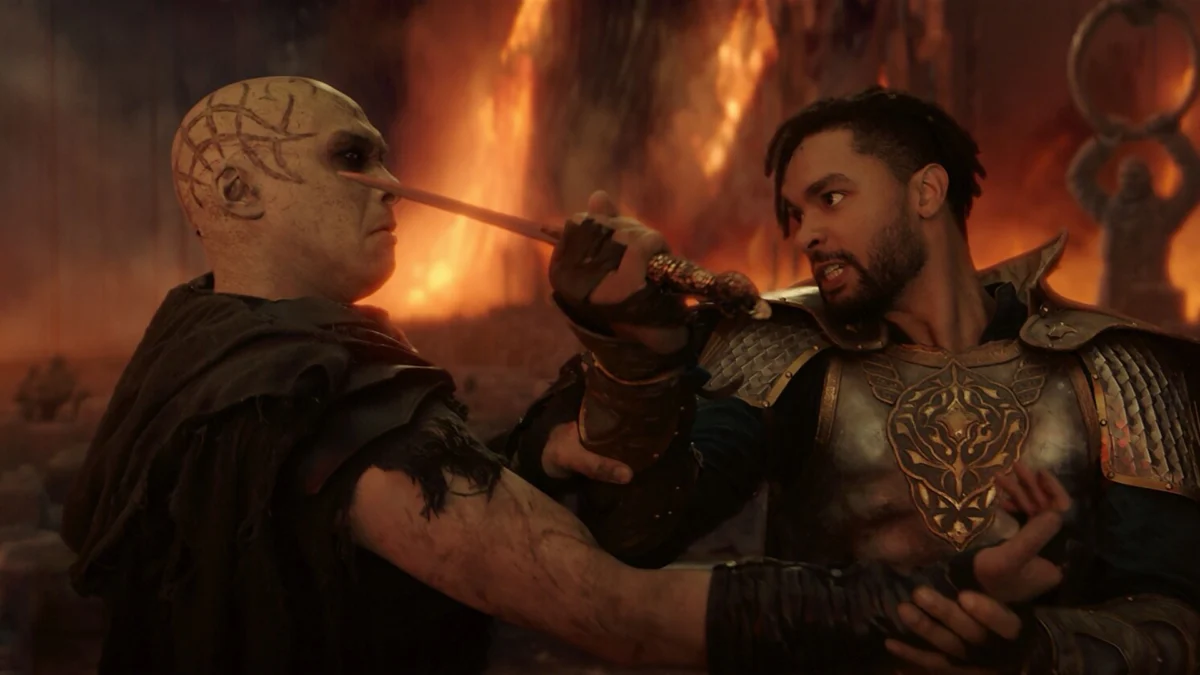
For several years, Prime Video’s The Legend of Vox Machina has reigned supreme as the undisputed king of Dungeons & Dragons television adaptations. Emerging from the immensely popular actual-play web series Critical Role, the animated fantasy epic achieved what few adaptations ever manage: a flawless 100% critical approval rating on Rotten Tomatoes.
However, the landscape of tabletop-inspired television is on the cusp of a seismic shift. While The Legend of Vox Machina represents the pinnacle of fan-driven, organic adaptation, it has largely operated within the niche boundaries of the animated medium. Enter Netflix. The streaming titan is currently developing a high-budget, live-action series based on Ravenloft, the iconic, gothic horror setting of the Dungeons & Dragons multiverse.
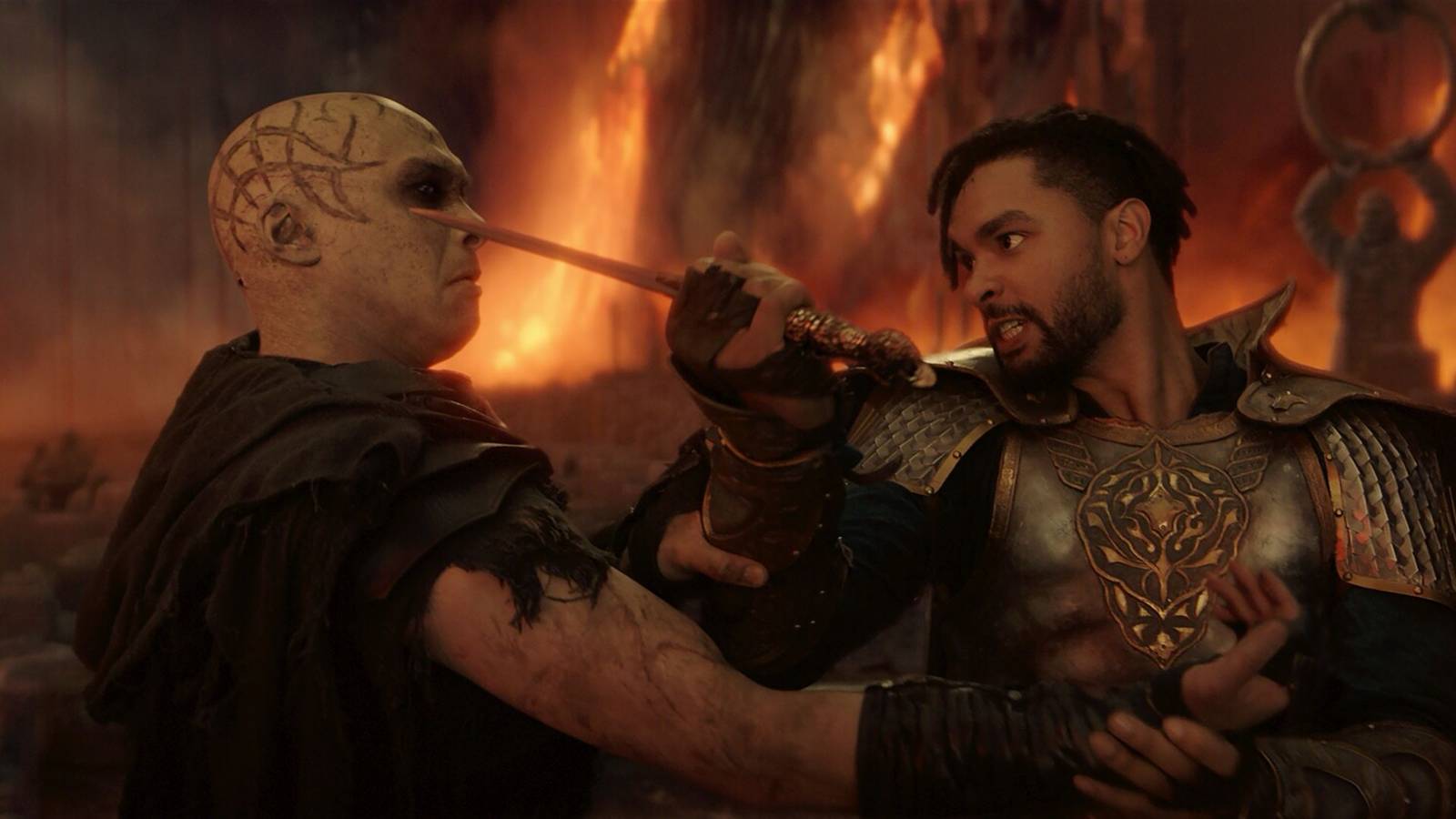
While industry insiders and casual viewers alike anticipate Ravenloft as a landmark pop-culture event, its arrival signals a bittersweet reality. The live-action epic is all but guaranteed to eclipse The Legend of Vox Machina in mainstream visibility, threatening to displace Prime Video’s animated champion from its throne—even if it cannot match its immaculate creative integrity.
Chronology: The Evolution of D&D on Screen
To understand the weight of the upcoming transition in the Dungeons & Dragons television ecosystem, it is vital to trace how the property evolved from a basement pastime into a dominant force in modern entertainment.
- The Decades of Niche Subculture (1974–2010s): For decades, Dungeons & Dragons remained a beloved yet strictly subcultural phenomenon. While deeply influential to generations of fantasy writers and gamers, it struggled to break into mainstream media due to early, largely unsuccessful cinematic attempts (most notably the critically panned 2000 Dungeons & Dragons film).
- The Mainstream Explosion (2016): The cultural paradigm shifted drastically with the premiere of Netflix’s Stranger Things. By weaving classic D&D tropes, monsters (such as the Demogorgon and Vecna), and game terminology directly into its supernatural narrative, the series introduced millions of new viewers to the lexicon of tabletop roleplaying games.
- The Actual-Play Revolution & Vox Machina (2015–2022): Concurrently, actual-play shows like Critical Role demonstrated that watching people play D&D could be a viable, wildly lucrative form of entertainment. Capitalizing on this, Critical Role launched a record-breaking Kickstarter campaign in 2019 to fund an animated special, which subsequently evolved into The Legend of Vox Machina. Prime Video picked up the series, and its official premiere on January 27, 2022, set a new gold standard for fantasy animation.
- The Cinematic Middle Ground (2023): Paramount’s Dungeons & Dragons: Honor Among Thieves brought the franchise back to the big screen with a fun, swashbuckling tone. Despite earning a "Certified Fresh" badge on Rotten Tomatoes and winning over many critics, the film suffered from box office hurdles and failed to achieve the cultural omnipresence of television powerhouses.
- The Upcoming Era of Live-Action Horror (Present–Future): As Netflix develops its live-action Ravenloft series, the industry prepares for the next phase of D&D adaptations. Moving away from the high-fantasy comedy of Honor Among Thieves or the serialized indie-turned-prime animation of Vox Machina, Netflix is betting big on gothic horror to capture the global mainstream audience.
Supporting Data & Critical Reception
The metrics surrounding current and past D&D screen projects reveal a fascinating dichotomy between critical acclaim, medium visibility, and mass-market reach.

| Project Title | Medium / Platform | Core Tone | Critical Reception (Rotten Tomatoes) | Mainstream Visibility |
|---|---|---|---|---|
| The Legend of Vox Machina | Animated Series (Prime Video) | High Fantasy / Action-Comedy | 100% Critical Approval | Moderate-High (Niche/Fandom Dominated) |
| D&D: Honor Among Thieves | Live-Action Film (Paramount) | Heist / Adventure-Comedy | High ("Certified Fresh") | Moderate (Box Office Undervalued) |
| Stranger Things | Live-Action Series (Netflix) | Sci-Fi / Horror / D&D Parallel | Overwhelmingly Positive | Global Phenomenon |
| Ravenloft (Upcoming) | Live-Action Series (Netflix) | Gothic Horror / Dark Fantasy | Anticipated / Unreleased | Projected Massive Mainstream Reach |
The numbers underscore a hard truth in modern media: animation, regardless of quality, faces an uphill battle when competing with live-action productions for general audiences. The Legend of Vox Machina achieved a pristine 100% score on Rotten Tomatoes because it was forged by creators (Travis Willingham and the wider Critical Role cast) who intimately understood the mechanics, emotional beats, and lore of the source material.
However, the sheer economic and marketing weight of a live-action Netflix tentpole operates on an entirely different scale. While Vox Machina satisfies devoted tabletop veterans, a live-action venture like Ravenloft naturally commands broader headlines, greater capital investment, and wider cultural chatter simply due to the visual conventions of prestige television.
Official Responses and Industry Perspectives
Industry analysts and creative teams have frequently commented on the unique challenges of adapting a boundless, open-world tabletop game into structured cinematic narratives.
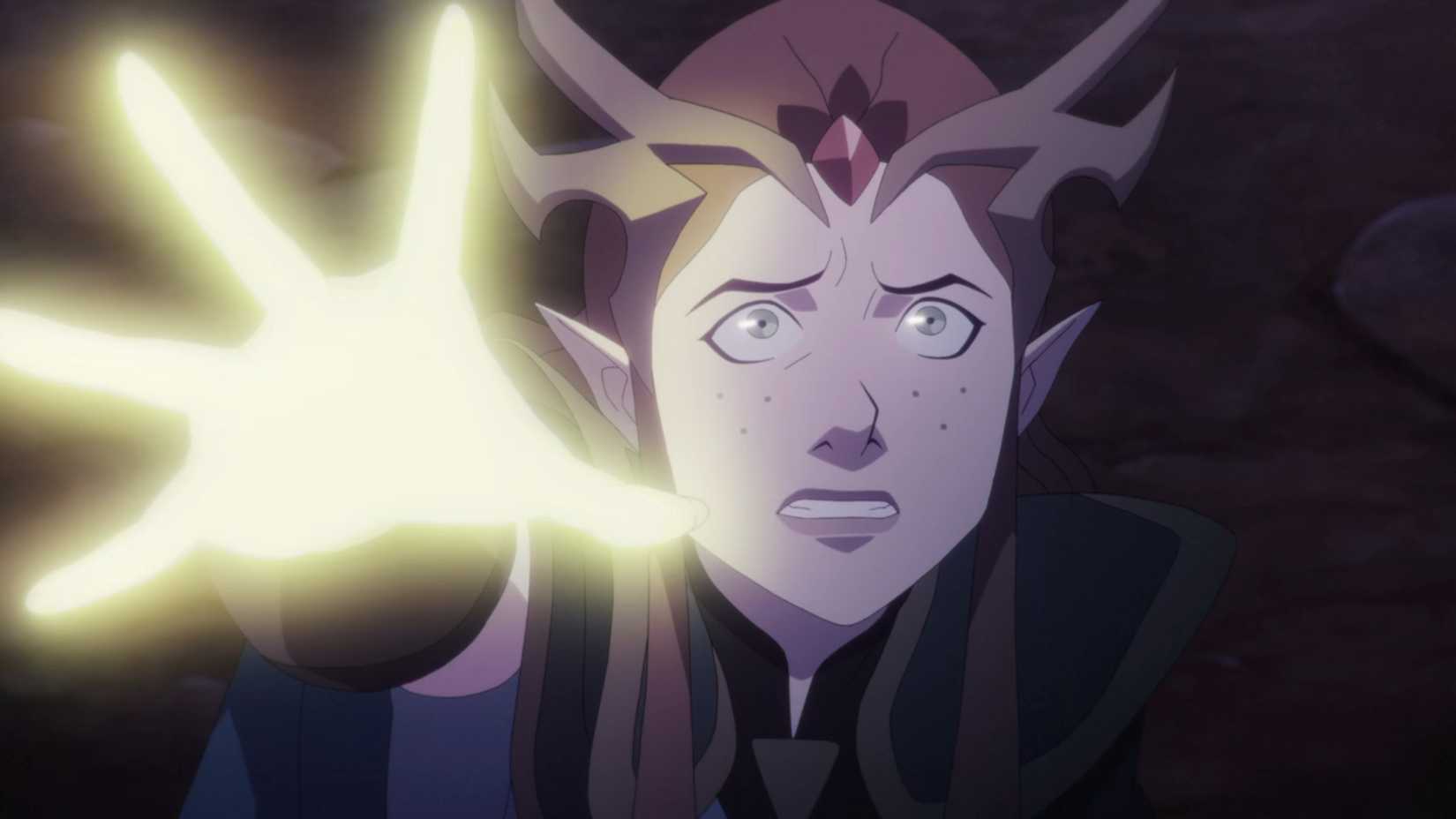
Showrunners and creators working within the D&D space have repeatedly emphasized that the strength of any adaptation lies in capturing the spirit of collaborative storytelling rather than merely translating rulebooks to the screen. Brandon Auman, serving as showrunner for later iterations of Prime Video’s fantasy ecosystem, alongside directors like Young Heller, Eugene Lee, and Alicia Chan, have maintained a delicate balance of honoring the chaotic, unpredictable energy of a real campaign while structuring a cohesive television narrative.
Conversely, Netflix’s approach to massive intellectual properties—seen previously in big-budget adaptations like The Witcher, Shadow and Bone, and upcoming high-profile projects—relies heavily on broad-appeal casting, cinematic grit, and creative liberties designed to hook viewers who have never rolled a twenty-sided die in their lives.
While official press releases from Netflix regarding Ravenloft have kept specific plot details and casting choices close to the chest, the studio’s overarching strategy is transparent: turn iconic speculative fiction into inescapable global events. This commercial necessity, however, introduces palpable anxiety among purists who fear the watering down of beloved lore.
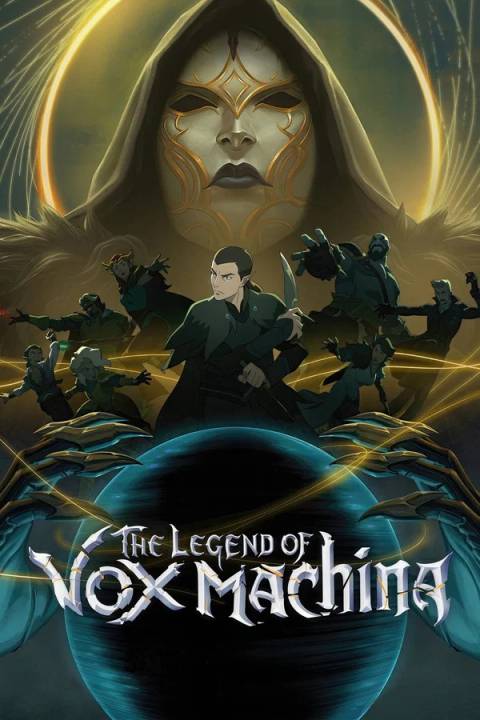
Implications: The End of an Uncompromised Golden Era
The impending arrival of Netflix’s Ravenloft carries profound implications for the future of fantasy adaptations and the community that supports them.
1. The Death of the 100% Critical Consensus
It is statistically and culturally improbable that a massive live-action Netflix production like Ravenloft will secure a 100% critical approval rating. High-budget streaming series are subjected to intense micro-analysis by millions of viewers simultaneously. The sheer volume of eyes on the project guarantees polarization—a stark contrast to the insulated, deeply appreciative critical bubble surrounding The Legend of Vox Machina.
2. Mainstream Compromise vs. Fandom Purity
To succeed on a global scale, Netflix will inevitably have to make creative compromises. Traditional D&D settings like Ravenloft—known for its oppressive mists, gothic dread, and complex moral dilemmas involving entities like Strahd von Zarovich—require careful handling. To appeal to audiences accustomed to fast-paced streaming dramas, the platform will likely inject modern narrative pacing, heightened melodrama, and broader character archetypes, potentially alienating long-time tabletop purists who prefer the unvarnished grit of the original campaign settings.

3. A Bitter Pill for Animation Advocates
The transition of the crown from The Legend of Vox Machina to Ravenloft highlights a persistent bias within the entertainment industry: live-action prestige is still culturally equated with "seriousness" and "importance," whereas animation is frequently relegated to a secondary tier of mainstream awareness, regardless of its artistic superiority. Watching Vox Machina get sidelined not because of a dip in quality, but purely due to medium bias, will mark a tragic turning point for fans of adult animation.
Conclusion
As we look toward the horizon of television fantasy, the impending release of Ravenloft forces us to confront a bittersweet truth. We are undoubtedly entering a golden age of live-action tabletop adaptations, but we may simultaneously be witnessing the twilight of a rare, uncompromised masterpiece in The Legend of Vox Machina. For fans who value passionate, fan-first storytelling above all else, the king’s impending dethroning will be a heavy loss indeed.
