
The Silicon Frontier: Microsoft Launches the $6,000 Surface RTX Spark Dev Box
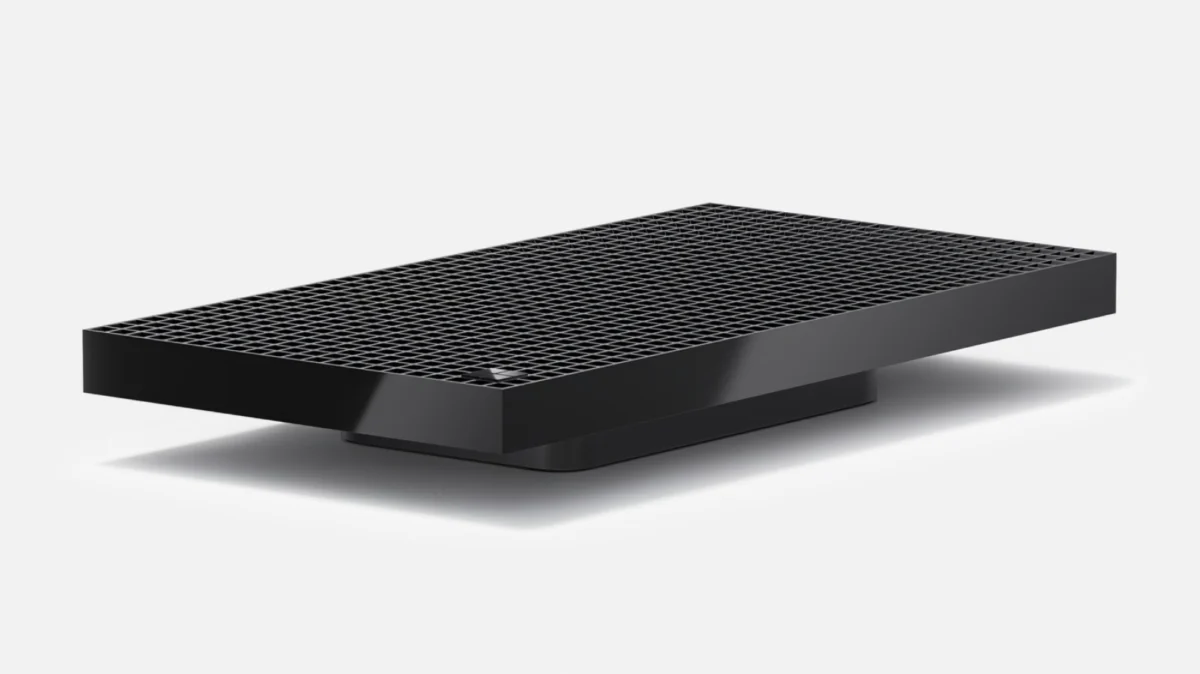
In a bold move that underscores the escalating arms race for localized artificial intelligence, Microsoft has officially opened preorders for the Surface RTX Spark Dev Box. First teased during the company’s high-profile June event alongside the Surface Laptop Ultra, the device is now confirmed to begin shipping to developers and enterprise partners this November. With a staggering price tag of $6,000, the machine positions itself not as a consumer desktop, but as a specialized workstation designed to bring heavy-duty AI compute power directly to the engineer’s desk.
The Core Specs: Engineering for the AI Era
The Surface RTX Spark Dev Box is a testament to the specialized needs of modern software engineering. Unlike standard workstations that prioritize general-purpose processing, the Dev Box is built around the NVIDIA RTX Spark N1X chip. This silicon is purpose-built for AI model training, inference, and local deployment, marking a departure from the traditional CPU/GPU balancing act.
Hardware Architecture
- Processor: NVIDIA RTX Spark N1X chip.
- Memory: 128GB of high-speed unified memory, essential for loading large language models (LLMs) into VRAM.
- Storage: 2TB of high-speed, removable storage.
- Connectivity: The rear I/O panel features two USB-C ports, one USB-A port, an Ethernet port for high-bandwidth networking, and both DisplayPort 2.1 and HDMI 2.1b for high-resolution display support.
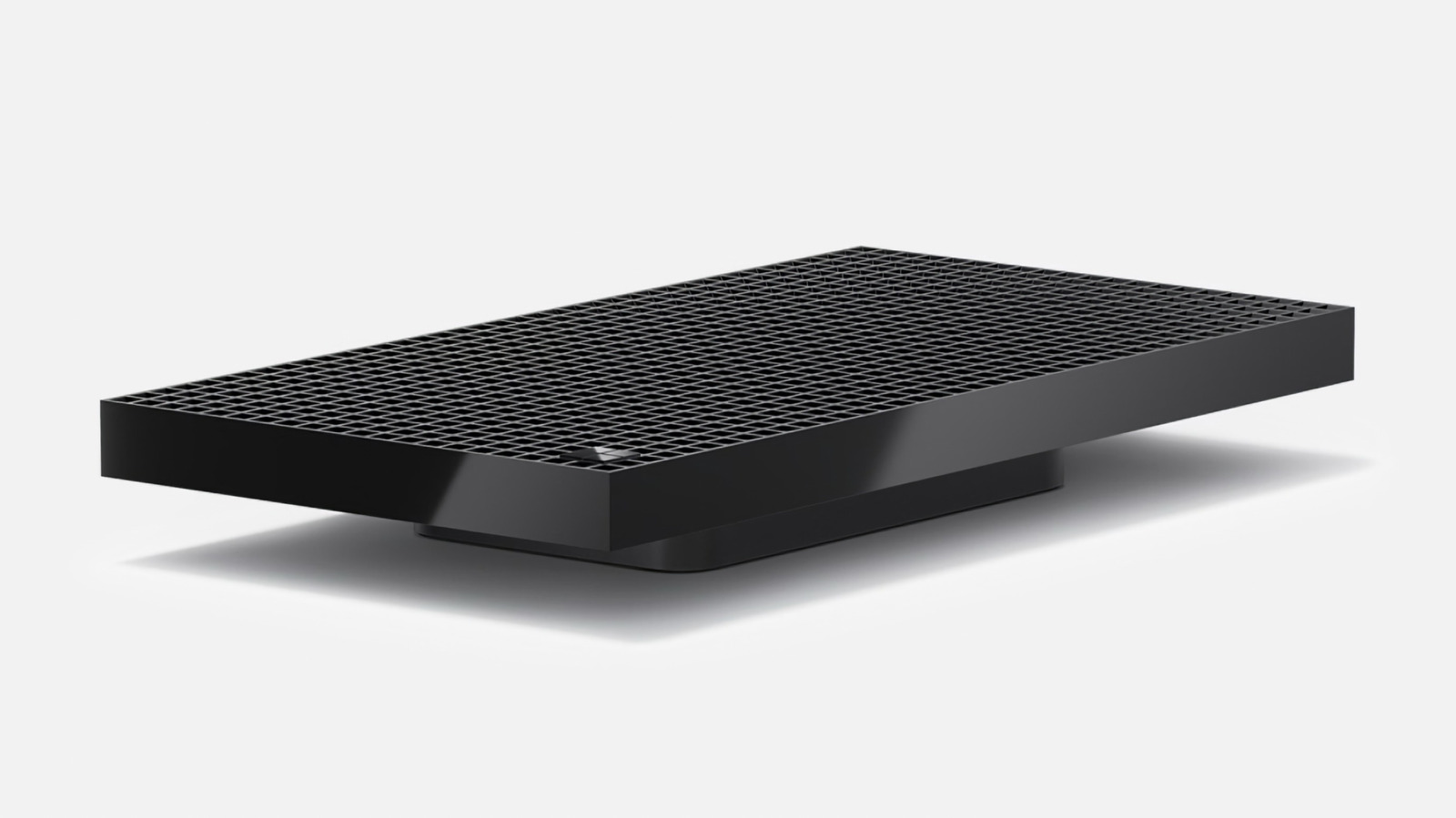
Microsoft has opted for a minimalist, industrial aesthetic, encased in an anodized aluminum chassis with a distinctive grille top. The design, while austere, serves a functional purpose: maximizing thermal dissipation for the high-intensity workloads the N1X chip is expected to handle.
Perhaps the most significant technical promise is the system’s ability to run AI models "exceeding 120B parameters." For developers currently tethered to cloud-based GPU clusters, the ability to run these massive models locally offers a significant reduction in latency and a massive increase in data privacy and security.
Chronology: From Concept to Preorder
The journey of the Surface RTX Spark Dev Box reflects Microsoft’s broader "Project Zenith" initiative—a strategy aimed at redefining the Windows ecosystem for the AI-first world.
- June 2026: Microsoft officially announces the Surface RTX Spark Dev Box during its annual hardware showcase, alongside the ultra-thin Surface Laptop Ultra. The announcement focuses on the need for "local-first" AI development.
- October 7, 2026: Microsoft officially opens preorders for the device, confirming the $6,000 price point and providing a shipping window for November.
- November 2026: The scheduled commencement of shipping to enterprise clients and early-access developers.
This timeline highlights the rapid transition from the conceptual phase to market availability. By aligning the release with its broader software ecosystem updates, Microsoft is attempting to create a "walled garden" for AI development, where the hardware and software are tuned to work in lockstep.
Software Integration: The Project Zenith Ecosystem
Hardware alone is rarely sufficient to justify a $6,000 investment. To add value, Microsoft is bundling the Dev Box with a robust software suite under its Project Zenith umbrella. The device arrives with Windows 11 Pro pre-installed, optimized to manage the unique memory and scheduling requirements of the RTX Spark N1X chip.
Key pre-installed tools include:
- Visual Studio Code: Optimized for the local environment.
- GitHub CLI and GitHub Copilot: Providing seamless integration for version control and AI-assisted coding.
- Python Runtimes: Configured for high-performance machine learning workflows.
By streamlining the setup process, Microsoft hopes to capture developers who are currently spending dozens of hours configuring local environments. The goal is "plug-and-play" AI development, where the gap between writing code and testing it against a 120B parameter model is reduced to a single click.
Market Positioning and Economic Implications
The $6,000 price tag places the Surface RTX Spark Dev Box in a precarious market position. It is significantly more expensive than even the most souped-up MacBook Pro or high-end Windows gaming rig. However, when compared to the enterprise market, the narrative changes.
Comparison with the NVIDIA DGX Spark
The Dev Box is widely viewed as the successor to NVIDIA’s own DGX Spark AI computer. When the DGX Spark debuted, it carried a $3,999 price tag. Today, a 128GB version of that legacy hardware can cost nearly $7,000. In this context, Microsoft is attempting to offer a more integrated, polished, and—ironically—more affordable alternative to the specialized boutique hardware previously required for local AI training.
The Obstacle of Enterprise Costs
Despite the "Dev Box" moniker, the device is clearly aimed at enterprise procurement departments rather than the individual freelancer or independent developer. The lack of customizability—the device is largely a "take-it-or-leave-it" configuration—suggests that Microsoft is targeting corporate teams that need standardized, reliable hardware across their entire developer fleet.
However, the rapid depreciation of AI hardware remains a concern. As chip manufacturers iterate on AI silicon at a breakneck pace, companies are wary of investing in hardware that may be outclassed in 18 to 24 months. The shift in pricing trends for the DGX Spark suggests that this market is volatile, and those buying the Surface RTX Spark Dev Box today are paying for the privilege of being at the absolute bleeding edge of technology.
Official Responses and Strategic Vision
Microsoft’s leadership has maintained that the future of computing is a hybrid model. According to official blog posts, the company believes that "AI working across the cloud and local hardware seamlessly" is the only way to scale the next generation of applications.
By pushing the Surface RTX Spark Dev Box, Microsoft is attempting to control the "local" side of that equation. If developers build their apps on a Microsoft-designed machine, using Microsoft-optimized drivers, and leveraging a Microsoft-supported software stack, the likelihood of those apps being deployed on Microsoft Azure becomes much higher.
Implications for the Future of Development
The arrival of the Surface RTX Spark Dev Box signals a shift in the standard developer workstation. For decades, the workstation was defined by CPU speed and RAM capacity. In the next decade, it will be defined by VRAM, NPU throughput, and the ability to run local inference.
Privacy and Latency
The primary driver for this hardware is the growing demand for local AI processing. For industries dealing with sensitive data—healthcare, finance, and defense—sending data to the cloud for AI analysis is often a non-starter. A $6,000 device that can handle massive models entirely offline provides a solution that addresses both regulatory compliance and performance latency.
The "New Normal"
If the Surface RTX Spark Dev Box succeeds, we may see a tiered market for developer hardware. On one end, standard laptops for web and application development; on the other, "AI Workstations" like the Dev Box. This could lead to a broader shift in how software is architected. If every developer has a 120B-parameter-capable machine on their desk, we can expect a surge in AI-native software that runs locally, shifting the burden of compute from centralized data centers back to the edge.
However, the high cost of entry serves as a gatekeeper. For the average student or independent developer, this hardware remains a distant dream. The risk for Microsoft is that by pricing the device so high, they may inadvertently stifle the very innovation they hope to foster, limiting the pool of developers who can afford to build for the "AI-first" future.
Ultimately, the Surface RTX Spark Dev Box is a bold, high-stakes bet. Whether it becomes the standard for the next generation of software engineers or a cautionary tale about the high cost of early adoption will depend on how quickly the software ecosystem matures to leverage the immense power locked inside its aluminum frame. As shipping begins this November, the industry will be watching closely to see if the promise of the RTX Spark N1X chip translates into a genuine revolution in productivity.
