
The Arctic’s Ancient Hunger: Mathilda Zeller’s It Looks Like You in the Dark Blends Folklore and Modern Horror
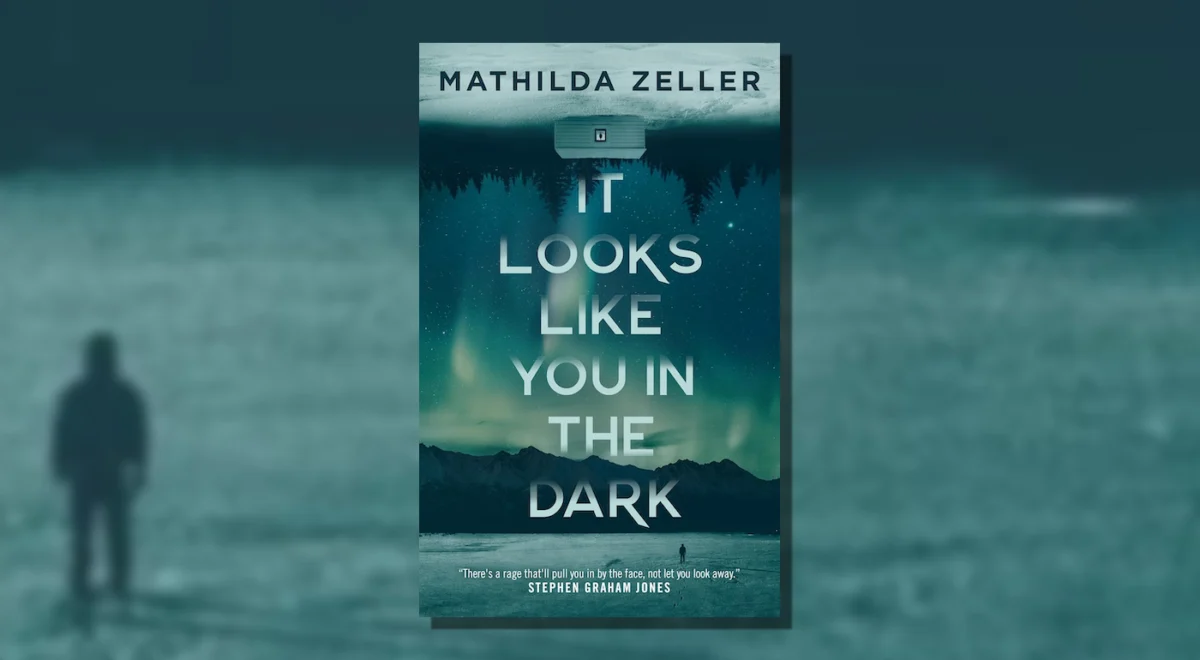
As the autumn leaves fall and the nights lengthen, the literary world turns its gaze toward the chilling, desolate expanse of the Alaskan Arctic. On October 13th, Nightfire will release It Looks Like You in the Dark, the highly anticipated debut novel from Mathilda Zeller. A masterclass in Indigenous horror, the novel weaves together the threads of Iñupiat folklore with the visceral, modern-day tensions of resource extraction and systemic exploitation.
Set in the fictional village of Chukchi in the remote Kobuk River Valley, the narrative serves as both a terrifying supernatural thriller and a poignant commentary on the historical and contemporary intersections between greedy outsiders and the land they seek to plunder.
The Plot: A Desperate Search in the Shadows
At the heart of the story is Tapeesa, a young woman navigating the complexities of post-high school life in a fish processing plant. Her existence is one defined by the harsh realities of her environment and the heavy gaze of a community that often underestimates her. Beneath this surface-level struggle lies a darker weight: the burden of her mother’s warnings and the persistent shadow of the kushtuka—a shape-shifting predator from Alaskan Native lore.
According to legend, the kushtuka does not hunt with brute force alone; it mimics the faces of those we love, luring victims into the dark until they are never heard from again.
The story’s inciting incident arrives with the encroachment of an industrial mining operation. A group of developers has set their sights on the Kobuk River Valley, seeking to establish a rare earths mine. When Tapeesa’s sister, Esther, disappears, the veneer of industrial "progress" is stripped away. Tapeesa is forced to venture into the treacherous, freezing wilderness, confronting not only the potential human kidnappers but the ancient, malevolent entities that have historically thrived on the blood shed by those who do not belong.
A Chronology of Terror: From 1898 to the Present
Zeller’s narrative is anchored by a prologue set on November 15, 1898, which establishes a cyclical history of violence in the region. During the gold rush era, prospectors descended upon the Kobuk River Valley, disregarding the warnings of the Iñupiat people and the land itself.
The 1898 timeline provides essential context for the current setting:
- The Arrival: Miners, fueled by greed and a belief that the land’s riches were theirs for the taking, set up camp along the riverbanks, distinct from the village community.
- The Secret: The prologue details the harrowing experience of a young village girl carrying a secret born of violation, who finds herself stalked by an entity she cannot identify.
- The Reckoning: The miners are met with a grisly fate, their camp decimated by a force that renders their firearms and industrial tools useless.
- The Legacy: The discovery of the schoolteacher’s body—throat torn open—serves as a brutal punctuation mark on the initial clash between colonial greed and the supernatural protectors of the valley.
By juxtaposing this historical massacre with the modern-day disappearance of Esther, Zeller suggests that the kushtuka and the dangers of the Arctic are not merely remnants of the past, but constants waiting for the next generation of trespassers to lose their way.
Supporting Data: The Intersection of Industry and Myth
The backdrop of It Looks Like You in the Dark is rooted in the very real, often contentious history of resource extraction in Alaska. While the kushtuka is a creature of legend, the environmental and social stressors depicted in the novel reflect genuine concerns held by many Arctic communities.

Rare earths mining—a critical component of modern technology, including the batteries and electronics that define 21st-century life—requires massive open-pit excavation. In the context of the novel, this physical tearing of the earth mirrors the psychological and spiritual tearing of the community.
Data regarding industrial development in Indigenous territories consistently highlights the following impacts:
- Displacement of Traditional Life: Increased industrial traffic and population shifts often force local populations to navigate the encroachment of outsiders who have little understanding of the land’s dangers.
- Increased Vulnerability: As seen in the novel, when outsiders prioritize profit over community safety, the most vulnerable members of the village are often the first to suffer the consequences of these structural changes.
- The "Dark" as a Catalyst: In the Arctic, the changing of the seasons—where the sun may not rise for days or weeks—is not just a meteorological event. It is a psychological pressure cooker. The darkness, as Zeller illustrates, provides the perfect cover for both human malice and supernatural terror.
Official Responses and Thematic Implications
Critics and early readers have lauded It Looks Like You in the Dark for its unflinching examination of the "monsters" that inhabit our world—both those that walk on two legs and those that lurk in the periphery of human perception.
"Mathilda Zeller has crafted a chilling, atmospheric debut that feels as cold as the Arctic winds," says a representative from Nightfire. "This is not just a ghost story. It is a story about the resilience of the Iñupiat people, the sanctity of the land, and the devastating price of greed."
The implications of the book are clear: the horror of the kushtuka is amplified by the presence of those who view the Arctic as a commodity. Zeller poses a harrowing question: if we ignore the history and the folklore of a place to satisfy our own hunger for wealth, what are we inviting into our own homes?
Conclusion: A New Standard for Indigenous Horror
As It Looks Like You in the Dark arrives on shelves, it marks a significant moment for the horror genre. By centering an Indigenous perspective, Zeller avoids the tired tropes of "the wilderness as a blank canvas" and instead presents the Arctic as a place with a memory—a memory that is deep, violent, and currently awakening.
Tapeesa’s journey is not just a search for her sister; it is a reckoning with the past. For readers looking for a novel that challenges their perceptions while delivering genuine, bone-chilling thrills, this debut is an essential addition to the bookshelf. As the sun sets on the Kobuk River Valley, one thing is certain: the shadows are closer than they appear.
It Looks Like You in the Dark
Author: Mathilda Zeller
Publisher: Nightfire
Release Date: October 13th
Genre: Horror / Indigenous Fiction
