
Celebrating Authenticity: The Inaugural ‘Darcys’ Redefine Disability Representation in Hollywood
The landscape of entertainment reached a historic milestone this past Saturday as the inaugural Easterseals Disability Arts & Culture Awards—affectionately dubbed "The Darcys"—held its first-ever ceremony at The Barker Hangar in Santa Monica. The event served as a high-profile culmination of decades of advocacy, celebrating outstanding achievements in authentic disability representation across film, television, and digital media.
By centering creators, performers, and storytellers who live with disabilities, The Darcys have established a new benchmark for the industry, signaling a shift away from performative inclusion toward genuine, lived-experience representation.
A New Legacy: The Core Mission of The Darcys
The inaugural ceremony was not merely an awards show; it was a reclamation of narrative power. For years, the disability community has advocated for more than just a "seat at the table"—they have demanded the right to tell their own stories, on their own terms.
"As we celebrate the inaugural year of The Darcys, we are so proud to carry forward a legacy that began in 1979," said Nancy Weintraub, the Chief Advancement Officer of Easterseals Southern California. "The Darcys recognize the authentic voices and talented storytellers who are changing how disability is seen and represented across entertainment and media. Congratulations to this year’s nominees and winners for helping move the industry forward towards greater inclusion, both on screen and behind the scenes."
The event was co-produced by a powerhouse team, including Film Independent Spirit Awards executive producers Shawn Davis and Andrew Schaff, in collaboration with Live Digital Entertainment’s Eddie Delbridge. This professional pedigree ensured that the inaugural ceremony carried the weight and prestige of long-standing industry awards, while maintaining a grassroots commitment to the disability community. Notably, the selection committee—the body responsible for choosing the winners—was composed largely of individuals with disabilities, ensuring that the judging process remained rooted in the community it serves.
The Ceremony: A Night of Recognition and Artistry
Hosted by comedian and disability advocate Tina Friml, the evening was a blend of industry recognition and artistic celebration. The atmosphere at The Barker Hangar was electric, defined by a spirit of shared accomplishment.
The highlight of the evening was the performance by Lachi, a renowned artist, songwriter, and a pivotal leader in disability culture. Her presence underscored the intersection of art and advocacy, reminding attendees that disability is not merely a subject to be documented, but a culture to be celebrated.
Several high-profile honors were bestowed during the ceremony, acknowledging both established icons and rising stars. Geri Jewell, a trailblazer who has spent decades breaking barriers for disabled performers, was honored with the Legacy Award. Meanwhile, the prestigious Christopher Reeve Emerging Talent Award was presented to Vincent Rutley, an actor, author, and influential disability advocate whose work is rapidly shaping the next generation of inclusive storytelling.
The Winners: A Masterclass in Authentic Storytelling
The Darcys recognized a diverse array of projects, but a few stood out for their exceptional commitment to authentic representation.
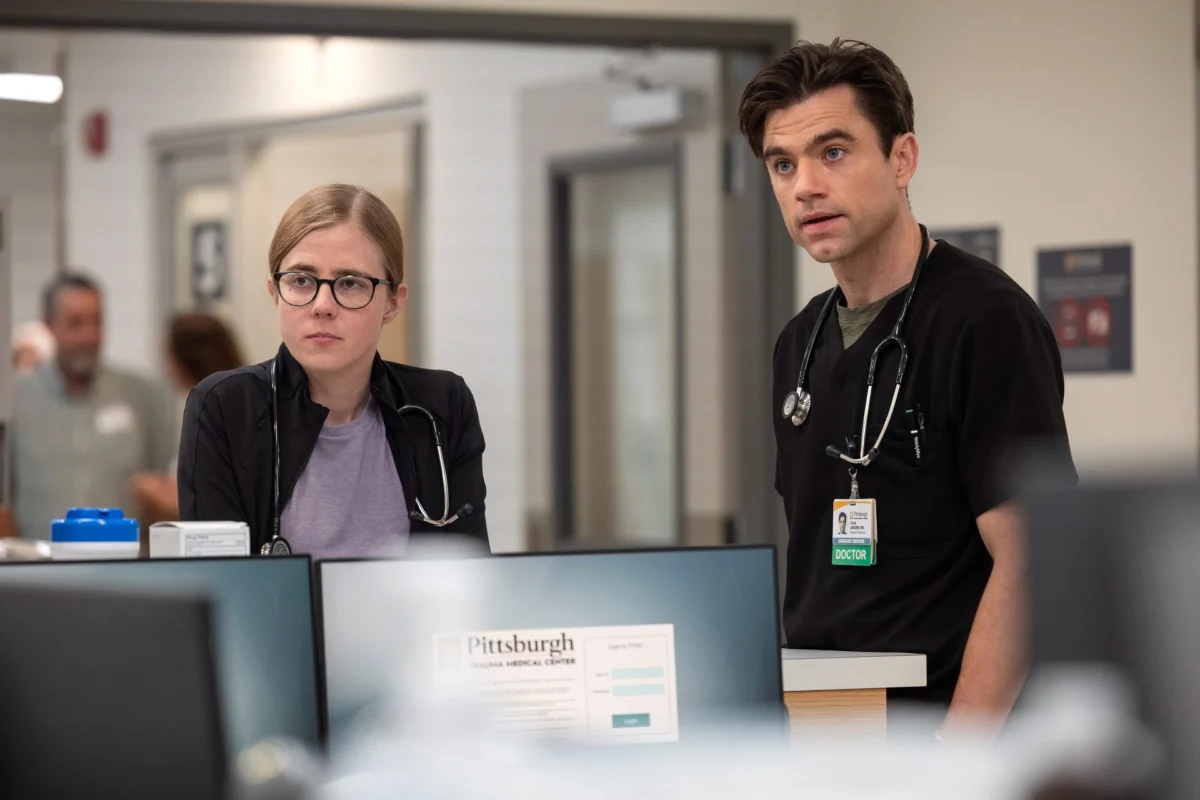
The medical drama The Pitt, created by R. Scott Gemmill and featuring an ensemble of disabled talent including Tal Anderson and Christopher Thornton, emerged as a major winner. The series took home the awards for Best Scripted Series and Best Achievement in Casting Ensemble, highlighting the production’s commitment to integrating disability into the very DNA of its storytelling.
In the feature film category, Horsegirls secured the Best Feature award, a project that demonstrates the power of nuanced, character-driven storytelling. Meanwhile, Daniel Monks earned the award for Best Performance in a Scripted Series for his gripping work in All Her Fault, proving that disabled actors are delivering some of the most compelling performances in contemporary television.
Full List of Honorees:
- Best Feature: Horsegirls (Directed by Lauren Meyering)
- Best Performance in a Feature: Anna Sargent (Take Me Home)
- Best Documentary: The Haunting of Pennhurst (Directed by Mike Attie, Katarina Poljak, and Nathan R. Stenberg)
- Best Scripted Series: The Pitt
- Best Performance in a Scripted Series: Daniel Monks (All Her Fault)
- Best Unscripted Series: Renegades (Creator: Day Al-Mohamed)
- Best Achievement in Casting Ensemble: The Pitt
- Christopher Reeve Emerging Talent Award: Vincent Rutley
- Best Social Creator: Cassidy Huff (@CassHuff)
Implications for the Future of Entertainment
The establishment of The Darcys comes at a critical juncture for the entertainment industry. While movements like #OscarsSoWhite and broader efforts for diversity and inclusion have gained traction over the last decade, disability has frequently been sidelined or relegated to "inspiration porn"—a reductive trope that focuses on a disabled person’s struggle rather than their humanity.
The Darcys are designed to disrupt this cycle. By providing a platform that specifically honors authentic representation, the organization is forcing a conversation about hiring practices, casting processes, and the importance of having disabled writers and producers in the room.
"The Darcys mark an exciting new chapter in a legacy of recognizing artists advancing disability representation," said Shawn Davis. "We’re proud to partner with Easterseals Southern California to celebrate this year’s winners and nominees, as well as the stories helping broaden perspectives across film, television, and social media."
The industry impact is already tangible. By elevating projects like The Pitt and Horsegirls, The Darcys are providing a roadmap for studios and production companies. The message is clear: audiences are hungry for stories that accurately reflect the human experience in all its variations, and the talent pool of disabled creators is deeper and more capable than ever before.
Accessibility and Industry Engagement
A significant aspect of the awards’ mission is the integration of these stories into the broader cultural conversation. To ensure that these award-winning works reach a wide audience, The Darcys have partnered with PBS SoCal Plus.
The televised broadcast, scheduled for November 17 at 7:30 p.m. and November 20 at 8 p.m., will introduce these ground-breaking works to millions of households. Furthermore, the availability of the ceremony on the PBS app ensures that accessibility remains a cornerstone of the project’s distribution strategy.
The shift towards these awards suggests that the "disability niche" is being dismantled. As these stories move from the margins to the center, they challenge the industry’s archaic assumptions about what constitutes a "mainstream" story. When a show like The Pitt wins for its casting ensemble, it serves as a wake-up call to casting directors across Hollywood that authentic casting is not only an ethical imperative—it is a creative advantage that results in superior television.
Looking Ahead: The Path Forward
As the dust settles on the inaugural ceremony, the question remains: what comes next?
The success of The Darcys suggests that the appetite for inclusive storytelling is sustainable. However, the true measure of these awards will be their long-term impact on industry policy. Will studios be more inclined to hire disabled writers? Will casting directors finally move away from "crip-face"—the practice of hiring non-disabled actors to portray characters with disabilities—in favor of talent who actually possess the lived experience?
If the enthusiasm at The Barker Hangar is any indication, the momentum is undeniable. The Darcys have successfully created a space where disability is celebrated as an asset rather than a liability. By championing the work of individuals like Vincent Rutley and Cassidy Huff, the awards are creating a pipeline of talent that the industry can no longer afford to ignore.
In a climate where social media creators like Cassidy Huff are reshaping how we consume content, the definition of "media" is expanding. The Darcys have wisely recognized that digital creators are just as vital to cultural progress as traditional filmmakers. By acknowledging the full spectrum of modern media, the awards are positioning themselves as the definitive authority on disability culture in the 21st century.
The Darcys have done more than just hand out trophies; they have set a precedent. They have proven that when you center the voices of the disability community, you don’t just get better representation—you get better art. As the industry moves forward, the influence of these awards will likely be felt in every casting office, writers’ room, and production studio from Santa Monica to New York. The inaugural year was a celebration, but the years to come promise to be a revolution.
