
Revolutionizing PL Lens Utility: An In-Depth Look at NiSi’s New Drop-In Filter Adapters
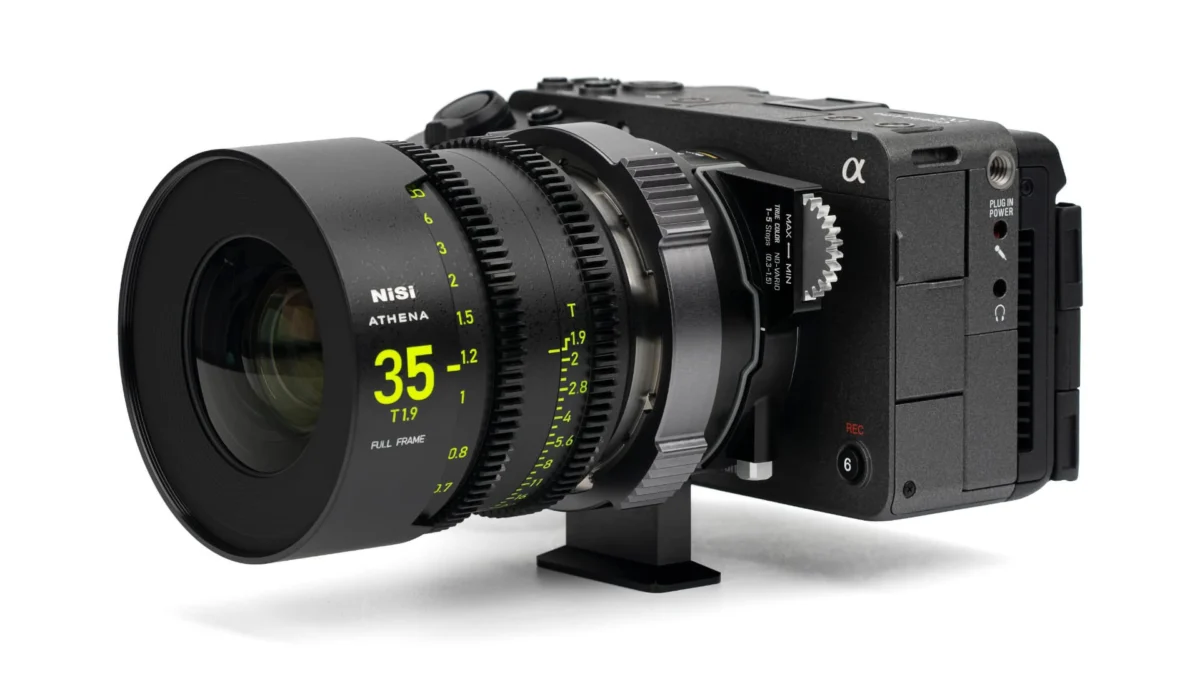
The landscape of modern cinematography is defined by the tension between legacy glass and contemporary mirrorless technology. As filmmakers increasingly pair industry-standard PL-mount cinema lenses with compact, high-resolution mirrorless bodies, the challenge of filtration—specifically managing NDs and creative effects—has long been a logistical hurdle. NiSi Optics has stepped into this breach with a sophisticated solution: the NiSi ATHENA Drop-In Filter PL Mount Adapters.
By integrating a dedicated filter slot directly into the adapter assembly, NiSi is effectively redefining the workflow for cinematographers using Sony E, Canon RF, and Nikon Z systems. This development represents a significant shift in how modular gear is designed, moving away from cumbersome matte boxes toward streamlined, internal optical control.
Main Facts: A New Paradigm for Lens Adapters
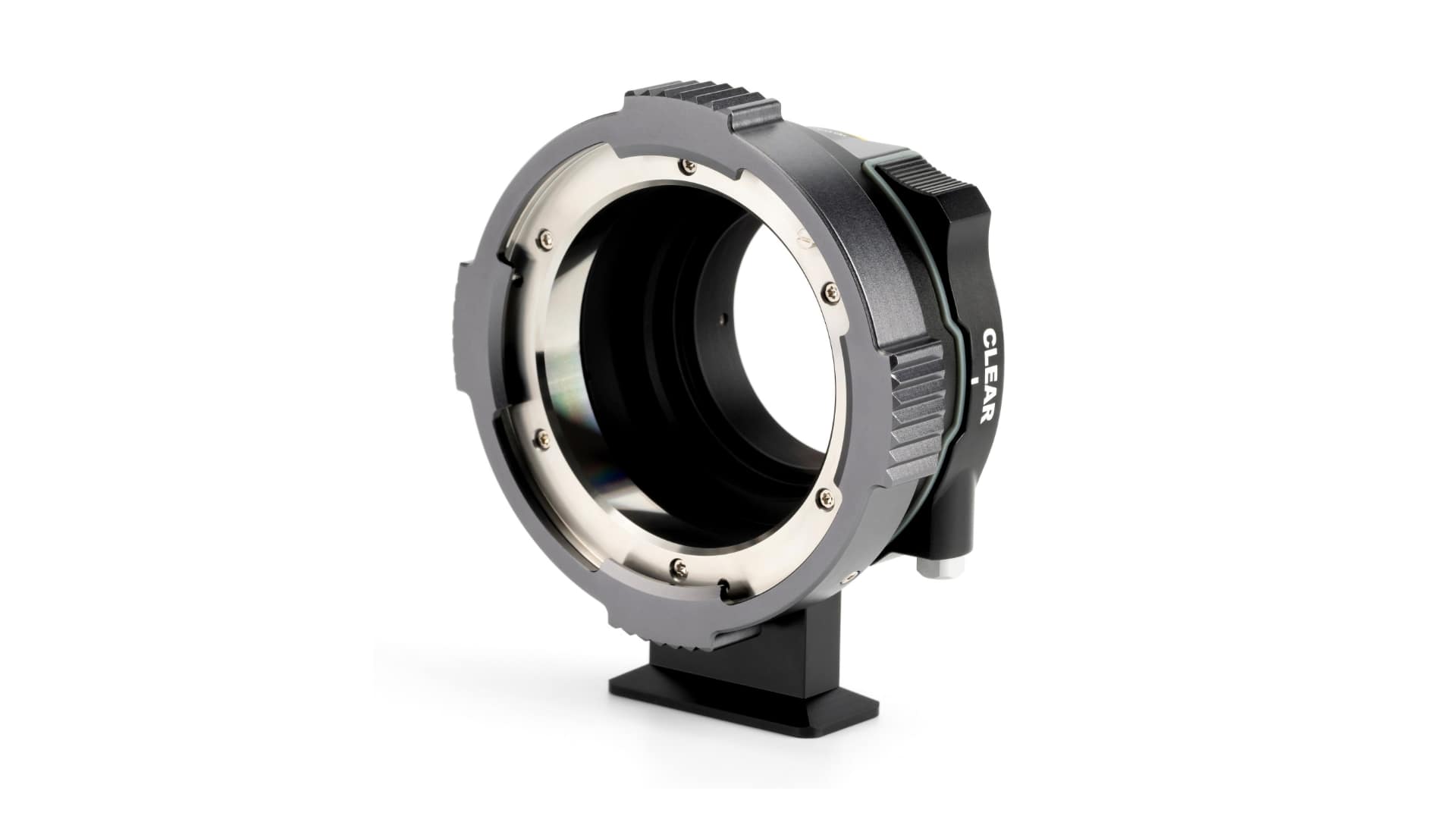
The NiSi ATHENA Drop-In Filter PL Mount Adapters are designed to serve as a bridge between the robust world of PL-mount cinema glass and the versatility of mirrorless cameras. At its core, the product is a high-precision mechanical adapter that features a built-in slot for proprietary drop-in filters. This design choice eliminates the need for large, front-mounted matte boxes or lens-specific screw-on filters, allowing a single set of drop-in filters to be utilized across an entire kit of PL lenses.
Key Specifications at a Glance:
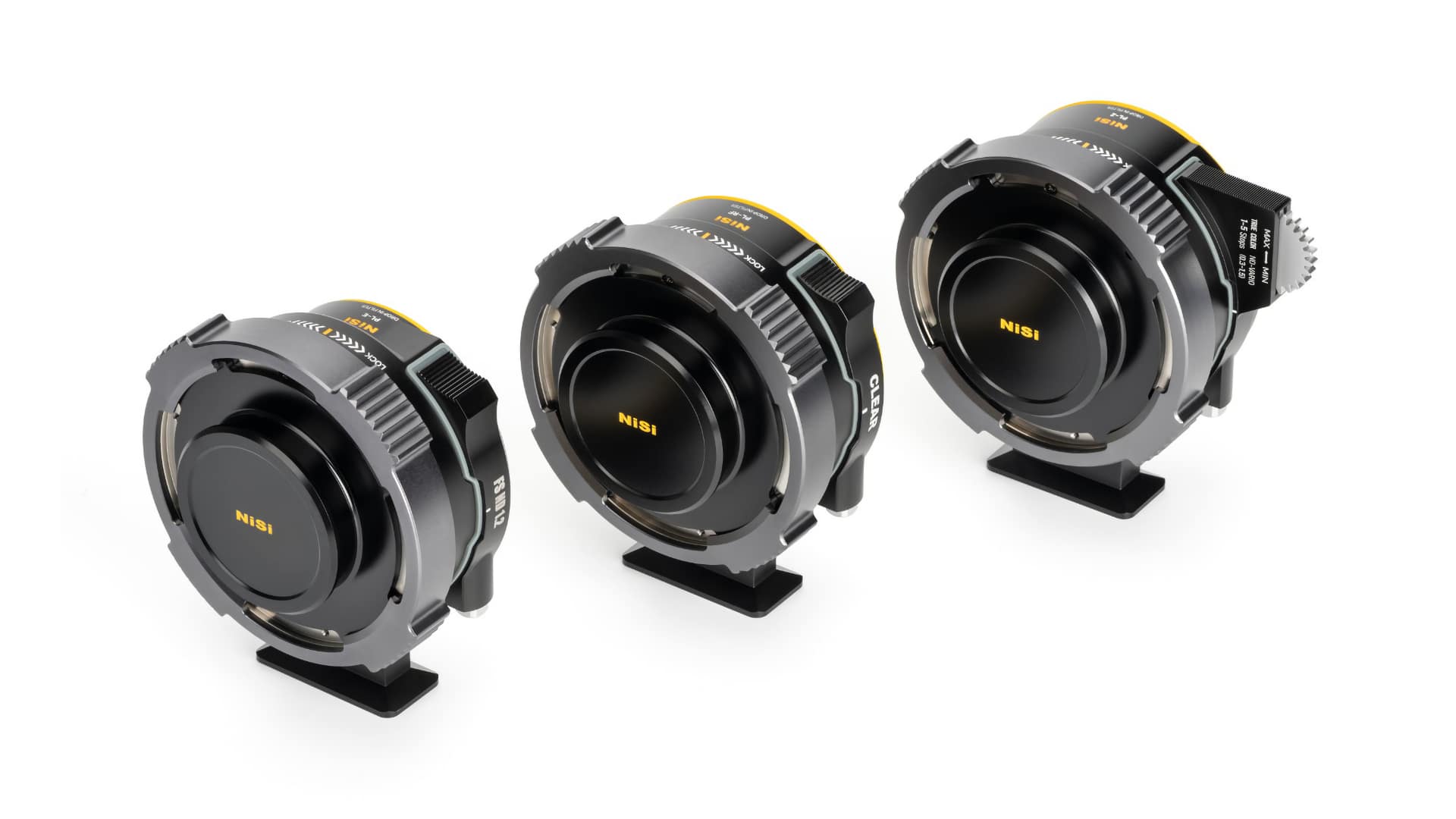
- Mount Compatibility: Available for Sony E (PL-E), Canon RF (PL-RF), and Nikon Z (PL-Z).
- Filter Ecosystem: Compatible with the ATHENA drop-in range, including True Color VND, True Color CPL, Black Mist, Allure Streak, and FS ND filters.
- Construction: High-durability 304 stainless steel front and rear mounts.
- Weather Sealing: Integrated rubber sealing ring at the camera mount interface.
- Gear Integration: The VND and CPL filters feature 0.8 MOD gears, enabling remote control via standard wireless lens motors.
- Compatibility: Supports "most" PL lenses with up to 25.8mm (1.02 in) of rear-element protrusion.
Chronology: The Evolution of the ATHENA Ecosystem
The release of these adapters is the latest chapter in NiSi’s aggressive expansion into the cinema market. The company, long known for its high-end still photography filters, pivoted significantly toward the motion picture industry with the launch of the ATHENA Prime lens series.
Historically, the transition from PL cinema lenses to mirrorless mounts was handled by simple, hollow adapters. While these performed the basic mechanical task, they failed to account for the unique requirements of cinema production, such as the need for variable ND (VND) filtration during variable lighting conditions.
In late 2023 and early 2024, NiSi began signaling a move toward a more "integrated" ecosystem. By creating a unified mount standard that incorporates filtration, NiSi is mirroring the design language of high-end cinema cameras like the RED V-RAPTOR or the Sony FX6, which feature internal NDs. The introduction of these adapters now brings that "cinema camera" workflow to smaller, more accessible mirrorless platforms.
Supporting Data: Technical Precision and Mechanical Integrity
The engineering behind the NiSi ATHENA adapters goes beyond mere form factor. NiSi has prioritized structural integrity and optical clarity to ensure that the adapter does not introduce artifacts or mechanical failure points.
Optical Clarity and Internal Design
One of the most critical aspects of adding a filter between the lens and the sensor is the potential for internal reflections. NiSi has addressed this by utilizing an advanced "inside flocking" technique. This non-reflective internal coating ensures that stray light bouncing off the sensor or the rear element of the lens is absorbed, preserving contrast and color saturation.
Mechanical Load and Weight Distribution
For those operating on gimbals, weight is a primary concern. The adapters maintain a lean profile despite their advanced functionality:
- PL-E: 195g (6.9 oz)
- PL-RF: 207g (7.3 oz)
- PL-Z: 229g (8.1 oz)
These weights are well within the range of standard mechanical adapters, meaning operators won’t need to drastically rebalance their gimbals when switching from a standard adapter to the NiSi solution.
Rear Protrusion Limitations
While the adapters are designed to be broadly compatible, cinematographers must remain aware of rear-element physics. The 25.8mm clearance limit is generous for most prime lenses and many mid-range zooms, but ultra-wide-angle lenses or specialized vintage glass with significant rear elements should be checked against these specifications before installation.
Official Responses and Operational Guidance
NiSi has been transparent about the limitations of the adapter’s design, particularly concerning rig compatibility. The "drop-in" nature of the filter requires physical access to the slot, which can be obstructed by bulky camera cages.
Navigating Rig Clearance
In an official statement regarding rig configuration, NiSi notes:
"The drop-in filter sits close to the camera body. On some rigs, a camera cage, top plate or other attachment around the mount can get in the way of the filter slot… We recommend checking the clearance around your camera mount before building your rig."
This is a crucial detail for professional operators. If a camera cage features a tight "wrap-around" design near the lens mount, the user may need to perform a specific sequence of operations: removing the filter, mounting the adapter to the camera, and then sliding the filter into place. While this adds a step to the rigging process, it is a small trade-off for the ability to use VNDs on a PL lens without a front-mounted matte box.
Implications for the Cinematography Market
The implications of this product release are far-reaching, affecting both solo operators and larger production crews.
1. The Democratization of Cinema Workflows
By lowering the barrier to entry for professional filtration, NiSi is enabling independent filmmakers to achieve a "cinematic look" that was previously reserved for high-budget productions. The ability to use a True Color VND—which avoids the common color-shift issues of cheaper variable NDs—without the weight of a matte box is a significant advantage for run-and-gun documentary and event cinematography.
2. Efficiency in Fast-Paced Environments
In fast-moving production environments, speed is currency. Changing a front-mounted filter in a matte box often requires a tripod or a stable surface and two hands. A drop-in filter allows the operator to swap ND levels or switch from a Black Mist to a clear filter in seconds, often while holding the camera. This efficiency is a massive boon for handheld operators who cannot afford to stop the action.
3. Sustainability and Modular Investment
There is a clear economic incentive for this system. By investing in a set of ATHENA drop-in filters, a filmmaker is effectively "future-proofing" their kit. Should they upgrade from a Sony E-mount camera to a Nikon Z-mount camera in the future, they do not need to replace their filters; they simply purchase the relevant adapter. This modular approach aligns with modern trends toward sustainable gear consumption and long-term investment.
4. Integration with Wireless Follow Focus
The inclusion of a 0.8 MOD gear on the VND and CPL filters is perhaps the most "pro-grade" feature of the entire system. It acknowledges the fact that in a professional setting, the camera operator is often not the person pulling focus or adjusting exposure. By allowing a lens motor to control the VND, NiSi has integrated the filter into the standard AC (Assistant Camera) workflow, a level of sophistication rarely seen in third-party adapters.
Conclusion
The NiSi ATHENA Drop-In Filter PL Mount Adapters represent more than just a piece of metal; they represent an ecosystem. By bridging the gap between legacy PL glass and the digital agility of mirrorless bodies, NiSi has provided a tool that addresses the specific, real-world pain points of modern cinematographers.
While users must be mindful of rig clearance and rear-element depth, the benefits of a lightweight, motor-controllable, and highly versatile filtration system are undeniable. As preorders continue to climb, it is clear that the market is hungry for this type of innovation—a tool that respects the traditions of cinema while embracing the flexibility of the future. With the standalone adapters priced at $269 and the comprehensive Filmmaker Kit at $399, NiSi is positioning itself as a vital partner for the next generation of visual storytellers.
