
Stepping Into the Neon-Noir: How ‘Blade Runner: The Roleplaying Game’ Bridges the Gap to ‘Blade Runner 2099’
Main Facts
The cultural footprint of Philip K. Dick’s 1968 speculative novel, Do Androids Dream of Electric Sheep?, expanded immeasurably when director Ridley Scott translated its haunting themes to the silver screen in 1982’s Blade Runner. What began as a neo-noir cinematic experiment grew into a cornerstone of modern science fiction. Its legacy birthed Denis Villeneuve’s critically acclaimed 2017 sequel, Blade Runner 2049, and paved the way for the upcoming Amazon Prime Video series, Blade Runner 2099.
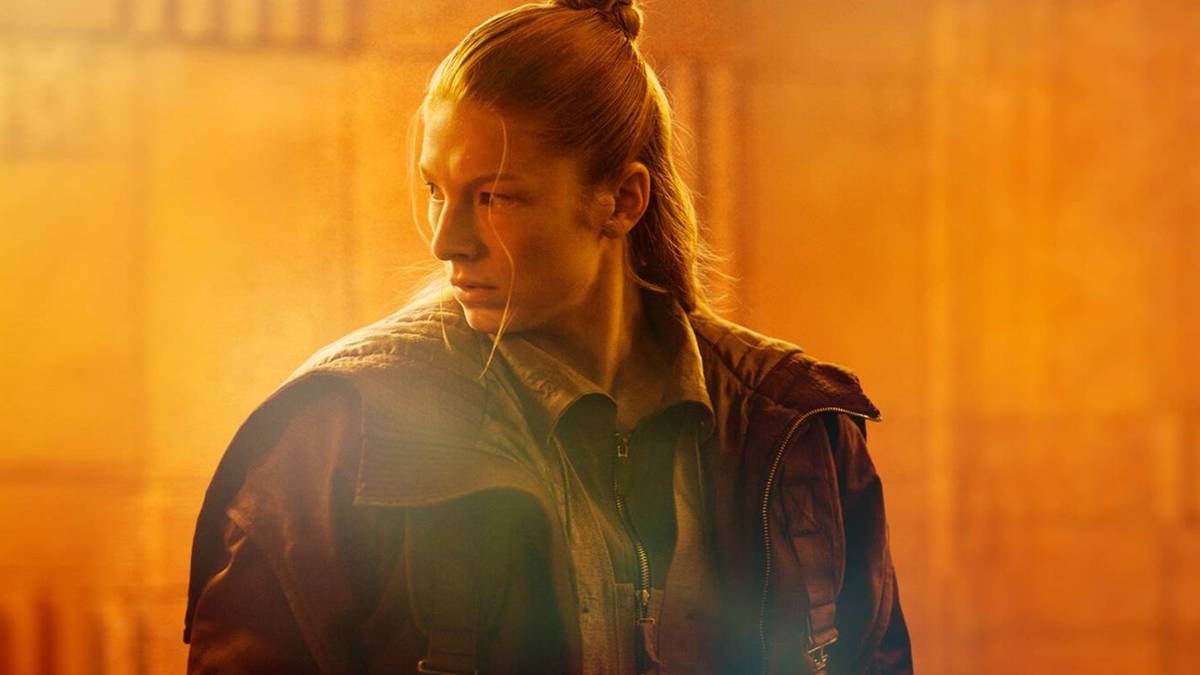
Slated to premiere on November 25, 2026, Blade Runner 2099 stars Michelle Yeoh and Hunter Schafer. Created by showrunner Silka Luisa, the series shifts the franchise’s paradigm by depicting a Los Angeles where a massive uprising has inverted the social hierarchy, placing synthetic humans—replicants—at the top of the pecking order while reducing biological humans to second-class citizens.
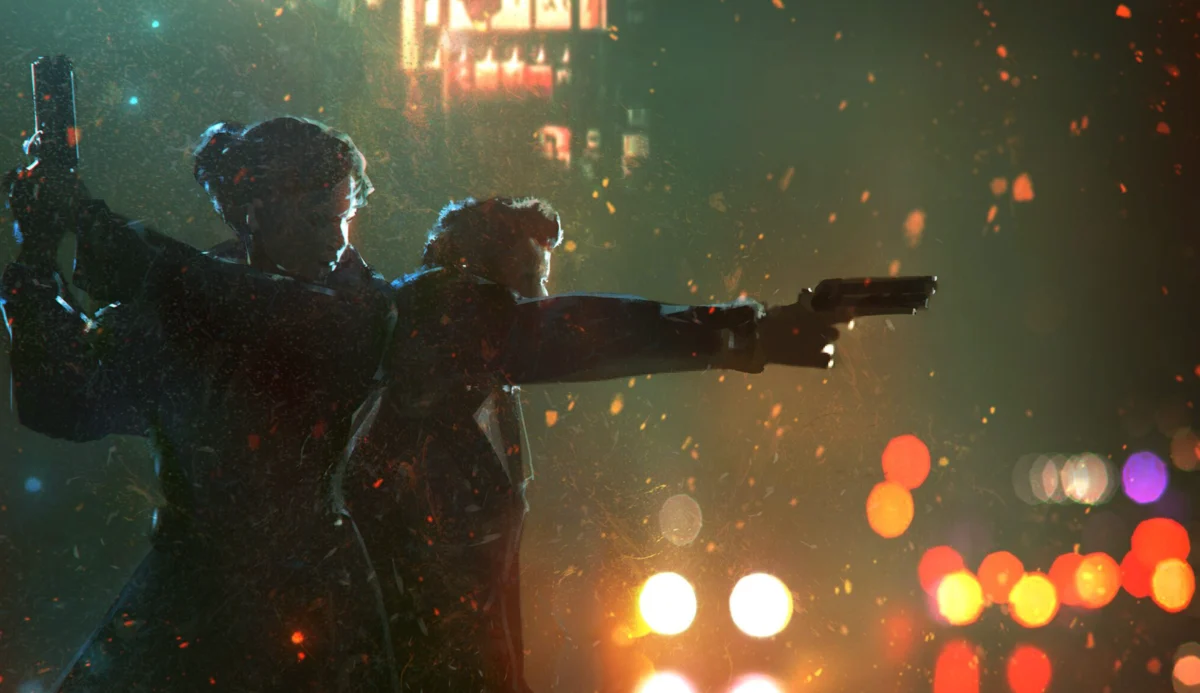
As fans eagerly await this upcoming television milestone, the drought between now and late November can be navigated through an official, deeply immersive tabletop companion: Blade Runner: The Roleplaying Game. Published by Free League Publishing in collaboration with Alcon Entertainment, this tabletop roleplaying game (TTRPG) offers 2 to 5 players an entry point into the franchise’s rain-slicked, neon-drenched alleys, capturing the existential dread and philosophical inquiries that define the universe.
Chronology of a Dystopian Empire
To understand the weight of the upcoming television series and the tabletop adaptation, it is vital to trace the historical timeline of the Blade Runner universe across media:
- 1968: Philip K. Dick publishes Do Androids Dream of Electric Sheep?, establishing the core philosophical questions regarding empathy, synthetic life, and what it means to be human.
- June 25, 1982: Ridley Scott’s Blade Runner premieres, starring Harrison Ford as Rick Deckard. The film establishes the visual language of "tech-noir"—a grimy, corporate-dominated Los Angeles defined by permanent acid rain, towering skyscrapers, and towering advertisements.
- 2017: Blade Runner 2049 arrives in theaters, expanding the lore. It explores the consequences of the "Black Out," a catastrophic digital collapse triggered by replicants, and introduces new iterations of bioengineered workers.
- The TTRPG Setting (2037): Blade Runner: The Roleplaying Game drops players into a specific pocket of the chronology—the year 2037, shortly after the Wallace Corporation introduces the Nexus-9 replicants to Earth. This era serves as a crucible of tension between old biological power structures and new, obediently designed synthetic labor forces.
- November 25, 2026 (Upcoming): Blade Runner 2099 premieres on Amazon Prime Video, pushing the timeline further into the future and examining a society where the oppressed have become the oppressors.
Supporting Data & Mechanics of the TTRPG
Developed by Free League Publishing—a studio widely praised for adapting atmospheric intellectual properties like Alien, Tales from the Loop, and Vaesen—Blade Runner: The Roleplaying Game utilizes an evolution of the acclaimed Year Zero Engine. This system is tailored specifically to emphasize investigative work, psychological friction, and high-stakes survival.
Gameplay Pillars
Unlike standard tabletop RPGs focused purely on tactical combat and dungeon crawling, the Blade Runner TTRPG centers heavily on:

- Investigation and Deduction: Players gather clues, interview suspects, analyze crime scenes, and run database checks across corporate networks.
- Existential Character Drama: Characters are not blank slates; they possess distinct memories, human connections (or lack thereof), personal agendas, and dark secrets that can be leveraged against them.
- Moral Ambiguity: The mechanics force players to confront systemic cruelty, balancing their duty as LAPD Rep-Detectives against their own evolving perceptions of empathy and justice.
Character Creation
Players can step into the shoes of either human operatives or replicants working for the LAPD’s Rep-Detect Unit. Each archetype brings unique specialties, personality traits, and psychological vulnerabilities to the table. As official game materials describe the setting:
"An evocative world of conflicts and contrasts that dares to ask the hard questions and investigate the powers of empathy, the poisons of fear, and the burdens of being human during inhumane times. An iconic and unforgiving playground of endless possibilities that picks you up, slaps you in the face, and tells you to wake up. Time to live. Or time to die."
Official Responses and Creative Vision
The creative teams behind both the television expansion and the tabletop roleplaying experience have emphasized fidelity to Philip K. Dick’s original philosophical queries. Free League Publishing designed the TTRPG to mirror the pacing of a hardboiled detective thriller crossed with philosophical science fiction.

Alcon Entertainment, which holds the intellectual property rights to the franchise, worked closely with writers and designers to ensure that the fictional Los Angeles of 2037 feels authentic to the cinematic milestones set by Ridley Scott and Denis Villeneuve.
Similarly, showrunner Silka Luisa and executive producers Ridley Scott and Tom Spezialy have framed Blade Runner 2099 as a natural evolution of the universe’s core themes. By inverting the power dynamics between humans and replicants, the series answers questions that have simmered in the background of the franchise for decades: What happens when the manufactured class seizes control of the institutional apparatus that once hunted them?
Implications for the Franchise and Fandom
The concurrent expansion of the Blade Runner universe into long-form television and tabletop gaming signals a broader shift in how major science fiction intellectual properties engage their audiences. Rather than relying solely on passive cinematic viewing, modern media ecosystems encourage active participation.
Deepening Fan Engagement
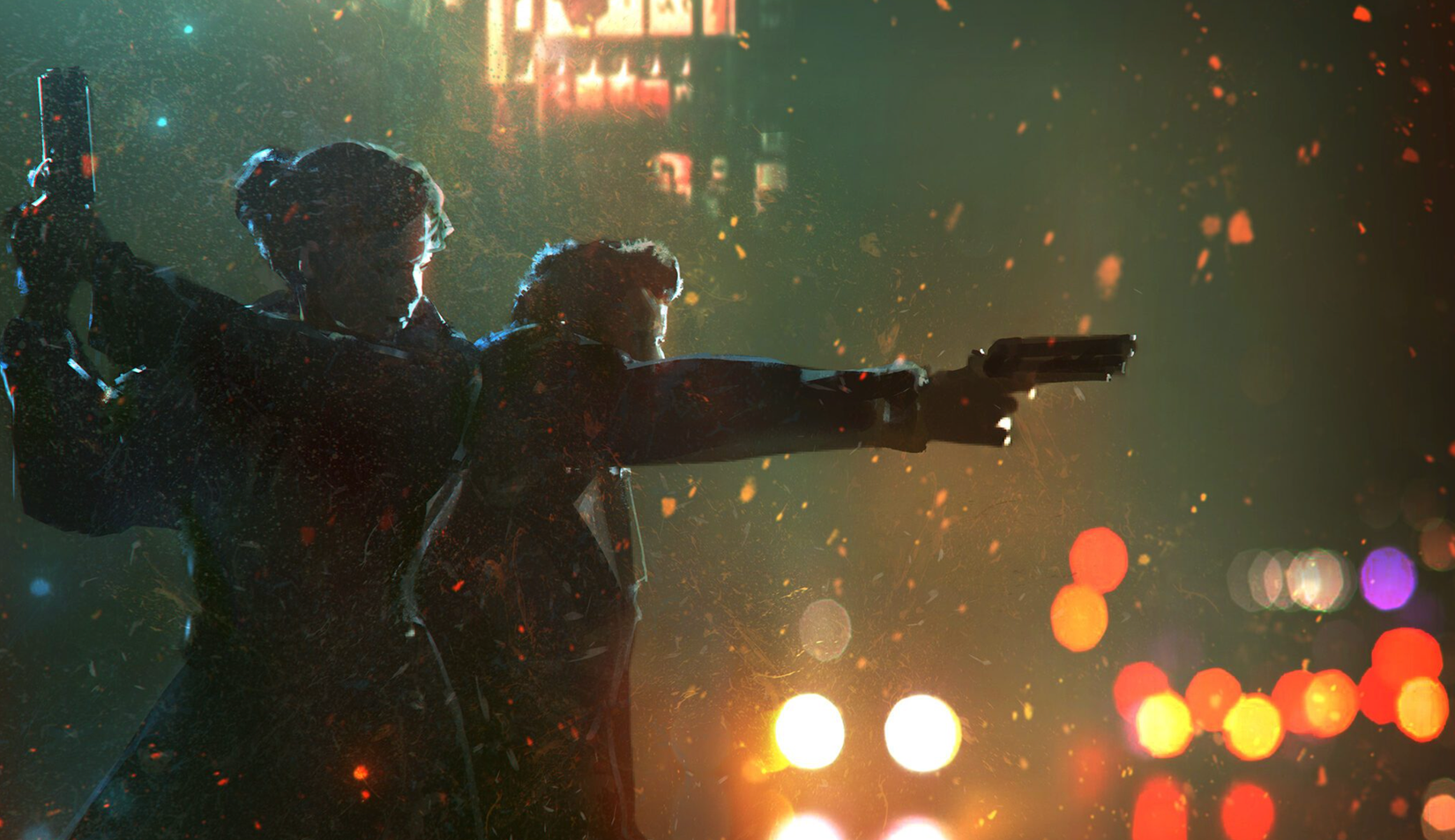
Through Blade Runner: The Roleplaying Game, fans are no longer passive observers watching Rick Deckard or K hunt down rogue androids. They become active architects of their own noir narratives. They must grapple with the Voight-Kampff test, question their own memories, and navigate corporate corruption within the LAPD. This hands-on approach builds a deeper appreciation for the world-building, making the societal shifts depicted in upcoming projects like Blade Runner 2099 feel earned and contextualized.
Expanding the Sci-Fi Genre
The enduring appeal of the Blade Runner universe lies in its refusal to offer clean, binary moral resolutions. Whether exploring the ethical boundaries of artificial intelligence in a tabletop campaign or witnessing a societal uprising on Amazon Prime Video, the franchise continues to interrogate real-world anxieties surrounding corporate overreach, technological dependency, and the definition of sentience.
As the premiere date for Blade Runner 2099 approaches, diving into the rain-soaked streets of Los Angeles via the official roleplaying game offers the ideal preparation. It challenges participants to look past the neon glow, stare into the abyss of corporate dystopia, and decide for themselves what truly makes a soul.
