The Gothic Blueprint: How Tim Burton’s 1989 Batman Redefined Cinema, Spawned the Modern Blockbuster, and Crowned Two Cinematic Legends
Main Facts
More than three decades after descending from the smoky, expressionist skies of Gotham City into theaters worldwide, Tim Burton’s Batman (1989) remains a towering watershed moment in the history of cinema. Long before cinematic universes dominated multiplexes, before green screens supplanted physical sets, and before superhero films were granted the prestige of high art, this dark, visionary adaptation fundamentally re-engineered the Hollywood blockbuster.
At its core, the film is anchored by two legendary performances that left an indelible mark on cinematic history: Michael Keaton’s intense, psychologically bruised portrayal of billionaire industrialist Bruce Wayne and his vigilante alter ego, and Jack Nicholson’s anarchic, operatic masterclass as the Joker. According to the American Film Institute (AFI), Nicholson’s iconic performance cemented the Joker among cinema’s greatest villains, while Keaton’s brooding restraint earned him a revered spot among the silver screen’s greatest heroes.
Far from being a mere comic book adaptation, Batman (1989) shattered the prevailing industry wisdom regarding how four-color source material could be translated to the big screen. It discarded the campy, brightly colored legacy of the 1960s television series in favor of a towering, gothic architectural nightmare designed by Anton Furst. The result was a film that elevated the superhero genre from its humble pop-culture origins and laid the structural, aesthetic, and financial foundations for the modern cinematic landscape we recognize today—proving that grand, auteur-driven ambition could successfully merge with commercial megahits.
Chronology: From Pulp Pages to Cinematic Phenom
To understand the seismic impact of 1989’s Batman, one must look backward through a winding history of development hell, risk-taking studio executives, and a radical shift in tone for the comic book industry itself.
The Wilderness Years and the Genesis of a Blockbuster (1979–1986)
By the late 1970s, the cinematic footprint of the Caped Crusader was defined almost entirely by Adam West’s campy, tongue-in-cheek 1966 feature film and television series. However, producers Michael Uslan and Benjamin Melniker envisioned something vastly different. Having acquired the film rights to Batman in 1979, they spent years pitching a dark, serious, psychological thriller faithful to the character’s shadowy comic book roots. Hollywood was largely unreceptive; most studio heads could not fathom a serious comic book movie following the massive success of Richard Donner’s bright, optimistic Superman (1978).
Momentum finally shifted in the mid-1980s, spurred by a literary revolution in the comic book medium itself. The publication of Frank Miller’s seminal graphic novel The Dark Knight Returns (1986) and Alan Moore’s Watchmen (1986) proved to the world that Batman and other sequential art characters could explore complex socio-political themes, trauma, and moral ambiguity. Warner Bros. caught the wave, bringing on young, idiosyncratic director Tim Burton—fresh off the quirky success of Beetlejuice (1988)—to helm the project.
Casting Controversies and Production Madness (1987–1988)
Casting the lead roles generated historic levels of public skepticism. When Warner Bros. announced that comedic actor Michael Keaton would don the cowl, fans launched a massive backlash, flooding the studio with over 50,000 protest letters. Skeptics doubted whether the star of Mr. Mom and Night Shift could convey the terrifying gravitas required of the Dark Knight.
Conversely, securing Jack Nicholson to play the Joker required unprecedented financial maneuvering. Nicholson famously negotiated a groundbreaking backend deal that guaranteed him a percentage of the film’s total gross—including merchandise—ultimately netting the actor tens of millions of dollars and setting a new standard for Hollywood talent compensation.
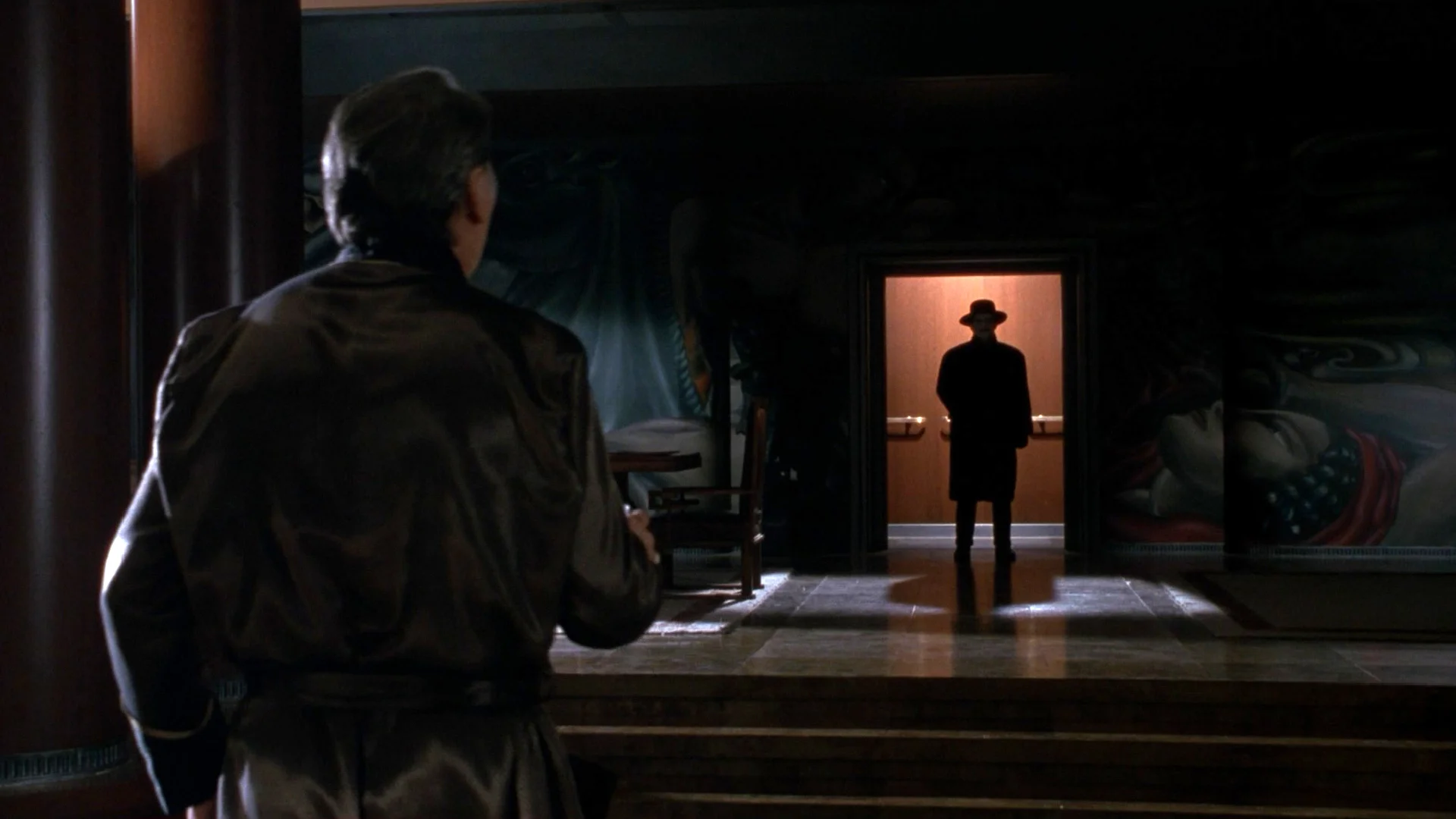
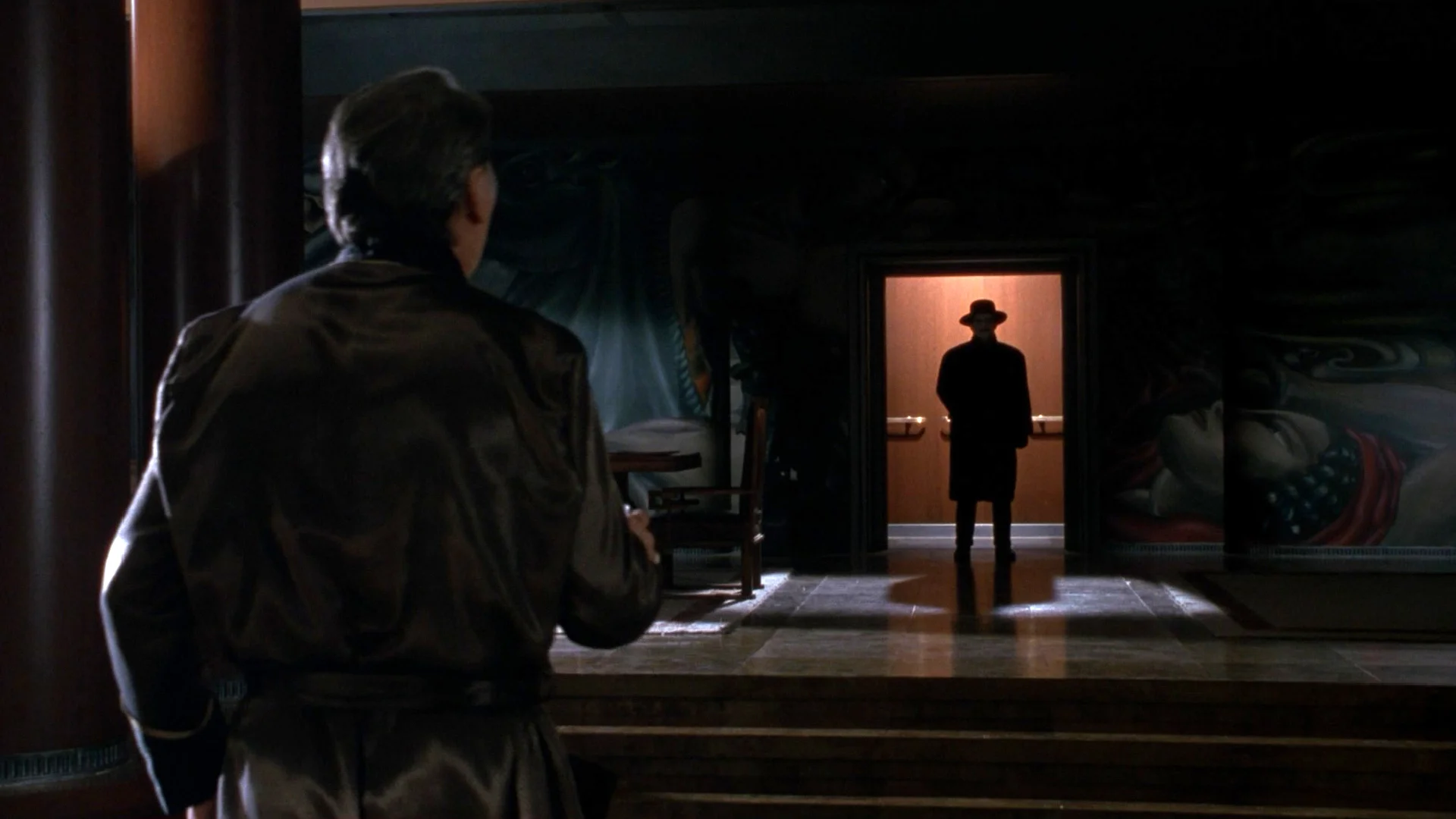
Principal photography took place at Pinewood Studios in England throughout 1988. Production designer Anton Furst constructed a sprawling, dystopian Gotham City on the studio’s backlots—a labyrinthine blend of 1940s film noir, fascist architecture, and futuristic decay that became as much a character in the film as any human actor.
The Summer of the Bat and Cultural Dominance (Summer 1989)
Warner Bros. launched one of the most aggressive and ubiquitous marketing campaigns in cinematic history ahead of the film’s June 23, 1989, release. The iconic "Bat-signal" logo was plastered everywhere: T-shirts, billboards, cereal boxes, and magazine covers.
When the film finally premiered, it obliterated box office records. It became the fastest film to gross $100 million in US history up to that point, ultimately finishing its theatrical run with over $400 million globally. It wasn’t just a movie; it was a bona fide cultural phenomenon accompanied by Danny Elfman’s thunderous, gothic orchestral score and Prince’s chart-topping tie-in soundtrack album.
Supporting Data & Box Office Impact
The financial and cultural footprint of Batman (1989) reshaped Hollywood’s economic models. Below is a breakdown of the data surrounding its production, release, and enduring legacy:
Box Office Gross: Accumulated approximately $411.6 million worldwide against an initial production budget of roughly $35 million to $48 million, making it one of the most profitable investments in Warner Bros. history.
Opening Weekend: Brought in a then-record-shattering $40.4 million in its opening weekend in North America, proving that summer blockbusters could achieve massive, front-loaded financial spikes.
Accolades: Production designer Anton Furst and set decorator Peter Young won the Academy Award for Best Art Direction at the 62nd Academy Awards in 1990, validating the film’s artistic and architectural mastery.
AFI Recognition:
Jack Nicholson’s Joker was selected by the American Film Institute as #45 on the list of AFI’s 100 Years…100 Heroes & Villains.
Michael Keaton’s Bruce Wayne was nominated for recognition on the corresponding heroes list, cementing his place in cinematic lore.
Merchandising Milestone: The film generated over $500 million in global merchandise sales in its first year alone, establishing the modern blueprint for intellectual property (IP) monetization through toys, apparel, and tie-in albums.
Official Responses and Critical Reception
Upon its release, Batman divided traditional critics while capturing the imagination of the public. Its tonal pivot from camp to grit drew intense scrutiny from literary purists and mainstream reviewers alike, sparking debates that continue to resonate in film criticism today.
Film critic Roger Ebert of the Chicago Sun-Times awarded the film three out of four stars, praising its breathtaking visual design and atmospheric ambition while offering a nuanced critique of the narrative pacing:
"Batman is a triumph of design over story, of atmosphere over plot. The movie looks like a dream, moves like a nightmare, and treats its comic book origins with a brooding, expressionistic seriousness that makes it entirely unique."
Meanwhile, Pauline Kael of The New Yorker focused on the film’s daring tonal risks, noting that Burton successfully transformed a commercial studio assignment into a personal artistic statement about alienation and identity.
Warner Bros. executives, initially panicked by the dark tone and unconventional casting choices, watched in awe as the film validated their gamble. Jon Peters, one of the film’s producers, reflected on the studio’s apprehension during production:
"People thought we were crazy. They told us a comic book couldn’t be dark, that people wouldn’t pay to see a hero fighting in the shadows. But Tim [Burton] had a singular vision. He proved that audiences were hungry for complexity, darkness, and scale."
Jack Nicholson famously defended his approach to the Joker by emphasizing the character’s unhinged, artistic theatricality:
"The Joker is a wonderful role because he’s an artist of crime. He has a sense of humor, he’s brilliant, and he’s completely liberated from societal constraints. Playing him was like having a license to unleash pure, unadulterated chaos."
Implications: The Architectural Blueprint of Modern Cinema
The legacy of Batman (1989) extends far beyond its own box office triumphs; it fundamentally rewrote the DNA of Hollywood filmmaking in ways that are still profoundly felt today.
1. The Birth of the Modern Blockbuster Marketing Machine
Before Batman, movie merchandising was largely an afterthought or a secondary revenue stream dominated by children’s franchises like Star Wars. Warner Bros. changed the game by marketing Batman to audiences of all ages, creating a sophisticated synergy between film, music, television advertising, and consumer products. Every major Hollywood franchise today—from the Marvel Cinematic Universe to Star Wars sequels—owes its marketing playbook to the ubiquitous "Bat-logo" summer of 1989.
2. Validating the "Dark and Gritty" Reboot
Before Burton’s vision proved commercially viable, studios assumed that comic book properties had to be lighthearted and family-friendly to succeed. Batman shattered that ceiling, demonstrating that mature, brooding, psychological storytelling could captivate mass audiences. This paved the way for subsequent gritty masterpieces like Christopher Nolan’s The Dark Knight trilogy, Todd Phillips’ Joker (2019), and Matt Reeves’ The Batman (2022).
3. Elevating Production Design as Narrative
Anton Furst’s Gotham City proved that a film’s physical environment could function as a primary storytelling device. The suffocating, vertical sprawl of the city established an immersive world-building standard that modern blockbusters strive to emulate. It shifted the industry standard away from generic backlot shooting toward meticulously crafted, expressionist worlds that reflect the psychological states of their protagonists.
4. Redefining Comic Book Culture in Mainstream Media
Ultimately, Batman (1989) helped rescue comic books from the dismissal of pop-culture triviality. By treating the source material with stylistic reverence and cinematic ambition, the film helped establish graphic novels and comic lore as legitimate, sophisticated literature worthy of high-end cinematic adaptation.
As film lovers continue to revisit the rain-slicked, neon-lit alleys of Gotham City through streaming platforms and repertory screenings, the film stands tall as a monument to what happens when visionary artistry collides with blockbuster scale—forever altering the horizon of the moving image.