
The Anatomy of a Box Office Blunder: Why Sony’s ‘The Social Reckoning’ Stumbled at the Gate
Main Facts
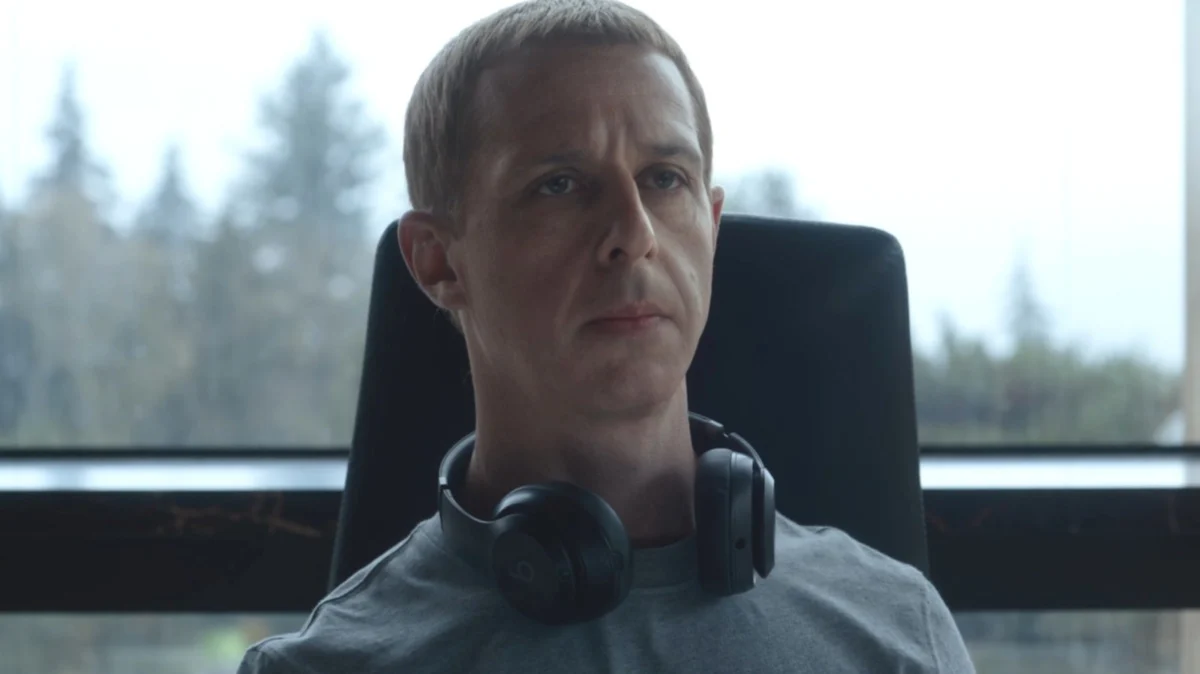
Sony Pictures’ high-profile drama The Social Reckoning endured a disastrous opening weekend at the domestic and international box office, signaling a sobering reality for mid-budget, adult-focused cinema in the mid-2020s. Billed as a companion piece and thematic sequel to David Fincher’s modern masterpiece The Social Network (2010), the film managed a paltry $5.3 million domestically, landing in fifth place on the charts.
Overseas performance was similarly anaemic, yielding just $3.5 million for a global debut of $8.8 million against a production budget estimated around $40 million.
The financial setback stands in stark contrast to its predecessor, which bowed to a robust $22.4 million domestically in 2010 on its way to a $225 million worldwide haul. Directed and written by Aaron Sorkin—who penned the original script but stepped behind the camera this time—The Social Reckoning failed to capture the lightning-in-a-bottle cultural footprint of the original film.
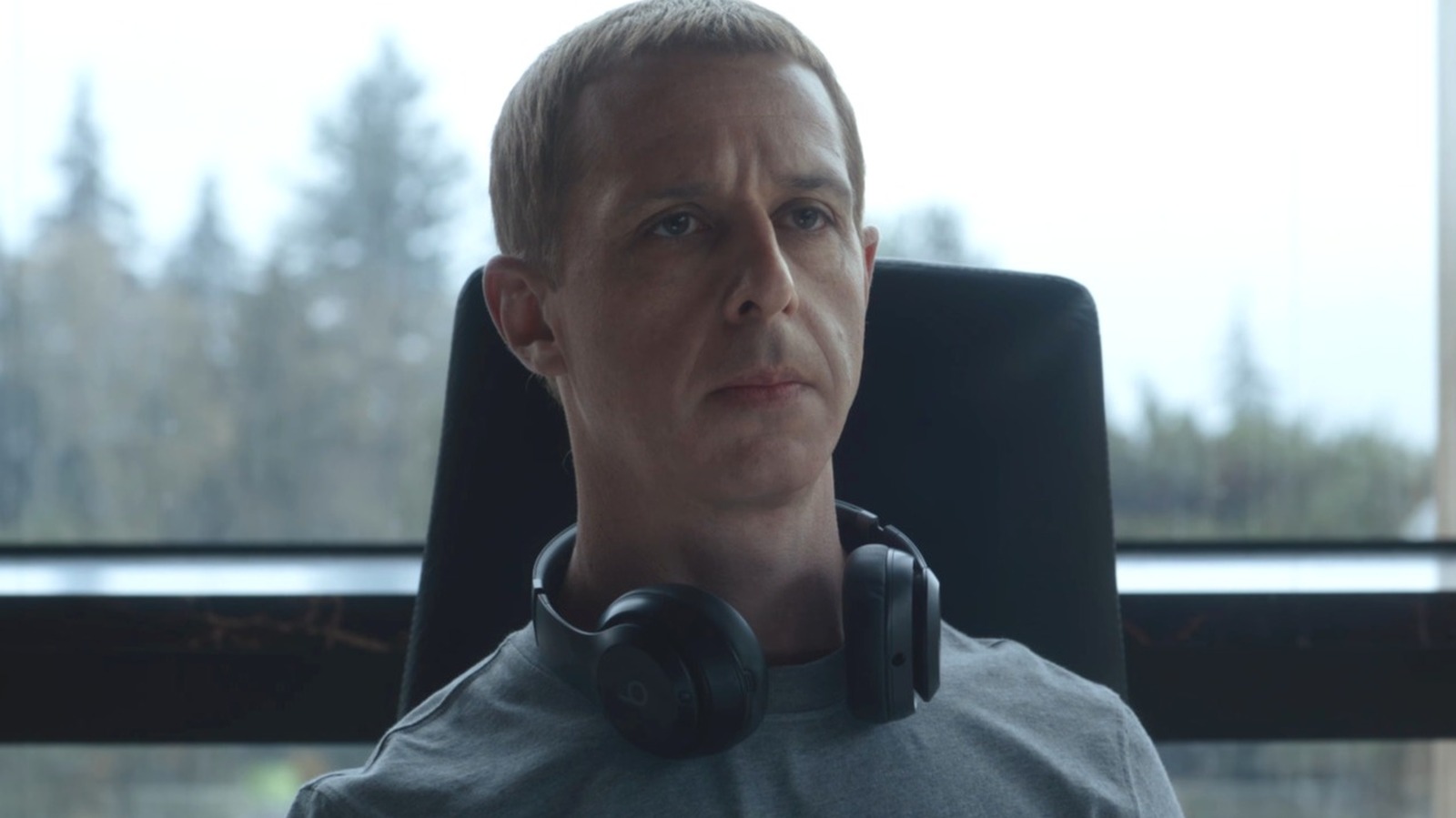
Plagued by mixed critical reception, a complete turnover of the principal cast, and a landscape indifferent to its politically charged premise, the film faces an uphill battle to recoup its production and marketing costs through theatrical runs alone.
Chronology
The trajectory from the cultural phenomenon of 2010 to the commercial misfire of The Social Reckoning spans a decade and a half of massive shifts in media, technology, and cinema-going habits.
- October 2010: Sony Pictures releases The Social Network, directed by David Fincher and written by Aaron Sorkin. Starring Jesse Eisenberg and Andrew Garfield, the film becomes a critical darling, grossing $225 million worldwide and cementing itself as a defining cinematic text of the early social media era.
- November 2020: David Fincher signs a four-year exclusive deal with Netflix, effectively removing him from the pool of potential directors for any future theatrical continuations of the Facebook narrative.
- Late 2021–2024: Development on a follow-up project progresses under Sorkin, focusing on subsequent eras of tech history, whistleblowing, and systemic political fallout. Original stars like Jesse Eisenberg and Andrew Garfield officially pass on returning.
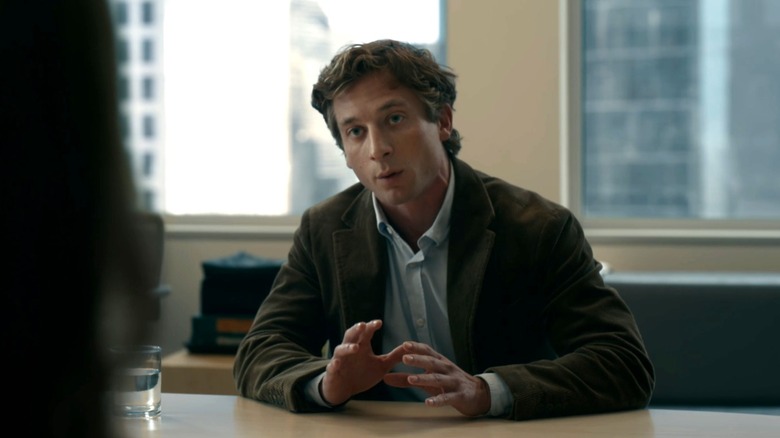
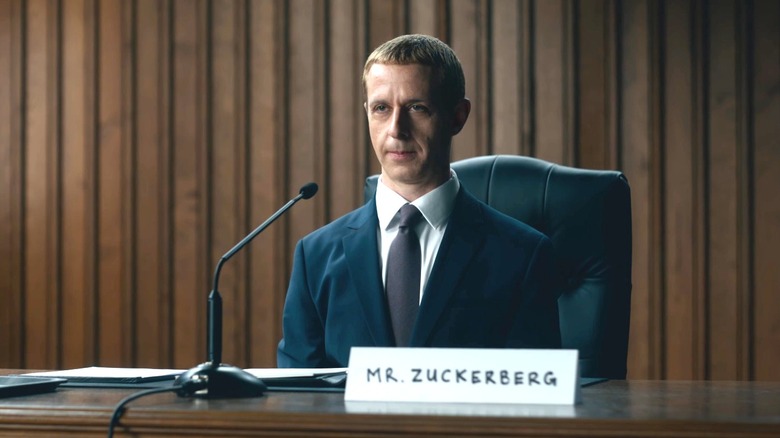
- Mid-2025: Casting is finalized, bringing aboard Jeremy Strong to play Mark Zuckerberg, alongside Mikey Madison and Jeremy Allen White. Sony positions the film for an awards-season push.
- Opening Weekend (Late 2026): The Social Reckoning opens across domestic and international screens, pulling in a meager $8.8 million globally and earning a toxic B- CinemaScore.
Supporting Data
The commercial collapse of The Social Reckoning can be quantified through a series of stark financial and critical metrics:
- Opening Weekend Box Office: $5.3 million domestic / $3.5 million international ($8.8 million global total).
- Budget: Approximately $40 million.
- Comparison: The Social Network (2010) opened domestically at $22.4 million—more than four times the opening weekend gross of its sequel.
- Critical Reception: Holds a sub-passing 55% approval rating on Rotten Tomatoes.
- Audience Metrics: Earned a dismal B- CinemaScore, heavily indicating poor word-of-mouth and a steep second-weekend box office drop.
Official Responses and Industry Stakeholders
As the post-mortem on The Social Reckoning begins, studio executives at Sony Pictures are re-evaluating the commercial viability of prestige, dialogue-heavy dramas in a theatrical landscape dominated by franchise IP and eventized horror.
While neither Aaron Sorkin nor the principal cast have issued direct defensive statements regarding the box office numbers, insiders close to the production have noted that the project was always envisioned as a high-risk, prestige play intended to court awards season voters rather than shatter box office records.
Industry analysts, however, point out that even within the realm of awards contenders, the film’s reception was unusually bruising. Reviewers across major outlets have critiqued the film’s tonal shift away from Fincher’s icy, propulsive storytelling toward a more didactic, politically charged approach.
With critics split and audiences signaling clear disinterest via the B- CinemaScore, Sony’s strategy of relying on VOD and late-stage streaming conversions to salvage the project’s profitability has become an urgent necessity rather than a fallback plan.
Implications
The Absence of Fincher and the Original Cast
A major driver behind the film’s failure to connect lies in its lack of continuity—both behind and in front of the camera. David Fincher’s signature kinetic direction, combined with Trent Reznor and Atticus Ross’s driving industrial score, gave The Social Network a thriller-like propulsion. Without Fincher at the helm—busy honoring his Netflix commitments—Sorkin adopted the director’s chair.
Furthermore, the absence of Jesse Eisenberg (who declined to return) and Andrew Garfield meant audiences were greeted by an entirely new ensemble. While actors like Jeremy Strong (stepping in as Zuckerberg), Mikey Madison, and Jeremy Allen White are celebrated talents, their star power alone was not enough to bridge the thematic gap for casual moviegoers.
A Changing Cultural Relationship with Facebook
In 2010, Facebook was an ascendant, boundary-pushing cultural monolith. The public was hungry to understand the origin story of the digital frontier. In the mid-2020s, however, the cultural landscape has mutated past Facebook. Younger demographics populate TikTok, Instagram, and decentralized networks, viewing Facebook as a legacy utility rather than a cutting-edge playground.
Worse still, The Social Reckoning shifts its narrative focus to heavy, politically charged whistleblowing (such as Frances Haugen’s revelations). At a time when audiences are increasingly fatigued by real-world political discourse and social media cynicism, the film presented a homework-like proposition rather than an entertaining escape.
The 2020s Mid-Budget Drama Trap
The theatrical marketplace of the 2020s has proven notoriously unforgiving to adult-focused, mid-budget dramas that lack a clear genre hook or a massive, globally beloved IP anchor. While blockbusters and horror features like Zach Cregger’s Resident Evil continue to thrive by capitalizing on seasonal momentum, serious dramas frequently struggle to get audiences out of their homes.

The recent box office bomb of Tom Cruise’s Digger—another star-driven, mid-budget gamble that faltered under mixed reviews—demonstrates that even A-list wattage cannot guarantee commercial success for non-franchise material. Sony kept The Social Reckoning relatively lean with a $40 million budget, mitigating total disaster compared to over-inflated studio miscalculations, but the financial result underscores a broader existential crisis for adult dramas in modern cinemas.
Looking Ahead
The Social Reckoning will likely pivot quickly to digital platforms, where Sony will hope adult viewers discover the film on VOD. While awards season bodies may still throw a lifeline to individual performances or writing credits, the film stands as a cautionary tale about the perils of legacy sequels that trade too heavily on past goodwill without capturing the commercial pulse of the present day.
