
The Uncertain Future of the Infected: Why Danny Boyle’s ‘28 Years Later’ Trilogy Faces an Uncertain Path
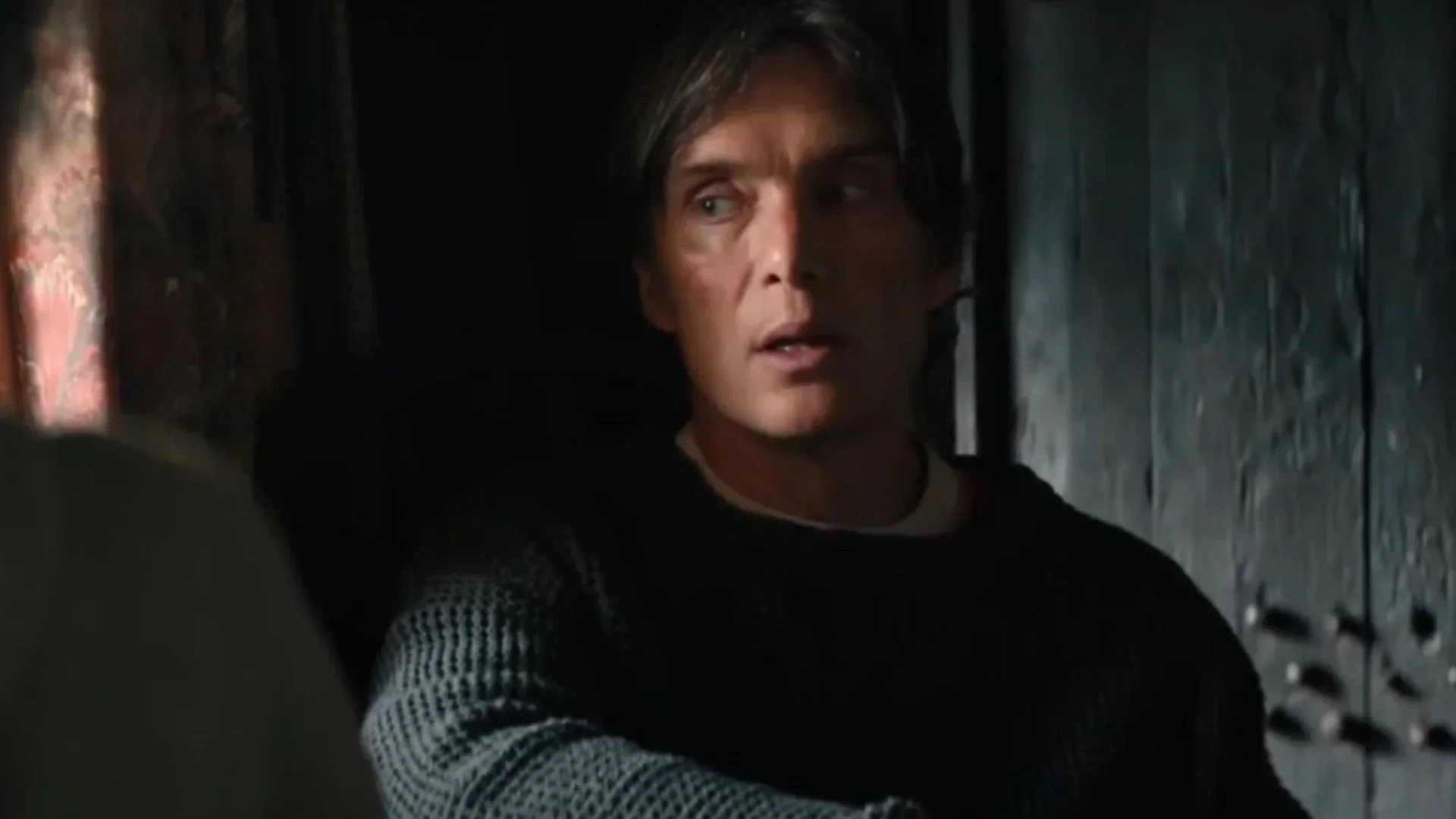
For legions of horror aficionados, the revival of the 28 Days Later franchise was supposed to be the cinematic event of the decade. When news broke that Danny Boyle and screenwriter Alex Garland were reuniting to spearhead a new trilogy—beginning with 28 Years Later—the anticipation was palpable. However, in a candid revelation at the London Film Festival, Boyle has tempered those expectations significantly. The visionary director has confirmed that the third installment of the planned trilogy is currently on the "back burner," leaving the conclusion of this high-stakes horror saga in a state of indefinite limbo.
The State of the Infection: Current Status of the Trilogy
The 28 Years Later project was designed to reignite the revolutionary energy that Boyle and Garland first unleashed in 2002. Yet, despite the creative momentum behind the revival, the transition from the second chapter to the final installment has hit a significant roadblock. During a Q&A session at the London Film Festival, Boyle addressed the project’s future with characteristic bluntness.
"It’s on the back burner at the moment," Boyle admitted. While he expressed a sincere hope that the trilogy would eventually reach its planned conclusion, the reality of the modern film industry has intervened. The primary hurdles are twofold: the labyrinthine nature of securing multi-million dollar financing and the conflicting schedules of the key creative architects involved.
A Clash of Titans: Scheduling and Creative Divergence
The most prominent architect of the 28 Days Later universe, Alex Garland, is currently occupied with a project of gargantuan proportions. Garland, who wrote the original film and has been deeply involved in the narrative architecture of the new trilogy, has transitioned his focus toward a massive live-action adaptation of the critically acclaimed video game Elden Ring.
The sheer scale of an Elden Ring adaptation—a property known for its sprawling lore, complex world-building, and massive visual effects requirements—naturally demands Garland’s full, undivided attention. In the collaborative world of Danny Boyle and Alex Garland, the synergy between director and writer is the project’s lifeblood. Without Garland’s direct input and involvement, moving forward on the final chapter of the trilogy remains an impossibility for Boyle.
The Financial Labyrinth: The Struggle to Fund Visionary Cinema
Perhaps the most surprising revelation from Boyle’s festival appearance was his admission regarding the difficulty of securing funding. Even for an Academy Award-winning director of his stature, the process of financing mid-budget to high-budget original cinema is becoming increasingly perilous.
Boyle’s current project, Ink—a biopic detailing the rise of the infamous British tabloid The Sun in the 1970s—served as a microcosm for the broader issues plaguing the film industry. Boyle noted that despite his reputation and the pedigree of the project, which stars the likes of Jeremy Strong as Rupert Murdoch and Kingsley Ben-Adir as Larry Lamb, the path to production was paved with rejection.
"We found it very difficult to raise the money for this," Boyle remarked. "I have no idea why. They didn’t say why they wouldn’t give us the money." The project was eventually saved by StudioCanal, though Boyle was quick to point out that even then, the budget was tighter than he would have preferred. This struggle for capital in the current climate of risk-averse studio spending is a chilling indicator for the 28 Years Later trilogy, which would undoubtedly require a significant budget to capture the scale of a post-apocalyptic world two decades after the initial outbreak.
The Role of Industry Gatekeepers: How ‘Ink’ Found Its Way
The story of how Ink made it to the screen offers a glimpse into the precarious ecosystem of independent and studio-backed filmmaking. Boyle credited producer Tessa Ross for the project’s survival. Ross, having previously steered the critically acclaimed and commercially successful Conclave to victory, leveraged her industry standing to convince StudioCanal to take a gamble on the project.
"She’d made them so much money," Boyle noted, highlighting the transactional nature of modern filmmaking. The subsequent partnership with Netflix for the American distribution rights provided the final safety net, allowing the film to exist despite the intense financial pressures exerted by the studio. This delicate dance—between creative vision, the need for deep-pocketed producers, and the necessity of streaming platform distribution—is precisely the hurdle the 28 Years Later trilogy must clear if it is to reach completion.
Beyond the Rage: What’s Next for Danny Boyle?
While fans of the 28 Days Later franchise are left waiting for updates, Boyle’s eyes are already set on a new horizon. The director revealed that his next priority is a project set in the frozen, desolate expanse of Antarctica.
This pivot to a high-concept, location-heavy film suggests that Boyle remains committed to his signature style of immersive, visceral storytelling. However, like his previous endeavors, this project is subject to the same financial constraints that have sidelined his horror trilogy. The "Antarctica film," as he currently refers to it, is contingent on the very thing he struggled to find for Ink: a studio brave enough to fund a bold, auteur-driven vision.
Chronology of the 28 Days Later Revival
- 2002: 28 Days Later is released, redefining the zombie genre and establishing Boyle and Garland as masters of contemporary horror.
- 2007: 28 Weeks Later is released, directed by Juan Carlos Fresnadillo. While successful, the creative core of Boyle and Garland was less directly involved.
- 2024: Official confirmation is given that a new trilogy is in development, with Boyle and Garland reuniting to oversee the narrative arc.
- Late 2024: Danny Boyle reveals at the London Film Festival that the third installment is currently on hold, citing funding and scheduling as primary factors.
Implications for the Franchise and the Industry
The pause on 28 Years Later: Part III serves as a sobering reminder of the volatility inherent in modern franchise management. While the intellectual property is undeniably valuable, the "prestige" model of filmmaking—where directors and writers have significant creative control—is increasingly at odds with the demands of corporate studio boards.
If the 28 Years Later trilogy remains incomplete, it will represent a rare, missed opportunity for a major franchise. However, it also highlights a broader shift: the era of the "guaranteed sequel" is being challenged by the realities of budget inflation and a shifting distribution landscape.
For the audience, the message is one of patience. Boyle has not abandoned the project, nor has he indicated that the creative spark has died. Instead, the franchise is currently caught in the gears of an industry that is still learning how to balance the demands of massive cinematic storytelling with the financial caution required to survive in a post-pandemic, streaming-dominated marketplace.
Conclusion: Will the Infected Return?
As the dust settles on the London Film Festival, the future of the 28 Years Later trilogy remains suspended in the air. The project is not dead, but it is undoubtedly in a state of suspended animation. Whether it emerges from this "back burner" status will depend on the intersection of three factors: the conclusion of Alex Garland’s work on Elden Ring, the successful navigation of international financing, and the continued passion of Danny Boyle to see his vision through to the final frame.
Until then, the silence surrounding the trilogy is perhaps the most appropriate outcome for a series that has always thrived on the terrifying uncertainty of the unknown. Fans will continue to watch, wait, and hope that the final chapter of one of cinema’s most impactful horror franchises is not left as a ghost story of what could have been.
