
Beyond the Blockbusters: Re-Evaluating the Fate of Steven Spielberg’s Amazing Stories Reboot on Apple TV+
Main Facts: The Rise, Fall, and Re-Examination of a Sci-Fi Anthology
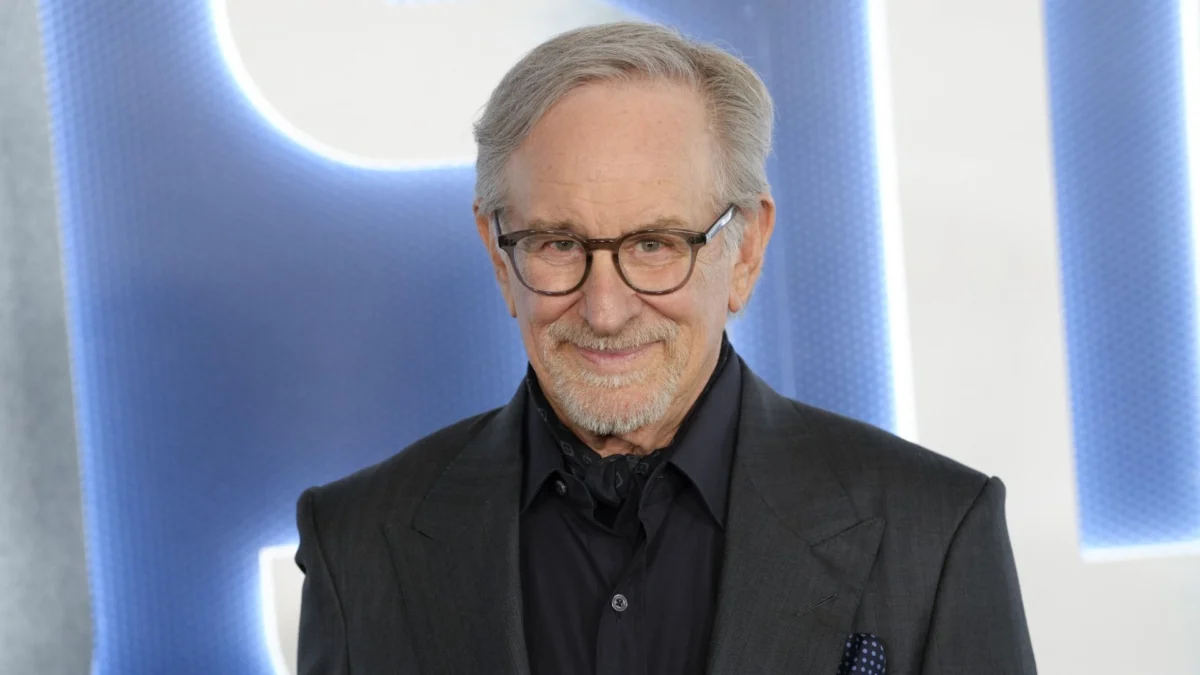
Thirty-five years after legendary filmmaker Steven Spielberg first brought his visionary brand of speculative fiction to television, Apple TV+ attempted to bottle lightning twice. In 2020, the streaming platform launched a high-profile reboot of Amazing Stories, an anthology series rooted in the imaginative tradition of the 1980s original. With Spielberg attached as an executive producer, expectations were extraordinarily high.
Yet, the project failed to capture the cultural zeitgeist in the way Apple TV+ had hoped. Stymied by a modest five-episode debut season, mixed critical reviews, and low initial viewership numbers during a period when the nascent streaming service was still struggling to define its brand identity, Amazing Stories was quietly grounded. It currently holds a polarizing 41% Tomatometer score and a 52% Popcornmeter rating on Rotten Tomatoes.
However, time has a way of shifting perspectives. In the years since its cancellation, and buoyed by a renewed interest in Spielberg’s broader filmography—including projects like Disclosure Day—critics and science fiction enthusiasts are beginning to look past the show’s initial stumbles. As Apple TV+ cements its reputation as a powerhouse for prestige science fiction, questions are once again being raised about whether the premature axing of the Amazing Stories reboot was a mistake, and whether the anthology format deserves a second chance on the small screen.
Chronology: From 1980s Innovation to the 2020 Streaming Era
1985–1987: The Genesis of Spielberg’s Original Vision
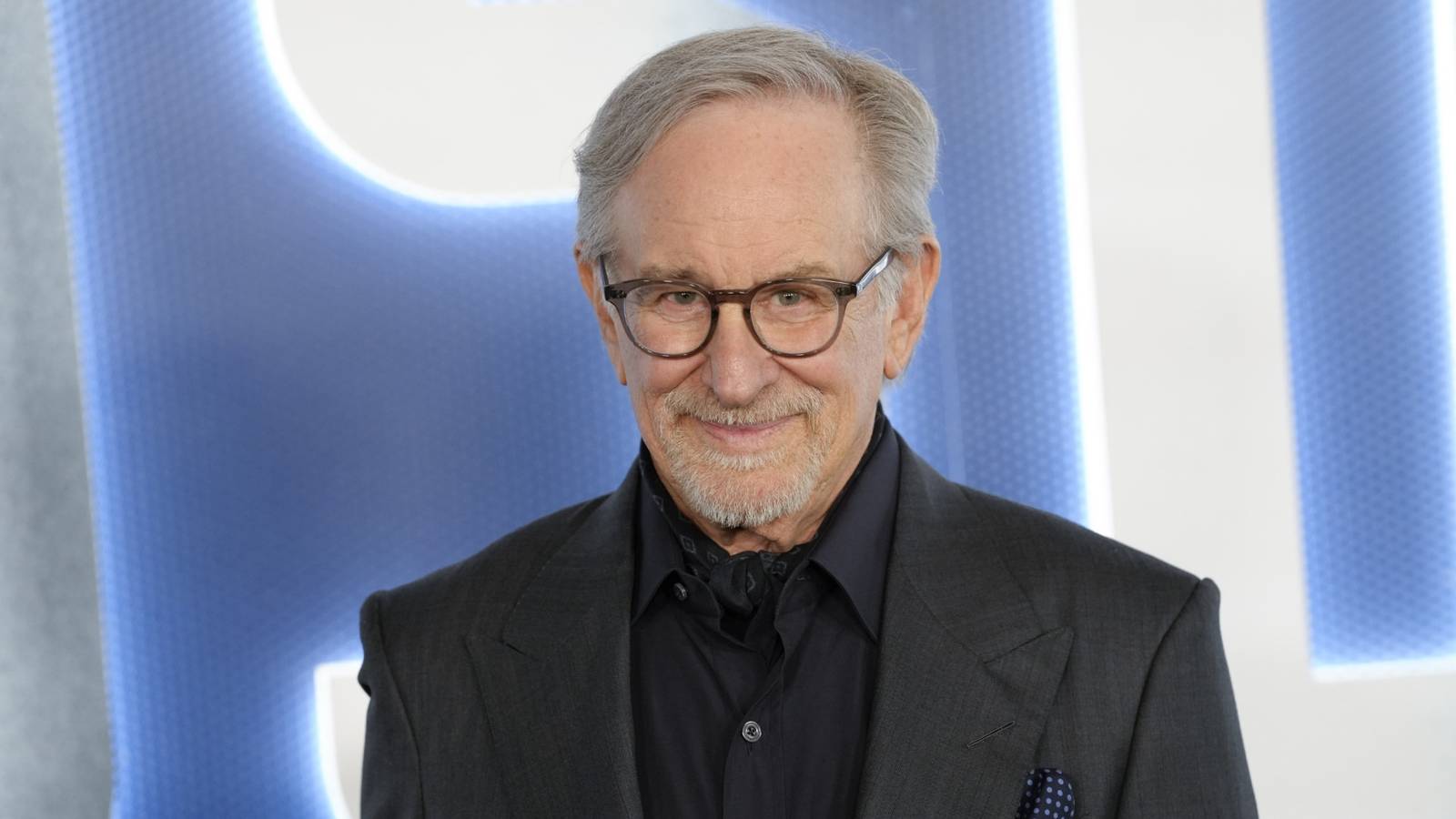
Long before prestige television dominated Hollywood, Steven Spielberg was already pushing the boundaries of the medium. Fresh off the monumental success of cinematic touchstones like Close Encounters of the Third Kind, E.T. the Extra-Terrestrial, and Raiders of the Lost Ark, Spielberg turned his attention to television.
In 1985, he created and produced Amazing Stories for NBC. Taking its name from the legendary pulp magazine that birthed the modern science fiction genre, the series operated as a high-budget, cinematic anthology. It invited top-tier directors—including Martin Scorsese, Clint Eastwood, and Joe Dante—to helm standalone tales of wonder, horror, and sci-fi. Running for 45 episodes across two seasons, the original series became a cult classic, celebrated for bringing big-screen magic into living rooms during an era when serialized fantasy was a rarity.
2015–2020: The Apple TV+ Commission and Development Phase
Fast-forward three decades, and the television landscape had fundamentally transformed. The "Golden Age of Television" was in full swing, and technology giants were entering the entertainment space. In October 2015, reports surfaced that NBCUniversal and Amblin Television were developing an Amazing Stories reboot.
By October 2018, Apple—fresh off announcing its ambitious streaming service, Apple TV+—officially picked up the series for a straight-to-series order. For a platform trying to establish credibility alongside giants like Netflix and HBO, securing Spielberg’s name was a massive coup. Production faced various hurdles, including creative shifts and showrunner changes, but the series finally materialized on screens in March 2020, right as the global COVID-19 pandemic reshaped media consumption habits worldwide.
2020–Present: The Axing and the Current Re-Evaluation
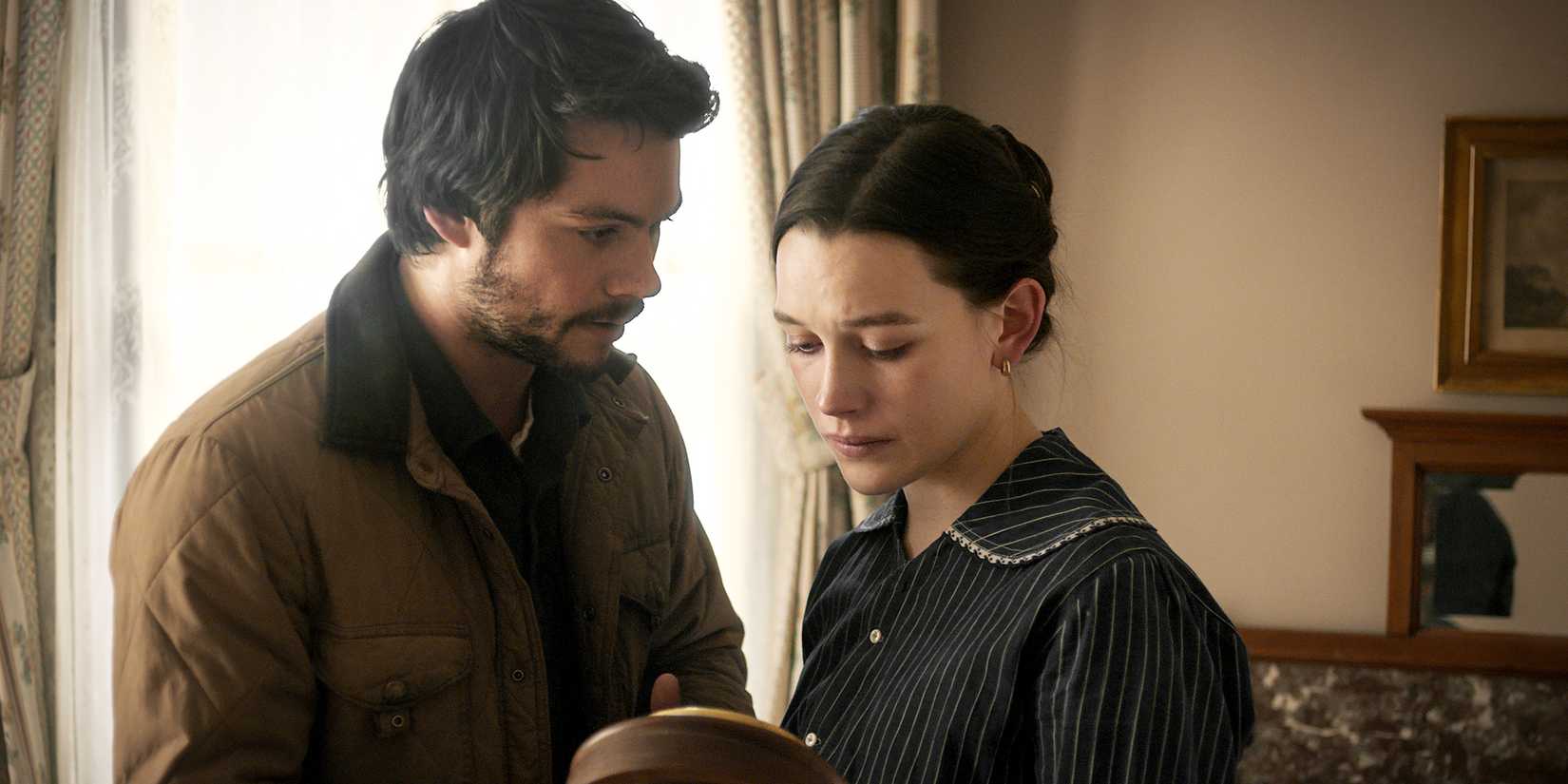
The debut season of Apple’s Amazing Stories consisted of just five episodes. While individual installments—such as "The Heat" starring Patrick R. Gibson and "Dynoman and the Volt!"—showcased flashes of Spielbergian heart, the series struggled to cohere as a defining cultural moment. Plagued by lukewarm reviews that claimed the episodes lacked the distinct wonder and narrative spark of the 1980s predecessor, Apple opted not to renew the anthology.
For several years, the reboot remained a forgotten footnote in Apple TV+’s catalog. However, as the streaming service evolved into a premier destination for hard science fiction—launching critical darlings like Severance, For All Mankind, and Silo—audiences began revisiting the platform’s early catalog. Coupled with ongoing discussions surrounding Spielberg’s continued influence on modern cinema, the conversation around Amazing Stories has shifted from one of outright dismissal to a more nuanced appreciation of its missed potential.
Supporting Data: Examining the Metrics of Apple’s Sci-Fi Strategy
To understand why the Amazing Stories reboot faltered—and why it merits a second look—one must examine the data surrounding its release and Apple TV+’s trajectory as a content distributor.

- The Episode Discrepancy: The original 1985 NBC run gave creators room to breathe with 45 distinct episodes, allowing audiences to experience a wide array of tones, from lighthearted whimsy to dark psychological thrills. In stark contrast, the 2020 reboot was restricted to a mere five episodes, severely limiting its ability to build an anthology momentum or experiment with diverse storytelling styles.
- Critical Reception vs. Audience Sentiment: On Rotten Tomatoes, the reboot sits at a 41% critical approval rating, reflecting widespread disappointment among reviewers who felt the series played it too safe. Yet, its 52% Popcornmeter score indicates a more forgiving general audience—many of whom enjoyed the comforting, nostalgic style of storytelling reminiscent of 1980s family adventure films.
- The Apple TV+ Maturation Curve: In 2020, Apple TV+ was an unproven entity navigating a crowded marketplace. Viewership metrics for the platform’s early titles were notoriously opaque, and the service lacked the massive subscriber base it enjoys today. Releasing a high-profile nostalgic reboot into a fragmented market contributed heavily to its low visibility. Today, with a much larger and more loyal sci-fi subscriber base, a similar property would likely find a significantly more receptive audience.
Official Responses and Industry Perspectives
While Steven Spielberg and Apple TV+ executives have largely moved on to other massive productions, industry insiders and critics have frequently weighed in on the challenges of updating classic anthologies for modern streaming audiences.
When the reboot was first announced, executives at Amblin Television emphasized their desire to honor Spielberg’s original aesthetic while leveraging modern cinematic technology. Developing a modern anthology meant balancing nostalgia with contemporary storytelling sensitivities—a tightrope walk that often alienates purists while failing to hook younger demographics.
Critics of the 2020 series pointed out that television had evolved significantly since 1985. Shows like Black Mirror had raised the bar for sci-fi anthologies, conditioning audiences to expect biting social commentary, shocking twists, and high-concept philosophical questions. By comparison, Apple’s Amazing Stories leaned heavily into old-fashioned, earnest sentimentality. While that emotional core worked wonders in Spielberg’s 1980s cinematic output, modern streaming audiences often craved a sharper edge.
Nevertheless, defenders of the series argue that dismissing the show purely on its initial metrics overlooks the inherent value of standalone storytelling. In an era dominated by sprawling, multi-season serialized arcs that require massive time commitments, the brevity of an anthology series offers a refreshing alternative—one that Hollywood is increasingly realizing holds untapped value.
Implications: What the Legacy of Amazing Stories Means for the Future of Sci-Fi Television
The story of Amazing Stories—both its beloved 1980s iteration and its short-lived 2020 reboot—offers vital lessons for the current television landscape.
1. The Power and Peril of Nostalgia Branding
Intellectual property is currency in Hollywood, but the Amazing Stories reboot demonstrates that a famous name alone cannot guarantee streaming success. Audiences today are discerning; they do not just want to see a classic logo revived—they demand that the underlying narrative justify its own existence in a crowded marketplace.
2. The Case for the Return of the Pure Anthology
Serialized storytelling has reigned supreme for over a decade, but viewer fatigue is beginning to set in. Audiences are increasingly exhausted by bloated, ten-hour movie formats disguised as TV seasons. The enduring appeal of Amazing Stories points to a persistent hunger for standalone, single-episode narratives where directors and writers can experiment freely without being shackled to multi-season arcs.
3. Apple TV+’s Evolving Ecosystem
Had the Amazing Stories reboot premiered today rather than in the spring of 2020, its fate might have been entirely different. Apple TV+ has successfully cultivated an identity as the premier home for high-concept science fiction. With millions of active subscribers actively seeking out thought-provoking speculative fiction, the platform now possesses the exact infrastructure and audience loyalty that the 2020 reboot desperately needed.
As Steven Spielberg continues to shape the future of entertainment, the door remains open—if only in the imaginations of fans—for a true spiritual successor to Amazing Stories. Whether through Apple TV+ or another creative home, the appetite for pure cinematic wonder translated to the small screen has never truly gone away; it is simply waiting for the right moment to be unlocked once more.
