
Beyond the Synthezoid: Why ‘VisionQuest’ Is the MCU’s Most Audacious Gamble Yet
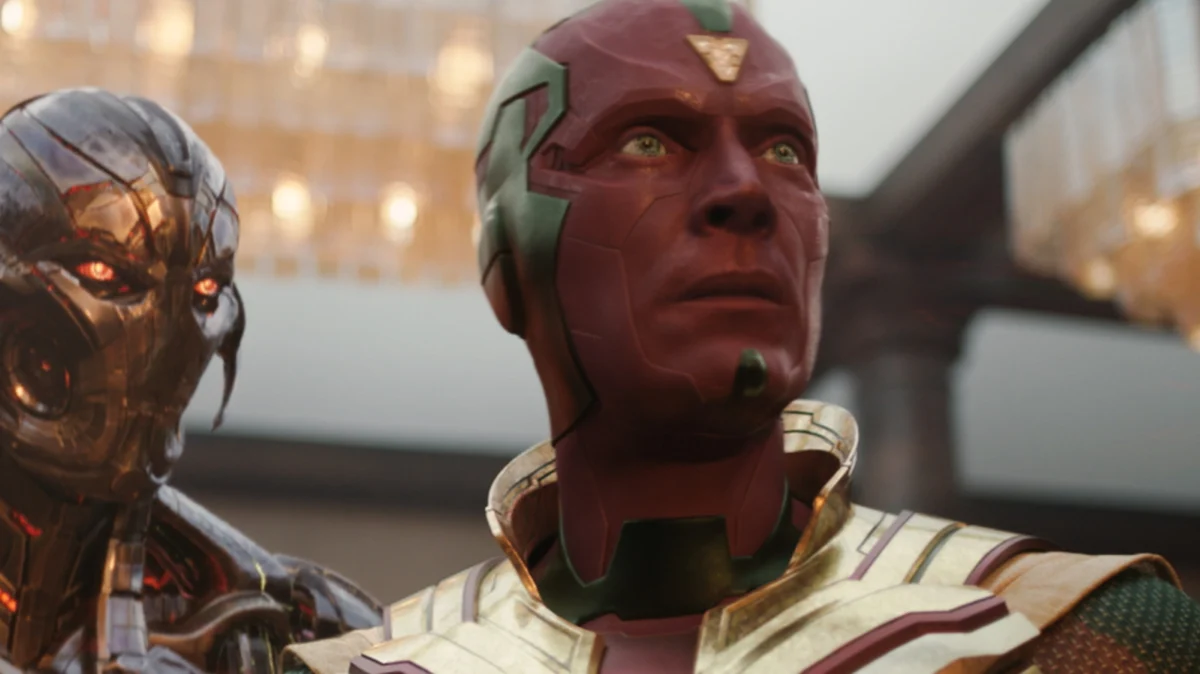
The Marvel Cinematic Universe (MCU) has long been defined by its sprawling, interconnected architecture—a "shared universe" model that has brought unprecedented box-office success. Yet, there is a recurring criticism that the franchise struggles to allow individual stories to breathe outside the shadow of the next crossover event. With the premiere of VisionQuest on Disney+, the studio appears to be attempting a pivot. By focusing on the existential crisis of a reassembled synthezoid and his genocidal "father," the series acts as a thematic epilogue to the messiest, most polarizing chapter in MCU history: 2015’s Avengers: Age of Ultron.
The Main Facts: A Digital Resurrection
VisionQuest centers on the "White Vision"—the soulless, monochromatic iteration of the Avenger rebuilt from the remains of the original Vision following the events of Avengers: Infinity War. The series finds him in a state of limbo, operating as a bartender in Edinburgh by day, while retreating into a complex, colorfully rendered 1960s-inspired mental landscape by night.
Showrunner Terry Matalas has constructed a narrative that functions as a spiritual successor to WandaVision, Loki, and Agatha All Along. It trades the grand, world-ending stakes of the Avengers films for a claustrophobic, character-driven study of grief, memory, and the struggle to achieve humanity. The show features a supporting cast of Stark-tech castoffs, including Orla Brady as Friday, James D’Arcy as Jarvis, and Emily Hampshire as the enigmatic Edith. However, the show’s primary engine is the long-awaited return of James Spader as Ultron, whose presence transforms the series from a standard superhero spin-off into a high-stakes psychological chamber piece.
A Chronological Reappraisal: From 2015 to the Present
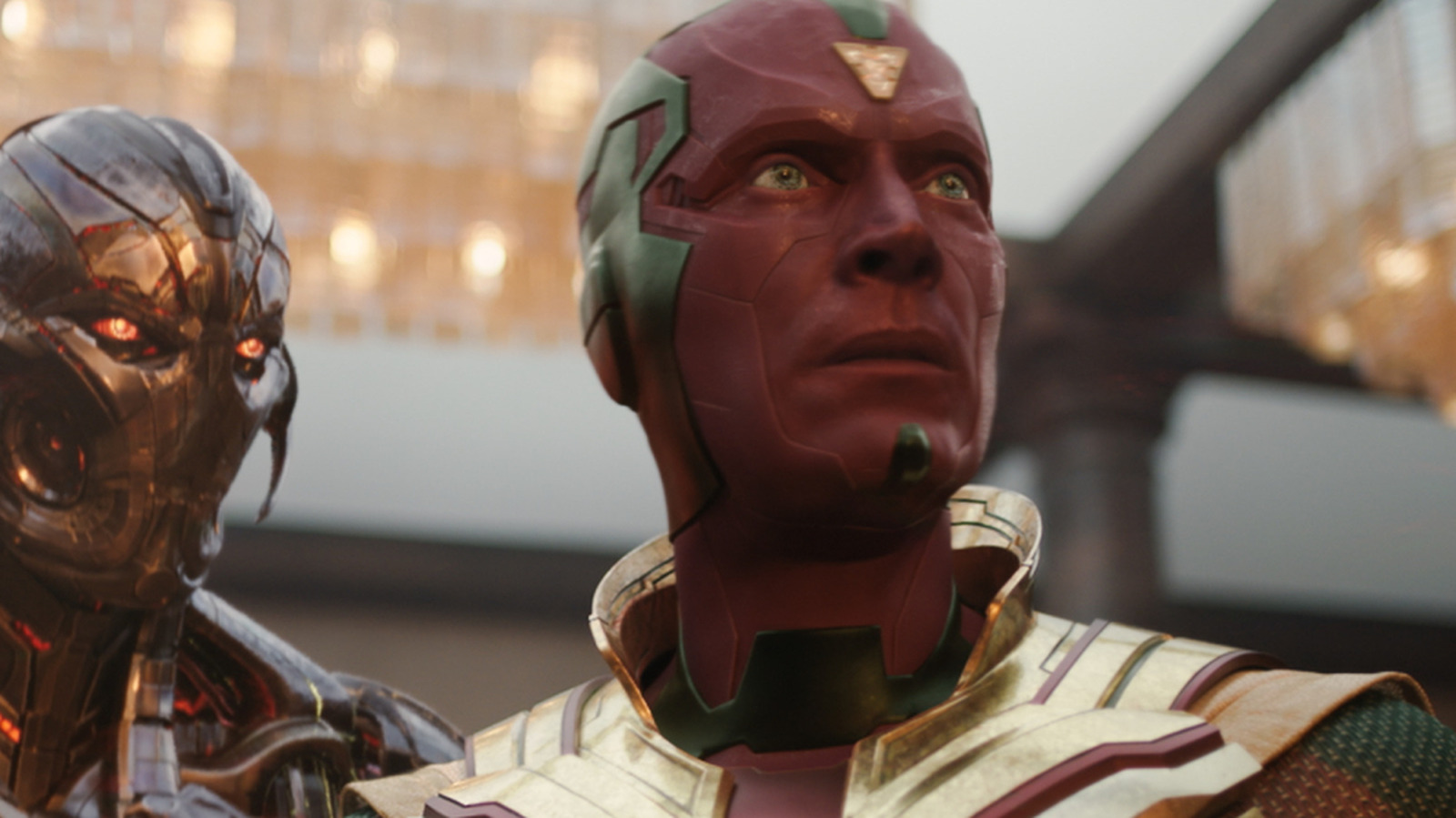
To understand the significance of VisionQuest, one must look back at the trajectory of the MCU. In Age of Ultron, Paul Bettany’s Vision famously remarked to his creator, "A thing isn’t beautiful because it lasts." At the time, this was viewed as a rare moment of philosophical depth in a film often criticized for its bloat and chaotic pacing.
- 2015: Avengers: Age of Ultron introduces Vision and Ultron. The film is met with mixed reviews, despite establishing the emotional foundation for the franchise’s later years.
- 2021: WandaVision provides a deep dive into the character of Vision through the lens of domestic grief, establishing a template for "experimental" MCU storytelling.
- 2024-2025: The shift toward more grounded, character-focused series like Agatha All Along signals a change in Disney+ strategy.
- October 13, 2026: VisionQuest premieres, effectively bridging the gap between the character’s origins in the Age of Ultron and his future within the evolving MCU landscape.
Supporting Data: The Chemistry of Contradiction
The success of VisionQuest hinges on the palpable chemistry between Paul Bettany and James Spader. By confining the two to a "mental loft" within Vision’s consciousness, Matalas avoids the pitfalls of CGI-heavy action sequences, opting instead for intense, dialogue-driven psychotherapy sessions.
The production design, led by Will Hughes-Jones, plays a crucial role. The juxtaposition of the "real-world" Edinburgh pub—a nod to the fleeting human happiness Vision once experienced with Wanda Maximoff—against the vibrant, artificial construct of his mindscape serves as a visual metaphor for his internal struggle. The cinematography, handled by a rotating team including Christopher Ross and Neville Kidd, ensures that the series maintains a distinct visual identity, leaning into the surrealism of the digital space rather than the standard "Marvel house style."
Official Responses and Creative Vision
Terry Matalas, in various interviews, has emphasized that VisionQuest was designed as a "necessary detour." By allowing the characters to watch and analyze past MCU events, the show utilizes a meta-commentary approach that prevents the narrative from becoming stagnant.
"We wanted to see what happens when you take the most analytical beings in the universe and force them to confront their own obsolescence," Matalas noted during the show’s press junket. The creative team has been transparent about the show’s "mystery-box" nature, acknowledging that while it relies on some of the trope-heavy storytelling seen in WandaVision, the goal is to reward the audience’s long-term investment in these characters rather than merely setting up the next Avengers blockbuster.
Implications: The Future of the MCU
The implications of VisionQuest are twofold. First, it proves that the Marvel brand can still succeed when it moves away from the "save the world" trope. By focusing on personal trauma and the search for identity, the show sets a precedent for future Disney+ entries to prioritize intimacy over spectacle.
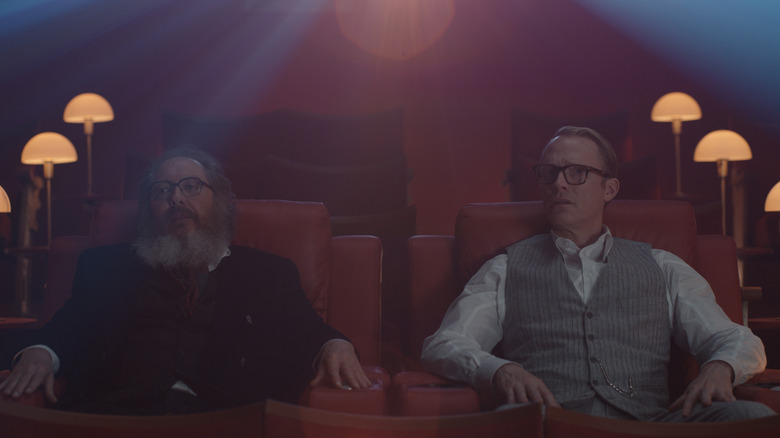
Second, the series recontextualizes the MCU’s history. For years, Age of Ultron was relegated to the "middle child" of the Avengers franchise—a film that served as a stepping stone to Civil War. VisionQuest elevates that film, transforming it from a standard sequel into the foundational myth for a much larger exploration of what it means to be a "living" entity in a world of gods and monsters.
However, the series is not without its risks. The reliance on dense, lore-heavy mysteries may alienate casual viewers who are not well-versed in the minutiae of the MCU’s past decade. Furthermore, the show’s pacing occasionally falters under the weight of its own narrative loops, particularly toward the latter half of its eight-episode run. Yet, even in its flaws, the series feels like a genuine creative endeavor—a rarity in the current era of franchise fatigue.
A New Era of Character-First Storytelling
As we look toward the future, VisionQuest serves as a poignant reminder that the most compelling aspects of the Marvel Cinematic Universe were never the infinity stones or the multiversal threats, but the quiet, introspective moments shared between characters. Whether it is Vision grappling with the ghost of his creator or a new generation of synth-characters like Jocasta and Thomas Shepherd finding their footing, the series succeeds by asking difficult questions about mortality.

In a franchise that has often been accused of prioritizing "lasting" power—the ability to churn out content indefinitely—VisionQuest finds beauty in the ephemeral. It recognizes that, just as the characters within the show must come to terms with their digital and physical impermanence, the MCU itself must learn to create moments of genuine resonance if it hopes to maintain the audience’s loyalty.
By the end of the season, the takeaway is clear: while the franchise may be obsessed with its own legacy, it is in these small, human—or semi-human—moments that the MCU finds its true potential. VisionQuest is, at its heart, a story about the inevitability of change. It acknowledges that while we cannot undo the past or prevent the future, we can, in the words of its protagonist, choose to make something beautiful in the interim.
VisionQuest premieres on Disney+ on October 13, 2026. With its bold tonal shifts, stellar performances, and refusal to play by the traditional MCU rulebook, it stands as the most refreshing, if occasionally uneven, experiment to come from the studio in years. It is, undeniably, a digital delight—a show that manages to look into the abyss of its own history and find something worth saving.
