
Unearthing the Shot-on-Video Underground: The Long-Awaited Physical Media Debut of the 1992 Cult Action-Comedy Red Flag Down
By Mike Joy
Published: October 12, 2026
Category: Film Reviews & Physical Media Releases
Main Facts: The Resurrection of a Lost 1992 SOV Cult Classic
Every once in a rare while, the vast, shadowy archives of forgotten independent cinema yield a title that stops even the most seasoned film historian and physical media hunter in their tracks. It is the kind of cinematic discovery that elicits an immediate, involuntary reaction: "How the hell have I never heard of this before?"
For the enthusiasts of ultra-low-budget filmmaking, regional outsider art, and the gritty aesthetic of early-1990s analog videography, that exact question is currently being asked about Red Flag Down.
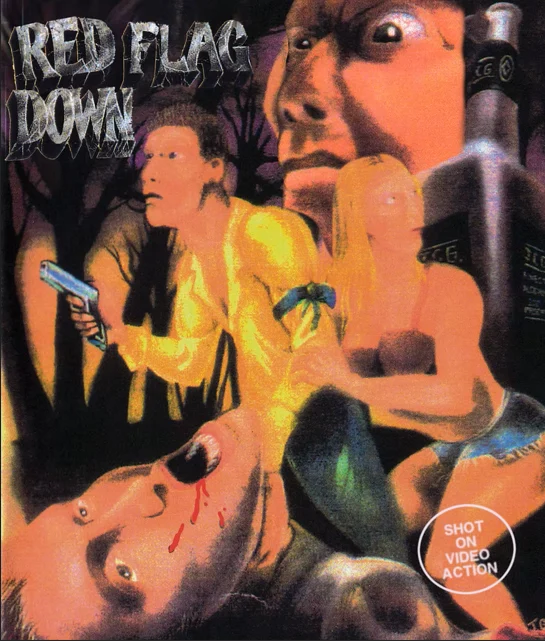
Originally produced, shot, and distributed in relative obscurity back in 1992, Red Flag Down is a textbook example of regional shot-on-video (SOV) moviemaking. For over three decades, the film has lurked in the dark corners of tape-trading circles and forgotten basements, operating as a near-mythical curio for dedicated genre buffs. That is, until now.
In a joint venture that will undoubtedly thrill physical media collectors, Blood Sick Productions has teamed up with boutique cult label Lunchmeat to rescue the film from oblivion. Red Flag Down has officially received its first-ever, long-overdue home video release, making its debut on disc. For fans eager to add this bizarre piece of outsider cinema to their shelves, copies are currently available for purchase directly through MVDShop.com.
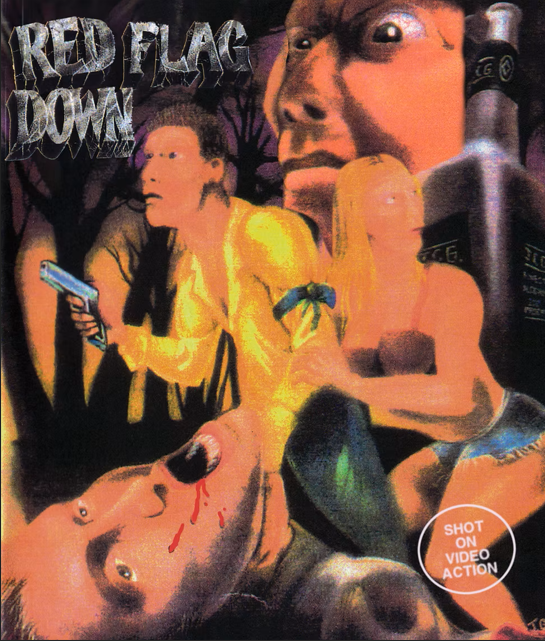
The premise of the film is as high-concept as it is unhinged: A pair of eccentric, enthusiastic paintball park owners invite an unsuspecting, ambitious young reporter out to the grounds to tour their fancy new facility. The hook is meant to be a puff piece highlighting local enterprise and extreme sports recreation. The catastrophic problem? Unbeknownst to the participants, one of the competing teams has been quietly issued live, lethal ammunition instead of standard paintballs.
What follows is an escalating nightmare that goes about as terribly as one would logically expect. Before long, players are genuinely being murdered in the woods, longtime friends are inadvertently (and sometimes desperately) shooting at one another, and the surviving members of the tour realize that getting out of the game alive is going to be significantly more difficult than simply raising a white flag. It is this exact premise that elevates Red Flag Down from a routine tape-trading curiosity into a remarkably fun, blood-soaked piece of SOV entertainment.
Chronology: Thirty Years in the Shadows to High-Definition Resurrection
To fully understand the significance of the Red Flag Down Blu-ray release, one must look back at the landscape of independent filmmaking in the early 1990s—and trace the arduous journey this film took to reach modern audiences.
The 1992 Production Boom and Regional Filmmaking
In the wake of the camcorder revolution of the late 1980s, consumer-grade and industrial video cameras became increasingly accessible to regional filmmakers outside of the traditional Hollywood hubs of Los Angeles and New York. Armed with bulky shoulder-mounted camcorders, analog editing decks, and boundless amounts of local enthusiasm, grassroots creators across North America began shooting feature films on videotape (SOV).
Red Flag Down was born out of this exact subculture in 1992. Operating on a micro-budget that likely consisted of whatever loose change the filmmakers could pool together, the production relied on free local locations—namely, dense wooded areas and commercial paintball facilities—along with a cast made up of local actors, friends, and ambitious acquaintances who were willing to spend their weekends running through the mud getting squibbed.
Unlike films shot on 16mm or 35mm film stock, which held the potential for theatrical distribution or proper archival preservation, SOV features from this era typically suffered a very different fate. They were edited onto VHS tapes, duplicated in small batches in someone’s garage or living room, and sold locally through word-of-mouth, horror convention swap meets, or small mail-order catalogs advertised in the back pages of genre magazines like Fangoria or Gorezone. Once the initial batch of tapes sold out, many of these titles vanished entirely, becoming victim to tape degradation, lost master tapes, and the rapid obsolescence of the VHS format.
The Decades of Obscurity (1992–2026)
For over thirty years, Red Flag Down avoided widespread digital preservation. While major 90s studio blockbusters enjoyed a seamless pipeline from VHS to DVD, and later to Blu-ray and 4K Ultra HD, micro-budget regional oddities frequently slipped through the cracks. Red Flag Down remained trapped in a digital blind spot, known only to hardcore tape collectors who traded fuzzy third-generation VHS rips in online forums and private Facebook groups.
The Physical Media Renaissance and Blood Sick Productions
The mid-2010s and 2020s have seen an unprecedented boom in boutique physical media curation, spearheaded by companies dedicated to unearthing lost, forgotten, and marginalized genre cinema. Labels like Vinegar Syndrome, Severin Films, and—specifically within the analog underground—Lunchmeat have made it their mission to hunt down the master tapes of forgotten regional films before they disintegrate completely.
Through the collaborative efforts of Blood Sick Productions and Lunchmeat, Red Flag Down was successfully tracked down, restored from available archival materials, and prepared for its debut physical media release. By partnering with MVD Entertainment Group’s distribution network via MVDShop.com, the release ensures that what was once a nearly impossible-to-find underground tape is now accessible to collectors worldwide.
Supporting Data & Critical Analysis: Examining the SOV Aesthetic
To approach Red Flag Down with the expectation of a polished, studio-budget Hollywood thriller is to miss the entire point of the shot-on-video subculture. This is raw, unadulterated outsider art, and its value lies precisely in its rough-around-the-edges charm.
Production Values and Technical Merits
Let’s address the elephant in the room: Red Flag Down is not an undiscovered cinematic masterpiece on par with high-art cinema. The acting throughout the film can frequently be described as "rough," the production values are undeniably extremely low-budget, and there are numerous moments where the viewer can physically feel every single dollar of that 1992 regional filmmaking budget (or lack thereof).
Audio tracks occasionally clip, lighting is heavily reliant on whatever natural sunlight happens to be filtering through the trees, and the editing transitions carry the distinct hallmark of consumer-grade linear editing setups.
Yet, as any seasoned SOV enthusiast will attest, that is precisely where the charm originates. There is an undeniable purity and infectious energy to old shot-on-video movies where a group of passionate individuals simply declared, "Let’s make a movie," grabbed whatever equipment they could secure, and went out into the world to execute their vision without studio interference or corporate oversight.
Gore, Action, and Practical Effects
Where Red Flag Down truly earns its keep among genre fans is its commitment to delivering high-octane, low-budget carnage. Despite its limitations, the film boasts a surprisingly high body count and an impressive volume of practical gore effects.
- Practical Effects: The filmmakers clearly allocated a healthy percentage of their minuscule budget toward theatrical blood and pyrotechnics. Blood splatters liberally across the foliage and unfortunate victims alike.
- The Action Design: Squibs—small explosive charges used to simulate bullet hits—are deployed in abundance throughout the runtime. The continuous gunfire and chaotic skirmishes through the paintball course maintain a steady momentum that keeps the pacing brisk.
- The Narrative Twist: Without spoiling the specifics of the narrative climax, the film manages to pull off a bizarre and unexpected twist toward its conclusion. True to its chaotic nature, Red Flag Down saves one final, jaw-dropping "WTF" moment for the viewer just before the final credits roll.
Official Responses and Industry Context
The resurrection of Red Flag Down has sent ripples through the dedicated online communities of horror and cult film fans, sparking discussions about the ongoing importance of physical media preservation for micro-budget cinema.
In statements surrounding the launch of the project, representatives from Blood Sick Productions and Lunchmeat emphasized the urgent need to preserve analog-era media. With thousands of regional films shot on video during the late 20th century sitting in attics and storage lockers, every successful release represents a victory against time and media decay.
Industry analysts and physical media reviewers have praised the release for catering to a hyper-specific yet fiercely loyal demographic. While mainstream streaming services prioritize homogenized, algorithmic content, boutique physical media labels continue to thrive precisely because they offer tangible artifacts of film history that cannot be removed, altered, or lost due to corporate licensing shifts.
As Mike Joy noted in his initial assessment of the release:
"Is it perfect? Nope. Is it polished? Hell no. Did I have a good time watching this forgotten little 1992 oddity finally get a proper physical release? Absolutely. And that’s really what makes releases like this so cool."
Implications: The Vital Importance of Preserving the Cinematic Underworld
The release of Red Flag Down on disc carries broader implications for the future of film preservation, independent distribution, and the appreciation of outsider art.
1. The Safeguarding of Cultural Artifacts
Cinema history is often written by major studios, focusing on box office hits, award winners, and critically acclaimed auteurs. However, the cultural fabric of a generation’s media consumption is equally defined by its grassroots, regional, and underground output. Projects that rescue SOV movies from the brink of extinction ensure that future generations of filmmakers and historians can study the full spectrum of creative expression—including the messy, low-budget, enthusiastic experiments of the early 1990s video boom.
2. The Economic Viability of Niche Physical Media
The collaboration between Blood Sick Productions, Lunchmeat, and MVD highlights the sustainability of micro-targeted physical media distribution. By utilizing platforms like MVDShop.com, independent labels can bypass traditional brick-and-mortar retail bottlenecks and connect directly with global fanbases who are willing to support physical releases of obscure titles.
3. A Call to Action for Collectors
For fans of shot-on-video cinema, regional action flicks, and ultra-low-budget oddities, the message is clear. Films like Red Flag Down exist in a precarious balance; they survive only because dedicated archivists care enough to dig them out of the shadows and press them onto physical media.
If you consider yourself a connoisseur of cinematic curiosities—the kind of weird little treasures that make you immediately wonder how they managed to exist for over thirty years without crossing your radar—Red Flag Down demands a place in your collection.
Head on over to MVDShop.com to secure your copy of this newly resurrected 1992 action-comedy milestone before it marches back into the shadows.
