
Haunting the Modern Reader: The Folio Society Unveils ‘Japanese Ghost Stories’ with Artist Yuko Shimizu
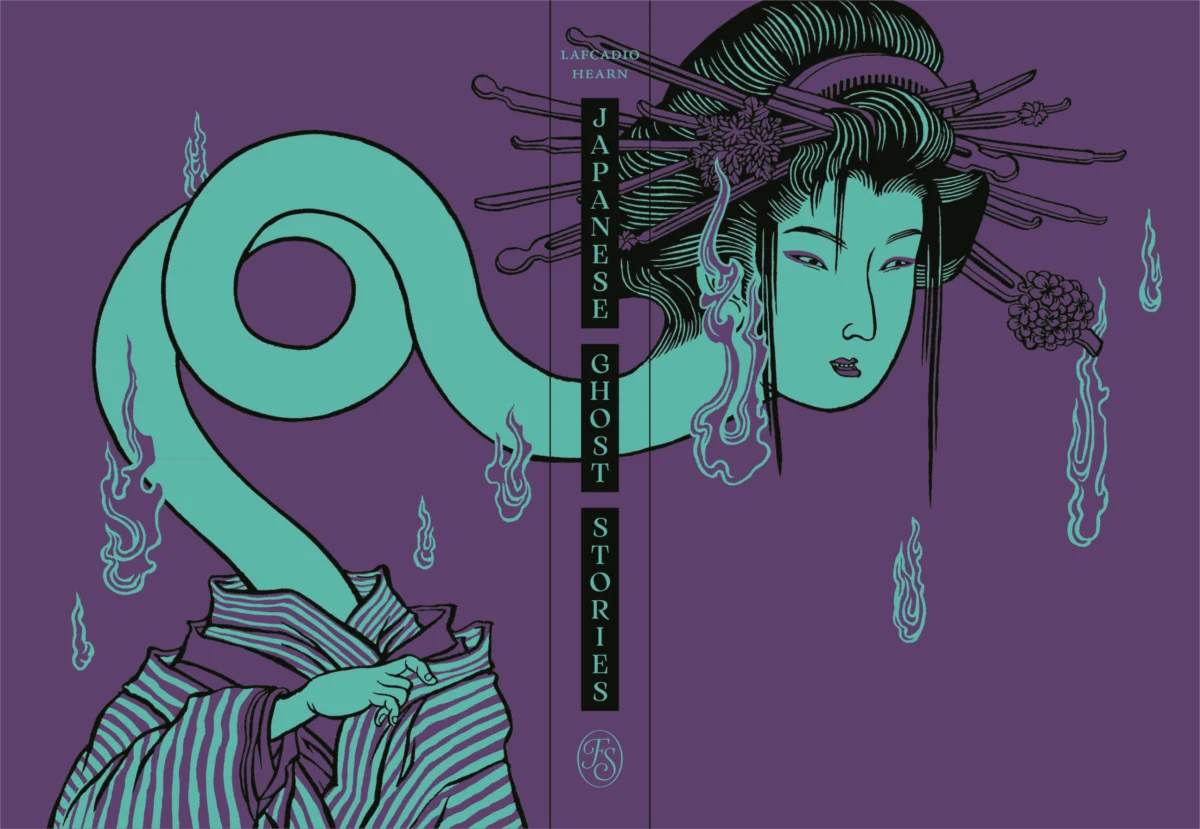
As the autumn leaves begin to turn and the air grows thin, The Folio Society has prepared a literary treat for those who find comfort in the unsettling. This October, the renowned independent publisher is set to release Japanese Ghost Stories, a meticulously crafted, collectible volume featuring twenty spine-tingling tales that bridge the gap between ancient folklore and 21st-century artistry.
The collection, which draws from the seminal translations of 19th-century traveler and Japanophile Lafcadio Hearn, serves as both a historical preservation of supernatural wisdom and a showcase for the singular vision of award-winning illustrator Yuko Shimizu. Available for purchase starting October 20, 2026, the volume arrives just in time to serve as the definitive bedside companion for the Halloween season.
The Foundations of the Supernatural: A Chronology of Folklore
To understand the significance of this release, one must look back at the origins of the material. Lafcadio Hearn, born on the Greek island of Lefkada to an Irish father and Greek mother, eventually settled in Japan in 1890. Embracing the culture deeply, he married into a Japanese family, adopted the name Koizumi Yakumo, and dedicated his life to documenting the country’s rich oral traditions. His collections—including Kwaidan, In Ghostly Japan, and Glimpses of Unfamiliar Japan—were instrumental in introducing Western readers to the phantoms, ghouls, and moral complexities of Japanese myth.
The evolution of these tales from oral tradition to the page—and now to the premium format of The Folio Society—represents a century-long dialogue between East and West. The Folio Society’s new edition serves as a contemporary milestone, building upon their previous successes in translating Japanese literary classics, such as their editions of Kazuo Ishiguro and Haruki Murakami, as well as the 2018 treasury Japanese Tales.
The Artistic Vision: A Conversation with Yuko Shimizu
At the heart of this new volume is the visual language crafted by Yuko Shimizu. A New York-based illustrator with an illustrious career spanning two decades, Shimizu’s work has graced the pages of The New York Times, The New Yorker, and major film projects for the Criterion Collection.
In a recent interview, Shimizu discussed the weight of interpreting stories that are etched into the Japanese cultural psyche. "I grew up in Japan, so these stories were a part of my life as a child," Shimizu explains. "They were told to us by adults, and we consumed them through television and books. Every Japanese child knows the story of Hoichi the Earless or can name a yokai like the Rokuro-kubi."
The Methodology of "Edo-Style" Modernity
When tasked with illustrating the book, Shimizu turned to the aesthetics of the Edo period (1603–1867), specifically looking toward Ehon—illustrated picture books that served as the ancestors of modern manga. "I wanted the illustrations to look like a traditional Edo period Ehon," she says. "They were magazine-format storybooks for adults that were heavily illustrated. But because this book is being published in the 2026, I added modern colors and tones to bridge the 120-year gap since these stories were widely popularized by Hearn."
The collaborative process also extended to authentic calligraphy. Shimizu partnered with her longtime friend and fellow artist, Ai Tatebayashi. "I can draw anything with my ink and brush, but I cannot write Japanese calligraphy, as it requires formal training," Shimizu admits. "It was important for the page edges to feature the story titles in authentic script, just as they would have appeared in traditional Edo-period texts. The outcome, with the double-page drawings contained in traditional boxes, feels both authentic and fresh."
The Essence of the Tales: Morality in the Macabre
For Western readers accustomed to the "slasher" or "gothic horror" tropes of the West, the stories found in this collection may feel distinct. Shimizu notes that these tales function more like fables. "Japanese ghost stories are closer to fairy tales," she explains. "They often deal with morals and ethics. In the story of the snow ghost, for instance, a secret is promised, and the tragedy unfolds only when that promise is broken. It is a cautionary tale, not just a jump scare."
The volume includes twenty stories, ranging from the chilling to the surreal:
- "The Story of Aoyagi": A tragic romance involving a samurai and a woman who hides a supernatural secret.
- "Oshidori": A poignant look at love and loss through the perspective of a mourning mandarin duck.
- "The Dream of Akinosuke": A surreal narrative in which a man experiences an entire lifetime as the king of an ant kingdom.
- "Rokuro-Kubi": A visceral, action-heavy tale involving a monk tasked with outsmarting five floating, detached heads.
Implications for Literature and Folklore
The release of Japanese Ghost Stories is not merely a commercial endeavor; it is a cultural contribution to the preservation of folklore in a digital age. By pairing Hearn’s foundational text with an introduction by contemporary novelist Yoko Ogawa—a finalist for the National Book Award and the International Booker Prize—The Folio Society emphasizes the enduring relevance of these narratives.
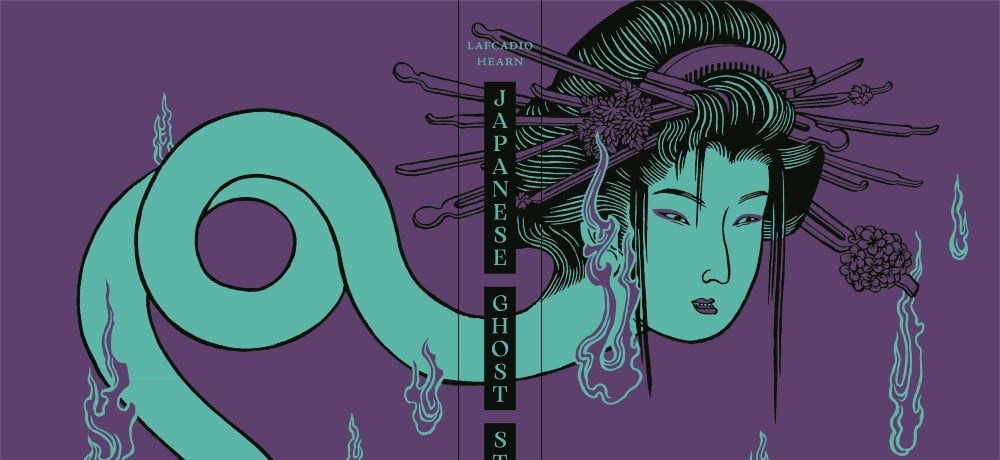
Folio Society Editor Mandy Kirby notes that the collection is designed to be "unsettling." According to Kirby, Ogawa’s introduction explores the deep-seated Japanese fascination with demons and ghosts, positing that these stories remain as potent today as they were in the 19th century. "We have taken something traditional and given it a modern twist," Kirby says. "The cover is unmistakably 21st century, yet the heart of the book remains rooted in the spectral traditions of Old Japan."
Advice for the Next Generation
For aspiring artists who find themselves intimidated by the prospect of bridging traditional styles with contemporary professional demands, Shimizu offers a candid piece of advice: "Don’t lose sight of who you are. With social media and algorithms, it is easy to feel you need to create what is popular or second-guess what people want. We need to stop guessing and keep focusing on ourselves. Be you—that is the key."
Conclusion
As the October 20, 2026, release date approaches, anticipation is high for what is being hailed as a "gem of the supernatural." With its 200-page hardcover format, exquisite slipcase, and the haunting, double-page illustrations of Yuko Shimizu, the collection promises to be a centerpiece for any library.
Whether one is a scholar of Japanese folklore, a fan of J-horror, or simply a collector of fine art books, Japanese Ghost Stories represents a rare confluence of high-end publishing and timeless, spine-tingling storytelling. It is an invitation to step into the haunted world of Ancient Japan, where the line between the living and the dead is as thin as a sheet of rice paper, and where the most terrifying monsters are often those that mirror our own moral failings.
For those looking to secure a copy of this limited release, orders can be placed directly through The Folio Society’s official website. As the nights grow darker, there may be no better way to spend an evening than by candlelight, turning the pages of these enduring, ethereal masterpieces.
