
The High-Stakes Endgame: Unpacking the Brutal Realities of ‘Slow Horses’ Season 6
As the sixth season of Apple TV’s critically acclaimed espionage thriller Slow Horses barrels toward its inevitable, high-octane conclusion, the narrative landscape has shifted beneath the feet of Slough House’s band of misfits. With only one episode remaining in the current arc, the series has moved beyond the traditional MI5 procedural tropes, forcing Jackson Lamb (Gary Oldman) and his disgraced subordinates into a corner where survival is no longer guaranteed.
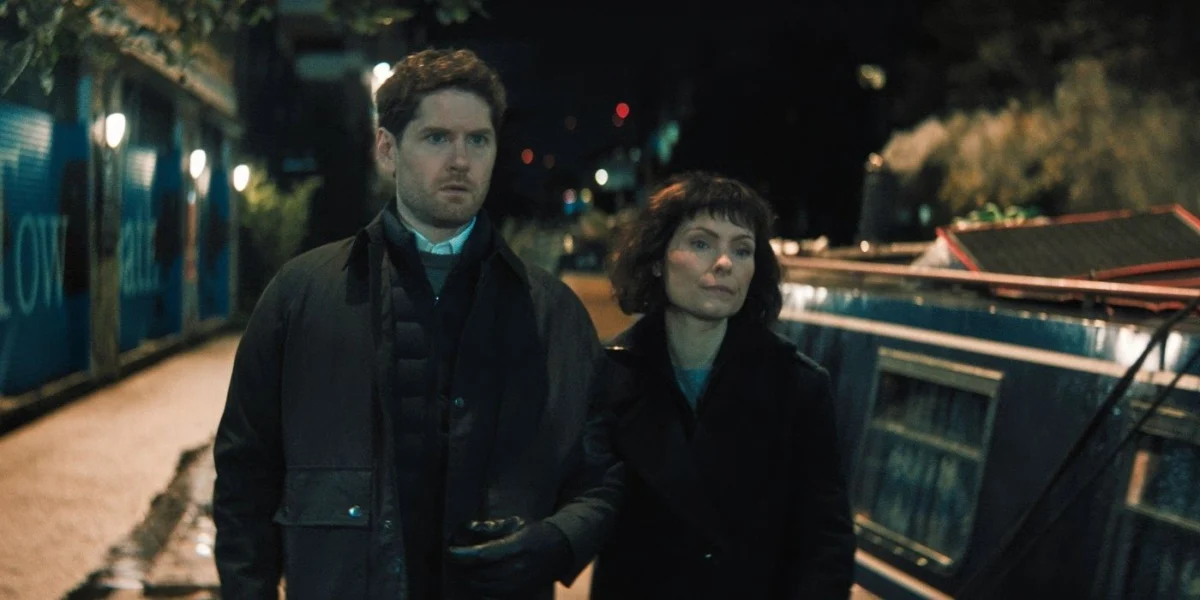
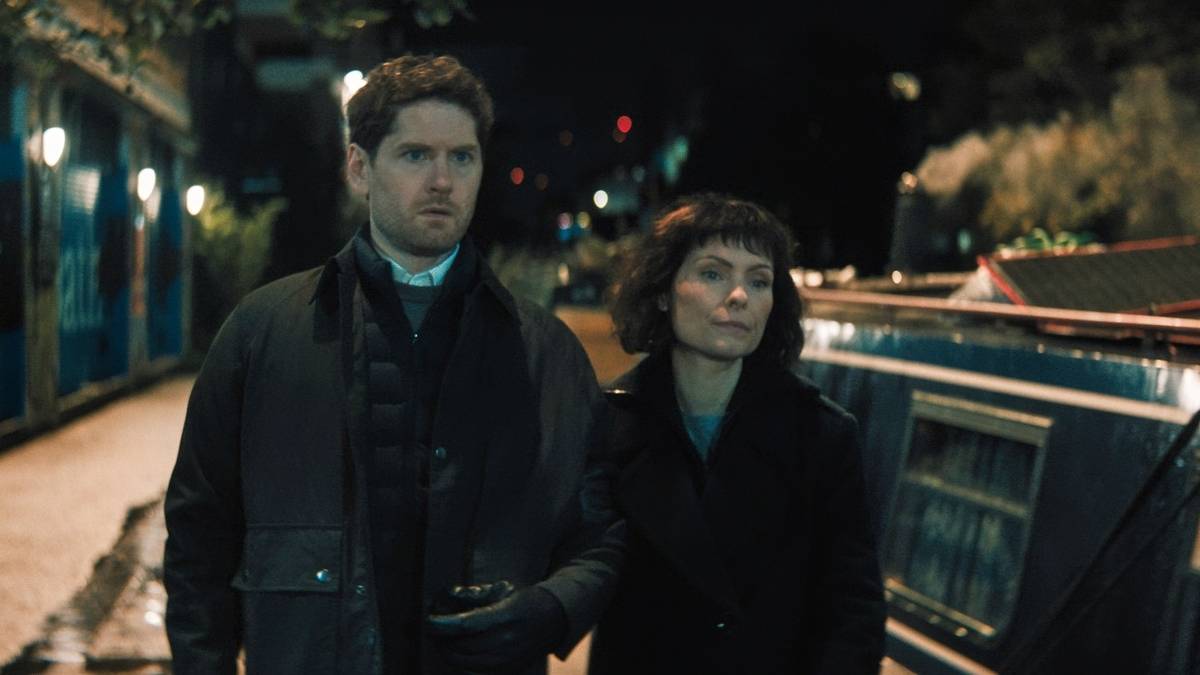
The penultimate installment, titled "Sayonara," has set the stage for a grand-scale reckoning. As the walls close in, the team finds themselves scattered: Lamb is meticulously dismantling the connections between Damien Cantor (Harry Lloyd) and the broader conspiracy, while the rest of the team seeks refuge at the unlikely sanctuary of Diana Taverner’s (Kristin Scott Thomas) vacation home. Meanwhile, the personal stakes have never been higher for River Cartwright (Jack Lowden), who continues his desperate, no-holds-barred mission to rescue Sid Baker (Olivia Cooke) from the lethal clutches of Russian operatives Jim (Kyle Soller) and Jane (MyAnna Buring).
A Chronology of Chaos: From Service Stations to Final Showdowns
The trajectory of Season 6 has been defined by a relentless pace that mirrors the desperation of its characters. From the opening episodes, the show established that this year’s threats were not merely political, but deeply personal.
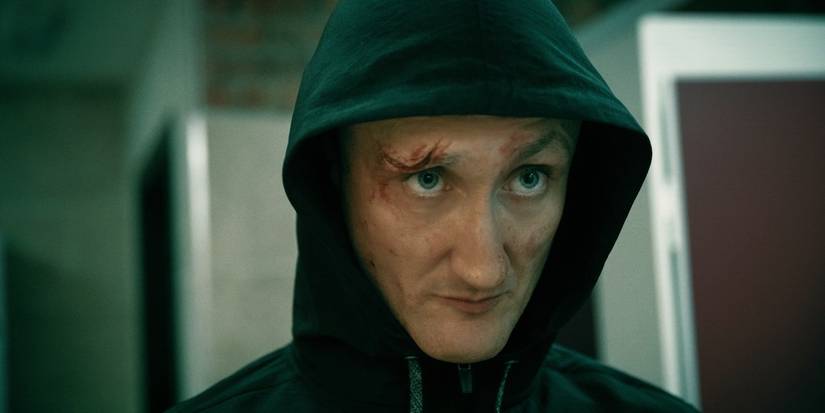
The narrative arc reached a fever pitch in Episode 4, which featured a visceral, claustrophobic bathroom confrontation between Jim and Coe (Tom Brooke). This scene, which resonated deeply with audiences for its grounded, terrifying realism, served as a microcosm for the season’s overarching theme: the tragedy of being trapped by a system that demands blood.
Following this, "Sayonara" pushed the tension to its limit. The episode began with a jarring, brutal twist that effectively dismantled one of the season’s most formidable antagonist threats before the opening credits even rolled. As the narrative pivoted toward the finale, the confrontation between River, Sid, and the Russian duo transformed into something far darker than standard spy-fi. It adopted the tone of a horror film, where the hunters became the hunted in a cold, unforgiving landscape.
The Human Element: Building the Anatomy of an Assassin
In a candid post-episode discussion, actor Kyle Soller, who portrays the enigmatic assassin Jim, provided an exclusive look into the creative process behind the show’s most complex antagonistic relationship.
Soller noted that he and co-star MyAnna Buring were deeply committed to elevating the roles of Jim and Jane beyond the standard "terminator" archetype. "MyAnna and I were really interested in pursuing something that was much more three-dimensional than what’s written in the book," Soller explained. "We wondered if there was this unspoken but acknowledged, ‘I’m kind of into you,’ but in a kind of teenage way. ‘Are you into me? I don’t know.’"
This nuanced approach—focusing on the "left hooks" of a scene rather than just the plot progression—is what has set Slow Horses apart from other genre offerings. For Soller, Jim’s arc was defined by a secret yearning for normalcy, a stark contrast to the hardened, unwavering resolve of his partner, Jane. "He actually isn’t in it for the long run because he’s found, potentially in Jane, a reason out," Soller added. "Jane is much more conflicted in that she is hard-lined to the end."
Supporting Data: The Craft Behind the Violence
The production quality of Slow Horses Season 6 has consistently leaned into the tactile, often gritty nature of modern espionage. A significant portion of the season’s success rests on the stunt coordination and the psychological truth behind the fight choreography.
Regarding the pivotal bathroom fight in Episode 4, Soller revealed that he and Tom Brooke went directly to the source material—Mick Herron’s Slow Horses novels—to flesh out the dialogue and the rhythm of the encounter. "Tom and I are similar in that we’re always looking for a little left hook in a scene, or something a bit weird," Soller said. "We really wanted to explore these two people who are devoted to these institutions and caught up in the machinations of other people’s choices."
The result was a scene that felt "naked" and resigned, highlighting the mutual respect between two men caught on the same "train track" of fate. The scene functioned as a eulogy for Coe, providing a moment of humanity that deepened the audience’s investment in the tragedy of the show’s casualties.
Official Perspectives: The Director’s Vision and On-Set Realities
The production team, led by director Adam Randall and showrunner Gaby Chiappe, fostered an environment that allowed the actors to experiment with the tone of their scenes. Soller praised the team for their openness, noting that even the most stylized sequences—such as the bowling alley showdown—were designed to evoke specific cinematic moods.
"The bowling alley was amazing, because the way that Adam was shooting it, it almost felt like Jurassic Park, with the raptors hunting the children," Soller noted. The juxtaposition of the neon-soaked, retro aesthetics of the bowling alley against the cold, muddy reality of the final confrontation in the woods demonstrates the show’s ability to pivot between stylized tension and visceral groundedness.
The physical toll of these scenes was significant. Soller described the final standoff between Jim, River, and Sid as "cold, wet, and unforgiving," a description he suggests applies to the entire season. "The fight direction was amazing because it was just psychologically truthful about people who were completely at the end of their tether," he stated.
Implications: The High Cost of the MI5 Game
As the finale looms, the implications for the survivors are staggering. The "Slow Horses" are no longer just the rejects of the intelligence community; they are the central players in a high-stakes conspiracy that has stripped away their illusions of safety.
The loss of characters like Coe has served as a grim reminder that in the world of Mick Herron, the system does not care about the individual. The "tragedy of being used by the system" is the primary engine driving the tension of the final episodes. For Jackson Lamb and his team, the upcoming finale is not just about stopping a threat—it is about determining who, if anyone, deserves to make it out of the wreckage with their humanity intact.
The show’s ability to maintain this level of narrative momentum, while simultaneously exploring the quiet, "teenage" romantic tension between assassins or the shared, cynical air-hockey games between adversaries, is what continues to solidify Slow Horses as a gold standard in contemporary television.
As the audience awaits the final, definitive episode, the sentiment remains clear: the path to the end is paved with broken loyalties and the cold, hard realization that in Slough House, the only thing more dangerous than the enemy is the mission itself.
New episodes of Slow Horses Season 6 premiere Wednesdays on Apple TV+.
