
The Quiet Sunset of Mini DisplayPort: How USB-C Rewrote the Connectivity Rulebook
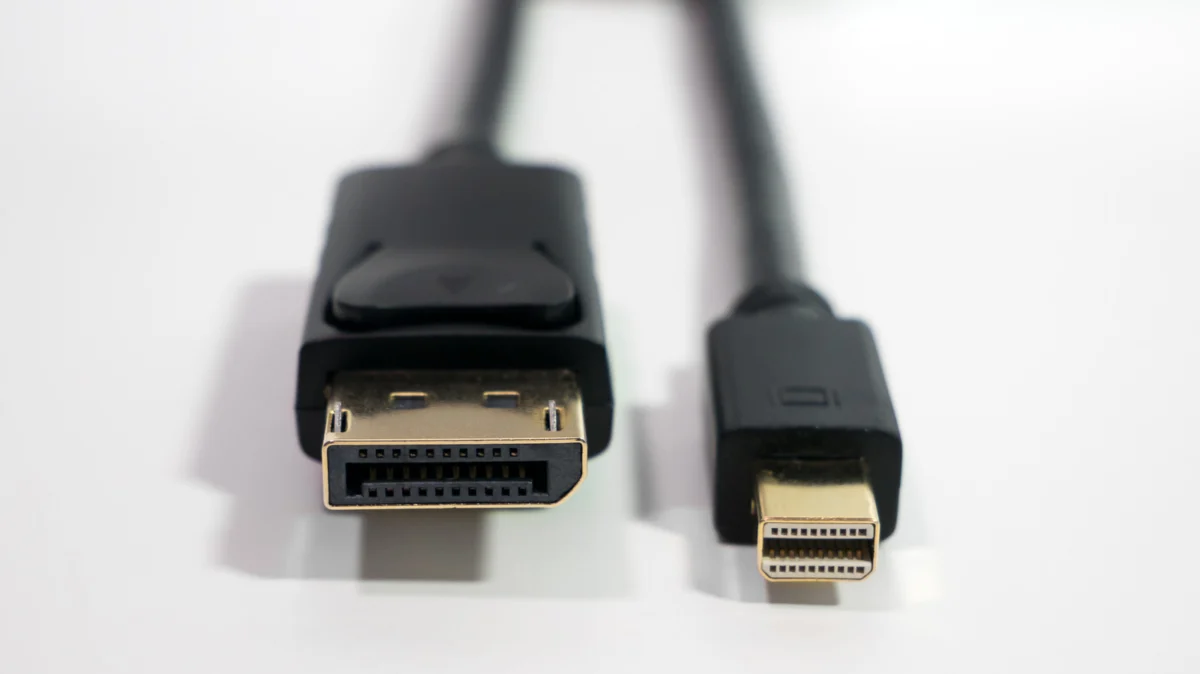
For over a decade, the Mini DisplayPort (mDP) was the unsung hero of the creative professional’s workspace. Introduced by Apple in 2008 as a streamlined, space-saving alternative to the bulky VGA and DVI connectors of the era, the Mini DisplayPort became the hallmark of the MacBook and Mac mini aesthetic. Yet, if you look at the chassis of a 2024 laptop, you are unlikely to find that familiar, notched rectangular port.
The decline of the Mini DisplayPort is not a story of technological failure, but rather a casualty of a more ambitious revolution: the total unification of data, power, and video through the USB-C standard.
The Chronology of a Connector
To understand the current landscape, we must look back at the trajectory of the Mini DisplayPort. When Apple first introduced the interface, it was a breath of fresh air. At the time, VGA (Video Graphics Array) was showing its age, and DVI (Digital Visual Interface) was too large for the increasingly thin laptops Apple was designing.
- 2008: Apple introduces Mini DisplayPort, promising high-resolution output in a footprint roughly one-third the size of a standard DVI port.
- 2011: Apple and Intel launch Thunderbolt. In a stroke of engineering efficiency, the first and second generations of Thunderbolt utilized the exact same physical connector as Mini DisplayPort. This allowed a single port to handle both high-speed data (for external storage) and video output (for displays).
- 2015–2016: The industry reaches a tipping point. The introduction of USB-C (specifically with the release of Thunderbolt 3) begins to cannibalize the space once held by Mini DisplayPort.
- 2018–Present: Apple and other major PC manufacturers begin systematically removing dedicated display ports in favor of "all-in-one" USB-C/Thunderbolt ports.
The Technical Superiority of DisplayPort
Despite its diminishing physical presence, the DisplayPort protocol remains the gold standard for high-performance computing. It is vital to distinguish between the connector (the physical port) and the protocol (the language the devices use to communicate).
The DisplayPort standard has always been ahead of the curve. While HDMI was initially designed for the living room and consumer electronics, DisplayPort was built for the desktop. It offers native support for multi-monitor daisy-chaining (MST – Multi-Stream Transport), allowing users to drive multiple displays from a single output. Furthermore, DisplayPort provides higher bandwidth, which is essential for the high refresh rates (144Hz, 240Hz, and beyond) required by competitive gamers and high-end workstation users.
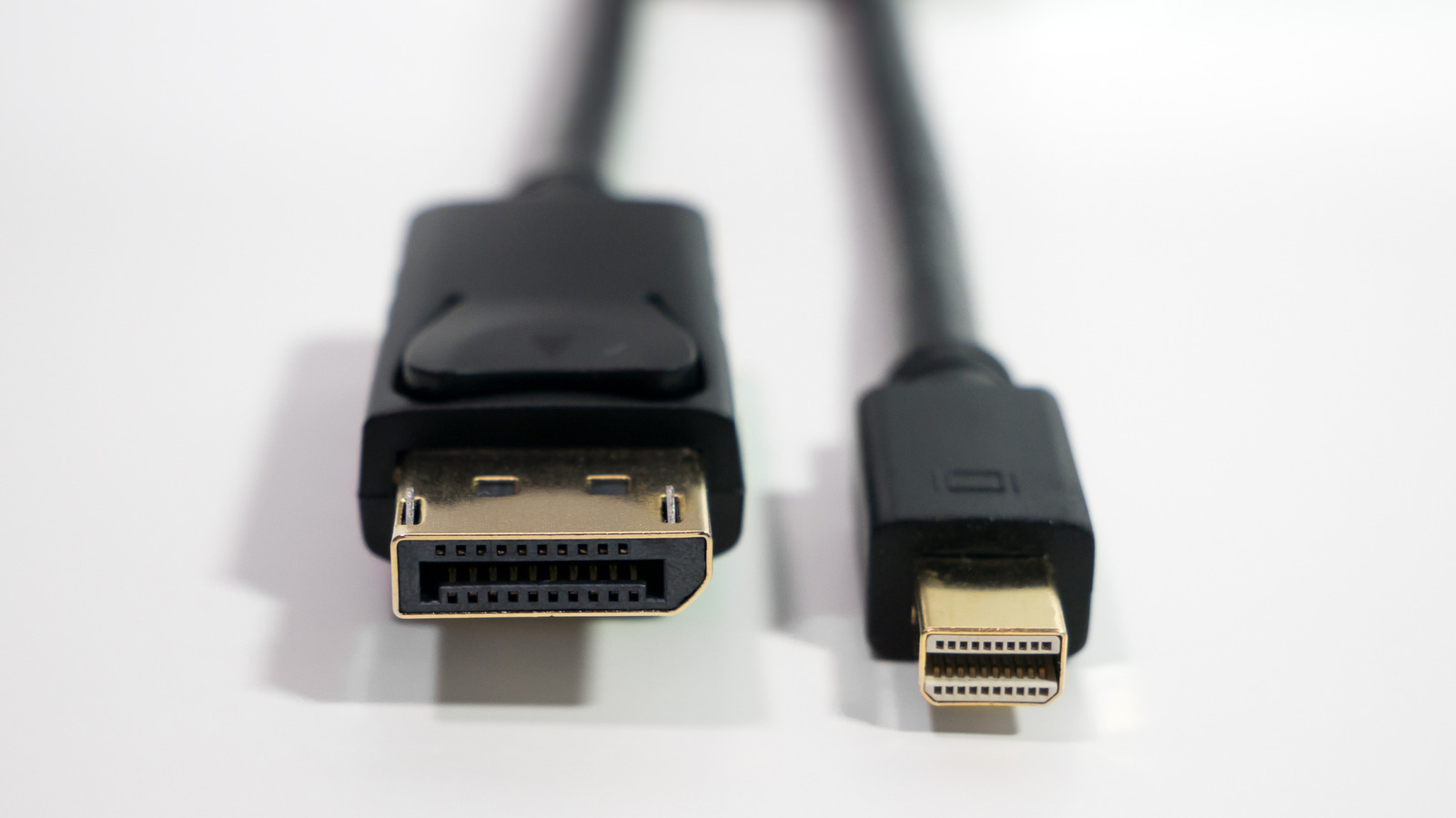
Even as the Mini DisplayPort connector disappears, the DisplayPort protocol lives on inside the USB-C cable. Through a feature known as "DisplayPort Alternate Mode" (DP Alt Mode), a USB-C port can transmit a native DisplayPort signal. This is why a simple USB-C to DisplayPort cable works flawlessly—the underlying signal remains the same; only the delivery method has changed.
Why Mini DisplayPort Faded: The Case for Consolidation
The primary driver behind the abandonment of the Mini DisplayPort was the sheer convenience of the USB-C interface. The tech industry, led by the USB Implementers Forum (USB-IF), realized that users were tired of carrying dongles for every specific function.
The Rise of the "Universal" Port
USB-C brought three major benefits that made the dedicated Mini DisplayPort redundant:
- Reversibility: Unlike the Mini DisplayPort, which could be forced into the wrong orientation or required a specific "this side up" approach, USB-C is symmetrical.
- Power Delivery (PD): A USB-C port can output power to charge a laptop while simultaneously carrying video and data. A Mini DisplayPort could only ever carry a signal out; it could never power the device.
- Protocol Multi-functionality: With the integration of the Thunderbolt protocol into the USB-C form factor, the port became a "Swiss Army knife." One port could connect to an external GPU, a RAID storage array, or a 5K monitor.
Manufacturers, constrained by the shrinking size of modern ultrabooks, had to make a choice. Every square millimeter of a motherboard is precious. Including a Mini DisplayPort, an HDMI port, and multiple USB ports was becoming physically impossible. Choosing the USB-C connector—which could do everything—was a logical, albeit sometimes frustrating, design choice.
Supporting Data: Bandwidth and Performance
When comparing the protocols that have replaced the Mini DisplayPort, we see a battle of specifications. While HDMI 2.1 is capable, DisplayPort 2.1 remains the king of bandwidth.
| Feature | DisplayPort 2.1 | HDMI 2.1 |
|---|---|---|
| Max Bandwidth | 80 Gbps | 48 Gbps |
| Primary Use | Professional/Gaming Monitors | Home Theater/TVs |
| Daisy Chaining | Native Support | No |
| Protocol | Data/Video | Video/Audio/Ethernet |
As the table suggests, DisplayPort 2.1 provides nearly double the throughput of standard HDMI 2.1. For users operating 8K displays at high refresh rates, DisplayPort is not just an option—it is a necessity. The fact that this performance is now available via a USB-C connection is a testament to the versatility of the DisplayPort protocol, even if the "Mini" connector itself is being phased out.
Official Industry Stance
While no company has issued a "press release" declaring the death of Mini DisplayPort, the silence of the market is deafening. A review of current hardware catalogs from major OEMs—Dell, HP, Lenovo, and Apple—shows a near-total removal of the Mini DisplayPort from consumer-grade hardware.
The industry consensus, reflected in the VESA (Video Electronics Standards Association) roadmaps, is that DisplayPort 2.1 will continue to be the backbone of visual data transfer. However, VESA has signaled that the future of this transfer is through the USB-C physical layer. The "Mini" connector is effectively being treated as a legacy interface, reserved for niche industrial applications and older graphics cards.
The Implications for Consumers
What does this mean for the average user or the professional with an older, beloved piece of hardware?
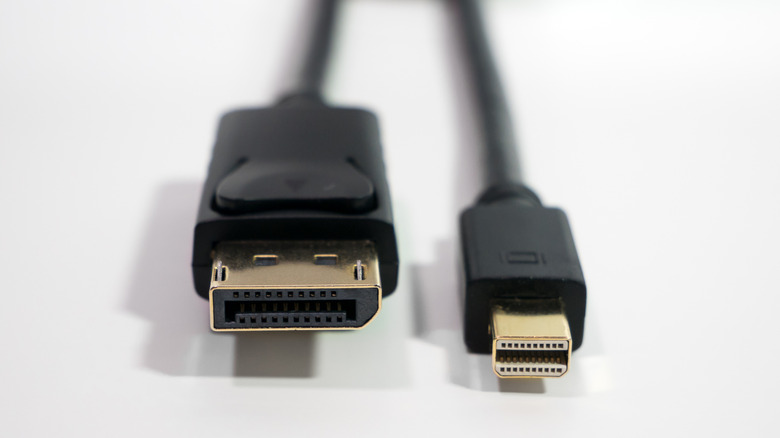
- The Adapter Economy: If you own a high-end monitor that only features a Mini DisplayPort input, you are not out of luck. Adapters and active cables (Mini DP-to-DisplayPort or USB-C-to-Mini DP) remain widely available. Because the underlying protocol is the same, these adapters are generally reliable and do not suffer from the signal degradation issues that plagued early VGA-to-HDMI converters.
- The "Gotcha" of USB-C: Not all USB-C ports are created equal. This is the biggest hurdle for consumers today. While a port may look like a USB-C port, it may not support "DisplayPort Alt Mode." Before purchasing a new monitor or hub, users must verify that their laptop’s USB-C port supports video output. This lack of visual distinction on the port itself remains a significant point of consumer confusion.
- Longevity: If you are building a new desktop PC, you will still see full-size DisplayPort ports on your graphics card. This is because desktop GPUs have the space for them, and they remain the most stable, cost-effective way to connect a monitor. The "Mini" version, however, should be considered a legacy format.
Final Thoughts: A Natural Evolution
The transition away from Mini DisplayPort is a perfect microcosm of how tech evolves. It began as a necessary innovation to solve the limitations of VGA and DVI. It served its purpose, enabling a generation of thin-and-light laptops to offer high-resolution output.
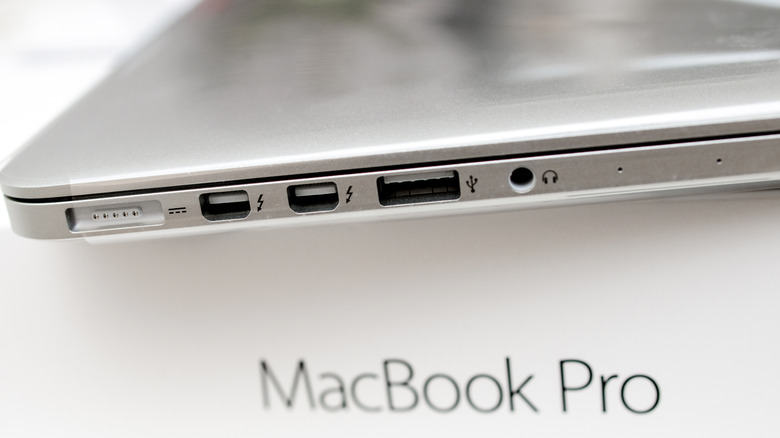
However, as the need for power, data, and video integration grew, the "Mini" connector could not keep up with the physical and electrical demands of modern hardware. By folding the DisplayPort protocol into the USB-C ecosystem, the industry has provided a more robust, versatile, and simplified user experience.
The Mini DisplayPort may be fading into the background of our junk drawers and legacy device cabinets, but its spirit remains. It didn’t lose the war; it simply merged with a superior force. The next time you plug a single USB-C cable into your monitor and watch your laptop start charging while your screen lights up with 4K resolution, you are witnessing the legacy of the Mini DisplayPort—refined, condensed, and perfected.
