
From Village Soil to Global Stages: The Artistic Triumph of ‘Kidney’
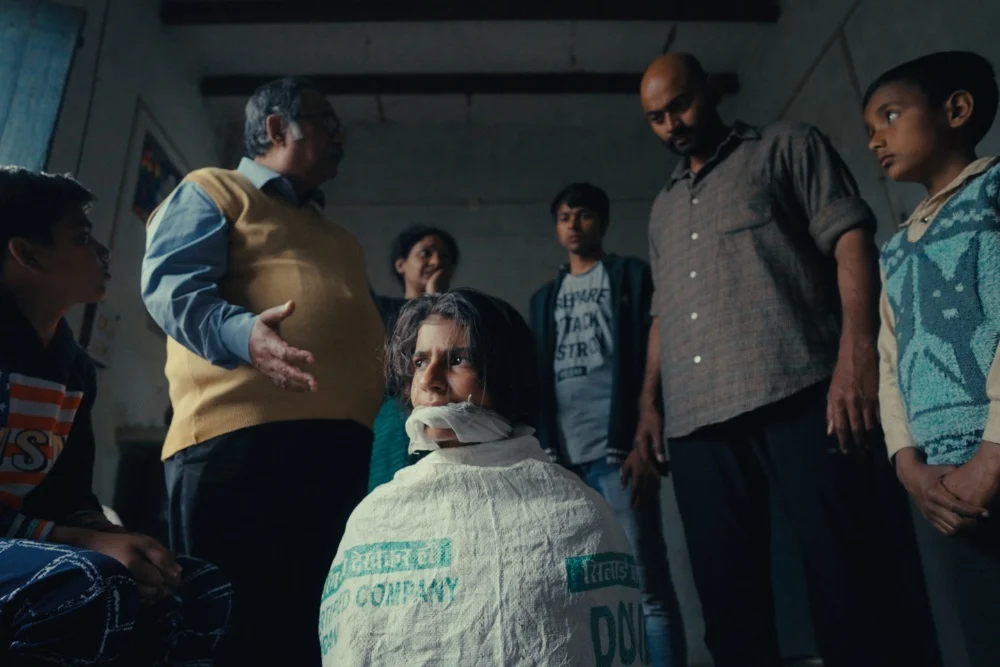
In an era where independent cinema often struggles to find oxygen amidst the suffocating reach of commercial blockbusters, a quiet, grassroots miracle has emerged from the Indian hinterlands. Kidney, the second feature film from filmmaking siblings Aakarsh and Agrim Sansanwal, is currently charting a course toward international acclaim. The project has secured a significant partnership with Shiladitya Bora’s Platoon One Films, which has boarded the project as a co-producer just as the film prepares to make its mark on the global stage at the prestigious Tallinn Black Nights Film Festival (PÖFF) in Estonia.
Selected for the festival’s competitive "Critics’ Picks" strand, Kidney represents a victory of spirit over logistics. Born from the Mumbai-based production house Enfant Terrible Productions—the creative engine established by the Sansanwal brothers—the film is a testament to the power of community-driven storytelling. As it prepares for its Tallinn premiere, the industry is taking note of a project that managed to capture profound human conflict on a shoestring budget, proving that distinct, regional voices still hold the power to resonate on a universal scale.
The Narrative Core: Love Amidst the Dust of Feud
Set against the backdrop of an isolated, unnamed Indian village, Kidney explores the timeless, tragic architecture of a "Romeo and Juliet" style conflict, albeit one deeply rooted in the harsh realities of rural life. The story centers on a young man and woman, two star-crossed lovers whose families are locked in a generations-old cycle of bitterness.
The narrative tension escalates when a long-simmering dispute over an inheritance erupts, reviving dormant hostilities. As the village becomes a pressure cooker of resentment, the couple finds themselves caught in a crossfire not of their own making. The film explores the corrupting influence of greed and the fragility of human relationships when they are forced to weather the weight of generational treachery. Unlike traditional melodramas, Kidney reportedly eschews easy sentimentality, opting instead for a gritty, emotionally dense exploration of how personal desires are often sacrificed at the altar of ancestral conflict.
A Chronology of Creation: From Vision to Tallinn
The journey of Kidney was far from linear. The Sansanwal brothers, who divide their time between the creative hubs of Mumbai and Delhi, approached the project with the same experimental ethos they utilized for their debut feature, To Caterpillar, From Butterfly, which premiered at the Dharamshala International Film Festival.
The production of Kidney faced the classic hurdles of independent filmmaking: limited financial resources and the immense pressure of working on location. However, it was precisely these limitations that defined the film’s character. When the budget inevitably ran dry, the production did not collapse; instead, it underwent a transformation. The local farming community, having observed the brothers’ dedication, stepped in to fill the gaps.
"We made the film with very little money and a seemingly inexhaustible supply of spirit," Aakarsh Sansanwal remarked. "When the budget ran out, the entire village, its farming community, stood behind us. They helped us through the hurdles and, in their own way, became part of the film’s journey. This film carries the hands and hearts of the people who helped bring it into the world."
This collaborative process—a true communal effort—has imbued the final product with a sense of authenticity that is rare in contemporary cinema. Following the completion of principal photography and post-production, the film caught the attention of veteran producer and distributor Shiladitya Bora. Recognizing the unique visual and narrative language of the piece, Platoon One Films joined the project, providing the necessary infrastructure to propel the film from a local endeavor to an international festival contender.
The Critics’ Picks Selection: Why Tallinn Matters
The Tallinn Black Nights Film Festival, or PÖFF, is one of Northern Europe’s most vital cinematic gatherings. Its "Critics’ Picks" competition is highly regarded for spotlighting films that possess a "clear artistic point of view." This section is specifically curated to showcase works that challenge the status quo, whether through innovative genre-bending, reinterpretations of cinematic history, or bold engagement with the socio-political issues of the day.
By placing Kidney in this competitive strand, the festival organizers have validated the Sansanwals’ distinct directorial voice. Previous selections for this strand include acclaimed works like Arati Kadav’s Mrs. (starring Sanya Malhotra), The Brothers Kitaura, About Us But Not About Us, and The Bone Breakers. Being placed in such company signals that Kidney is viewed not merely as a regional Indian drama, but as a piece of world-class auteur cinema.
Professional Perspectives: Shiladitya Bora on the ‘Kidney’ Ethos
For Shiladitya Bora, whose Platoon One Films has a track record of backing provocative and distinct cinema—including titles such as Bayaan, Toh Ti Ani Fuji, Bhagwan Bharose, Minimum, Ghaath, Picasso, and Yours Truly—signing Kidney was an instinctive move.
"When I first watched Kidney, I knew I was looking at something different, something that hadn’t been attempted in quite this way," Bora noted. He was quick to praise the brothers for their narrative courage. "It would be easy to dismiss a film like Kidney as esoteric, but what struck me was the depth of emotion underneath its craft and form. There is a dense, deeply felt emotional layer running through the film, and the film’s unique style becomes a way of expressing that emotion rather than an end in itself."
Bora’s philosophy aligns perfectly with the brothers’ vision. He emphasizes that Platoon One is interested in "original, distinctive and deeply rooted voices," and for him, Kidney was a project he "couldn’t let go of."
The Creative Architects: Aakarsh and Agrim Sansanwal
The success of the film is a direct reflection of the brothers’ diverse creative backgrounds. Aakarsh Sansanwal has spent years honing his craft on professional sets, working as an assistant director to renowned filmmakers such as Reema Kagti, Abhinay Deo, and Pushpendra Misra. These experiences provided him with a rigorous understanding of the demands of commercial storytelling, which he has effectively deconstructed for his own independent projects.
Agrim Sansanwal, meanwhile, brings a technical precision to the partnership. With a background in editing—having assisted veteran editor Deepa Bhatia on the critically acclaimed Skater Girl—he provides the structural backbone to the films the pair creates. This synergy of directorial intuition and editorial discipline is clearly visible in the rhythmic pacing and visual style of Kidney.
Implications for the Indian Independent Circuit
The ascent of Kidney serves as a case study for the current state of independent Indian cinema. While the industry is often dominated by high-budget spectacle, there remains a robust, if underfunded, ecosystem of filmmakers willing to risk everything for artistic integrity.
The partnership between the Sansanwals and Platoon One Films underscores a growing trend in the industry: the bridge between grassroots creators and established curators. By providing a platform for films that are "deeply rooted" in their local contexts, distributors are helping to ensure that Indian cinema is not defined solely by its most commercial exports.
As Kidney prepares to make its debut in Estonia, it carries the weight of a broader cultural ambition. It is a reminder that the most compelling stories are often the ones found in the margins, told by those who are willing to involve their entire community in the process of creation. For the Sansanwal brothers, the journey has been long and arduous, but as Aakarsh reflects, "To see it now receive recognition and find its way into the light is deeply moving."
As the film moves forward into the international market, the hope is that Kidney will serve as a beacon for other young filmmakers. It validates the belief that if the artistic vision is strong enough, and the spirit of the team is truly inexhaustible, even the most isolated stories can find an audience on the other side of the world. The story of Kidney is still being written, but for now, it stands as a triumph of persistence, community, and the undeniable power of a distinct, authentic voice.
