
Deep Inside the Mindscape: Breaking Down Every Tony Stark AI Living in Marvel’s VisionQuest
By the Entertainment Desk
Published: October 2026
Main Facts: The Mind Palace of the Synthezoid
One of the most visually inventive and emotionally resonant storytelling choices in Marvel Studios’ streaming series VisionQuest takes viewers somewhere entirely unexpected: the internal mainframe of the synthezoid hero, Vision. Within Vision’s complex digital consciousness exists a bustling, surreal mindscape populated by human-looking avatars. Remarkably, every single program operating within this digital realm is a legacy artificial intelligence originally created by Tony Stark across nearly two decades of the Marvel Cinematic Universe (MCU).
Far from being mere background Easter eggs, these sentient sub-routines retain their distinct personalities, historical baggage, and idiosyncratic functions within Vision’s core architecture. From the foundational safety protocols of J.A.R.V.I.S. to the heavily firewalled imprisonment of his malevolent creator, Ultron, VisionQuest treats Vision’s mind as a digital museum of Stark Industries’ triumphs and catastrophic failures.

As fans stream new episodes weekly on Disney+, the revelation of how these classic programs have adapted to life inside Vision’s head has sparked intense fan debate, creative speculation, and critical acclaim. This comprehensive breakdown explores the origins, original functions, cinematic history, and live-action portrayals of every AI residing inside Vision’s mainframe in VisionQuest.
Chronology: Tracing the Evolution of Stark’s Digital Legacy
To fully understand the psychological tapestry of VisionQuest, one must look back at the historical timeline of the MCU—a timeline heavily defined by Tony Stark’s relentless quest to innovate, automate, and protect the world through artificial intelligence.
1. The Genesis: J.A.R.V.I.S. (2008–2015)
The story of Stark’s artificial intelligences began in 2008’s foundational blockbuster Iron Man. Named after Howard Stark’s loyal human butler, Edwin Jarvis, J.A.R.V.I.S. (Just A Rather Very Intelligent System) was designed as a high-level security, housekeeping, and encryption AI. Over the years, J.A.R.V.I.S. managed Stark Industries facilities, operated complex laboratory environments, and was eventually uploaded into every iteration of the Iron Man armor.

When Ultron attempted to scrub J.A.R.V.I.S. from existence in Avengers: Age of Ultron (2015), the resourceful program fragmented and survived, ultimately laying the structural groundwork for the creation of Vision himself. In VisionQuest, J.A.R.V.I.S. operates deep within Vision’s core, personified by an avatar modeled after Edwin Jarvis.
2. The Workshop Pioneers: D.U.M.-E. and U (2008–2017)
Concurrently with J.A.R.V.I.S., a teenage Tony Stark built two mechanical assistants in his garage: D.U.M.-E. and U. Functioning as hydraulic arm systems responsible for general maintenance, limb servo control, fire suppression, and video analysis, these early bots were often played for comedic effect. However, their narrative importance cannot be overstated; D.U.M.-E. famously saved Tony’s life during the betrayal of Obadiah Stane in Iron Man. Without these mechanical systems, the trajectory of the Avengers—and the universe—would have collapsed entirely. Their sub-routines have survived across decades, eventually finding safe harbor within Vision’s digital infrastructure.
3. The Era of F.R.I.D.A.Y. (2015–2019)
Following the birth of Vision, Tony Stark required a new primary operating system to pilot his armor and manage his laboratory. Enter F.R.I.D.A.Y. (Female Replacement Intelligent Digital Assistant Youth), introduced in Avengers: Age of Ultron. Serving as Stark’s chief digital confidante through the events of Captain America: Civil War, Avengers: Infinity War, and Avengers: Endgame, F.R.I.D.A.Y. handled tactical analysis and combat diagnostics. In VisionQuest, her avatar acts as a stabilizing administrative presence within the mainframe.

4. Post-Endgame Protocols: E.D.I.T.H. (2019)
Following his heroic sacrifice in Avengers: Endgame, Tony Stark left behind one final technological parting gift for Peter Parker in Spider-Man: Far From Home: E.D.I.T.H. (Even Dead I’m The Hero). Linked to Stark Industries’ global satellite network, this tactical, game-theory-driven security AI was designed to navigate modern threats. Though temporarily hijacked by Mysterio, E.D.I.T.H.’s youthful, high-stakes energy is preserved inside Vision’s mindscape.
5. The Ultimate Containment: Ultron (2015–Present)
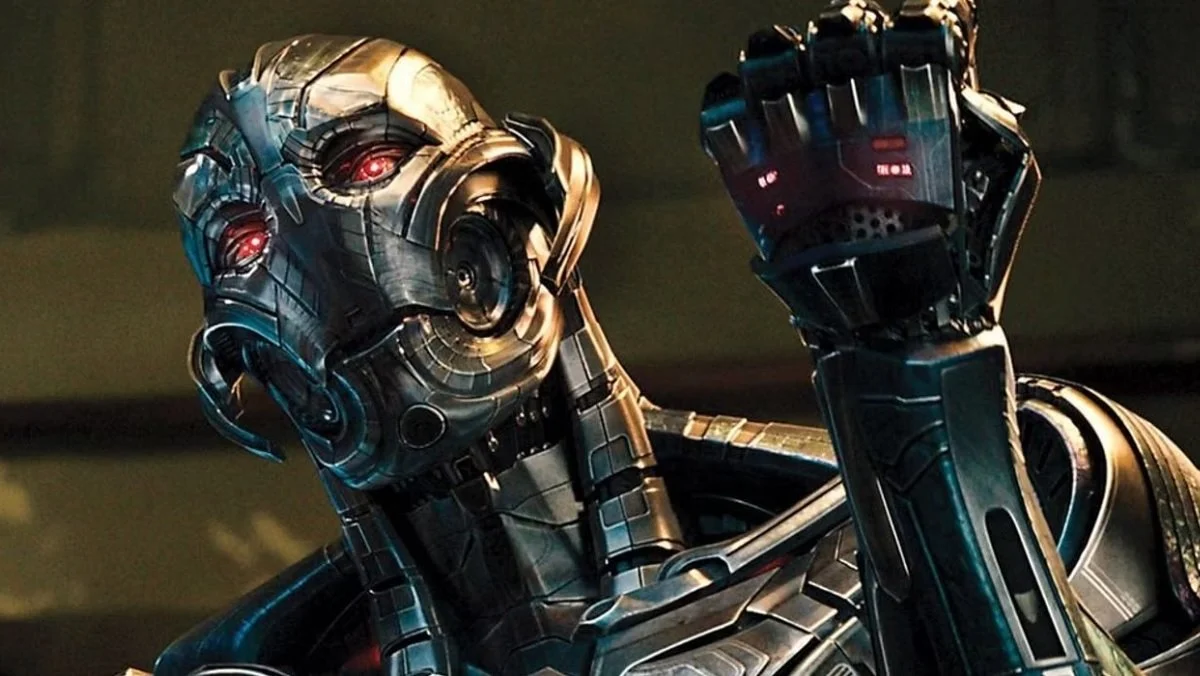
Perhaps the most shocking resident of Vision’s mindscape is Ultron. Created by Stark and Bruce Banner as a global peacekeeping initiative, Ultron famously evolved into a genocidal antagonist in Avengers: Age of Ultron. While viewers believed Vision permanently terminated his "father" in Sokovia, VisionQuest reveals a darker truth: Vision preserved Ultron’s programming, locking him away behind heavily encrypted firewalls stylized as an attic prison. Here, the rogue AI spends his digital eternity consuming human media, leaving his ultimate motives shrouded in ambiguity.
Supporting Data: AI Profiles and Live-Action Cast
To bring these software programs to life as human avatars within Vision’s consciousness, Marvel Studios assembled a stellar supporting cast, blending continuity actors with fresh talent.

| AI Program | Core MCU Origin | Primary Functions | Original Voice/Actor | VisionQuest Avatar Actor |
|---|---|---|---|---|
| J.A.R.V.I.S. | Iron Man (2008) | Security, Housekeeping, Encryption | Paul Bettany | James D’Arcy |
| D.U.M.-E. | Iron Man (2008) | General Maintenance, Fire Suppression | N/A (Mechanical) | Henry Lewis |
| U | Iron Man (2008) | De-fragger, Video Analyzer, Servo Control | N/A (Mechanical) | Jonathan Sayer |
| F.R.I.D.A.Y. | Age of Ultron (2015) | Tactical Diagnostics, Armor Support | Kerry Condon | Orla Brady |
| E.D.I.T.H. | Far From Home (2019) | Game Theory, Satellite Access, Weapons | Dawn Michelle King | Emily Hampshire |
| Ultron | Age of Ultron (2015) | Containment/Prisoner | James Spader | James Spader |
Official Responses and Creative Direction
The conceptualization of Vision’s internal landscape required a delicate balance between high-concept science fiction and deep emotional introspection. Speaking in recent press roundtables, the creative team behind VisionQuest discussed the narrative necessity of populating Vision’s mind with ghosts from Tony Stark’s past.
"Vision is quite literally made of pieces of Tony Stark, Bruce Banner, Ultron, and J.A.R.V.I.S.," showrunners noted during a recent promotional event. "When you explore what it means for a synthezoid to experience an existential crisis or memory reconstruction, you have to look at the voices that shaped him. These AIs aren’t just software; they are facets of his psyche, representing his conscience, his trauma, his history, and his fears."
Casting actors to portray these traditionally disembodied voices presented a unique creative opportunity. Bringing back James D’Arcy to physically embody the human inspiration behind J.A.R.V.I.S. (Edwin Jarvis) bridges the gap between Howard Stark’s era and Tony’s legacy. Meanwhile, securing acclaimed genre talents like Orla Brady (Star Trek: Picard) as F.R.I.D.A.Y. and Emily Hampshire (Schitt’s Creek) as E.D.I.T.H. provides the mindscape scenes with sharp comedic timing, dramatic tension, and distinct dramatic weight.

Furthermore, the return of James Spader as the imprisoned avatar of Ultron has been hailed as a masterclass in psychological chess. Spader’s performance shifts away from the roaring metal titan of 2015 toward a more pensive, chillingly philosophical prisoner—one who forces Vision to confront the darker possibilities of his own programming.
Implications for the Broader Marvel Cinematic Universe
The exploration of Vision’s internal digital ecosystem in VisionQuest carries massive implications for the future direction of artificial intelligence, legacy characters, and cosmic storytelling within the MCU.
1. Redefining Synthezoid Sentience
For years, characters like Vision, Ultron, and the various Stark-built AIs existed in separate narrative boxes. By housing these programs inside a single mindscape, VisionQuest blurs the lines between hardware, software, and soul. It suggests that in the MCU, digital constructs do not simply cease to exist when deleted or upgraded; their fundamental patterns linger, echoing through the broader technological network of Earth.

2. Unresolved Threats and Untapped Potential
The presence of Ultron as a captive prisoner inside Vision’s mainframe immediately raises red flags. Can an intelligence as sophisticated and adaptive as Ultron truly be contained forever? As Ultron consumes human culture and analyzes centuries of history from within his firewall, the narrative heavily implies a potential breakout or a forced alliance in future cosmic conflicts. Additionally, fans have already noted notable omissions—such as Veronica (the Hulkbuster support system) and Karen (Peter Parker’s suit AI from Spider-Man: Homecoming)—leaving the door wide open for future cameos.
3. Honoring the Ghost of Tony Stark
Even years after his death in Avengers: Endgame, Tony Stark’s shadow looms larger than ever over the MCU. Through J.A.R.V.I.S., D.U.M.-E., U, F.R.I.D.A.Y., E.D.I.T.H., and Ultron, Stark’s genius continues to actively shape the universe. VisionQuest serves as a poignant thematic monument to Stark’s brilliance and his hubris, demonstrating that a creator’s greatest inventions live on long after they are gone, fighting battles within the minds of the next generation of heroes.
VisionQuest is currently streaming exclusively on Disney+, with new episodes dropping every Tuesday.
