
David Gordon Green’s ‘Joe’: A Gritty, Unflinching Dive into Southern Gothic Noir
Main Facts
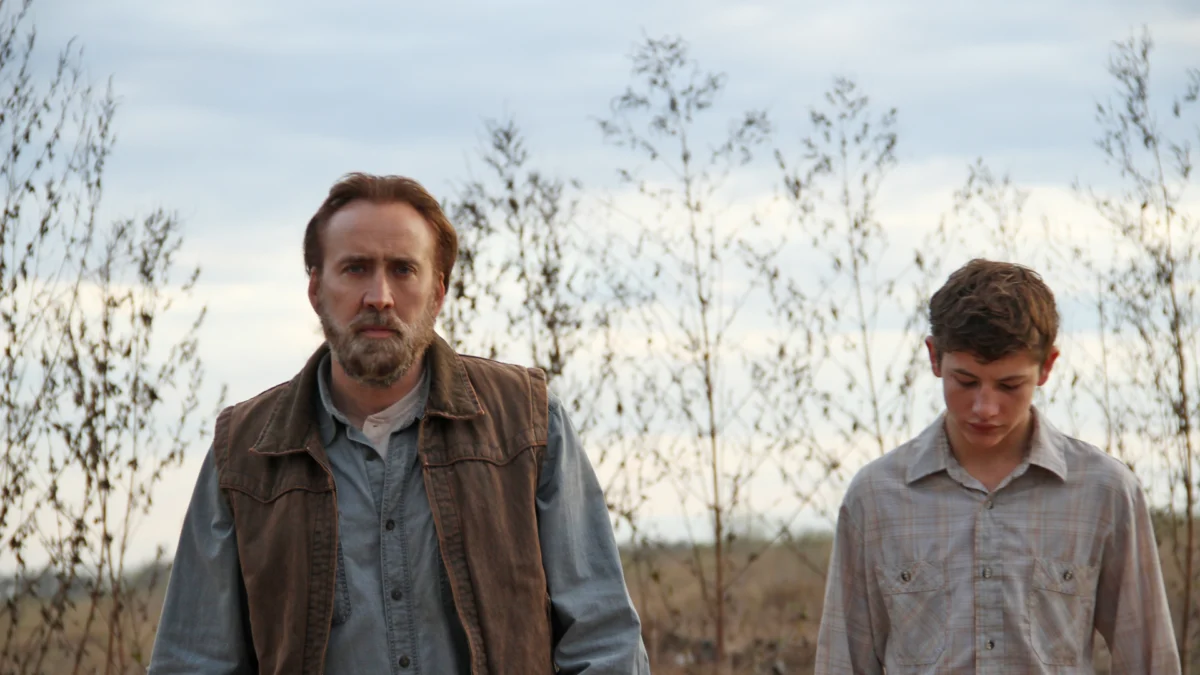
Director David Gordon Green returns to his independent roots with Joe, a bleak, brutal, and visually striking Southern gothic drama. Adapted by screenwriter Gary Hawkins from the 1991 novel by the late Larry Brown, the film centers on Joe Ransom (played by Nicolas Cage), a hard-drinking, ex-con crew boss in rural Texas who forms an unlikely, protective bond with a hard-working teenager named Gary Jones (Tye Sheridan).
The movie features a stark contrast between primal violence and pastoral beauty, leaning heavily into atmospheric storytelling. While critics have praised the film’s gritty authenticity, brilliant performances—particularly by Cage and the late non-professional actor Gary Poulter—some have noted that its narrative trajectory feels overly familiar, relying heavily on traditional white-trash gothic tropes.
Clocking in at a slow-building two hours, Joe juxtaposes moments of shocking, visceral violence with deadpan, cynical humor. It examines the complexities of modern masculinity, cyclical poverty, and the burden of moral responsibility in a forgotten American landscape.
Chronology
1. Literary Origins and Adaptations
The journey of Joe began decades before it hit the silver screen. Larry Brown published his acclaimed novel Joe in 1991, cementing his reputation as a master of gritty Southern fiction. Screenwriter Gary Hawkins spent years working to adapt the novel into a feature script that could capture Brown’s distinct blend of raw realism and poetic bleakness. The project finally materialized under the direction of David Gordon Green, who was actively seeking a return to serious, character-driven independent filmmaking following a string of studio comedies like Your Highness and The Sitter.
2. Production and Casting Choices
Principal photography took place in rural Texas, where Green intentionally integrated the local environment and its people into the fabric of the film. Staying true to his auteurist vision, Green cast non-professional actors alongside Hollywood heavyweights.

Among the most talked-about casting decisions was Gary Poulter, a homeless drifter with no prior acting experience, who was cast as the monstrous, abusive father, Wade Jones. Tragically, Poulter passed away in March before the film’s premiere, leaving behind a haunting, entirely naturalistic final performance. Additionally, Green populated Joe’s crew of "tree poisoners" with real-day laborers, lending an unvarnished authenticity to the daily labor scenes.
3. Festival Circuit and Theatrical Release
Joe made its high-profile premiere on the international film festival circuit, drawing considerable attention for its harsh depiction of rural malaise and Nicolas Cage’s disciplined, powerful lead performance. While it failed to capture a massive mainstream box-office audience—largely due to its uncompromising, arthouse-leaning tone—it solidified Green’s pivot back toward critically acclaimed independent cinema, following his similarly praised 2013 indie feature, Prince Avalanche.
Supporting Data and Production Details
- Cast & Crew:
- Director: David Gordon Green
- Screenwriter: Gary Hawkins (based on Larry Brown’s 1991 novel)
- Cinematographer: Tim Orr (utilizing a mobile, hovering camera style)
- Composers: David Wingo and Jeff McIlwain
- Lead Actors: Nicolas Cage (Joe Ransom), Tye Sheridan (Gary Jones), Gary Poulter (Wade Jones), and Adriene Mishler (Connie).
- Thematic Elements:
- Explores toxic masculinity, familial abuse, economic desperation, and moral redemption.
- Features stark regional textures, including authentic Texas forestry labor, wildlife interactions (notably handled with real animal safety protocols), and backwoods bar brawls.
- Box Office and Audience Reach:
- Positioned as a prestige arthouse release rather than a commercial blockbuster.
- Supported by a moody, metaphysical score and stark natural lighting that elevate its thematic resonance above standard pulp thrillers.
Official Responses and Critical Reception
The critical consensus surrounding Joe is a mixture of profound admiration for its artistic craftsmanship and mild fatigue regarding its formulaic narrative beats.
Praise for Performances
Critics universally lauded Nicolas Cage for delivering one of the finest performances of his later career. Stripped of the eccentric, scenery-chewing histrionics that characterized his broad studio work, Cage presents a tightly wound, world-weary figure whose underlying decency struggles against an inherent capacity for violence.
Tye Sheridan, building on strong performances in The Tree of Life and Mud, was praised for holding his own opposite Cage, creating a touching, albeit understated, surrogate father-son dynamic. Meanwhile, the posthumous praise for Gary Poulter’s chilling portrayal of Wade Jones highlighted the raw, terrifying authenticity he brought to the screen.

Critique of Narrative Familiarity
Conversely, reviewers pointed out that the film suffers from a predictable trajectory. By framing Joe and the antagonists as clear-cut archetypes of good and evil, the narrative occasionally leans too heavily into tired Southern gothic clichés. Furthermore, critics noted that female characters are largely sidelined in this testosterone-driven narrative, functioning primarily as minor accessories to a world dominated by blood, alcohol, and male desperation.
Implications
1. For David Gordon Green’s Career
Joe serves as a crucial turning point in David Gordon Green’s directorial trajectory. After establishing himself as an indie darling with lyrical dramas like George Washington and All the Real Girls, Green pivoted toward broad commercial comedies. Joe, alongside Prince Avalanche, signaled a successful, permanent reconciliation with his dramatic roots, proving he could still elicit masterclass performances and capture America’s forgotten peripheries with a poetic lens.
2. For Nicolas Cage’s Filmography
For Nicolas Cage, Joe represents a gold standard in his prolific output. By proving he could anchor a slow-burn, atmospheric indie drama with absolute emotional restraint, Cage reminded both audiences and casting directors of his profound dramatic depth. The film helped pave the way for subsequent critical triumphs in Cage’s career, reinforcing his status as a daring, fearless character actor.
3. Cultural and Cinematic Impact on the Southern Gothic Genre
The film adds a vital, if brutal, chapter to the cinematic tradition of Southern gothic noir. By blending non-professional actors with Hollywood stars, Joe blurs the line between fiction and documentary-style realism. It forces audiences to confront uncomfortable truths regarding generational trauma, poverty, and the thin veneer separating civilization from primal survival in rural America.
