
From Swamp to Screen: DreamWorks Animation’s Strategic Shift in Theatrical Monetization
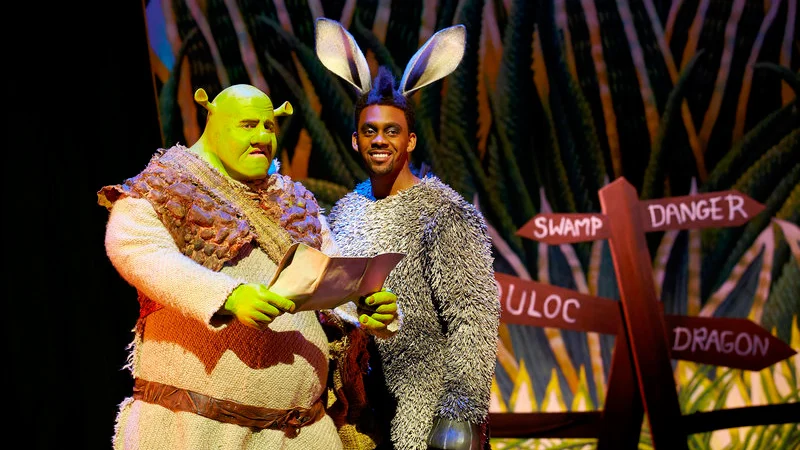
In a bold move that challenges the long-standing industry taboo against filming stage productions for home release, DreamWorks Animation (DWA) has announced that its high-profile Broadway production, Shrek the Musical, will be coming to home video. By releasing the filmed performance on Blu-ray and DVD on October 15, and on digital platforms as early as September 17, DreamWorks is signaling a pivot in how major animation studios view their theatrical intellectual property.
While stage and touring events have historically served as supplemental income for film studios, this latest initiative suggests that DreamWorks is aggressively seeking to maximize the revenue lifecycle of its stage ventures. Through a distribution partnership with Twentieth Century Fox Home Entertainment, the studio plans to leverage the release as the cornerstone of a broader marketing campaign dubbed “Shrektober,” aiming to recapture the massive fan base that propelled the original animated film franchise into a global cultural phenomenon.
The Strategy Behind the Screen: Defying Industry Norms
For decades, theatrical producers have operated under a cloud of anxiety regarding filmed stage productions. The prevailing wisdom has long suggested that if a high-quality, professional recording of a show is readily available for purchase on home video, audiences will choose the comfort of their living rooms over the experience of a live performance, thereby cannibalizing ticket sales for current and future touring productions.
However, DreamWorks Animation appears to be challenging this paradigm. By treating Shrek the Musical not merely as a finite theatrical run but as a perennial media asset, the studio is betting that the home video release will serve as an advertisement for the brand rather than a replacement for it. This strategy echoes the successful, albeit limited, experiments of other studios. For instance, Universal previously released a 2012 performance of Andrew Lloyd Webber’s The Phantom of the Opera at London’s Royal Albert Hall and a 2011 production of Les Misérables from the O2 Arena.
Yet, those were special, one-off gala productions. DreamWorks is taking a more direct approach by releasing a definitive capture of the original Broadway staging, capturing the energy of the cast and the intricate production design that defined its initial run.
Chronology: From the Broadway Stage to the Digital Frontier
The journey of Shrek the Musical is a testament to the complex nature of translating animated features into live-action stage spectacles.
The Broadway Bow
Shrek the Musical made its grand entrance on Broadway with high expectations, backed by the prestige of DreamWorks Theatricals and Neal Street Productions. It featured a powerhouse cast, including Brian d’Arcy James as the titular ogre, the incomparable Sutton Foster as Princess Fiona, Daniel Breaker as the wisecracking Donkey, and Christopher Sieber as the villainous Lord Farquaad. The production was critically noted for its technical ambition, eventually garnering eight Tony Award nominations. While it secured a victory for Tim Hatley’s inventive costume design, the show’s Broadway run concluded on January 2, 2010, after a run of just over a year.
The Lean Years and Strategic Retrenchment
Following the closure, the production faced the inevitable challenges of the "off-season." While the show remained a strong draw for tourists visiting New York City, it struggled to maintain capacity during slower periods. However, DreamWorks Animation CEO Jeffrey Katzenberg remained steadfast in his vision. At the time of the Broadway closure, Katzenberg emphasized that the shuttering of the New York run was not the end of the line. Instead, the company pivoted to a robust touring model and international productions, such as those in London’s West End.
The Digital Milestone
The upcoming home video release marks the culmination of this post-Broadway strategy. By capturing the performance using 10 high-definition cameras, director Michael Warren ensured that the 17 musical numbers—penned by David Lindsay-Abaire and Jeanine Tesori—were preserved with the same level of polish as a feature film. This release is intended to finalize the conversion of the theatrical run into a profitable, long-term digital asset.
Supporting Data: Production Values and Content Depth
The home video edition of Shrek the Musical is not merely a bare-bones recording; it is a curated experience designed to appeal to the "Shrek" collector base. The deluxe Blu-ray edition is packed with supplemental content that provides a deep dive into the creative process.
Behind the Scenes
Central to the disc’s appeal is the documentary "From Swamp To Stage: The Making of Shrek the Musical." This featurette details the gargantuan task of bringing the characters to life, from the prosthetic artistry required for the cast to the technical staging of the elaborate musical numbers.

Interactive Elements
To bridge the gap between the film audience and the theatrical experience, the release includes a "Shrek The Musical Songbook with Sing-Along" feature. This inclusion acknowledges the demographic that made the films so successful: families and younger children who gravitate toward the franchise’s memorable soundtracks.
Technical Specifications
The production itself, as captured by the 10-camera setup, offers viewers a perspective that even front-row theatergoers rarely experience: intimate close-ups of the actors’ expressions, detailed views of the intricate costumes, and a clear, balanced mix of the orchestral arrangements.
Official Responses and Studio Intentions
The decision to move forward with this release was driven by the executive belief that "Shrek" is a brand that transcends the medium. Jeffrey Katzenberg has frequently cited the need for diversified revenue streams within the animation business, and this project is a quintessential example of that philosophy.
Twentieth Century Fox Home Entertainment, which manages the distribution of the studio’s animated films, has been instrumental in the marketing rollout. By tying the release into the "Shrektober" promotion, the studio is effectively cross-promoting the entire catalog, reminding consumers of the legacy of the four feature films while introducing them to the theatrical stage version.
Industry analysts note that while the stage production was a mixed financial success on Broadway, the secondary life of the IP through licensing and touring—now bolstered by this home video release—is what defines long-term profitability in the modern entertainment landscape. The move is a calculated attempt to extract every cent of value from a production that has already served its primary purpose as a prestige project.
Implications for the Future of Live Theater
The release of Shrek the Musical raises significant questions about the future of theatrical distribution. If this model proves successful, it could signal a shift where Broadway and West End producers begin to view "pro-shots" (professional stage recordings) not as a last resort, but as a standard component of a show’s business plan.
The "Pro-Shot" Revolution
We are currently witnessing a golden age of filmed theater. With the success of productions like Hamilton on streaming services and the rising popularity of BroadwayHD, the barrier between the theater and the living room is blurring. DreamWorks’ initiative acts as a bridge, utilizing the reach of a major film studio to bring theater to audiences in rural areas or foreign markets who would otherwise never have the chance to see a Broadway-caliber show.
Impact on Touring and Regional Theater
The primary concern remains whether this will diminish the attendance for regional tours. However, evidence from the music industry—where concert films often drive ticket sales for subsequent tours—suggests the opposite. By providing a high-quality digital experience, DreamWorks is effectively keeping the "Shrek" brand relevant in the public consciousness, which may ultimately drive demand for future local, non-equity, or community theater productions of the show.
The Evolution of the Studio Model
For DreamWorks Animation, this is a lesson in intellectual property management. When a film is adapted for the stage, the studio must treat the stage version with the same analytical rigor as a film sequel. The ability to pivot from a struggling Broadway run to a successful global tour and an ultimate home video release demonstrates a maturity in business strategy that is becoming essential for animation studios in an increasingly fragmented media landscape.
Conclusion
As October 15 approaches, the release of Shrek the Musical stands as a watershed moment for the intersection of animation and live performance. By embracing the digital age rather than fearing it, DreamWorks Animation is redefining the shelf life of a Broadway show.
The story of the swamp-dwelling ogre, a wise-cracking donkey, and a feisty princess has always been about subverting expectations and finding value in places others might overlook. It is perhaps fitting, then, that the theatrical production of Shrek has found its final, and perhaps most lucrative, home in the digital catalog of the studio that brought the fairy tale to life in the first place. Whether this signals a permanent change in how Broadway producers view the "home video" market remains to be seen, but one thing is clear: the swamp is open for business, and it is more accessible than ever before.
