
The Pigeon’s Perspective: Amos Sussigan on AI, Animation, and the Future of Storytelling
In the rapidly evolving landscape of contemporary animation, few figures bridge the gap between independent, artisanal craftsmanship and major studio blockbusters as effectively as director and production designer Amos Sussigan. Best known for his 2019 short Coaster, Sussigan has re-emerged in the spotlight with a provocative new animated short, Pigeons. Narrated by the legendary Andy Serkis, the film is a poignant meditation on the history of labor, the encroachment of artificial intelligence, and the search for purpose in an increasingly automated world.
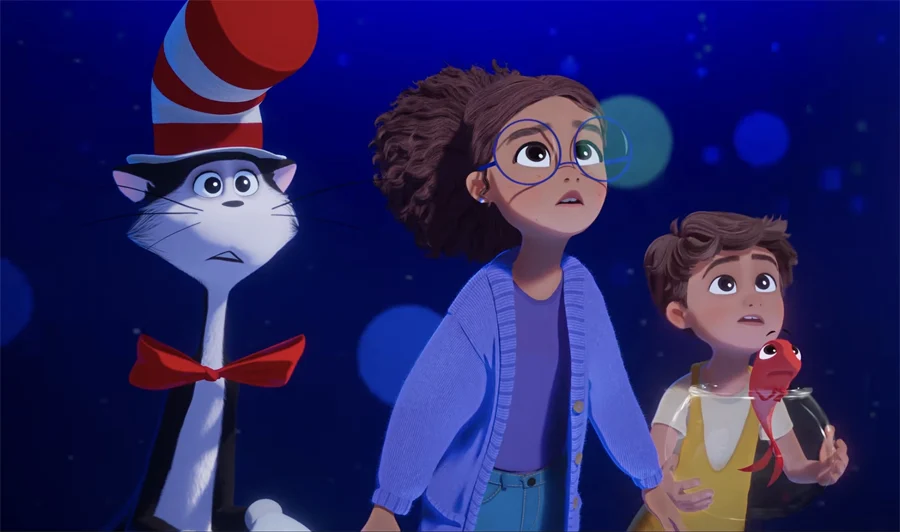
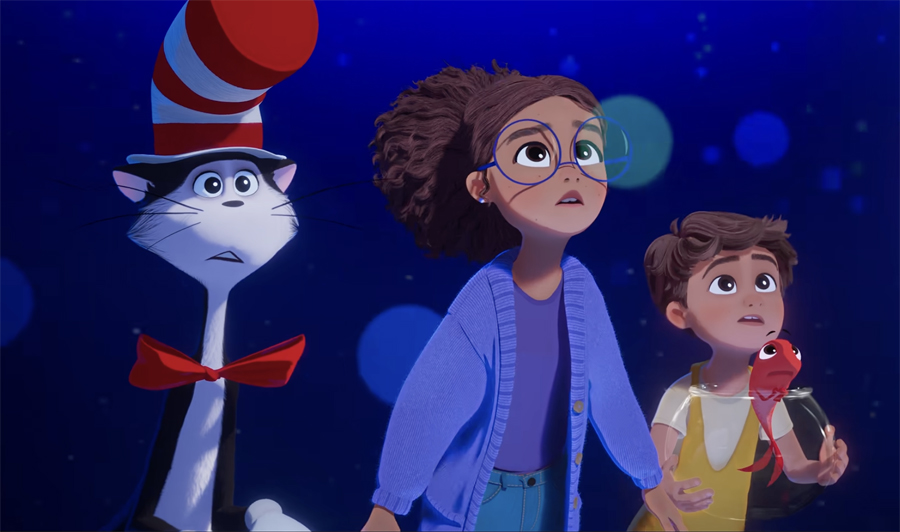
As Sussigan navigates the awards circuit with Pigeons, he simultaneously serves as the art director for Warner Bros.’ highly anticipated feature The Cat in the Hat (slated for a November 6 release) and the production designer for the studio’s upcoming 2028 Hello Kitty adaptation. In a recent wide-ranging interview, Sussigan discussed the intersection of these projects and his philosophy regarding the medium of animation.
Main Facts: A Dual Career in Motion
Amos Sussigan’s recent output highlights a dual-track career path that balances personal, auteur-driven storytelling with the high-stakes production demands of major intellectual properties.
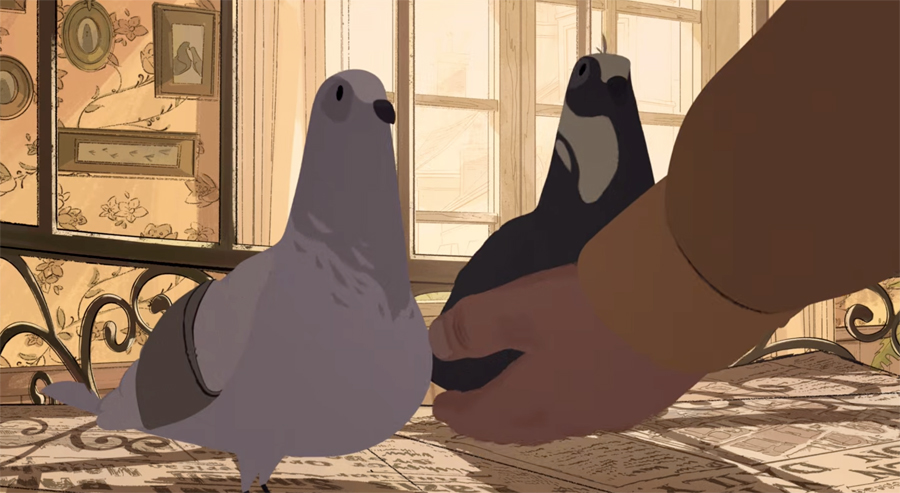
- Pigeons: A short film that functions as an allegorical commentary on the human relationship with AI. It was produced over 12 months with a micro-budget of $20,000, relying on the donated time and talent of approximately 60 collaborators.
- The Cat in the Hat: A major studio feature where Sussigan serves as Art Director, focusing on rigorous color theory and the visual evolution of the iconic Dr. Seuss world.
- Hello Kitty: An upcoming 2028 feature project where Sussigan serves as Production Designer, tasked with translating a global, multi-generational brand into a cohesive cinematic experience.
Chronology: From Concept to Screen
The genesis of Pigeons was born not from an obsession with birds, but from a conversation about historical necessity. Sussigan and producer/writer Timo Von Guten were discussing the pivotal role pigeons played during wartime—often acting as critical messengers—when a casual remark sparked the film’s central thesis: "Just like us with AI."
The project’s development occurred against a backdrop of personal and professional uncertainty. Sussigan recalls writing the script while navigating the chaos of the California wildfires, an atmosphere that mirrored the existential anxiety he felt regarding the state of the film industry.
Following the project’s inception, the production moved at an accelerated pace. By maintaining a firm, unchanging structure, the team was able to complete the film in a single year. The production design was intentionally layered, paying homage to the classic, hand-drawn aesthetic of Disney’s 101 Dalmatians while integrating modern 3D animation and 2D visual effects.
Supporting Data and Creative Methodology
Sussigan’s approach to Pigeons was rooted in a documentary-style detachment. He and co-writer Julian Wagner sought to create a narrative that did not moralize, but rather observed.
The Role of Andy Serkis
The involvement of Andy Serkis was a significant boon to the project. Having worked with Serkis previously on the 2026 Animal Farm adaptation, Sussigan initially hesitated to ask the actor to donate his time for a non-profit indie short. However, upon receiving the script, Serkis immediately committed to the role.
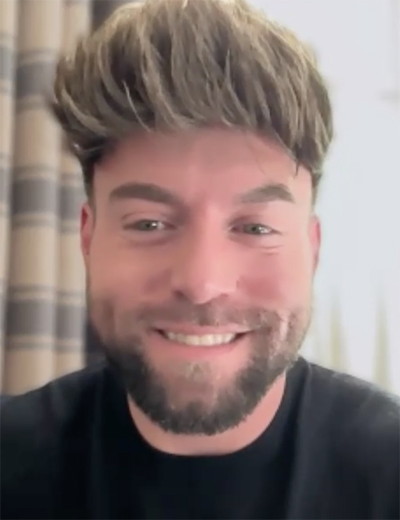
The recording sessions were characterized by a desire for a "detached" and "even-keeled" tone—reminiscent of an Animal Planet narrator. Sussigan notes that the goal was to avoid emotional manipulation. By having the narrator describe the pigeon’s struggle for survival as a natural system rather than a tragedy, the film forces the audience to confront the cold reality of technological displacement.
Color Theory and Studio Craft
On the set of The Cat in the Hat, Sussigan’s methodology shifted from the gritty, philosophical exploration of Pigeons to a vibrant, structured approach to color. Working under Production Designer Aidan Sugano—known for his work on Nimona—Sussigan focused on how color can define a narrative arc. The film utilizes a strict palette, starting in a minimalist, near-monochrome state before the Cat introduces a deliberate, poppy use of red, effectively using color to mirror the disruption of the characters’ world.
Official Responses and Creative Philosophy
Sussigan is vocal about the misconception that animation is merely a "kids’ medium." He argues that the level of detail required in animation—where every element, from the color of an extra’s shoelaces to the light hitting a leaf, must be decided and constructed—demands a level of creative control that exceeds many live-action productions.
"Animation is still sometimes misunderstood," Sussigan observes. "It makes so much money compared to live-action, but there is so much depth to it. Don’t be fooled by the colors."
His work on Hello Kitty represents a different set of challenges. Unlike the complex, illustrative world of Dr. Seuss, the Hello Kitty brand relies on extreme simplicity and iconographic recognition. For Sussigan, the challenge lies in maintaining that simplicity while crafting a story that can resonate across 50 years of global brand history.
Implications: The Future of AI and Animation
The most striking aspect of Pigeons is its stance on technology. Despite the film being a commentary on the rise of AI, Sussigan is careful to clarify that the work is not an anti-technology manifesto.
"Progress itself is not evil or the enemy," Sussigan says. "It’s more about thinking about progress for progress’ sake, without remembering what came before, or the consequences of said progress."
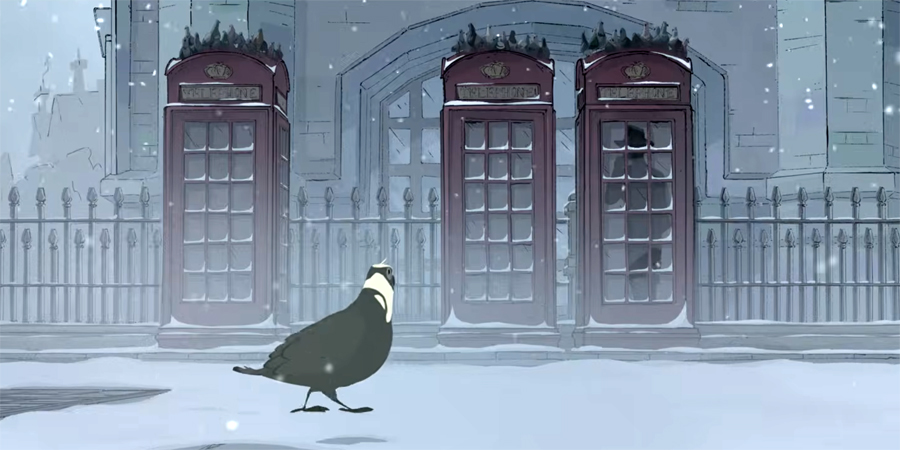
The film serves as an invitation to reflect. By choosing to use pigeons—creatures that once performed essential human tasks only to be replaced by the telephone—as a proxy for human workers, Sussigan highlights a cycle of obsolescence that is now repeating itself in the creative arts.
The fact that Pigeons was made entirely without Generative AI is a central tenet of its production. By proving that a compelling, high-quality, and deeply emotional film can be made through collective human effort and traditional craftsmanship, Sussigan is positioning his work as a standard-bearer for a human-centric approach to the future of the medium.
Conclusion
Amos Sussigan sits at a fascinating crossroads. By day, he is helping shape the visual identity of some of the world’s most recognized franchises at Warner Bros.; by night, he is using the tools of the trade to craft indie projects that challenge the audience to think critically about the very tools they are using.
As The Cat in the Hat prepares for its theatrical release and Pigeons continues to make its rounds on the festival circuit, Sussigan’s influence on the animation industry is clear. He represents a generation of creators who are not merely content to work within the studio system, but are determined to use their expertise to protect the artistry of the medium. Whether he is working with the simplicity of a cartoon icon or the complex, dark allegories of bird behavior, Sussigan remains committed to the idea that animation is a powerful vessel for deep, meaningful human connection.
As he continues to build his career, his work serves as a reminder that behind every frame of digital animation, there remains a human decision-maker—and as long as that remains true, the medium will continue to evolve, reflect, and challenge the world around it.
